



Georgian Shell Mirror
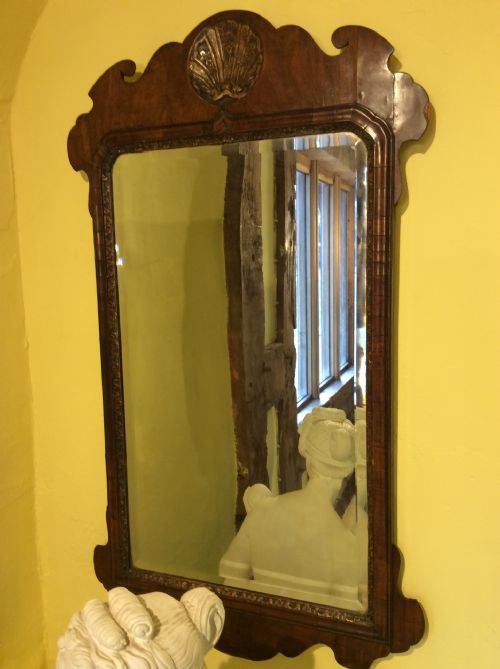
A georgian shell mirror brings intricate maritime texture and historic charm into a room, offering a focal point crafted from natural marine elements.
Georgian Shell Mirror
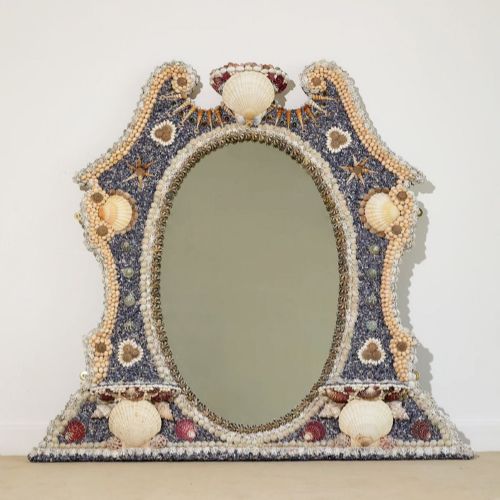
When you search for a georgian shell mirror, you are looking for wall hanging pieces that combine historical frames with marine ornamentation. These items incorporate natural shells into decorative schemes, ranging from authentic period examples to later interpretations.
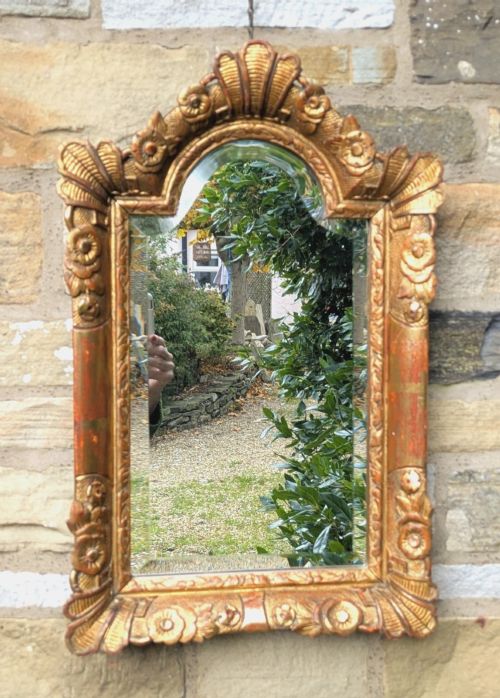
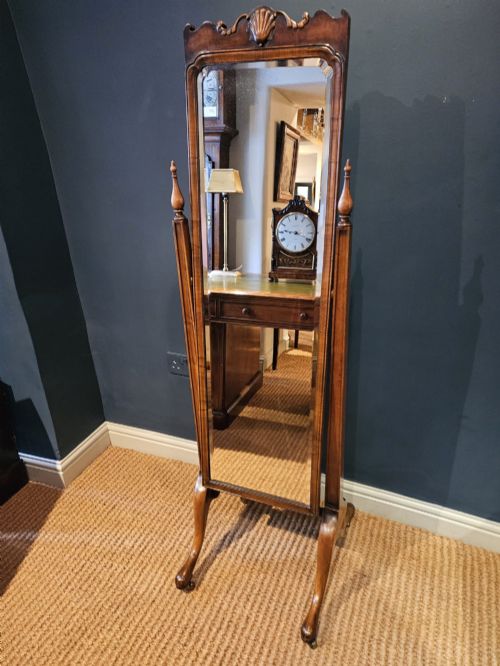
The versions most commonly met on this page span several eras and styles, including Georgian, Queen Anne, Victorian, and Edwardian revivals. Frames are constructed from timber such as mahogany, walnut, and giltwood, housing mirror glass or bevelled glass within wall mirrors and pier mirrors.
How they were made
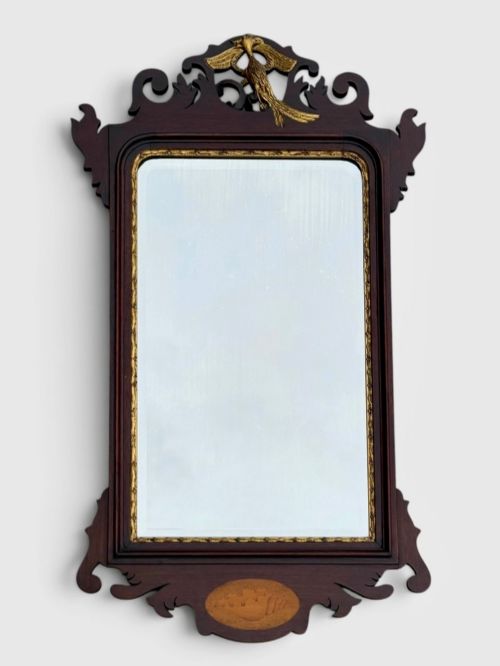
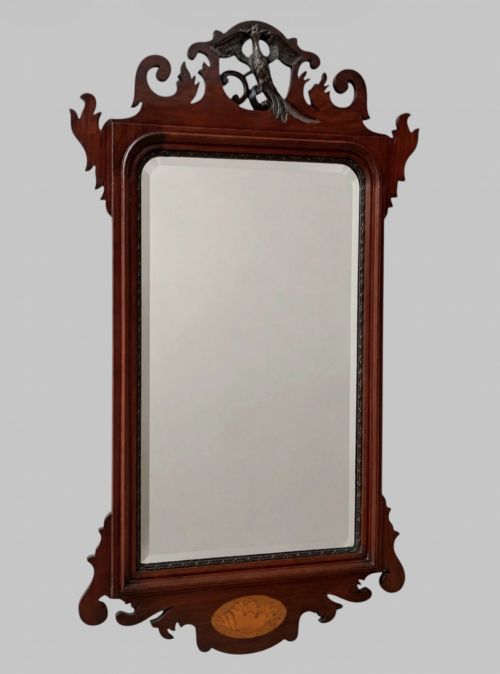
Makers utilised dense timbers like mahogany and burr walnut, often shaping them into fretwork frames or adding parcel gilt highlights. Cabinetmakers employed techniques such as inlay and fine carving to shape intricate outlines like the Ho Ho bird.
Glass plates were silvered by hand, and later additions incorporated bevelled glass or specific decorative elements like shellwork applied to frames. Construction methods varied from authentic eighteenth-century joinery to later revival techniques seen in nineteenth and twentieth-century workshops.
Georgian Shell Mirror Retail Price Guide 2026
Typical asking prices for georgian shell mirror among the pieces listed under this phrase on Sellingantiques today, from the lower quarter to the upper quarter. They describe what is for sale here now, not the wider market.
Certain frames proudly sport carved Ho Ho birds, adding a whimsical avian touch to traditional maritime shell motifs.
What varies in quality
The distinction between standard and superior pieces lies in the crispness of the timber carving and the depth of the grain in materials like burr walnut. Finer examples display meticulous attention to detail in fretwork and gilding.
Integrity of materials also determines value, distinguishing original eighteenth-century construction from later revivals or pieces featuring later shellwork additions. The harmony between the frame's style and its decorative embellishments dictates overall cohesion.
The Georgian Shell Mirror Glossary
- Fretwork
- Openwork ornamentation carved or pierced from a flat board of timber. This technique is frequently seen on eighteenth-century and revival wall mirrors.
- Pier mirror
- A tall wall mirror designed to hang on the wall space between two windows. These pieces often feature elaborate frames matching interior decor.
- Parcel gilt
- A surface treatment where selective areas of an object are covered with gold leaf. It highlights specific carved details against a dark wood background.
- Bevelled glass
- Glass with an angled and polished edge that catches the light. This finish adds depth and visual interest to the mirror plate.
Georgian Shell Mirror: Frequently Asked Questions
Are all shell mirrors from the Georgian period?
Many mirrors associated with this style date from later revival periods, including the Victorian and Edwardian eras. Some pieces feature eighteenth-century frames combined with later shellwork.
Examining the timber construction and joining techniques helps determine the actual age of the frame versus decorative additions.
Where should I hang a wall mirror?
These mirrors suit principal reception rooms, hallways, or above a fireplace mantel where they can reflect light. Their detailed frames require wall space that accommodates their distinct proportions without crowding.
Ensure the hanging fixings match the weight of dense hardwood and glass constructions.
How do I care for antique glass?
Clean mirror glass gently using a soft cloth and minimal moisture to protect the surrounding wood and gilt surfaces. Avoid harsh chemical cleaners that might damage historic silvering or finishes.
Keep mirrors away from direct sunlight and damp environments to preserve the timber and frame integrity.
What defines a pier mirror?
A pier mirror is traditionally tall and narrow, built to hang on the wall pier between windows. They often complement console tables positioned beneath them.
Their vertical proportions help distribute natural light across darker interior spaces.