

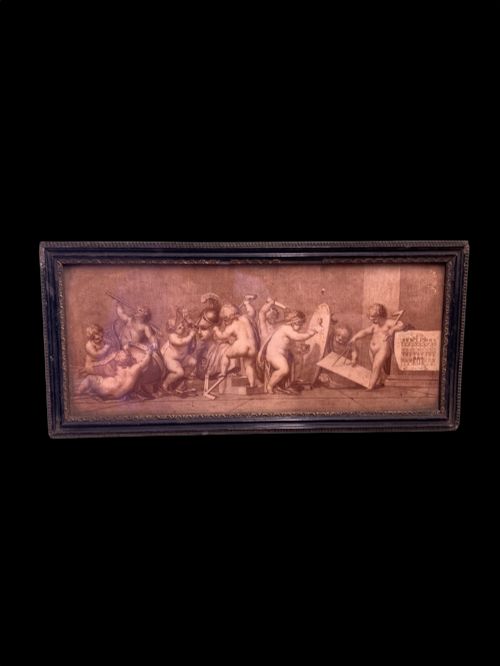


Georgian Sepia Engravings
Georgian sepia engravings capture the understated tonal grace of the eighteenth century, offering collectors a rich study in monochrome portraiture and classical subject matter.
Georgian Sepia Engravings
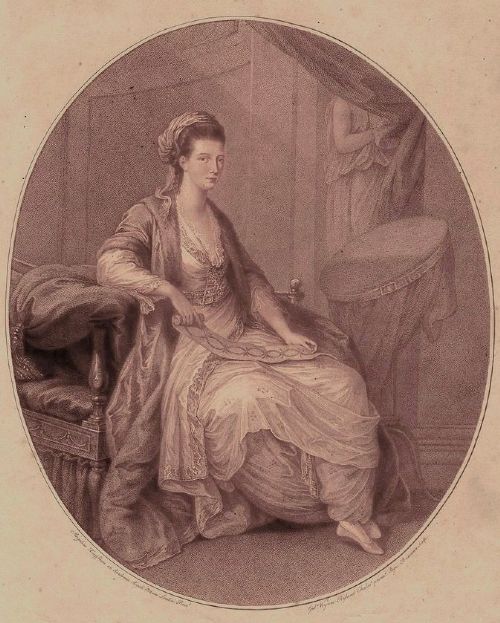
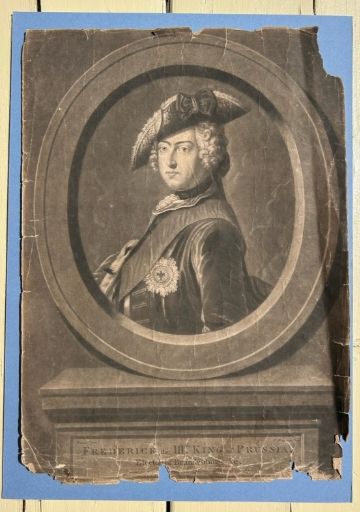
When you search for georgian sepia engravings, you are looking at works produced predominantly during the eighteenth century and the early nineteenth century. These printed sheets capture subjects ranging from classical mythology and portraiture to sporting scenes and naval officers.
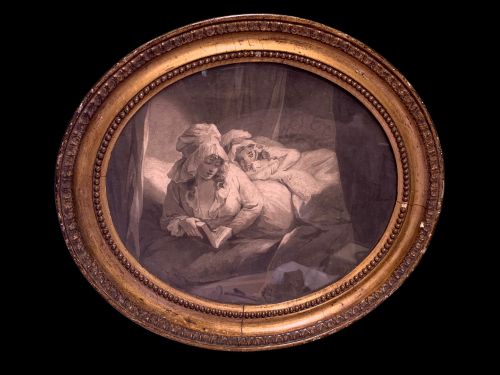
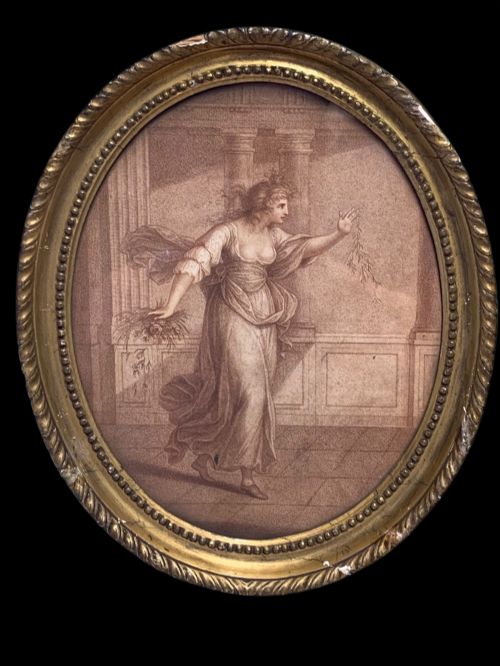
The versions you are most likely to meet on this page include eighteenth-century stipple engravings, mezzotints, and etchings framed in period wood or giltwood. Many of these survive in forms such as individual wall art, paired prints, or sets.
Originating within Georgian and Neoclassical aesthetic traditions, these works often reflect the broader artistic movements of the period, including Regency and Victorian continuations. Collectors find them in various formats, from prints on paper to delicate examples on silk.
Materials and Methods
The physical foundation of these pieces relies heavily on paper or silk as a base, combined with ink and watercolour to achieve the characteristic sepia tones. Makers utilised techniques such as stipple engraving, mezzotint, and etching to build up subtle tonal gradations.
Framing materials in the evidence include wood, giltwood, and gold leaf, often sealed with glass to protect the delicate surface of the print. These housing elements range from simple period wooden moulding to elaborate gilded frames.
Georgian Sepia Engravings Retail Price Guide 2026
Typical asking prices for georgian sepia engravings among the pieces listed under this phrase on Sellingantiques today, from the lower quarter to the upper quarter. They describe what is for sale here now, not the wider market.
Listings feature periods spanning the eighteenth century through to the Victorian era, utilising paper, silk, ink, and giltwood.
Assessing Quality
Quality in these prints rests upon the clarity of the plate impression and the richness of the ink work. Fine examples retain crisp lines in stipple or etching and deep, velvety tones in mezzotint without muddiness.
The integrity of the surrounding materials also plays a part, particularly where original period frames, glass, and gold leaf survive intact. Works executed on more unusual supports, such as silk, require careful preservation to maintain their visual strength.
Richard Houston·Antoine Pesne·John Crewe·Sir Joshua Reynolds·Claude Lorrain·John Boydell
The Georgian Sepia Engravings Glossary
- Mezzotint
- A printmaking process where the copper plate is roughened to achieve rich dark tones and subtle gradations of light. This technique allows for remarkably soft tonal transitions.
- Stipple Engraving
- A method of creating prints using dots of varying density rather than continuous lines. It became popular for rendering flesh tones and soft fabrics in eighteenth-century portraiture.
- Etching
- A technique where acid bites into a metal plate to produce lines that hold ink. Artists use this alongside other methods to define the primary outlines of a composition.
- Giltwood
- Wood carved and coated with gold leaf or metallic paint. It is commonly found on traditional frames housing Georgian and Victorian artwork.
- Neoclassical
- An artistic style drawing inspiration from the classical art and culture of ancient Greece and Rome. This aesthetic strongly influences the subject matter of many eighteenth-century prints.
Georgian Sepia Engravings: Frequently Asked Questions
What subjects do these engravings show?
The subjects range widely across eighteenth-century interests, including portraits of historical figures, mythological figures like Eros and Aphrodite, and racehorses. Other pieces depict naval officers and hunting scenes.
Many plates also record classical compositions and theatrical portraits after major painters of the period. This diversity reflects the broad visual culture accessible to collectors at the time.
How were these prints originally framed?
Period framing typically involved wood or giltwood constructions, often enhanced with gold leaf and protected by glass. These surrounds were designed to complement the monochrome palette of the print.
Surviving examples demonstrate how framing styles evolved from simple eighteenth-century mouldings into nineteenth-century variations. Original frames provide important contextual clues about the history of the piece.
How do I care for antique prints on paper?
Paper and silk works require stable environmental conditions away from direct sunlight to prevent fading of the ink and watercolour elements. Maintaining moderate humidity levels protects the organic materials from degradation.
Keeping the pieces behind glass shields them from airborne pollutants and physical handling. Professional framing using acid-free materials ensures the long-term preservation of the paper base.
How can I tell the period of an engraving?
Dating relies on stylistic markers, paper characteristics, and the specific printmaking techniques employed, such as stipple work or mezzotint. Engravings from the eighteenth century often exhibit distinct Neoclassical or Georgian design traits.
Inscriptions on the plate, including publisher details and publication dates, frequently provide definitive evidence of origin. Comparing the typography and framing style further clarifies the historical context.