







Georgian Scientific
A georgian scientific antique combines empirical precision with cabinet-maker joinery, offering a tangible link to Enlightenment discovery that anchors a desk or library.
Georgian Scientific
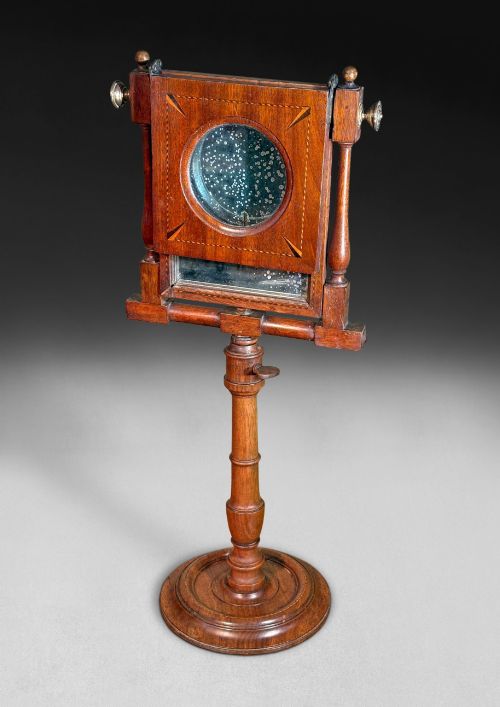
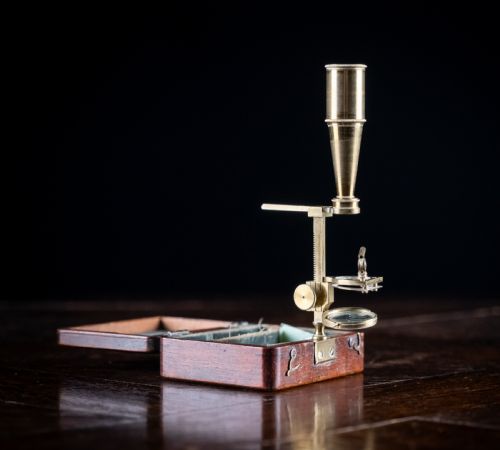
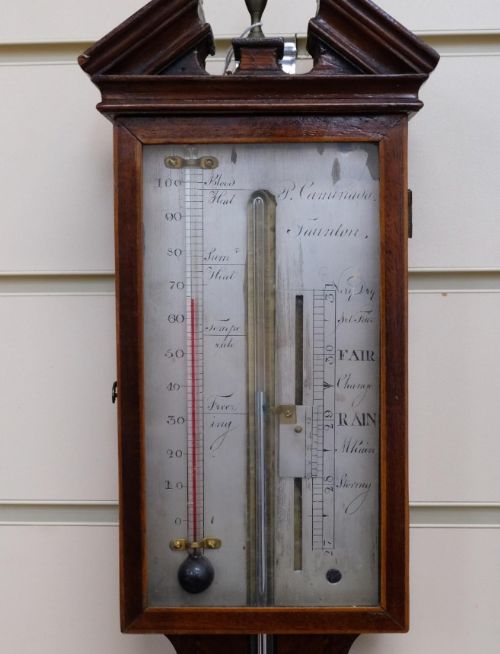
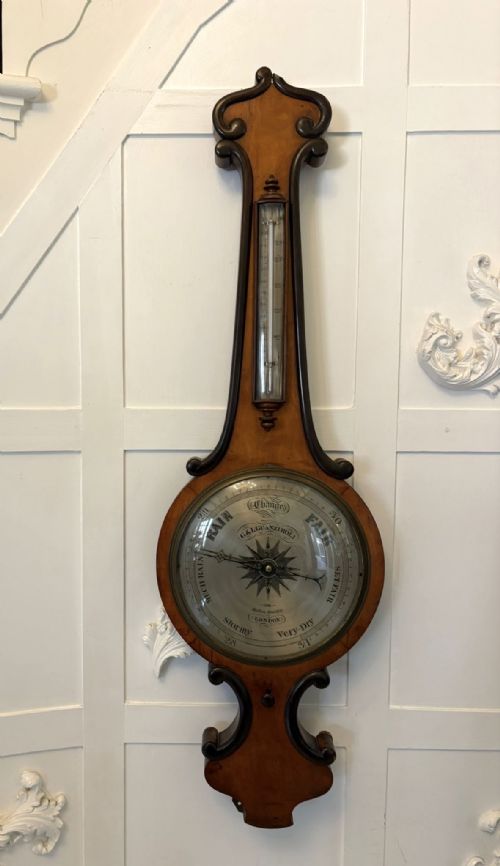
When searching for a georgian scientific antique, buyers encounter instruments designed to measure, observe, and calculate across domestic and field settings. The selection centres on barometers, telescopes, microscopes, compasses, and globes spanning the Georgian period and adjacent nineteenth-century eras.
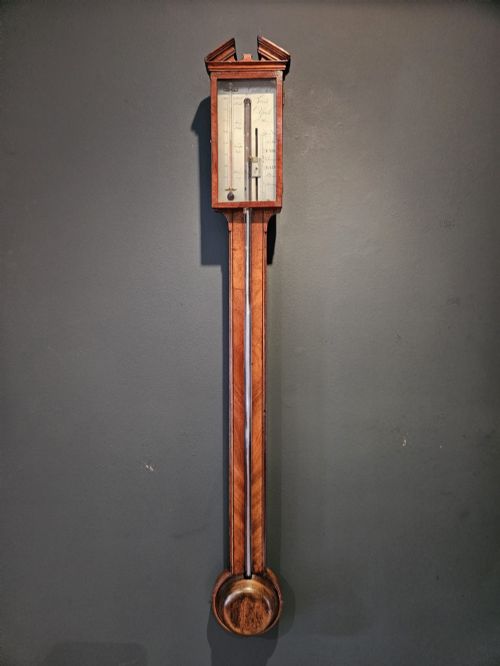
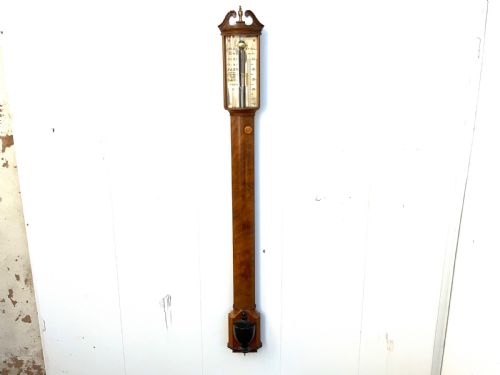
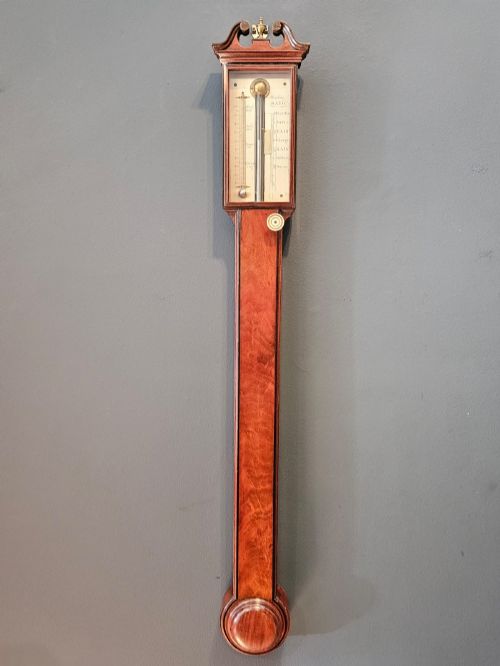
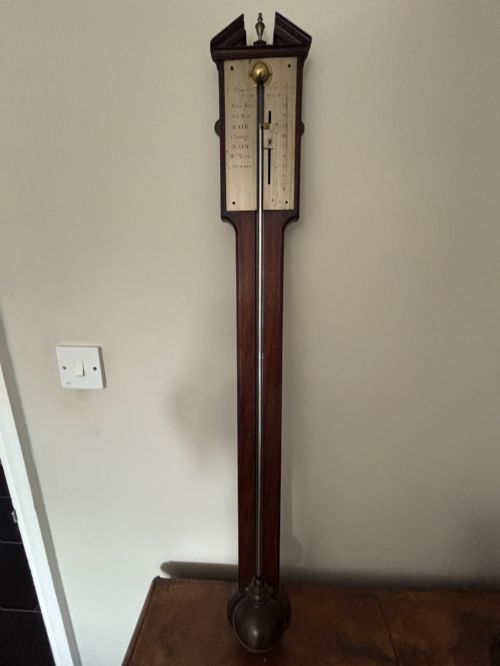
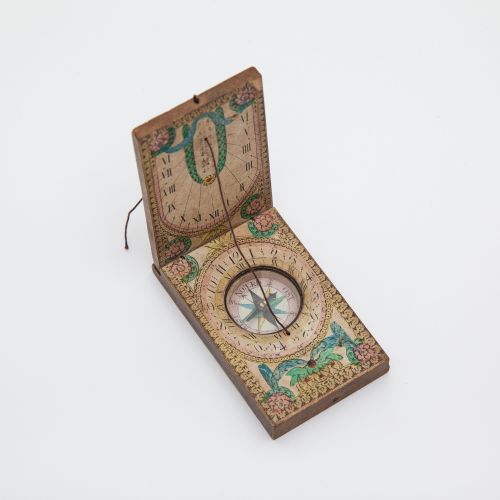
Mahogany stick barometers and brass pocket telescopes dominate the forms appearing here, alongside library globes and portable sundials. These objects served practical functions for navigators, travellers, and scholars before transitioning into decorative fixtures.
Origins trace principally to London workshops and provincial makers across England, with occasional continental prints and instruments providing context to the domestic scientific trade.
How they were made
Craftsmen built these instruments using dense hardwoods such as mahogany and rosewood for cases and frames, paired with cast brass fittings and silvered metal dials. Glass protected delicate barometer tubes and microscope lenses, while paper scaled charts, globes, and trade labels.
Makers applied hand engraving to metal scales and utilised fine woodworking techniques like parquetry and marquetry to decorate barometer trunks. Optics required ground glass and polished brass assemblies housed within protective leather or timber cases.
Georgian Scientific Retail Price Guide 2026
Typical asking prices for georgian scientific among the pieces listed under this phrase on Sellingantiques today, from the lower quarter to the upper quarter. They describe what is for sale here now, not the wider market.
Recorded periods span the Georgian era through the nineteenth century, encompassing George III and Regency design movements.
What varies in quality
Distinctions in quality rest upon the fidelity of the maker's signature, the crispness of the division engraving on brass scales, and the integrity of the timber housing. Instruments signed by prominent opticians or instrument makers command greater attention than unsigned provincial work.
The survival of original components, from mercury tubes in barometers to matching lenses in telescopes, dictates the standing of a piece. Finer examples retain their fitted leather cases, trade papers, and secondary details like bone slides or ivory verniers.
Nairne and Blunt·Cary London·W and S Jones·George Adams·Robert Brettell Bate·Dollond of London
The Georgian Scientific Glossary
- Stick barometer
- An instrument measuring atmospheric pressure via a vertical column of mercury contained in a long wooden case. These wall-mounted pieces often feature exposed ivory or brass vernier scales.
- Vernier scale
- A auxiliary sliding scale providing sub-divisions of a primary graduated scale on scientific instruments. It permits precise readings on barometers and theodolites.
- Gregorian telescope
- A reflecting telescope design utilising a small concave secondary mirror placed beyond the focus of the primary mirror. This configuration directs light back through an aperture in the main mirror to an eyepiece.
- Chondrometer
- A specialised weighing device used to determine the specific weight or quality of grain. Eighteenth-century examples often fold into compact portable wooden boxes with brass beams.
- Dioptric
- Pertaining to the refraction of light through lenses, commonly referenced in historical optical equipment. Collectors use the term when assessing early microscope and telescope assemblies.
Georgian Scientific: Frequently Asked Questions
How do I read a mercury barometer?
Observe the height of the column against the engraved scale and adjust the sliding brass indicator to touch the meniscus. Reading the secondary vernier scale reveals fractional changes in pressure.
Changes in the mercury level indicate shifting weather patterns, rising for fair weather and falling for rain or storm. Historical instruments require careful vertical mounting to function accurately.
Where were these instruments used?
Scientific instruments found places in grand estate libraries, maritime cabins, and merchant offices across the country. Portable variants accompanied explorers, surveyors, and excise officers into the field.
Domestic models sat on desks or hung in hallways to assist daily household management and intellectual study. Their dual role as tools and decorative furnishings suited polite Enlightenment interiors.
Can I display globes near sunlight?
Keep paper and pasteboard globes away from direct sunlight and high humidity to prevent fading and paper shrinkage. Prolonged exposure causes the hand-coloured cartography to discolour and crack.
Position library globes in stable interior environments away from radiators and damp exterior walls. Rotating them occasionally ensures even environmental exposure across the wooden horizon rings.