



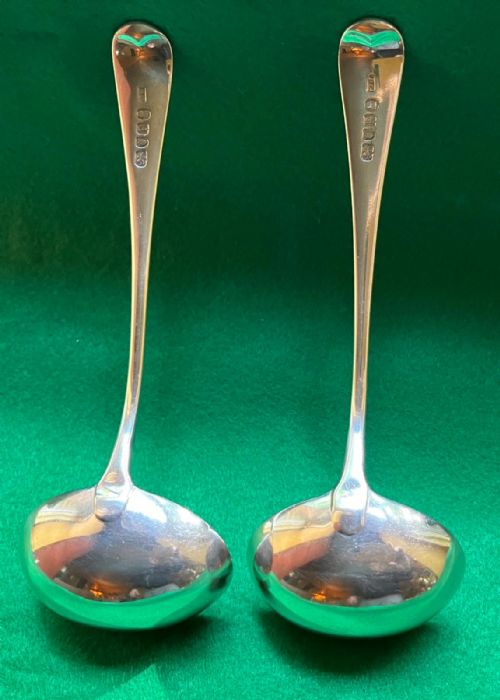

Georgian Sauce Spoon
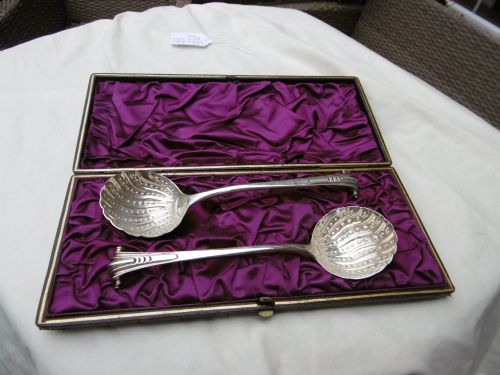
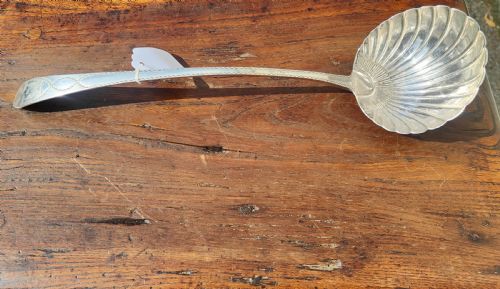
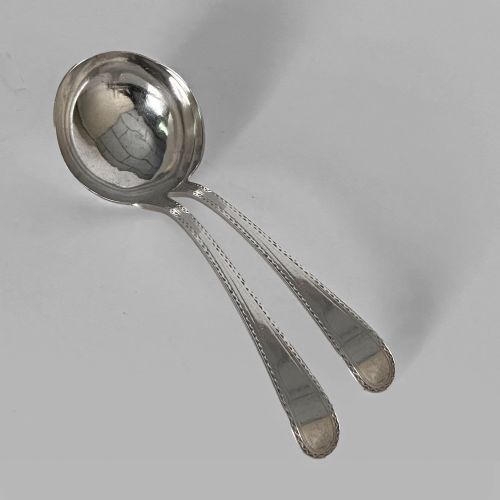
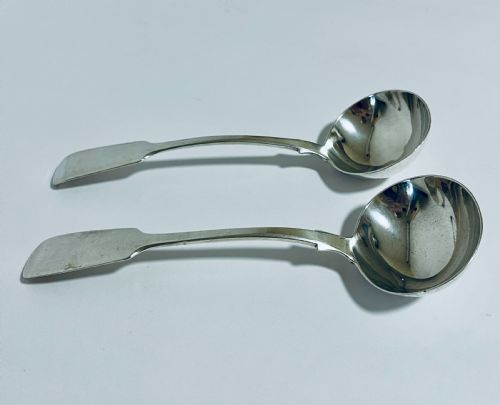
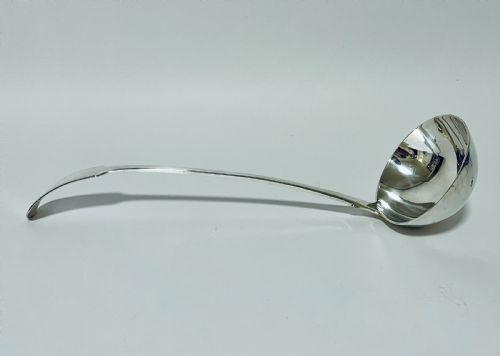
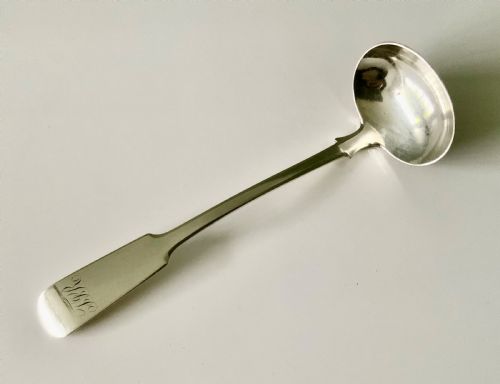
These georgian sauce spoon pieces are table silver and serving ladles from the Georgian period, offering utility and traditional craftsmanship.
Georgian Sauce Spoon
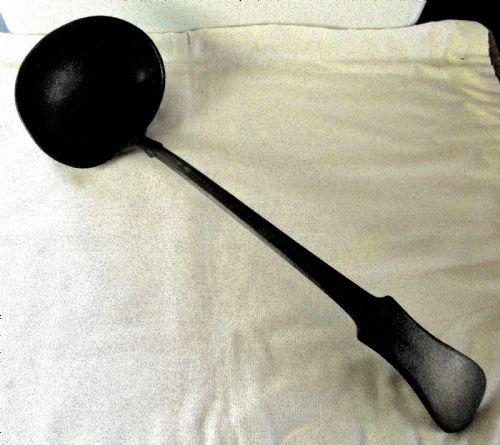
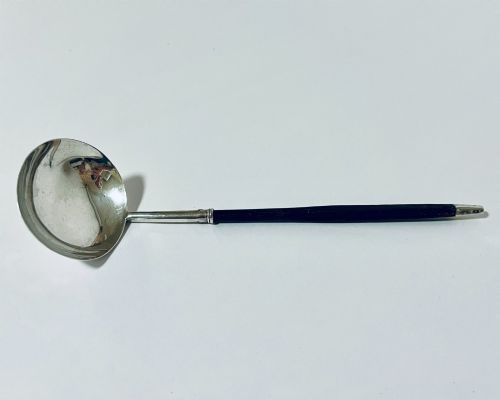
When you search for a georgian sauce spoon, you find silver and pewter ladles from the Georgian, 18th Century, and 19th Century periods. These pieces include Irish silver ladles, English pewter ladles, and Scottish provincial toddy ladles.
The forms range from single serving spoons to pairs of silver ladles and larger serving ladles. Most examples date from the Georgian era, with some extending into the Regency and Victorian periods.
Makers such as Hester Bateman, William Ferguson, and Dixon & Son appear among the listings. Collectors encounter various provincial and urban silver utensils intended for sauces, condiments, and punch.
How they were made
The listings record sterling silver, silver, pewter, wood, horn, and metal as the primary materials used in these ladles. Smiths shaped sterling silver and pewter to form the bowls and handles of condiment and sauce ladles.
Certain toddy ladles incorporate wood or horn for handles, combining metals with natural materials. Silversmiths hammered and cast the silver, adding provincial marks and maker stamps.
Georgian Sauce Spoon Retail Price Guide 2026
Typical asking prices for georgian sauce spoon among the pieces listed under this phrase on Sellingantiques today, from the lower quarter to the upper quarter. They describe what is for sale here now, not the wider market.
Listings span sterling silver, silver, wood, horn, pewter, and metal across the Georgian, 18th Century, and 19th Century periods.
What varies in quality
Quality depends on the maker, the weight of the silver, and the clarity of the provincial hallmarks. Pieces by known makers like Hester Bateman stand apart from unmarked pewter or metal pieces.
The distinction lies in the crispness of the casting, the balance of the handle, and the preservation of the original material, whether sterling silver or horn.
Hester Bateman·William Ferguson·Dixon & Son
The Georgian Sauce Spoon Glossary
- Georgian
- A historical period spanning the reigns of the Hanoverian kings. It encompasses the design styles typical of the 18th and early 19th centuries.
- Sterling Silver
- A silver alloy containing a high proportion of pure silver. It forms the primary metal for fine sauce ladles and tableware.
- Toddy Ladle
- A small serving utensil designed for dipping and serving hot punch or toddy. These often feature twisted whalebone, horn, or wooden handles.
Georgian Sauce Spoon: Frequently Asked Questions
What is a georgian sauce spoon used for?
These ladles served for portioning sauces, gravies, and condiments at the dining table during the eighteenth and nineteenth centuries.
Heavier variants like punch ladles handled beverages, while smaller condiment spoons accompanied table service.
How do I identify a Georgian ladle?
Examine the piece for period hallmarks, provincial assay marks, and maker stamps that indicate the date of manufacture.
Stylistic markers and materials such as sterling silver or pewter also point toward the Georgian era.
Are these ladles made of solid silver?
The materials vary across the inventory, with many pieces formed from sterling silver or standard silver.
Other examples utilise pewter, metal, wood, or horn, particularly in toddy ladles.
How do I care for antique silver ladles?
Store silver utensils in a dry environment and handle them gently to preserve the original metal surface and hallmarks.
Avoid harsh chemical cleaners that might damage provincial stamps or softer materials like horn and wood.