




Georgian Satinwood Display
Georgian satinwood display pieces bring together fine cabinet-making, pale timber and glass fronts to show treasured objects.
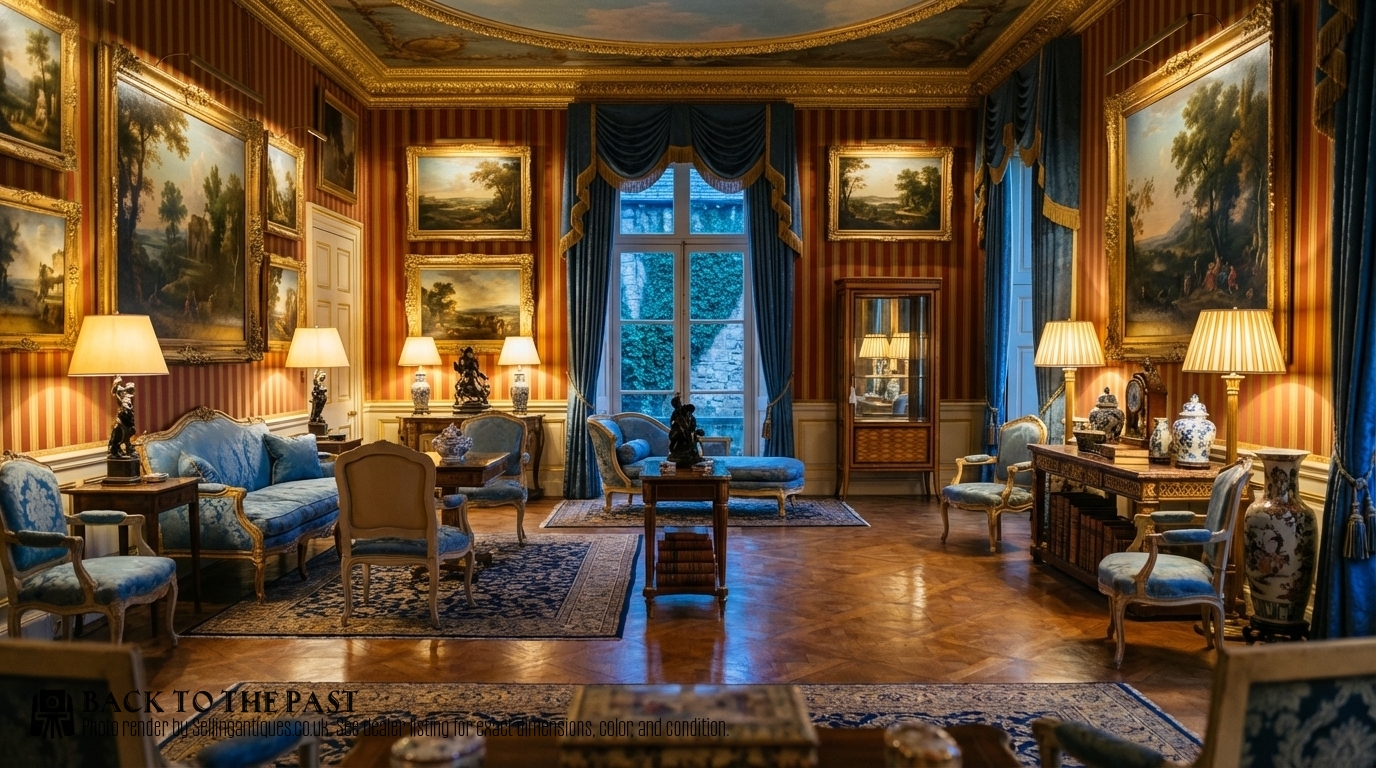
Georgian Satinwood Display
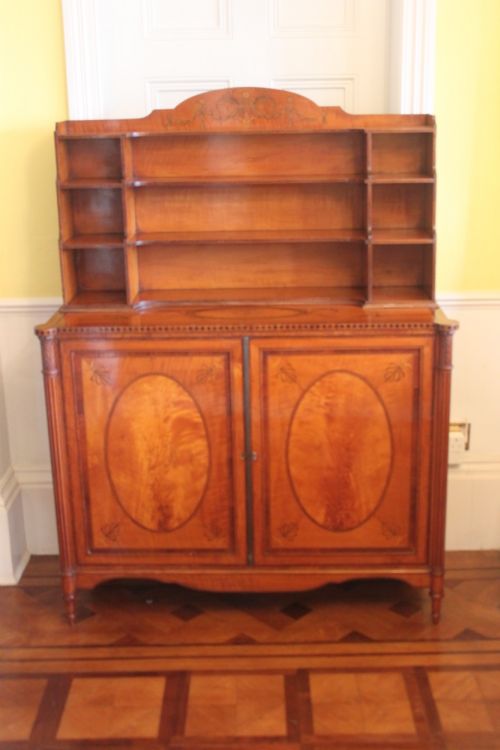
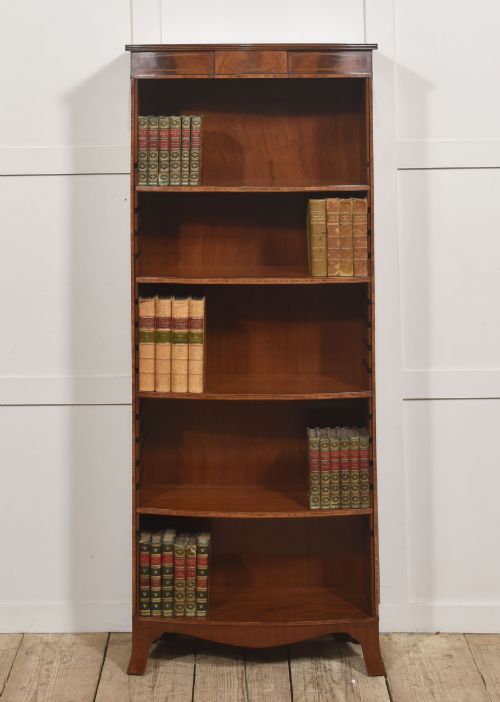
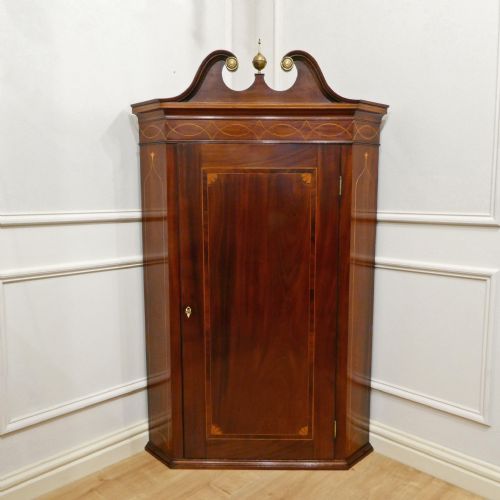
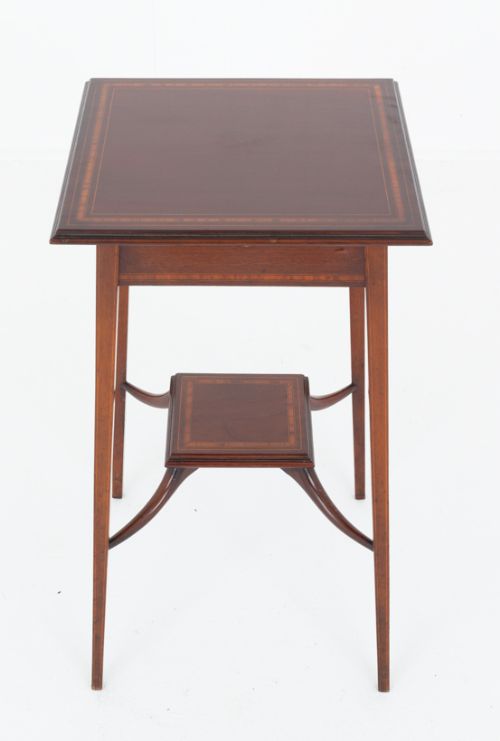
Georgian satinwood display cabinets, bookcases and secretaire cabinets form the core of this group, alongside corner cupboards and occasional tables. Buyers seeking georgian satinwood display options will find items ranging from eighteenth-century originals to later Sheraton Revival interpretations.
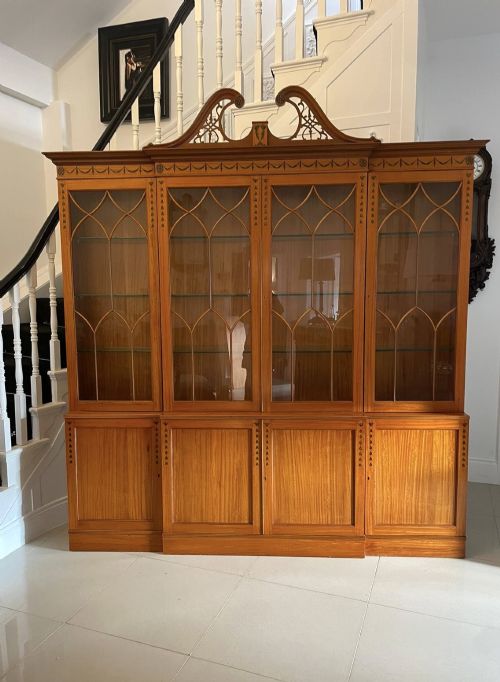
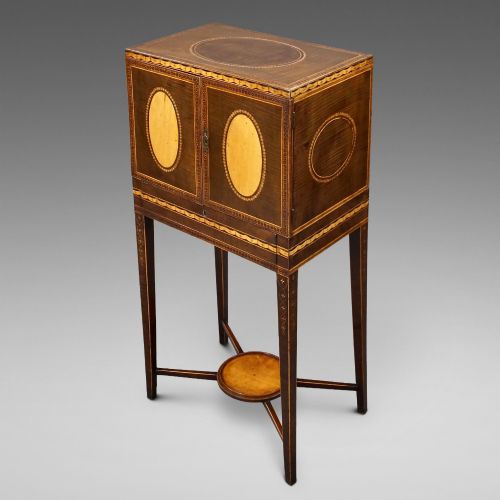
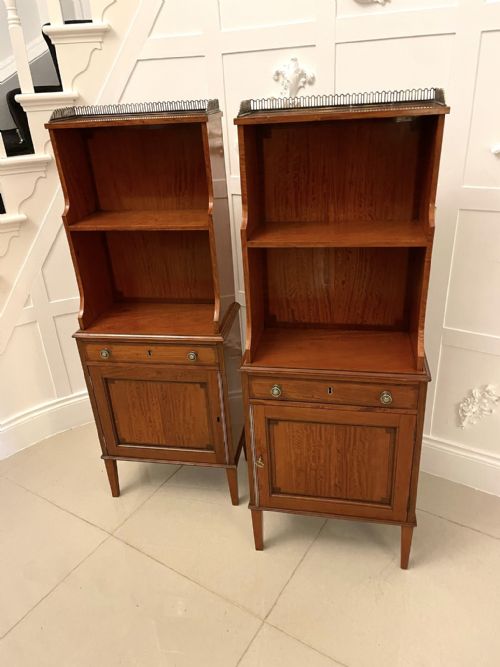
The selection includes breakfront bookcases, cabinets on stand and hanging shelves, utilising satinwood alongside mahogany, harewood and boxwood. Pieces often feature glazed doors, glass panels and painted decoration that display books and porcelain.
Origins stretch from the Georgian and George III periods through the nineteenth century to Edwardian revivals around nineteen-ten. The historical scope connects eighteenth-century cabinet-making with later revival pieces sharing similar timber and inlay.
How they were made
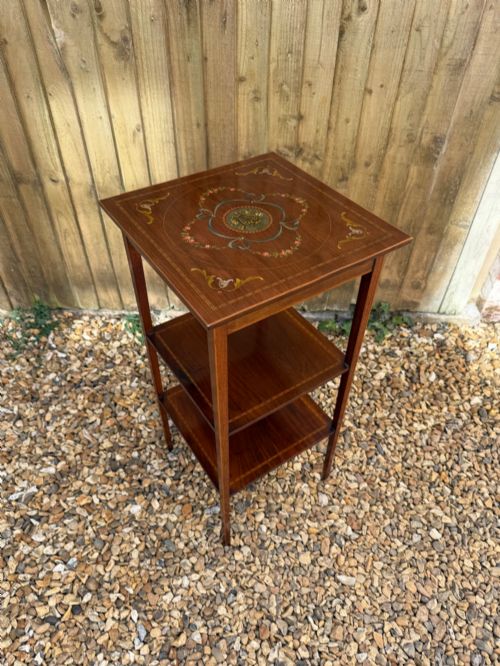
Cabinet-makers constructed carcases using timbers like mahogany and satinwood, applying veneer and intricate marquetry or parquetry in boxwood and harewood. Surface decoration frequently incorporates original painted details and delicate satinwood inlay.
Glass doors utilise brass fittings and glazing bars to frame the contents securely. Construction methods combine traditional joinery with detailed inlay work characteristic of Sheraton and Neoclassical styles.
Listings feature pieces spanning the eighteenth, nineteenth and early twentieth centuries, utilising satinwood, mahogany, brass and glass.
What varies in quality
The refinement of the marquetry and the choice of timber grain separate standard items from superior pieces. Crisp inlay work, well-figured satinwood and balanced proportions define better examples across both eighteenth-century and revival periods.
Original painted decoration and untouched brass hardware elevate a piece significantly. The precision of the joinery and the clarity of the glass panels further distinguish finer cabinets.
Gillows·Shoolbred of London·Edwards & Roberts
The Georgian Satinwood Display Glossary
- Satinwood
- A hard, dense timber with a lustrous, golden sheen used extensively for fine veneer and inlay. It forms the primary visual surface on many eighteenth-century and revival cabinets.
- Marquetry
- The art of applying pieces of veneer to a structure to form decorative patterns and pictures. Craftsmen used contrasting woods like boxwood and harewood to create floral and geometric designs.
- Breakfront
- A piece of furniture where the central section projects forward from the flanking sides. This architectural form adds depth and visual interest to large bookcases and display cabinets.
- Secretaire
- A cabinet incorporating a fitted writing drawer with a drop-front desk. These pieces combine the function of a bookcase with a concealed writing surface.
- Parquetry
- A geometric mosaic of wood pieces used for decorative floors and cabinet surfaces. It creates orderly repeating patterns across panel doors and tabletops.
Georgian Satinwood Display: Frequently Asked Questions
What is a satinwood breakfront bookcase?
A satinwood breakfront bookcase is a large cabinet featuring a central section that projects forward, constructed with pale satinwood veneers and often glazed doors.
These pieces were designed to store libraries while displaying decorative items behind glass panels in formal rooms.
How do I date a satinwood display cabinet?
Dating relies on examining the underlying construction timber, the style of the inlay, and hardware details like brass handles. Eighteenth-century pieces show different timber preparation compared to Edwardian Sheraton Revival examples.
Cabinet proportions and stylistic references to Neoclassical or George III designs provide further clues to the period of manufacture.
Where should I place a display cabinet?
Display cabinets suit principal reception rooms, libraries or dining spaces where controlled lighting protects the contents. Keeping them away from direct sunlight preserves the golden tone of the satinwood veneer.
Ensure the floor is level so the glazed doors hang true and close evenly against the frame.
What is the difference between satinwood and mahogany?
Satinwood is a pale, golden timber with a reflective grain that catches the light, whereas mahogany is a deeper reddish-brown hardwood. Many cabinets combine both timbers, using mahogany for the main carcase and satinwood for decorative veneers.
This combination creates strong visual contrast popular in Sheraton and revival furniture.