




Georgian Royal Painting
A georgian royal painting brings monarchs, maritime scenes and heraldry into focus through the enduring records of oil, canvas and glass.
Georgian Royal Painting
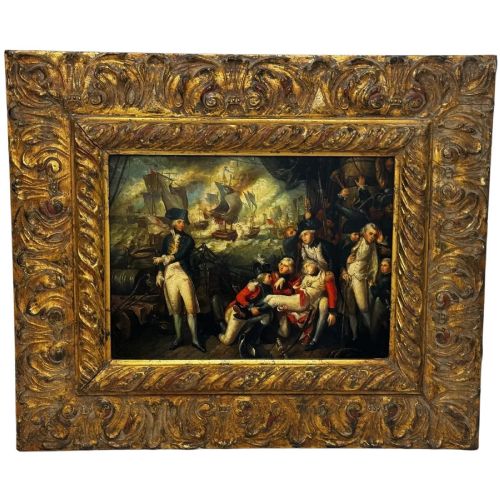
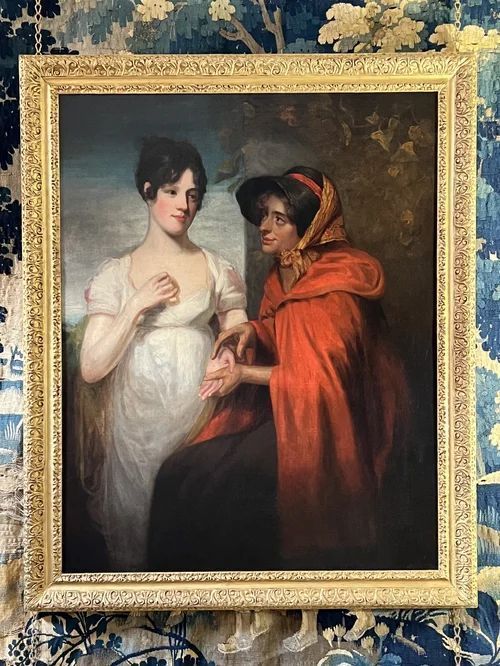
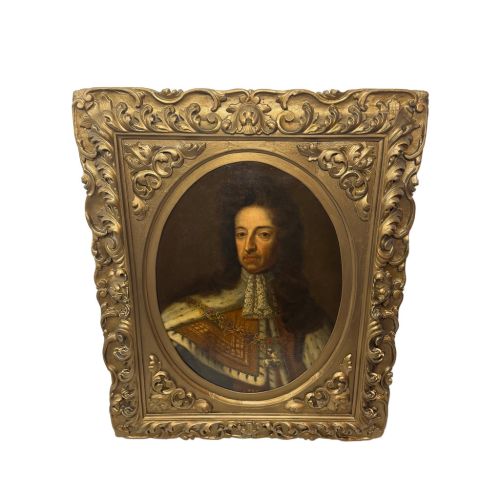
A georgian royal painting encompasses portraiture, maritime canvases and painted armorial plaques depicting sovereigns, officers and historic vessels. These works capture the visual language of monarchy and statecraft across the eighteenth and nineteenth centuries.
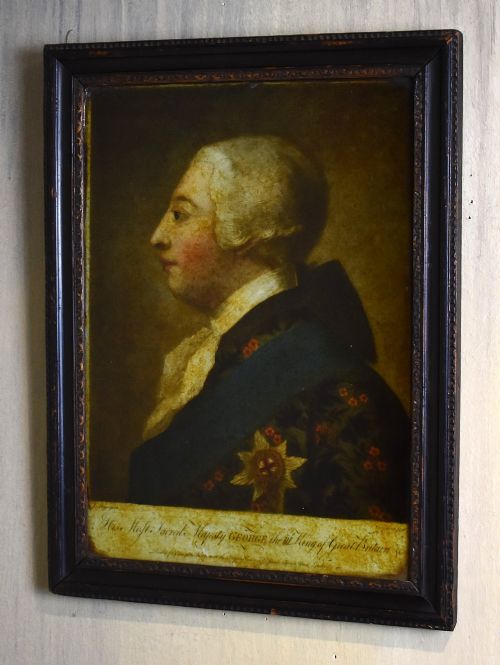
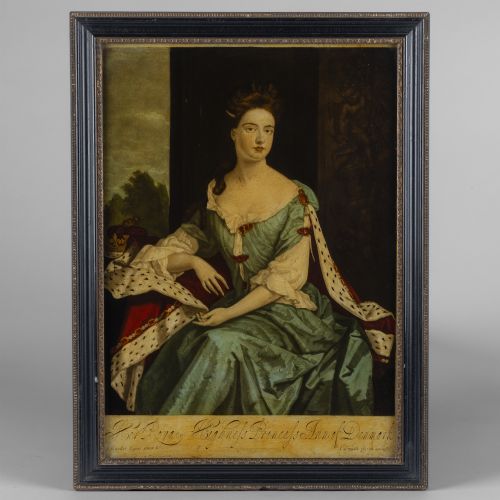
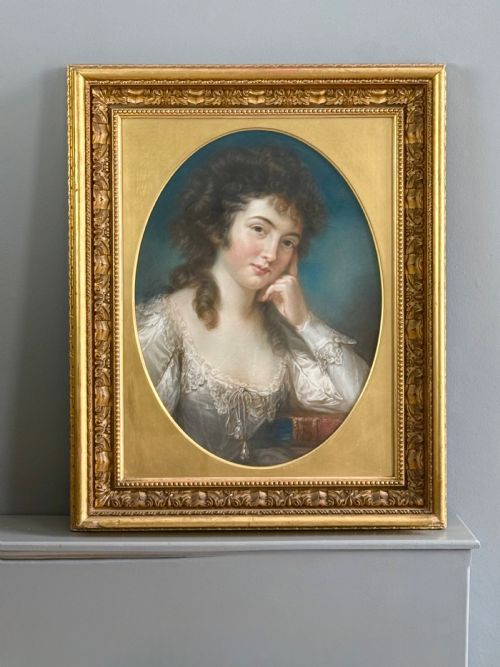
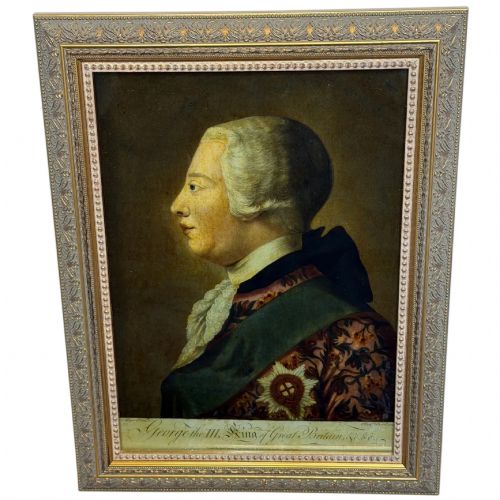
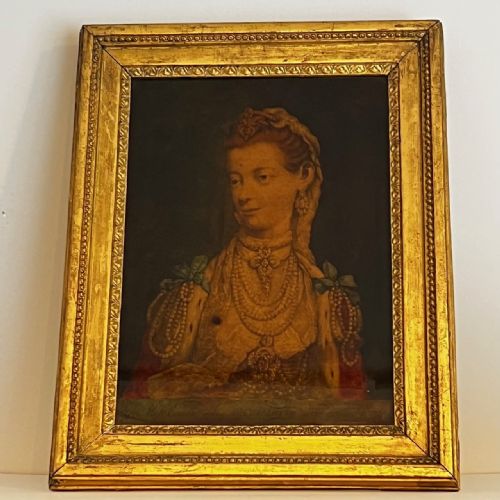
The selection ranges from intimate pastel portraits and reverse glass prints to large oil paintings on canvas and carved armorial crests. Works featuring monarchs such as King George III or Queen Charlotte dominate the examples found here.
Portraits of naval commanders, royal regiments and coaching scenes form a substantial part of the genre. These pieces reflect the public and military pageantry of the Georgian and Regency periods.
How they were made
Artists utilised oil paint on stretched canvas alongside watercolours on paper and pastels for detailed portraiture. Reverse glass printing offered a distinct technique where images were painted directly onto glass panels.
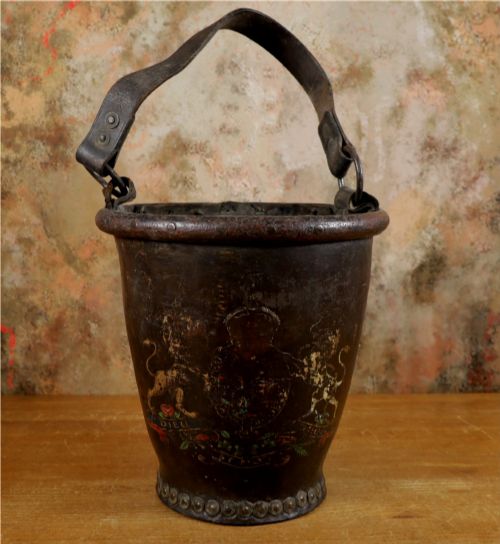
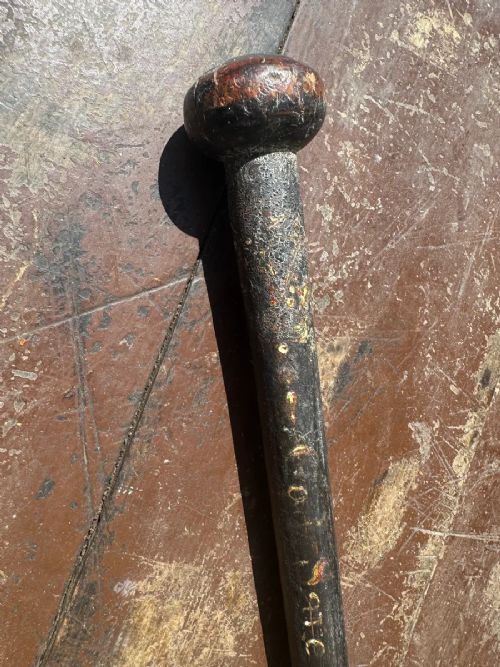
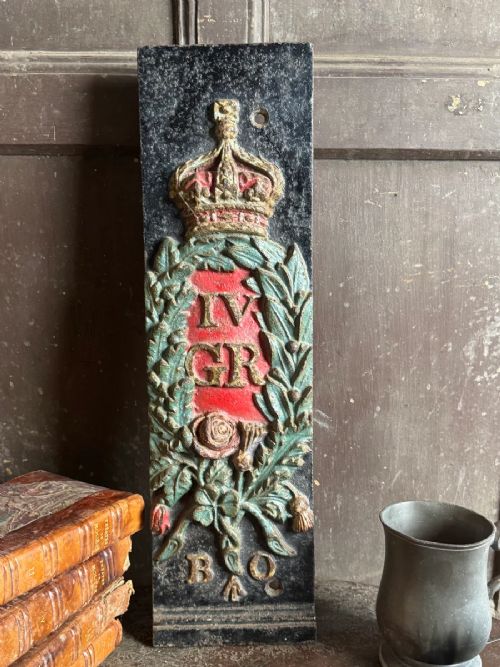
Substantial wood panels, leather fire buckets and cast iron architectural plaques served as grounds for hand-painted coats of arms and inscriptions. Gold leaf frequently highlighted carved armorial crests and framed presentations.
Georgian Royal Painting Retail Price Guide 2026
Typical asking prices for georgian royal painting among the pieces listed under this phrase on Sellingantiques today, from the lower quarter to the upper quarter. They describe what is for sale here now, not the wider market.
Listings incorporate items spanning the seventeenth to the twentieth centuries, utilising oil paint, canvas, glass, leather and carved wood.
What varies in quality
Handwritten inscriptions, artist signatures and documented attributions elevate specific works above unsigned studio output. Superior pieces retain clear provenance connecting the subject to royal service or notable regiments.
John Russell R.A.·John Opie R.A.·Richard Purcell·Samuel Owen·Joseph Farrington RA·Samuel Henry Alken·Henry Pierce Bone·William Owen RA·Kershaw Schofield·Edward Bird R.A.·Henry Walton·Samuel Lane·George Dawe
The Georgian Royal Painting Glossary
- Reverse glass print
- An image painted or transferred onto the reverse side of a glass sheet to be viewed from the front. This technique produced glossy, vibrant royal portraits popular in the Georgian era.
- Armorial crest
- A heraldic design displaying a coat of arms or family symbols. These were carved into wood or painted on leather and iron to denote royal patronage.
- Portrait miniature
- A small, highly detailed painting executed on ivory, vellum or card. These portable likenesses often depicted military officers and members of the royal family.
- Mezzotint
- A printmaking process of the tonal engraving family which allows smooth gradations of light and shade. Richard Purcell utilised this method for royal subjects.
Georgian Royal Painting: Frequently Asked Questions
What is a reverse glass print?
A reverse glass print is an artwork painted directly onto the back of a glass pane. When viewed from the front, the glass provides a glossy protective surface.
This method created vibrant portraits of figures like Queen Charlotte and King George III. The technique required the artist to paint fine details first before adding background layers.
How do I identify a Georgian portrait?
Georgian portraits often feature sitters in period attire such as powdered wigs, high-collared coats or military uniforms. The clothing styles and hairstyles provide reliable chronological markers.
Many works include painted ovals or square canvas formats typical of eighteenth-century British portraiture. Framing and accompanying inscriptions further anchor the piece to this era.
Were these paintings made for public display?
Some royal paintings and armorial plaques served municipal or military functions, such as board of ordnance plaques and fire buckets. Others were commissioned for private homes to demonstrate loyalty to the crown.
Domestic spaces frequently housed smaller glass prints and miniatures. Large oils on canvas usually hung in civic buildings or estate reception rooms.
How should I care for oil paintings on canvas?
Keep canvas paintings away from direct sunlight and stable environmental humidity to prevent paint cracking. Gentle dusting with a soft, dry brush maintains the surface.
Avoid using liquid cleaners or touching the pigment directly. Professional conservators should handle any structural repairs to the canvas or wooden stretcher.