

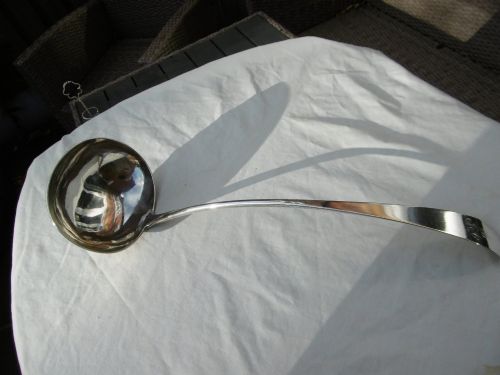
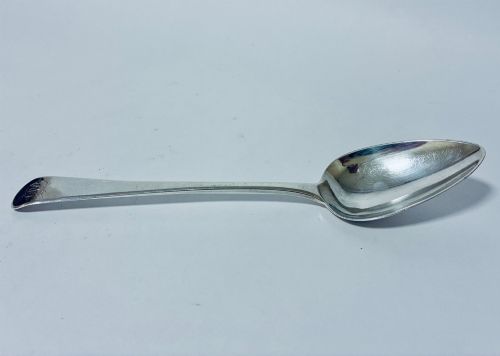
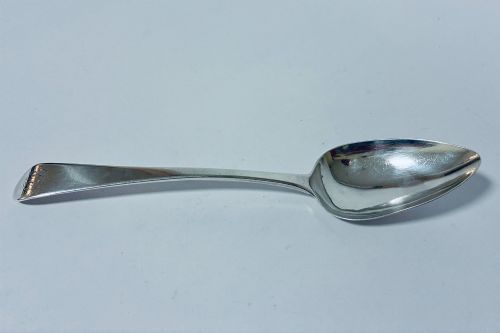
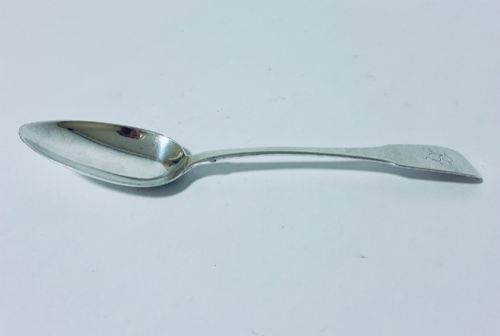



Georgian Provincial Silver Spoon
A georgian provincial silver spoon brings regional character and heavy sterling silver craftsmanship straight to the table from historic British assay towns.
Georgian Provincial Silver Spoon
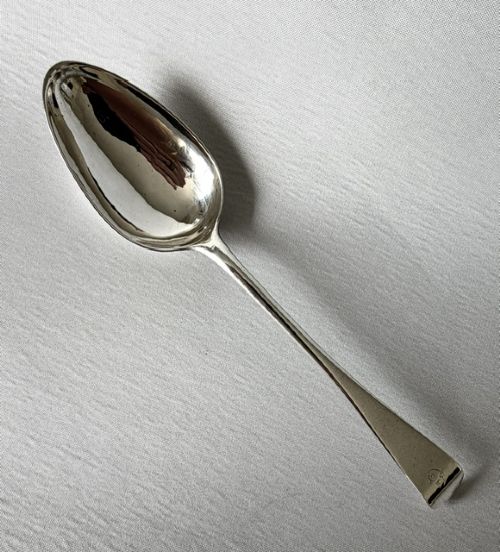
When you search for a georgian provincial silver spoon, you are looking at functional tableware and cutlery forged outside London in regional centres across Britain. The pieces on this page span the Georgian, 18th Century, and Victorian periods, including styles from George I to George III.
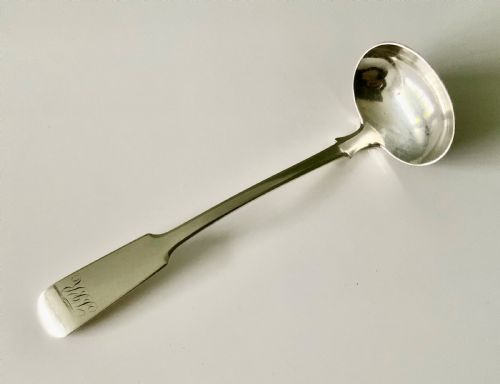
You are most likely to meet larger serving pieces like soup ladles and basting spoons, alongside smaller items such as caddy spoons, mustard spoons, toddy ladles, and condiment spoons. Scottish provincial makers from towns like Inverness, Elgin, Glasgow, and Aberdeen feature strongly alongside English provincial hubs like Newcastle and Exeter.
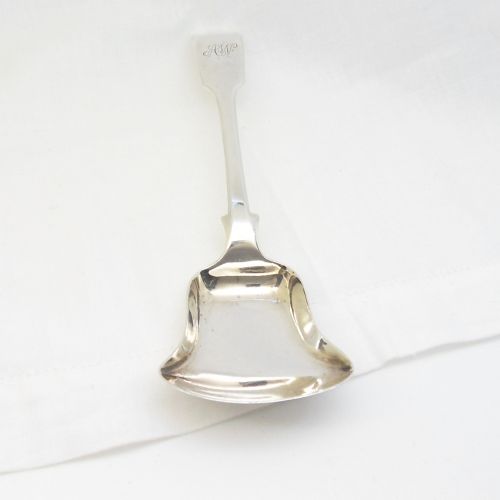
The forms range from heavy soup ladles weighing over two hundred grams down to delicate sugar shovels and tea caddy spoons. Many carry specific regional marks that distinguish them from standard capital output, grounding each piece in a distinct local tradition.
Materials and construction
These items are fashioned primarily from sterling silver and silver, with occasional horn elements appearing in the broader category of cutlery and flatware. The metal was beaten, cast, and shaped into robust forms designed to withstand heavy daily use.
Makers utilised traditional hammering and melting techniques to create sturdy structures like rat tail tablespoons and large serving spoons. Assay marks and maker stamps were then punched directly into the silver by hand, recording the origin and smith.
Georgian Provincial Silver Spoon Retail Price Guide 2026
Typical asking prices for georgian provincial silver spoon among the pieces listed under this phrase on Sellingantiques today, from the lower quarter to the upper quarter. They describe what is for sale here now, not the wider market.
Some provincial mustard spoons are so small they make regular dessert spoons look like giant ships sailing beside rowing boats.
Qualities that distinguish the pieces
The standard of a georgian provincial silver spoon rests on the clarity of its regional hallmarks and maker stamps. Crisp, legible marks left by provincial smiths anchor the provenance and elevate the standing of the piece.
Weight and balance also define the upper tier, seen in heavy soup and basting spoons that retain their original gauge of metal without excessive wear to the bowl or stem. Substantial form combined with distinct local styling separates standard utility flatware from notable collector items.
Milne and Campbell·John Walton·William Ferguson·James Tait·Jamieson and Naughton·John Robertson II and John Walton
The Georgian Provincial Silver Spoon Glossary
- Rat tail
- A strengthening tongue of metal running down the back of the bowl from the stem, common on early pieces.
- Basting spoon
- A large utensil designed for spooning juices over meat during roasting, often found in Scottish provincial styles.
- Caddy spoon
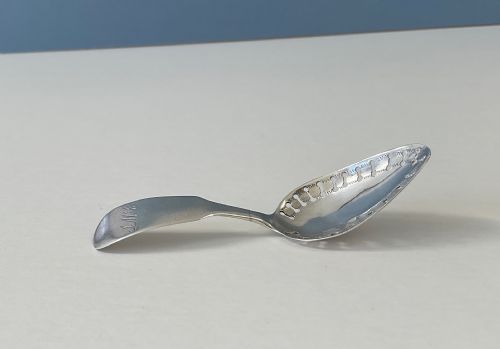
- A small scoop specifically made for measuring loose tea leaves from a caddy into a pot.
- Hallmark
- Official stamps punched into precious metals to indicate standard of purity, place of origin, and date.
Georgian Provincial Silver Spoon: Frequently Asked Questions
How do I identify a regional mark?
Regional marks usually consist of a maker's initials combined with town marks or pseudo-hallmarks unique to a specific location.
Studying these stamps helps link a piece to centres such as Newcastle, Exeter, or Inverness.
What were caddy spoons used for?
Caddy spoons were utilised to measure dry tea leaves from storage containers into porcelain teapots.
Their short handles and wide bowls made them ideal for reaching into small tea caddies.
How do I care for antique silver?
Antique silver benefits from gentle washing in warm soapy water followed by careful drying with a soft cloth.
Avoid harsh abrasive cleaners that can wear away historic hallmarks and delicate surface details.