



Georgian Provincial Furniture
Georgian provincial furniture brings domestic utility and regional character into a room through honest craftsmanship and local materials.
Georgian Provincial Furniture
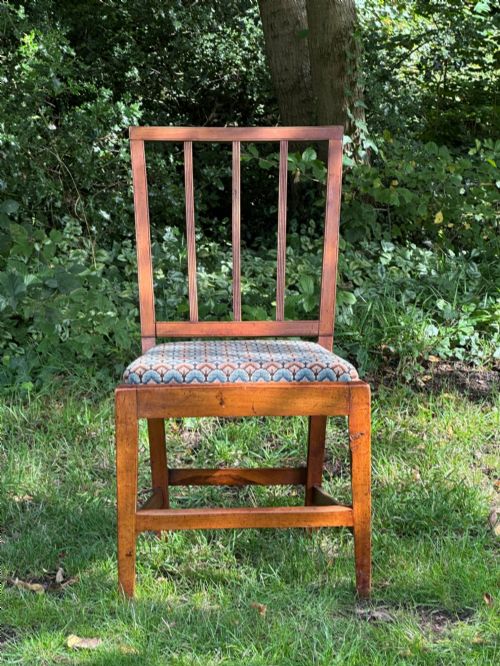
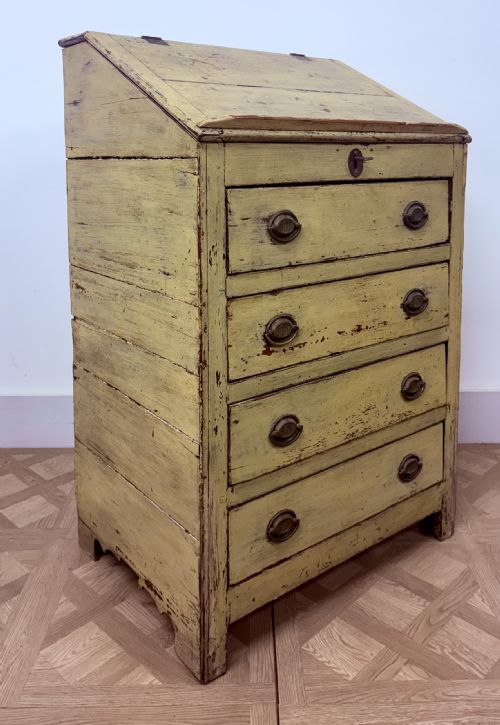
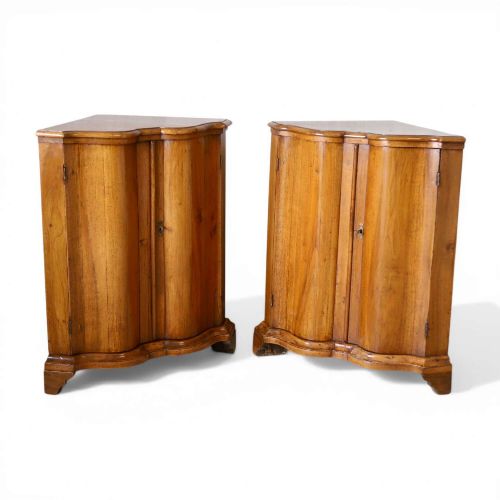
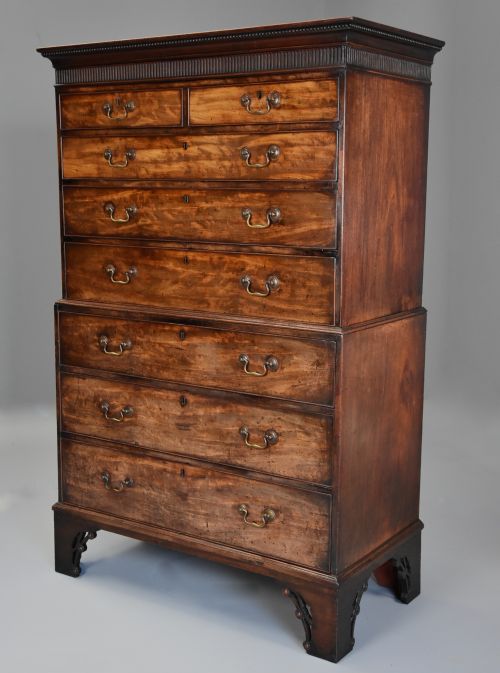
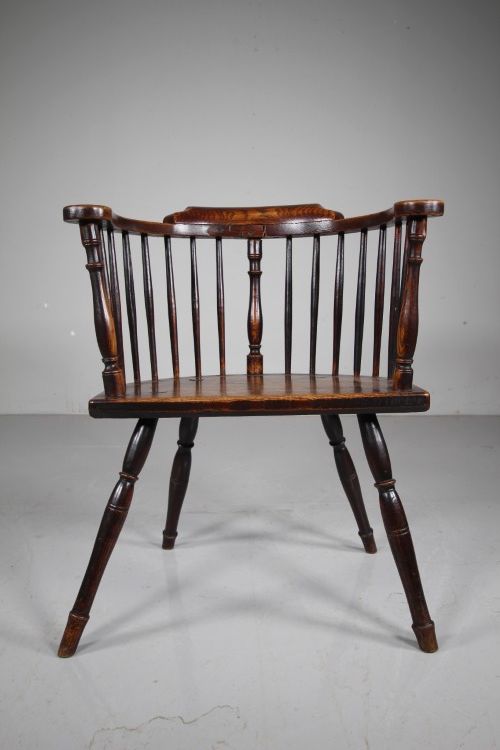
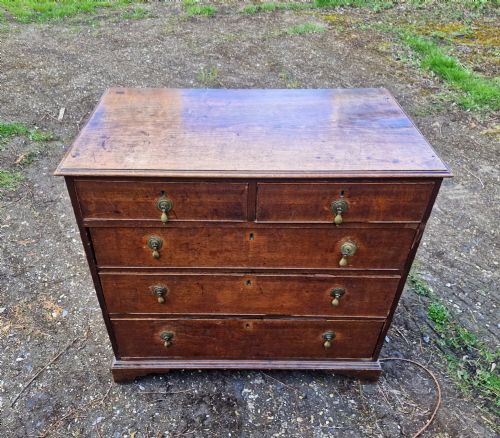
Georgian provincial furniture comprises practical household items made outside metropolitan centres during the eighteenth and nineteenth centuries. Buyers encounter forms ranging from robust oak dressers and joint stools to elm armchairs and walnut chests of drawers.
The regional origins vary widely, spanning English counties, Scottish workshops, Welsh valleys, and continental regions such as France, Germany, and Italy. These pieces reflect local timber supplies and traditional rural building methods rather than courtly London fashions.
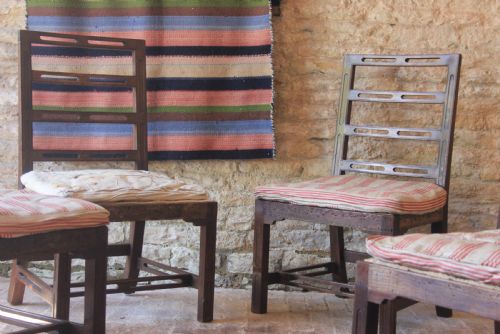
Most examples serve everyday storage or seating needs, including side tables, lowboys, cupboards, and benches. Their straightforward utility suits modern interiors seeking warmth and historical substance.
What Varies in Quality
The depth of timber patina and surface preservation distinguish superior examples from ordinary ones. Pieces retaining their original unblemished finish and honest signs of age command greater appreciation.
Structural integrity and regional idiosyncrasies dictate the success of a piece. Well-proportioned forms with uncompromised local character demonstrate the maker's practical skill.
Listings feature eighteenth-century and nineteenth-century pieces constructed from oak, elm, walnut, pine, and mahogany.
The Georgian Provincial Furniture Glossary
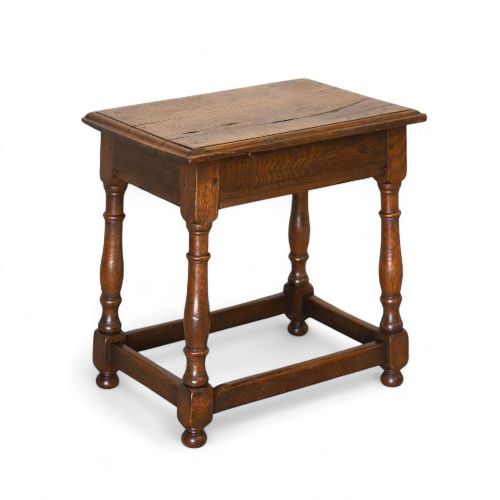
- Joint stool
- A sturdy wooden stool constructed with mortise and tenon joints pegged together. These items served multiple household purposes in the eighteenth century.
- Lowboy
- A small side table featuring one or more rows of drawers beneath the top surface. They often functioned as dressing tables or auxiliary surfaces in provincial homes.
- Dresser
- A large kitchen or dining room furnishing combining lower cupboards or drawers with upper shelving. Regional Welsh and English examples display distinctive panel work and proportions.
- Commode
- A low cabinet or chest of drawers designed for bedroom use. Provincial versions frequently utilise solid elm, oak, or walnut.
- Patina
- The surface sheen and colour developed by wood over centuries of handling and polishing. Exceptional patina indicates long-term care and minimal harsh restoration.
Georgian Provincial Furniture: Frequently Asked Questions
Where was provincial furniture made?
These items originated in rural workshops, country houses, and provincial towns across Britain and continental Europe. Makers used locally sourced timbers to supply regional households.
Items reflect the specific domestic traditions of areas such as Wales, Scotland, and the English West Country, differing distinctively from metropolitan urban outputs.
What woods are most common?
Oak is the predominant timber found in these regional pieces, particularly for dressers, cupboards, and tables. Elm and walnut also appear frequently in seating and chests.
Makers occasionally utilised pine, birch, fruitwood, and paint finishes depending on local resources and continental regional styles.
How do I style a country dresser?
A provincial dresser anchors a kitchen, dining room, or hallway by providing display space for ceramics alongside enclosed storage. Its warm timber tones pair effectively with neutral walls.
Allow the natural grain and historical wear to stand out without overcrowding the surrounding space with competing decorative elements.
How can I tell the period?
Dating relies on construction methods, timber choice, and stylistic cues linked to the eighteenth and nineteenth centuries. Regional pieces often retain conservative designs long after urban tastes shifted.
Examining the drawer linings, fixings, and wear patterns helps establish whether a piece belongs to the Georgian era or later Victorian periods.