





Georgian Portrait Locket
A georgian portrait locket holds a painted face close to the heart, combining intimate portraiture with wearable gold and glass.
Georgian Portrait Locket
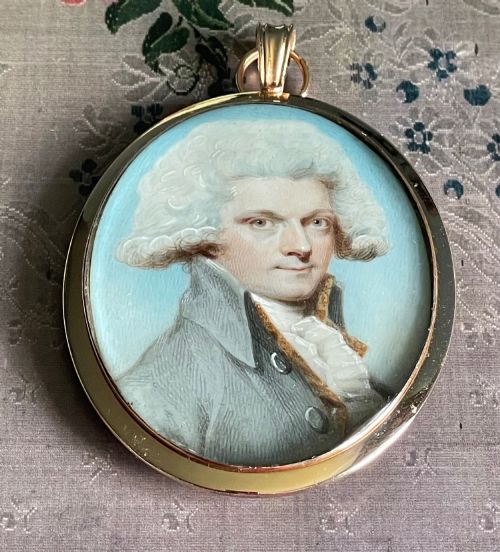
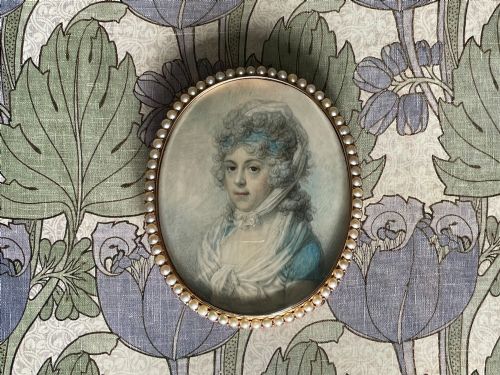
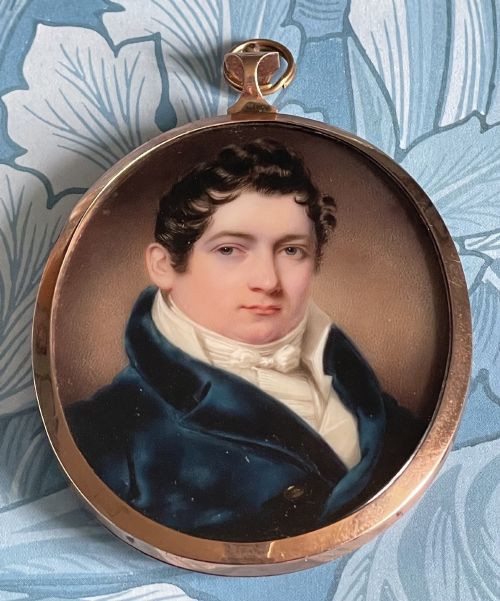
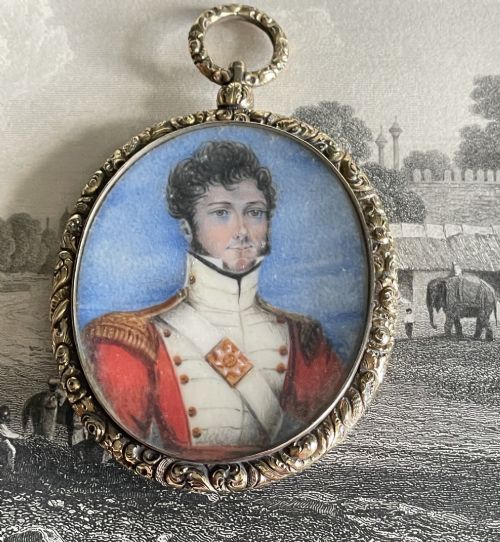
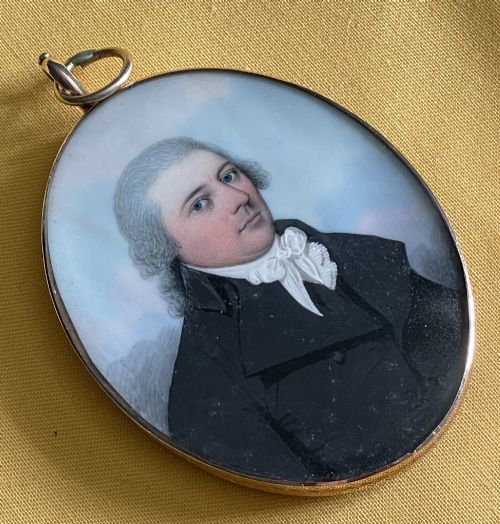
A georgian portrait locket is a miniature painting set within a pendant frame designed to be worn against the body. These small works of art capture real faces from the eighteenth and early nineteenth centuries.
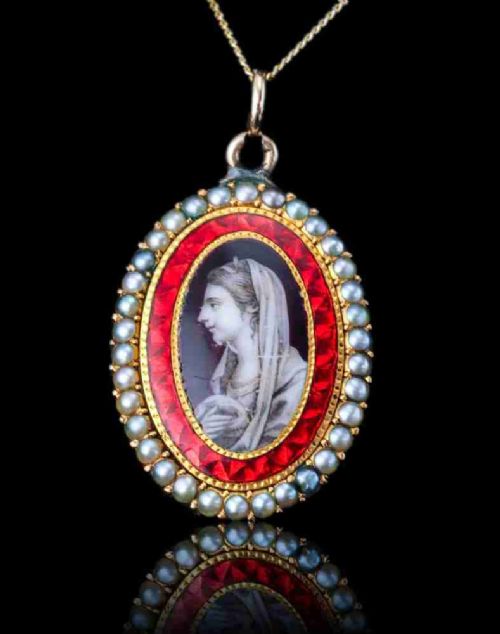
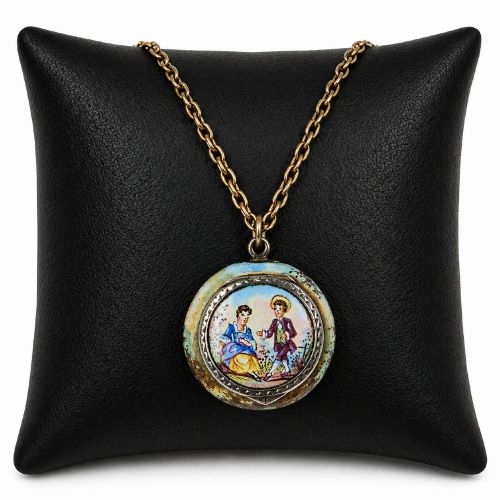
The pieces on this page appear primarily as gold or gilt metal pendants and necklace fittings. Many combine a detailed painted likeness on one side with braided hair or initials beneath glass on the reverse.
How they were made
Artists painted likenesses using watercolour on ivory, vellum, or agate panels, alongside enamel and pigment applications. These delicate mediums required steady hands and microscopic brushes to achieve lifelike depth.
Craftsmen mounted the miniature paintings into frames fashioned from gold, gilt metal, or silver. Glass protected the fragile painted surfaces while pearl settings and sepia tones occasionally completed the composition.
Georgian Portrait Locket Retail Price Guide 2026
Typical asking prices for georgian portrait locket among the pieces listed under this phrase on Sellingantiques today, from the lower quarter to the upper quarter. They describe what is for sale here now, not the wider market.
Captain Claridge and Sir William Barnard stare out from these gold frames, still holding their military posts after centuries.
What varies in quality
Quality rests upon the skill of the brushwork and the precision of the facial expression. Master painters captured light, shadow, and personality in miniature, whereas lesser hands produced stiff or flat likenesses.
The integrity of the frame and the mounting materials also dictate the standing of a piece. Substantial gold work and intact protective glass maintain the original character better than replacement parts or heavy wear.
Henry Bone ARA·Charles Shirreff·Richard Cosway·John Miers·John C D Engleheart·Charles Hayter·Christian Friedrich Zincke·Nicolas Freese·Elizabeth Hudson·George Engleheart·James Ferguson·Emma Kendrick·Henry Jacob Burch·John Inigo Wright·Edward Pugh·Samuel Cotes·Isaac Wane Slater·AE Chalon·John Barry
The Georgian Portrait Locket Glossary
- Miniature painting
- A small-scale portrait created with fine pigments on ivory, vellum, or card. These works rely on stippling and fine hatching rather than broad brushstrokes.
- Sepia
- A brownish pigment derived from the ink sac of the cuttlefish. Artists used this monochrome medium to render shaded portraits in warm brown tones.
- Gilt metal
- A base metal treated with a thin layer of gold to give the appearance of solid precious metal. This material offered a durable frame for pendants without the expense of pure gold.
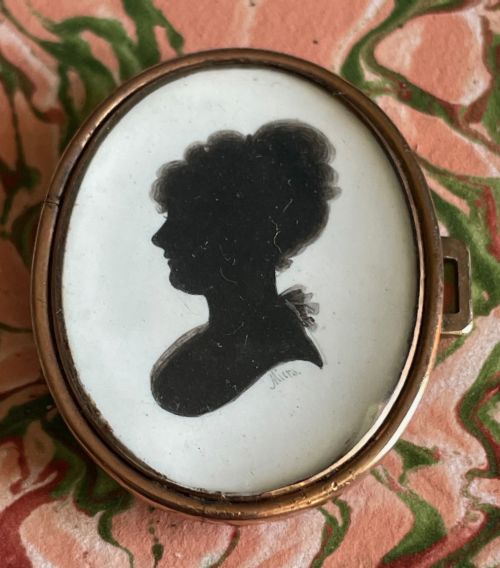
- Silhouette
- A dark profile likeness cut from paper or painted onto glass or card. These shadow portraits gained immense popularity during the Georgian period for capturing exact facial contours.
Georgian Portrait Locket: Frequently Asked Questions
How were portrait lockets worn?
People wore these small painted pieces suspended from ribbons or gold chains around the neck. They rested close to the chest as personal tokens of affection or remembrance.
Many designs also featured pin fittings on the reverse, allowing the wearer to fasten the pendant securely to clothing as a brooch.
What is inside a double-sided locket?
Double-sided pieces typically feature a painted portrait on the front and a memorial compartment on the back. This reverse section often displays woven human hair or initials arranged beneath glass.
This dual nature allowed the owner to keep both the likeness and a physical trace of a loved one simultaneously.
How do I date a portrait locket?
Dating relies heavily on costume, hair styling, and the framing technique used by the maker. High powdered wigs and specific neckwear styles point directly to the eighteenth century.
Hallmarks on the gold frames and stylistic shifts toward Regency simplicity provide further chronological markers for the piece.