

Georgian Porcelain Tea
Georgian porcelain tea brings together delicate eighteenth and nineteenth-century cups, teapots and bowls shaped by early British potteries.
Georgian Porcelain Tea
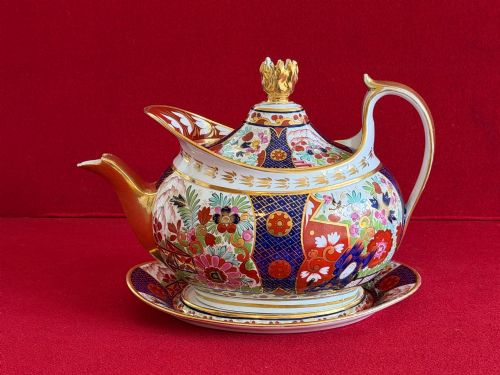
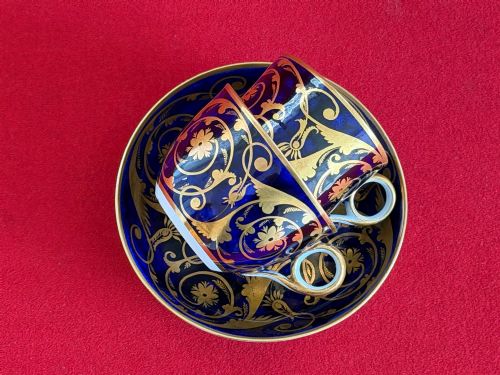
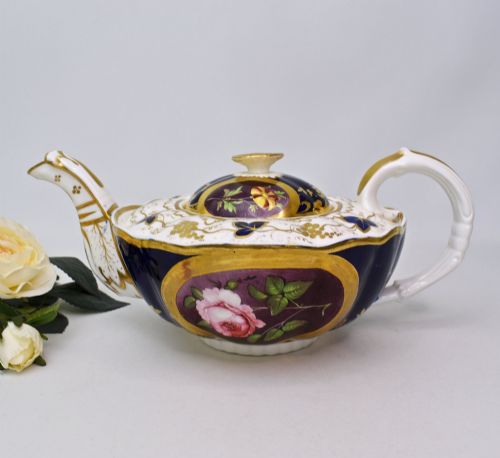
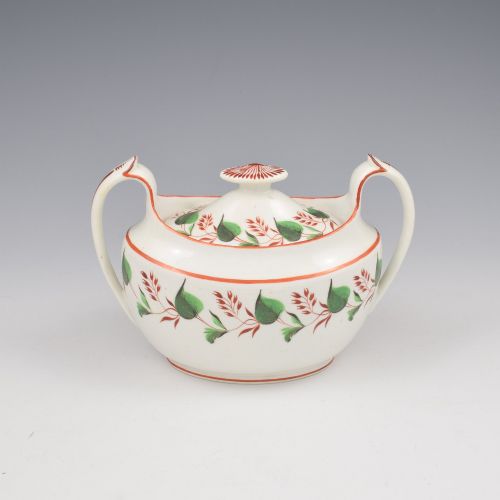
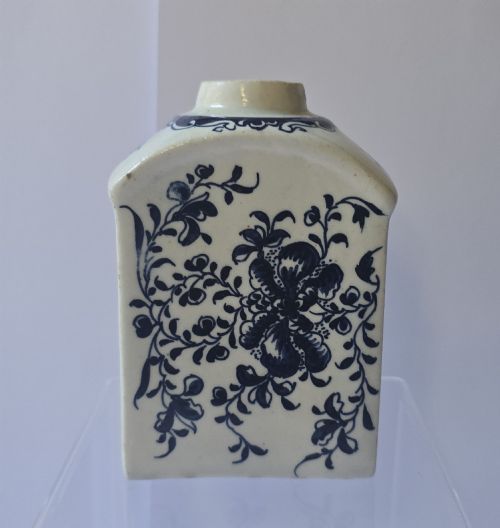
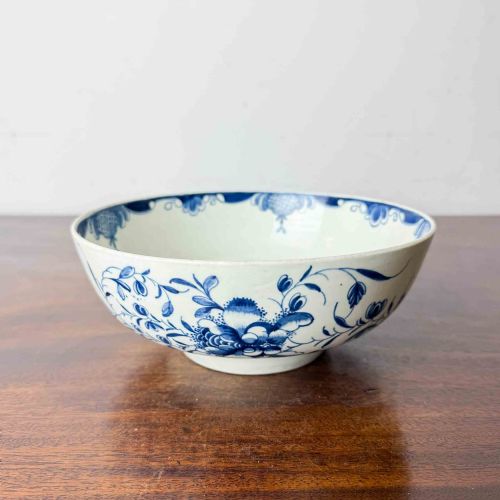
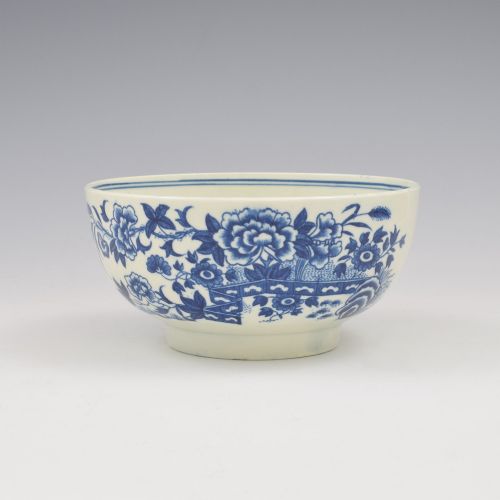
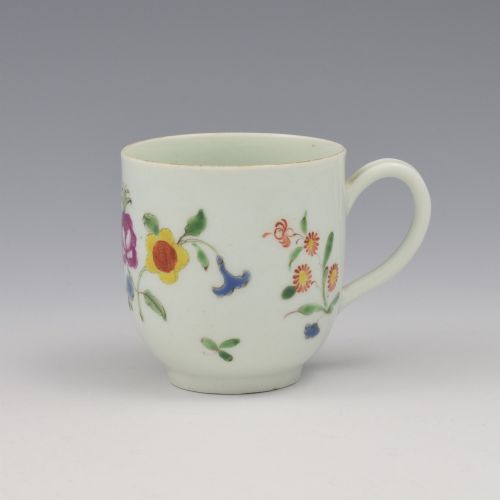
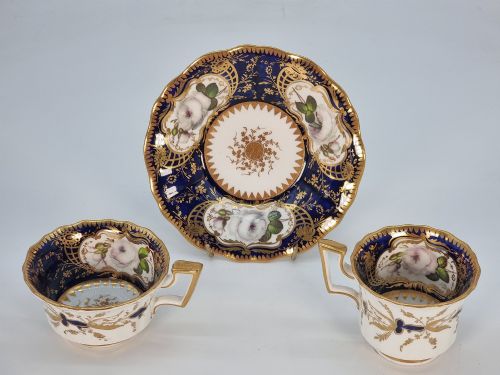
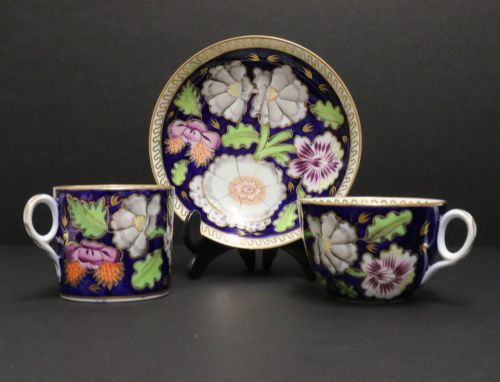
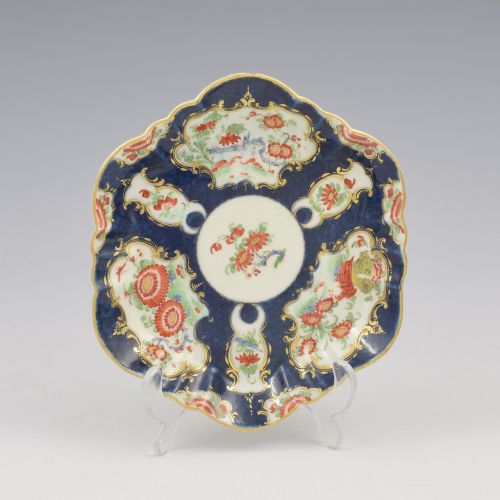
When you search for georgian porcelain tea, you encounter functional vessels and sets produced during the eighteenth and nineteenth centuries. The selection centres on teacups and saucers, teapots, sugar bowls, and slop bowls originating from major ceramic centres like Worcester, New Hall, and Spode.
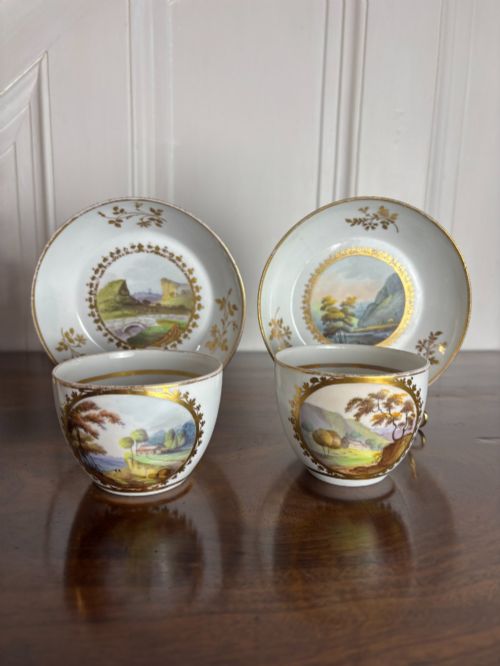
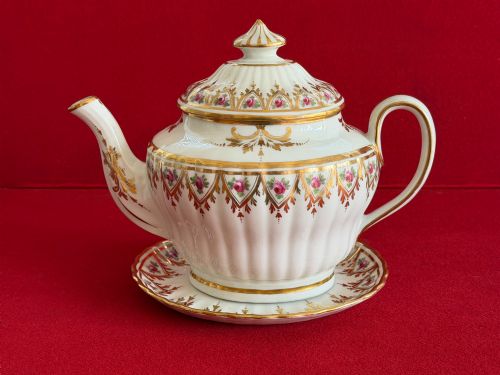
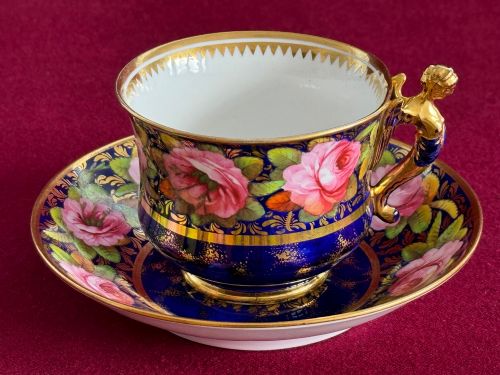
The most common forms on this page include Dr Wall period Worcester cups, New Hall teapots, and later Regency trios from factories such as Coalport and H & R Daniel. These items reflect the domestic ritual of tea drinking across Georgian and Regency parlours.
How they were made
Maker workshops utilised soft-paste porcelain, bone china, and enamel, shaping objects by hand and on the wheel before applying glaze. Kiln firing fixed the ceramic body, preparing pieces for subsequent handpainted decoration.
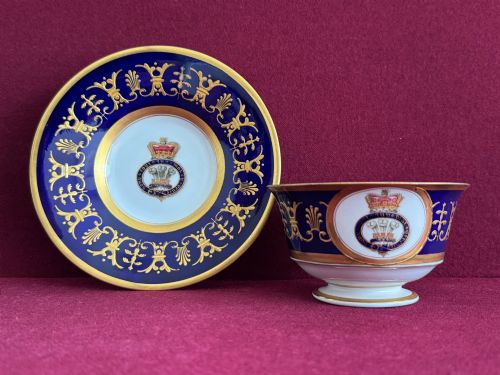
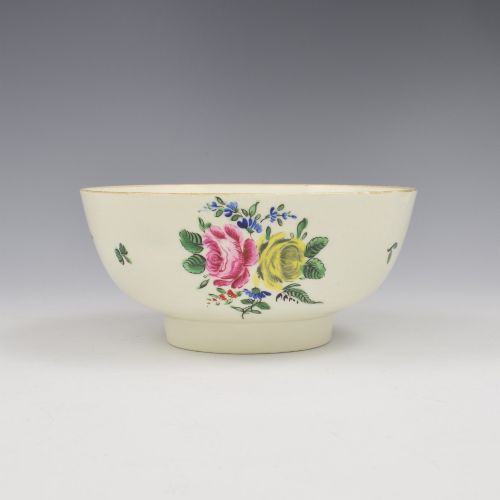
Artisans applied gold leaf, gilding, and transfer printing to achieve patterns in Chinoiserie, Rococo, and Neoclassical styles. Specialised enamellers handpainted floral sprays, landscapes, and figures directly onto the glazed surface.
Georgian Porcelain Tea Retail Price Guide 2026
Typical asking prices for georgian porcelain tea among the pieces listed under this phrase on Sellingantiques today, from the lower quarter to the upper quarter. They describe what is for sale here now, not the wider market.
The inventory records decorative styles spanning Rococo, Neoclassical, and Chinoiserie across multiple decades.
What varies in quality
Quality depends on the precision of the handpainted brushwork and the complexity of the pattern applied to the porcelain body. Pieces featuring detailed pictorial scenes, such as fancy birds or Chinese figures, demonstrate superior artisanal skill compared to simpler printed designs.
The refinement of the ceramic paste, the evenness of the glaze, and the preservation of the original gilding distinguish high-tier examples from standard production. Factory attribution, such as documented periods of Worcester or named patterns, also influences the standing of a piece.
Dr Wall Worcester·New Hall·Spode·H & R Daniel·Coalport·Flight Barr And Barr·Chamberlains Worcester·Minton·Hicks Meigh And Johnson·Richard Chaffers
The Georgian Porcelain Tea Glossary
- Slop bowl
- A large bowl used during tea service to discard spent tea leaves and dregs. These vessels match the pattern of the accompanying cups and saucers.
- Trio
- A matching set comprising a teacup, a coffee cup, and a saucer. Trios became popular in the late eighteenth and early nineteenth centuries.
- Sucrier
- A covered sugar bowl designed to hold loose sugar for the tea table. They often feature matching lids and decorative handles.
- Soft-paste porcelain
- An artificial ceramic composition fired at lower temperatures than hard-paste porcelain. It produces a warm, creamy body common in eighteenth-century English wares.
- Transfer printing
- A mechanical method of applying complex designs to ceramics using an engraved copper plate and tissue paper. This technique allowed factories to replicate intricate patterns consistently.
Georgian Porcelain Tea: Frequently Asked Questions
What is a slop bowl?
A slop bowl forms part of a tea service, used by the host to empty leftover tea and spent leaves before pouring a fresh cup.
These bowls match the decorative pattern of the teacups and teapots on the table.
How do I identify a Regency trio?
A Regency trio consists of a matching teacup, coffee cup, and saucer produced during the early nineteenth century.
They reflect the changing beverage habits of the period when households served both tea and coffee from matching sets.
What is soft-paste porcelain?
Soft-paste porcelain is an early ceramic mixture containing glass frit and white clay, fired at lower temperatures than true hard-paste porcelain.
English factories utilised this composition extensively during the eighteenth century before transitioning to bone china.
How were Chinese Export designs used?
Chinese Export pieces were produced in Asia specifically for the European market, featuring motifs like Chinoiserie and armorial crests.
English potteries subsequently drew inspiration from these imported aesthetic styles for their own domestic tea wares.