
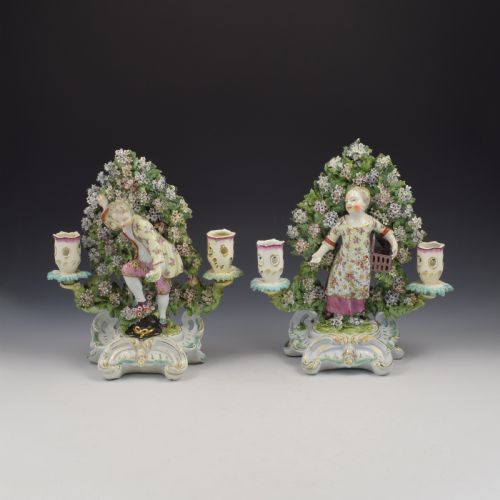


Georgian Porcelain Candle Holder
A georgian porcelain candle holder brings a wonderful warmth and decorative detail to any mantelpiece, combining fine ceramic modeling with practical illumination.
Georgian Porcelain Candle Holder
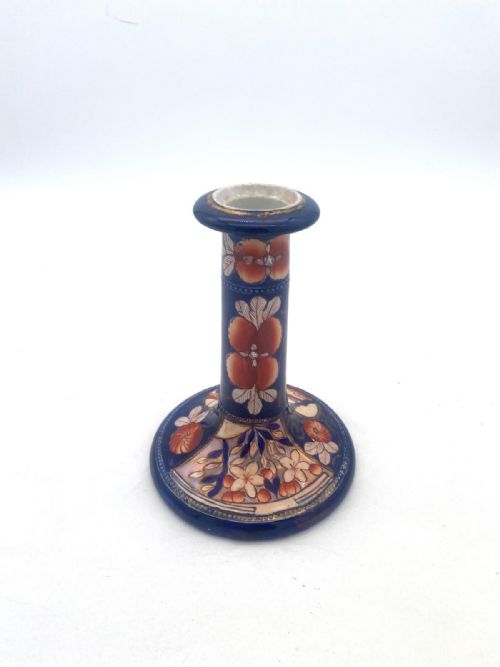
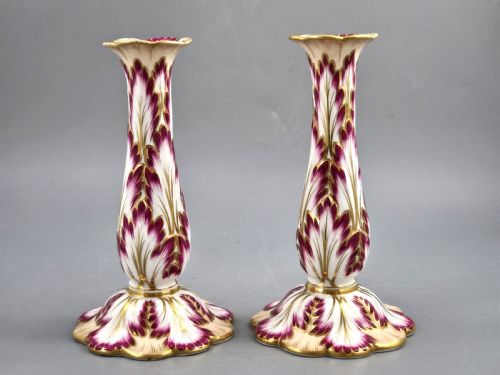
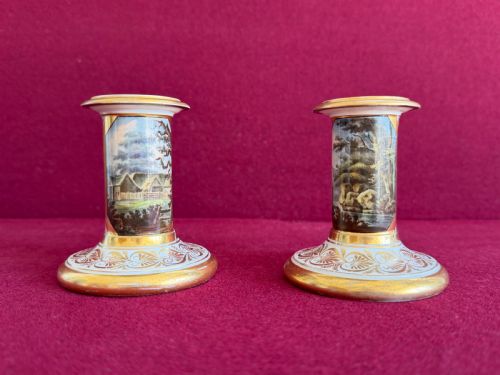
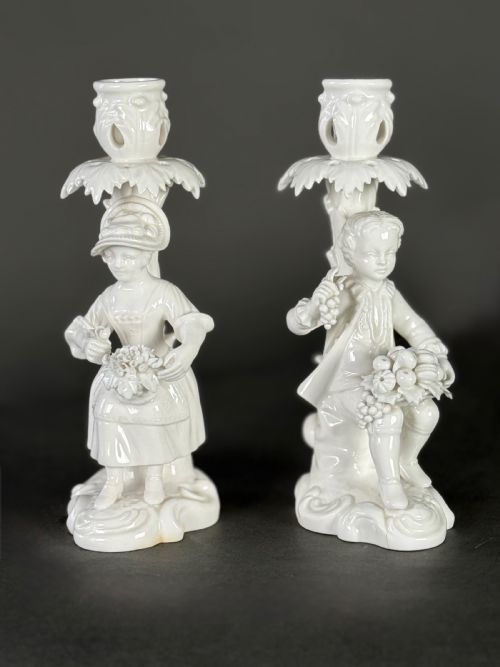
A georgian porcelain candle holder encompasses refined ceramic candlesticks, chambersticks, and candelabra produced during the eighteenth and early nineteenth centuries. These items range from simple utilitarian forms to elaborate figural groups adorned with applied foliage and decorative bocage.
Most examples encountered on this page date from the Georgian, Regency, and nineteenth-century periods, spanning English factories like Derby, Bow, Chelsea, Minton, Spode, and Ridgway, alongside continental makers. Figural subjects, musicians, putti, and naturalistic motifs dominate the surviving selection.
Materials and Technique
Potters utilised soft-paste and hard-paste porcelain, ironstone ceramic, and enamel, often finishing the surfaces with glazed porcelain and accents of gold leaf or gilding. Some continental pieces incorporate ormolu mounts to secure the ceramic sections.
Moulding and hand-modeling allowed artisans to create intricate details such as bocage backgrounds and delicate figural forms. Kiln firing fixed the painted enamel colours and the lustrous glaze before final mounting.
Current listings feature items spanning the eighteenth and nineteenth centuries, utilising soft-paste porcelain, hard-paste porcelain, ironstone ceramic, and enamel.
Assessing Quality
The sophistication of the modeling and the crispness of the enamel painting separate the finer examples from standard production. Artisans who invested greater time in delicate facial expressions and detailed foliage created pieces of lasting visual appeal.
The survival of original sconces, the crisp definition of gold leaf, and the complexity of figural compositions such as bocage groups distinguish the most accomplished works from simpler utilitarian chambersticks.
Masons Ironstone·Ridgway·Barr Flight And Barr·Derby·Spode·Chelsea·Minton·Bow·Meissen
The Georgian Porcelain Candle Holder Glossary
- Bocage
- Applied ceramic foliage and leafy backgrounds behind figures. This decorative element is typical of eighteenth-century porcelain figures and candlesticks.
- Chamberstick
- A low-profile candle holder fitted with a saucer base and a small handle. These pieces were designed for carrying safely through a house at night.
- Hard-paste porcelain
- A durable ceramic body composed of kaolin and petuntse fired at high temperatures. It produces a dense, bright white material resistant to scratching.
- Soft-paste porcelain
- An early artificial ceramic mixture incorporating glass frit and white clay. It yields a warmer, slightly softer glaze texture than hard-paste bodies.
- Ormolu
- Gilded bronze mounts applied to furniture and porcelain objects. This technique adds structural support and decorative metallic contrast.
Georgian Porcelain Candle Holder: Frequently Asked Questions
How do I clean a georgian porcelain candle holder?
Dust the ceramic surface gently with a soft, dry brush to remove particles without disturbing delicate elements like foliage or gold leaf.
Avoid immersing antique porcelain in water, especially pieces with old repairs, enamel painting, or gilding that can degrade with moisture.
Can I still burn candles in these holders?
While these items were originally made for illumination, modern use risks damaging fragile antique glazes and delicate modeled figures from dripping wax or heat.
It is safer to display them as decorative art objects or use appropriately sized modern taper candles with extreme care.
What is bocage on porcelain figures?
Bocage refers to the applied ceramic leaves and branches that form a leafy bower behind figures and candle sockets.
This intricate foliage is extremely fragile and represents a high level of sculptural skill by the eighteenth-century ceramic modeler.
How do I tell Derby figures from other factories?
Derby pieces often feature characteristic patch marks from the kiln supports on the base along with fine modeling of subjects like musicians and children.
Comparing the paste texture and enamel palette with documented factory patterns helps confirm the specific nineteenth or eighteenth-century origin.