


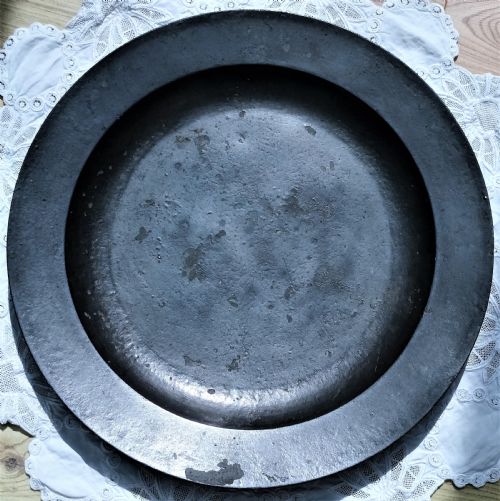
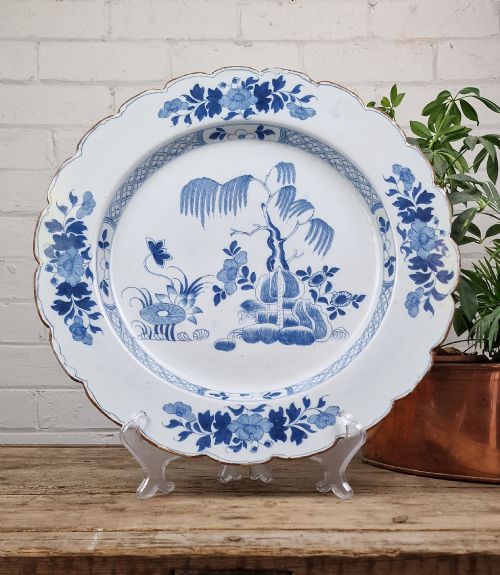
Georgian Plated Charger
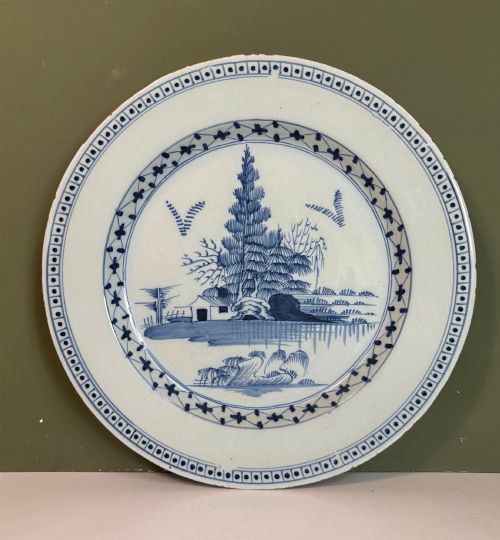
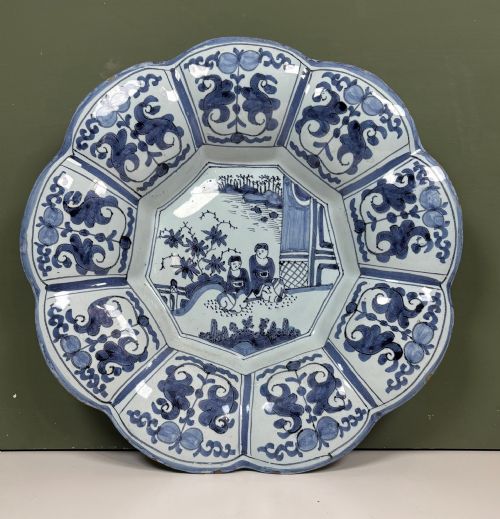
A georgian plated charger brings heavy metallic presence or tin-glazed earthenware colour to a table, offering historic domestic utility for display.
Georgian Plated Charger
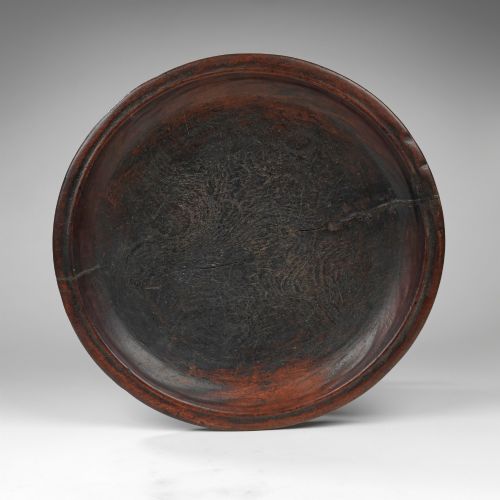
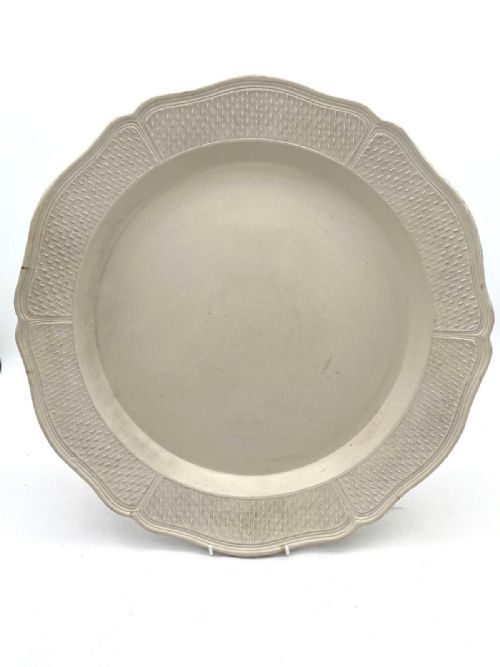
A georgian plated charger encompasses large circular serving plates and platters produced across the eighteenth and nineteenth centuries in metal and ceramic. Buyers examine heavy pewter dishes alongside tin-glazed earthenware and saltglazed chargers designed for formal dining or sideboard display.
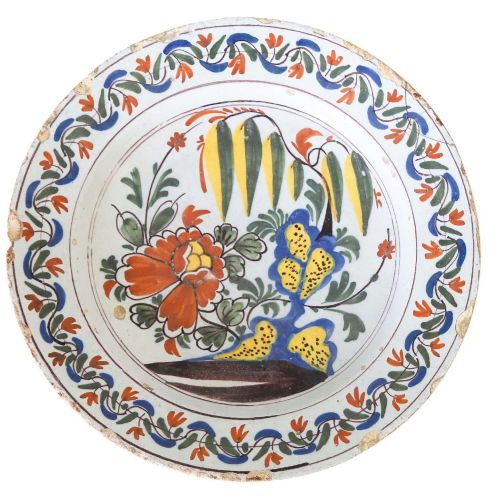
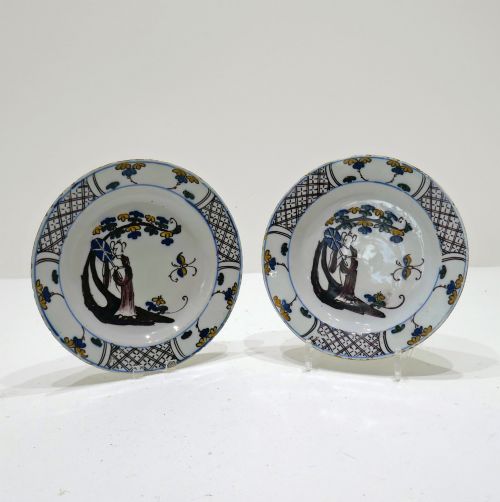
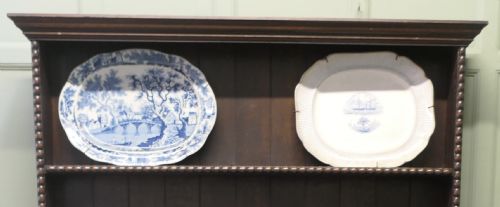
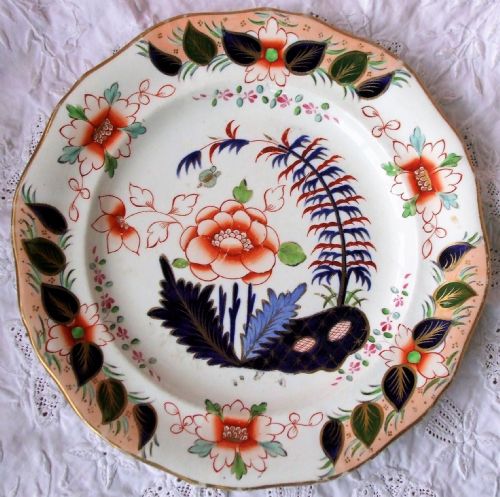
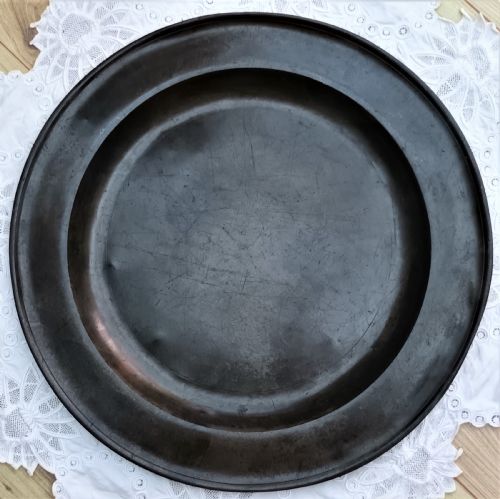
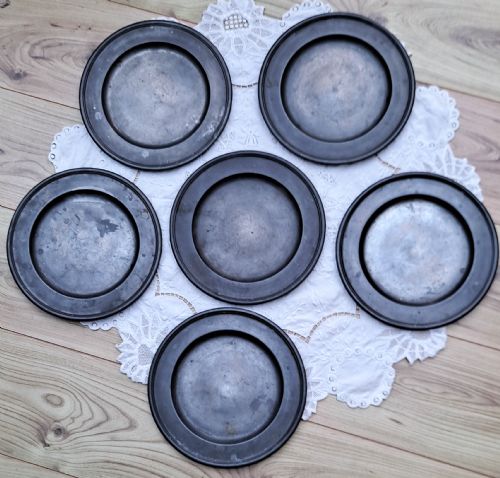
The selection on this page leans toward English pewter chargers from makers such as John Duncomb and William Wright, alongside tin-glazed delftware and pearlware chargers. Examples range from plain rims with engraved crests to polychrome floral decorations and chinoiserie patterns.
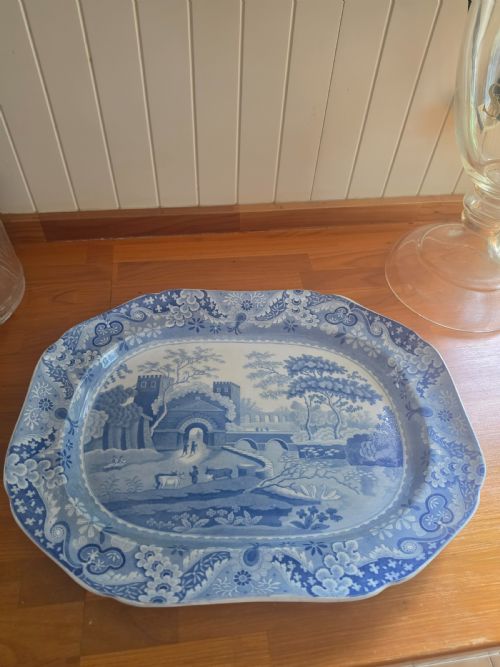
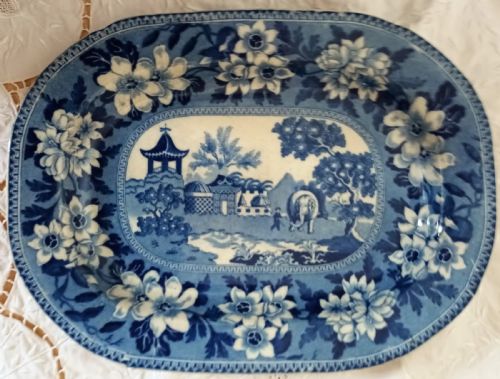
Serving platters and decorative plates sit alongside large dishes from the Georgian and Regency periods. Pieces demonstrate the transition from heavy metal dining wares to transfer-printed ceramics and Old Sheffield plating.
How they were made
Pewter chargers are shaped from an alloy of tin and lead or copper, beaten and turned on a lathe to achieve flat rims and smooth wells. Makers cast metal into moulds before hammering the surface and applying touchmarks or ownership crests.
Ceramic examples employ earthenware bodies covered in tin glazes or cobalt pigments, fired in kilns to fix hand-painted polychrome scenes or transfer-printed motifs. Early Sheffield plated items fuse a thin sheet of silver to a copper base using heat and pressure.
What varies in quality
Quality rests upon the crispness of touchmarks on pewter and the clarity of cobalt pigment on delftware chargers. Metal thickness and the preservation of hand-engraved armorial crests distinguish domestic utility plates from high-status display chargers.
Ceramic variations depend on the control during kiln firing and the precision of hand-painted floral or chinoiserie details. Early examples with well-preserved polychrome enamels outrank standard utilitarian wares through artistic depth.
John Rogers & Son·John Davenport of Longport·John Duncomb·William Wright·Samuel Smith·T & H Compton·James Spackman·Richard King of London·Wood & Michell·Humphrey Evans II of Exeter·Matthew Boulton·Thomas Alderson
The Georgian Plated Charger Glossary
- Charger
- A large ornamental or serving plate positioned beneath other courses at a table. These broad dishes measure significantly larger than standard dining plates.
- Delftware
- Tin-glazed earthenware produced in England and the Netherlands during the seventeenth and eighteenth centuries. The opaque white glaze serves as a ground for blue or polychrome painted designs.
- Old Sheffield Plate
- A composite material formed by fusing a thin layer of silver to a thicker copper ingot. This technique emerged in the eighteenth century to simulate solid silver tableware.
- Pewter
- A malleable metal alloy consisting primarily of tin combined with copper, antimony, or lead. It was widely utilised for domestic chargers and tableware before ceramic production dominated.
- Touchmark
- An identifying stamp or hallmark impressed into pewter by a member of the worshipful company of pewterers. These marks record the maker and workshop location.
Georgian Plated Charger: Frequently Asked Questions
How do I clean an antique pewter charger?
Wash pewter gently with warm water and mild soap, drying it immediately with a soft cloth. Avoid aggressive metal polishes that remove historic patination and touchmarks.
Store metal chargers in dry environments to prevent oxidation and surface pitting.
Can I use these chargers for serving food?
Most antique chargers function best as decorative wall plates or sideboard displays due to age and historic wear. Pewter from earlier centuries may contain lead, making it unsuitable for modern acidic foods.
Ceramic delftware surfaces can also craze over time, absorbing liquids during use.
How do I identify a maker on a pewter plate?
Inspect the rim or underside for small stamped impressions known as touchmarks. These symbols and initials link pieces to registered pewterers working within specific date ranges.
Cotterell numbers often catalogue these maker marks in reference texts.