


Georgian Plate
Georgian plate brings together sturdy oak display dressers, gleaming old Sheffield plate tableware and delicate porcelain dishes from the eighteenth and nineteenth centuries.
Georgian Plate
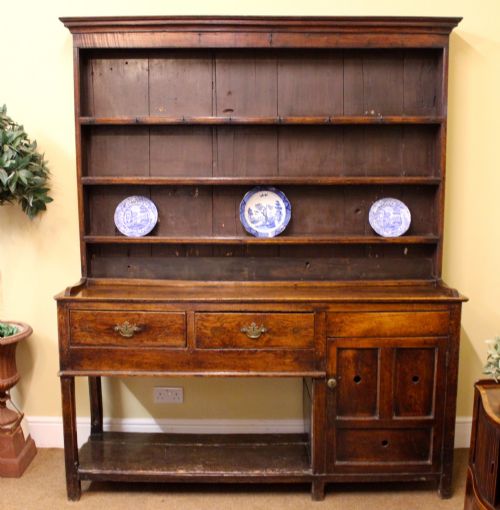
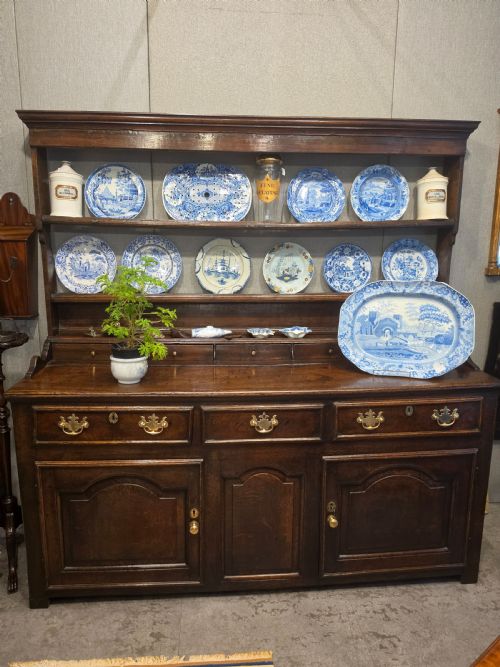
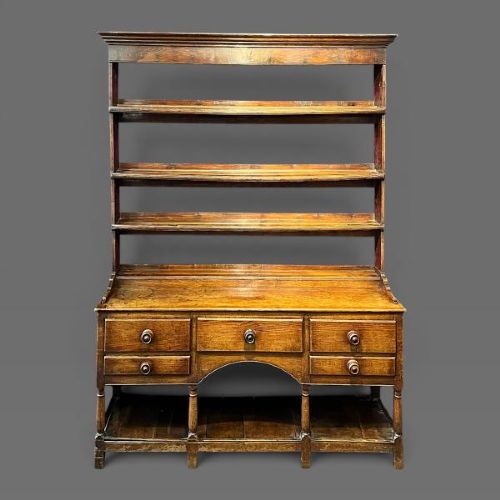
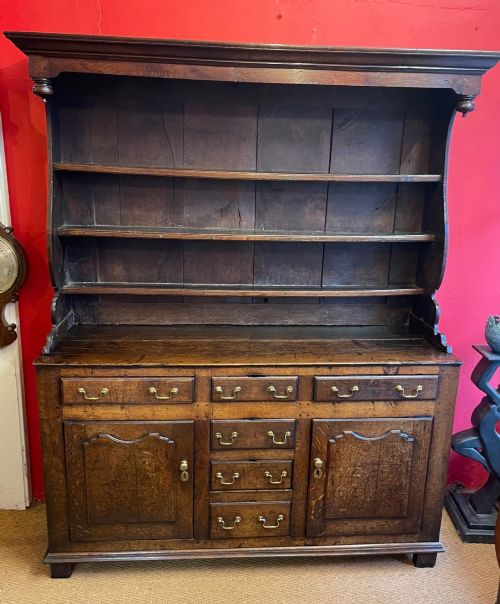
When buyers search for georgian plate, they encounter a diverse selection of utilitarian and decorative objects spanning dining vessels and furniture. The domestic forms divide primarily into two distinct categories: heavy timber dressers built with integral plate racks for displaying ceramics, and metal tableware items designed for the dining table.
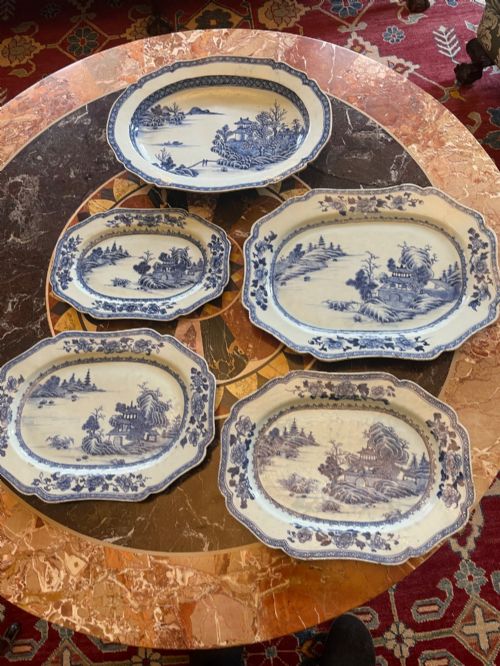
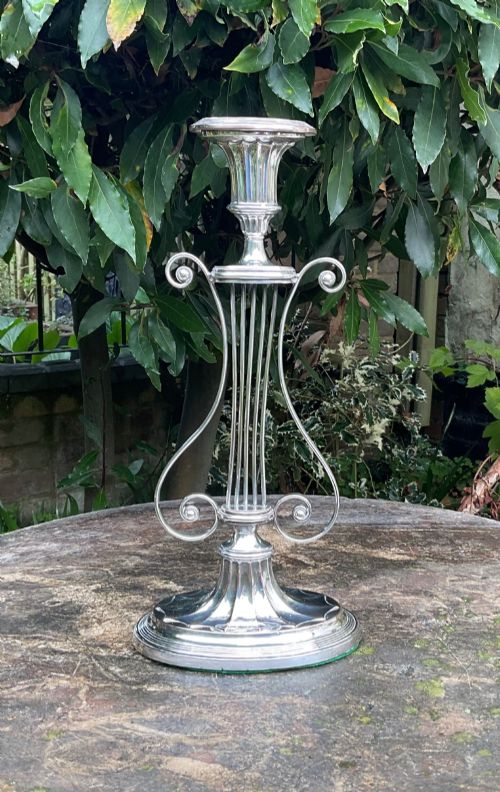
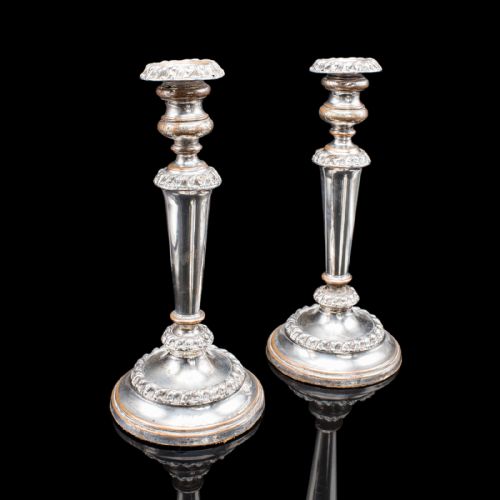
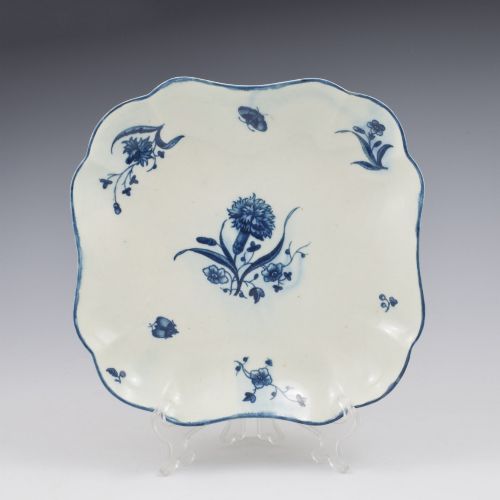
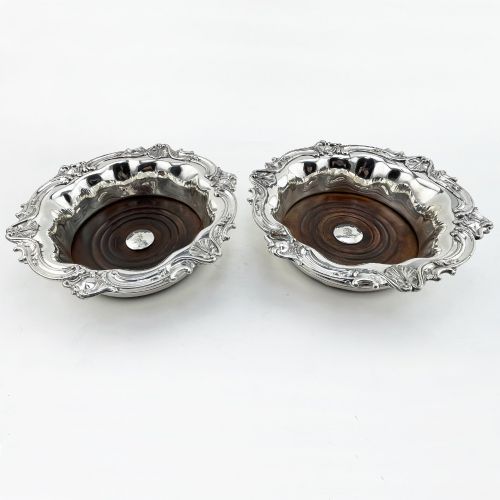
The ceramic offerings span tin-glazed chargers, creamware plates, porcelain dessert services and individual armorial soup plates. Alongside these sit copper-based metalwares finished in old Sheffield plate, including candlesticks, coasters, tankards, card trays and tea urns.
Originating largely from English workshops during the eighteenth and nineteenth centuries, these pieces reflect the domestic habits of the period. Oak dressers from Lancashire and Wales appear frequently, often paired with Worcester porcelain dishes or silver-plated serving pieces.
Materials and construction methods
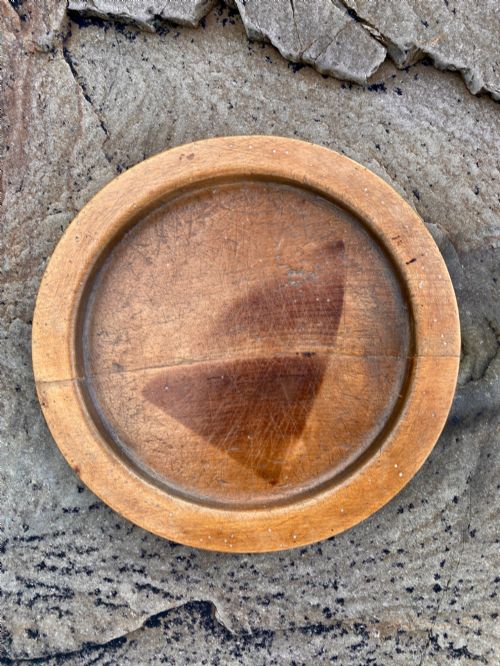
Timber items rely heavily on native hardwoods such as oak, sycamore, pine and mahogany, frequently shaped by hand using traditional joinery methods. Dressers combine pegged frames with boarded backs, sometimes incorporating crossbanding or painted finishes.
Metal wares utilise old Sheffield plate, a technique fusing a thin sheet of silver to a thicker copper core, often shaped by hammering or wirework assembly. Porcelain and creamware items involve moulded ceramic bodies finished with hand-painted enamels, blue and white transfers or studio decoration.
Georgian Plate Retail Price Guide 2026
Typical asking prices for georgian plate among the pieces listed under this phrase on Sellingantiques today, from the lower quarter to the upper quarter. They describe what is for sale here now, not the wider market.
Listings feature oak, copper, brass, silver, enamel, glass, old Sheffield plate and giltwood across eighteenth and nineteenth century periods.
Distinctions in quality
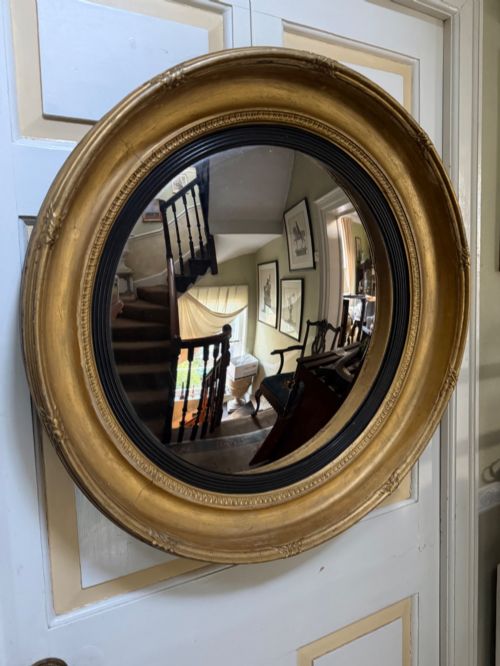
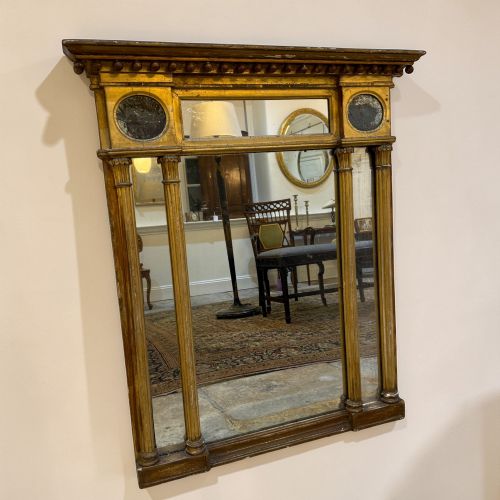
Quality rests upon the crispness of the hand-painted ceramic decoration, the preservation of the fused silver layer on copper items, and the originality of timber components in furniture. Pieces retaining their original mirrors, removable sconces or hand-applied enamels command greater appreciation from collectors.
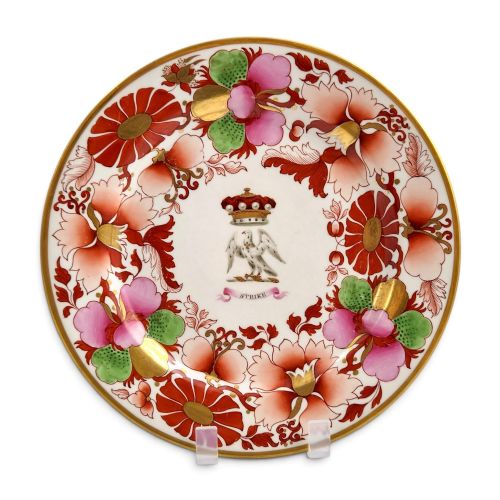
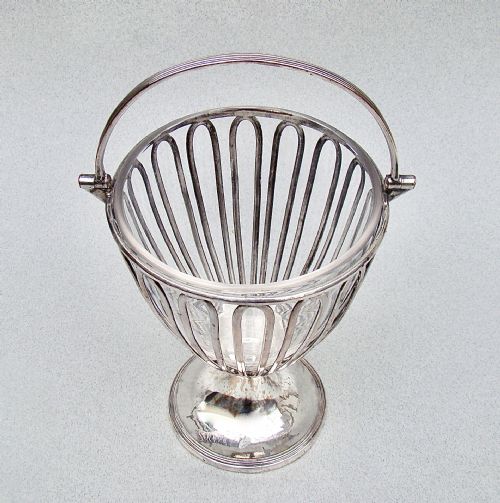
Construction details differentiate standard utilitarian items from finer examples, such as crossbanded mahogany details on oak dressers or complex wirework on sugar vases. The hand of the decorator on porcelain services, evidenced by detailed floral painting or armorial crests, separates ordinary tableware from studio-painted works.
Barr Flight and Barr·Grainger Lee and Co·Leeds Pottery Liverpool·H and R Daniel Shrewsbury·Deakin and Francis·Mappin and Webb
The Georgian Plate Glossary
- Old Sheffield Plate
- An early form of plated metal produced by thermally fusing a sheet of silver onto a copper ingot before rolling them into sheets together.
- Creamware
- A refined earthenware developed in Yorkshire and Staffordshire during the eighteenth century, characterised by its pale yellowish-cream glaze.
- Dresser
- A domestic storage and display unit featuring shelving or a plate rack above drawers and cupboards, commonly fashioned from oak.
- Delftware
- Tin-glazed earthenware produced in England and the Netherlands, typically decorated with hand-painted blue designs on a white opaque background.
- Sconce
- A detachable nozzle or drip pan fitted into the top of a candlestick socket to catch melting wax during use.
Georgian Plate: Frequently Asked Questions
What is old Sheffield plate?
Old Sheffield plate is a composite material made by fusing silver and copper together through heating and rolling. This technique predates modern electroplating.
Items made this way display a deep lustre and can sometimes reveal a thin line of copper along cut edges or areas of wear.
How were oak plate racks used?
Oak plate racks and dressers served both to store domestic ceramics safely and to display best tableware in the kitchen or dining parlour.
Grooved shelves held plates upright while open racks allowed everyday earthenware and porcelain to dry and remain within reach.
How do I care for antique porcelain?
Antique porcelain requires gentle hand washing in lukewarm water with mild soap, avoiding harsh detergents and modern dishwashers entirely.
Sudden temperature changes can crack old glazes and enamels, so these delicate dishes are best kept away from direct heat sources.
How can I tell the period?
Dating relies on combining material evidence, such as the weight of old Sheffield plate versus electroplate, with stylistic cues like Regency motifs or Georgian construction.
Maker marks, factory stamps and hand-painted decorator styles also help narrow down the decade of manufacture.