




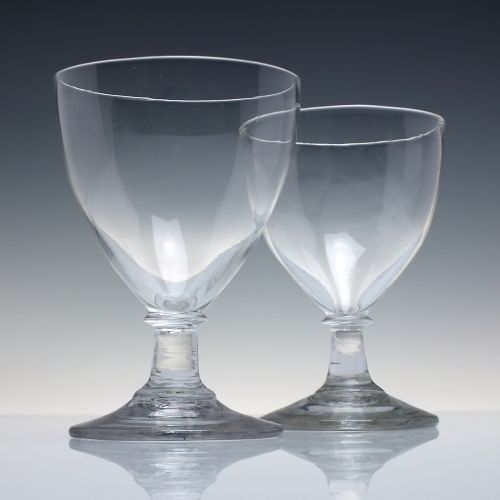


Georgian Plain Stem
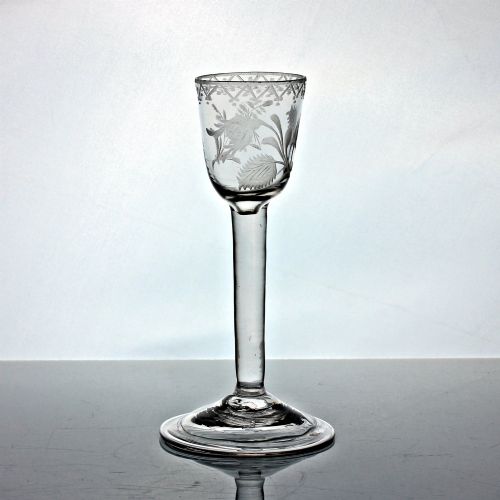
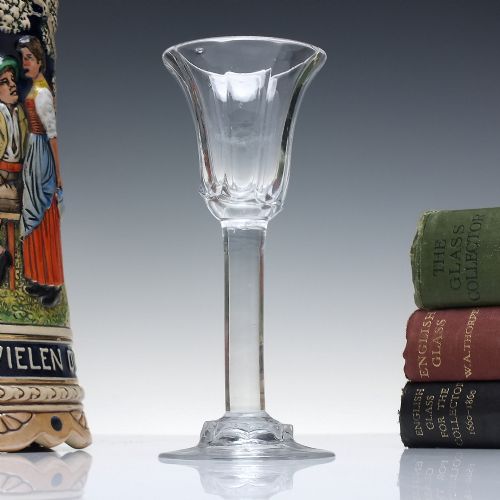
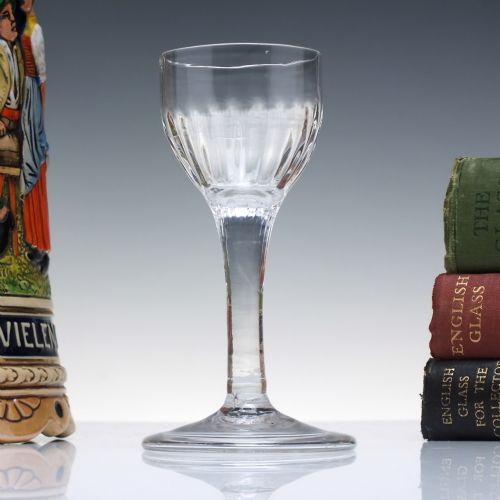
Georgian plain stem glassware brings eighteenth-century drinking vessels into modern homes through simple, unadorned columns supporting blown lead glass bowls.
Georgian Plain Stem
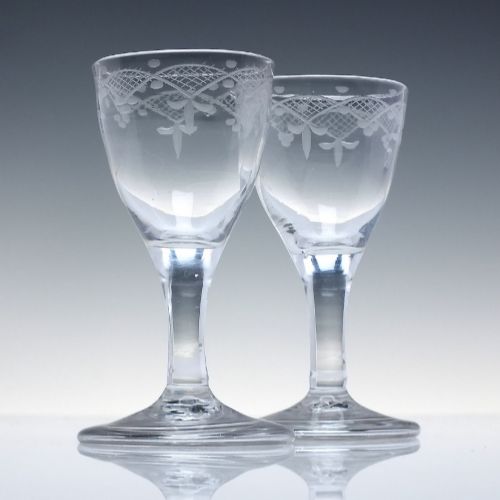
When you search for Georgian plain stem, you are looking at eighteenth-century drinking vessels defined by their straight, un-faceted stems. These pieces include wine glasses, ale glasses, dram glasses, cordials, rummers, and heavy goblets.
The versions you are most likely to meet on this page date predominantly from the mid-eighteenth century, particularly around seventeen-forty to seventeen-sixty. They appear in clear lead glass or flint glass, shaped with straightforward profiles rather than complex knops or air twists.
How They Were Made
These vessels were formed using blown glass techniques, utilising lead glass, clear glass, and flint glass. Artisans drew the stem directly from the bowl or applied it separately before attaching a flat or folded foot.
Georgian Plain Stem Retail Price Guide 2026
Typical asking prices for georgian plain stem among the pieces listed under this phrase on Sellingantiques today, from the lower quarter to the upper quarter. They describe what is for sale here now, not the wider market.
Toastmasters used heavy-footed firing glasses to bang on tables so loudly they imitated gunfire, ensuring every toast ended with a literal bang.
What Varies in Quality
Quality in these drinking vessels rests upon the proportion and balance between the bowl, the straight stem, and the foot. Superior examples display clean metal without excessive inclusions, alongside crisp wheel-engraving where decoration is present.
The presence of original structural details such as a neatly folded foot or an intentional air tear elevates a piece. Heavier metal weight and well-finished pontil marks on the underside further distinguish finer specimens from simpler utility items.
The Georgian Plain Stem Glossary
- Plain stem
- A straight, unadorned glass stem lacking air twists, balusters, or facets. This form represents a core style of mid-eighteenth-century English drinking vessels.
- Folded foot
- A glass foot possessing a rim turned underneath to create a thickened, rounded edge. This technique added physical strength to vulnerable base edges.
- Air tear
- An elongated bubble intentionally or accidentally trapped inside the glass stem or bowl base. Eighteenth-century makers occasionally utilised them as a decorative feature.
- Firing glass
- A heavy-footed drinking vessel designed with a thick base for slamming onto a tavern or dining table. They were utilised during toasts and meetings.
- Dram glass
- A small vessel utilised for consuming spirits rather than wine. These pieces typically feature short bowls and sturdy plain stems.
Georgian Plain Stem: Frequently Asked Questions
What is a plain stem wine glass?
A plain stem wine glass is an eighteenth-century drinking vessel featuring a straight, unadorned column supporting the bowl. These pieces rely on simple geometry rather than complex air twists or multi-node stems.
They represent a restrained aesthetic common in mid-Georgian dining and tavern culture. Collectors value them for their clean silhouette and tactile lead glass substance.
Why do some glasses have folded feet?
Folded feet were utilised by glassmakers to reinforce the most vulnerable part of the drinking vessel. By turning the rim of the foot underneath during manufacture, they created a durable edge that resisted chipping.
This structural addition is frequently encountered on eighteenth-century ale glasses, drams, and wine glasses with plain stems. It serves as a useful indicator of period production techniques.
What is an air tear?
An air tear is a small, elongated bubble trapped within the metal of the stem or the base of the bowl. Eighteenth-century glassmakers sometimes incorporated them intentionally as a subtle decorative detail.
Finding an air tear inside a straight stem adds visual interest to the piece without interrupting its unadorned profile. They occur naturally in early lead glass compositions.
How were firing glasses used?
Firing glasses were utilised for drinking toasts during political meetings, clubs, and social gatherings. Their defining characteristic is a very thick, heavy foot designed to withstand being banged onto a wooden table.
The sharp sound produced when striking the table resembled a volley of gunfire, hence the name. They typically feature short plain stems and sturdy trumpet or round funnel bowls.
Are these glasses safe to use?
Eighteenth-century lead glass vessels are physically stable enough for gentle modern use, provided they are handled with care. Hand washing in warm water is essential to preserve the antique metal and any surface engraving.
Sudden temperature changes should be avoided to prevent thermal shock. Many collectors prefer to display them while others enjoy using them for special occasions.