
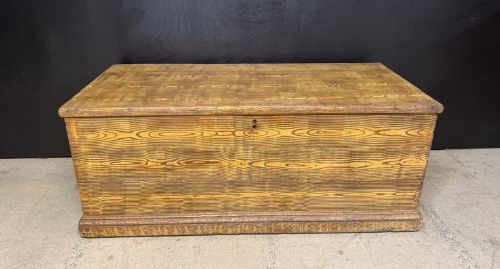




Georgian Pine Trunk
A georgian pine trunk offers robust domestic storage with the honest grain and simple lines characteristic of country furniture.
Georgian Pine Trunk
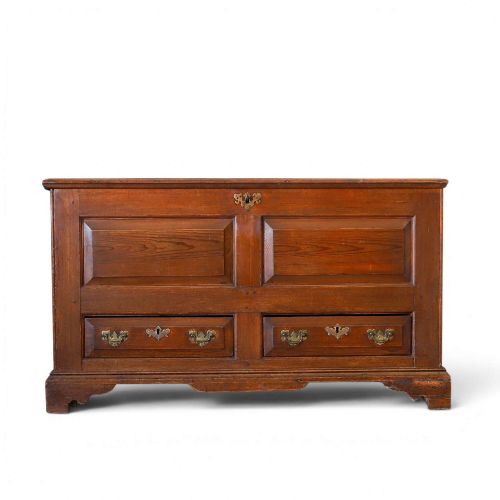
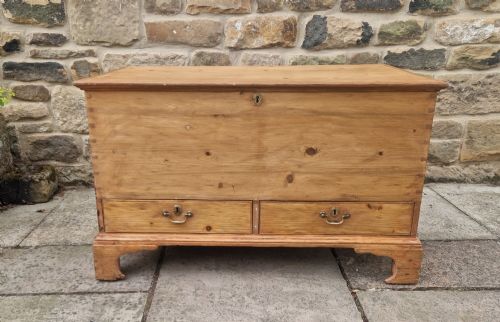
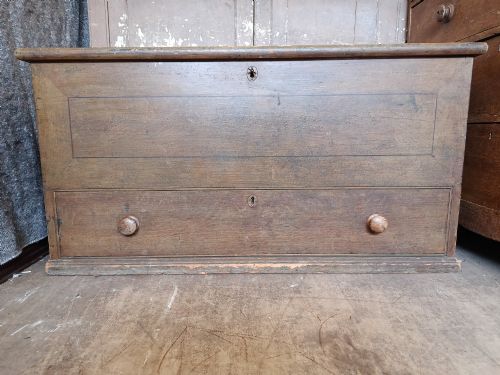
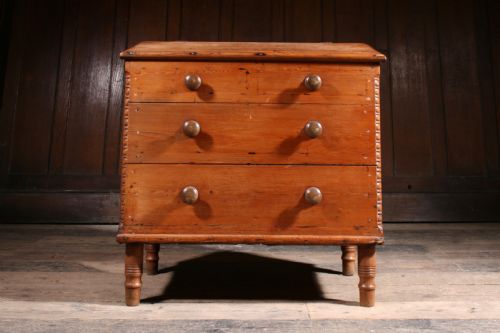
A georgian pine trunk encompasses versatile domestic receptacles built primarily for linen, blankets, and personal possessions during the eighteenth and nineteenth centuries. Buyers searching for a georgian pine trunk most frequently encounter mule chests featuring a lower drawer, alongside simpler blanket boxes and paneled coffers.
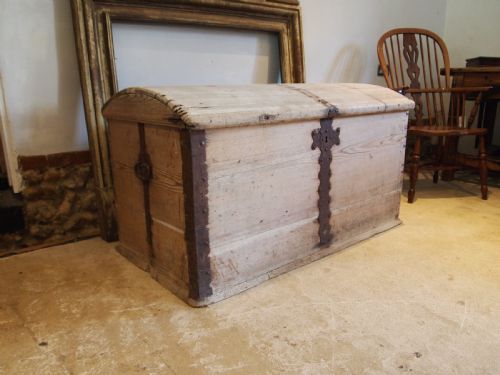
The pieces originate from diverse regional traditions, including Welsh country workshops and Scandinavian makers, often displaying vernacular characteristics. While formally termed trunks, coffers, or blanket boxes, these utilitarian items served generations in domestic interiors and maritime settings alike.
How they were made
Construction relies heavily on solid pine timbers, joined with dovetails at the corners and supported by paneling or bracket feet. Hardware forged from iron and brass provides structural reinforcement and functional handles for heavy lids.
Surfaces frequently retain layers of original paint, folk art decoration, or warm waxed finishes that protect the softwood over centuries of use. Internal till compartments and rope handles occasionally survive to mark the original purpose of the box.
One seaman's chest carries the evocative maritime title Emblem of Liberty.
What varies in quality
Quality rests upon the integrity of the original timber, the survival of authentic surface treatments like early paint or wax, and the proportion of the proportions. Boxes retaining untampered internal tills, original ironwork, and undisturbed backboards hold greater interest.
Vernacular pieces show distinct regional carpentry traits, where confident dovetailing and substantial plank thickness distinguish superior provincial workshops from later utility work. The presence of secondary drawers and crisp paneling elevates the form above basic storage.
The Georgian Pine Trunk Glossary
- Mule chest
- A blanket box fitted with one or more drawers beneath the main storage compartment. This hybrid form gained popularity during the eighteenth century for organising smaller linens.
- Coffer
- A heavy wooden chest traditionally used for storing valuables or documents. These pieces often feature sturdy construction with deep lids and iron locking mechanisms.
- Till
- A small internal compartment built into the corner of a chest for holding candles, coins, or small documents. Surviving tills add notable utility and completeness to an antique box.
- Bracket foot
- A simple foot shape formed by two pieces of wood joined at a right angle, supporting the corners of chests and cabinets. This style elevates the box slightly off the floor.
- Vernacular
- Furniture designed and built by local craftsmen for everyday regional use rather than high-style metropolitan workshops. These pieces showcase practical construction and local aesthetic choices.
Georgian Pine Trunk: Frequently Asked Questions
What is a mule chest?
A mule chest combines a top-opening blanket box with one or more drawers built into the base. This design evolved to provide easier access to stored textiles without disturbing items piled on top.
Cabinetmakers built these pieces in regional workshops across Britain and Europe during the Georgian period and nineteenth century.
How do I care for pine furniture?
Pine furniture requires stable indoor humidity levels and protection from direct sunlight to prevent the softwood timbers from drying or splitting. Regular dusting with a dry cloth maintains the surface.
Waxed finishes benefit from occasional applications of natural beeswax to nourish the wood grain, while painted surfaces should be kept dry and free of harsh chemical cleaners.
Where were these trunks used?
These trunks served primarily in domestic bedchambers, hallways, and living spaces to store household linens, blankets, and winter clothing. Their sturdy build also suited them for travel and maritime use.
Examples originating from coastal regions often feature heavy iron or rope handles designed for transport aboard ship.
How do I date a pine chest?
Dating relies upon examining construction methods such as hand-cut dovetails, forged iron hardware, and the type of hinges used on the lid. Early pieces often feature wide pine boards and simpler panel construction.
Surface treatments like original paint or early wax patination provide further clues to the period of manufacture, alongside regional stylistic markers.