

Georgian Period Wooden Box
A georgian period wooden box brings centuries of domestic storage into a room, offering tactile timber grain and practical utility.
Georgian Period Wooden Box
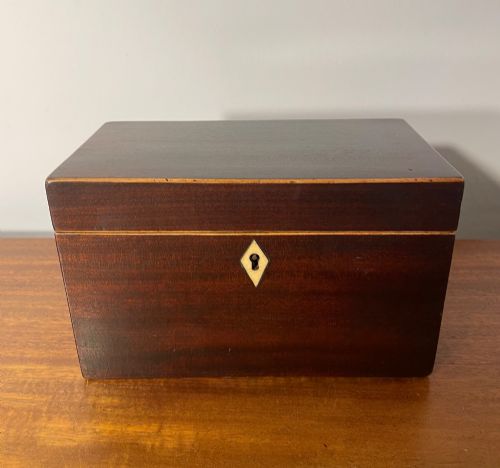
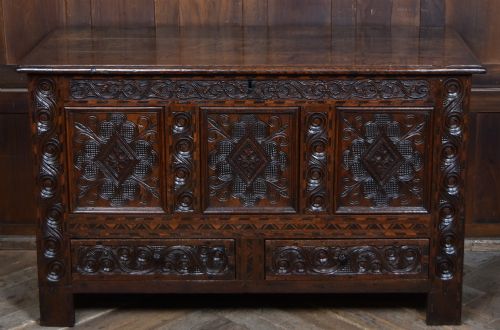
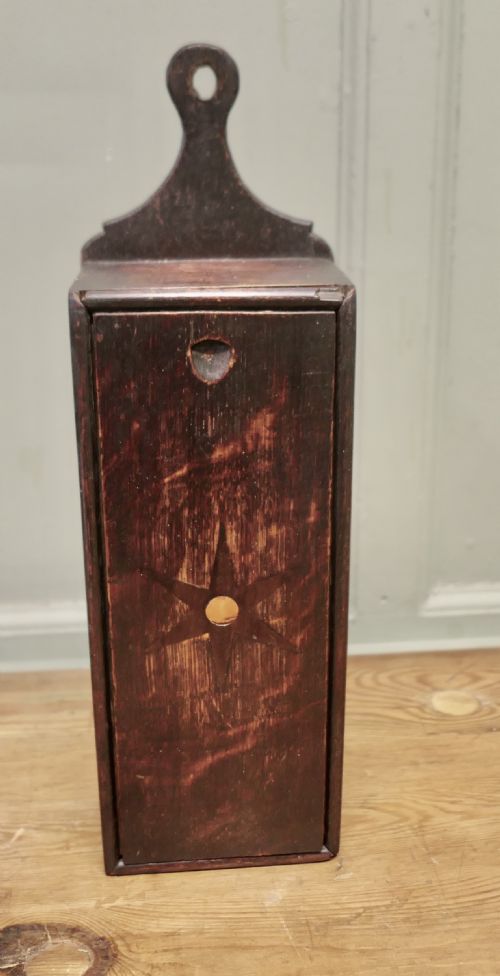
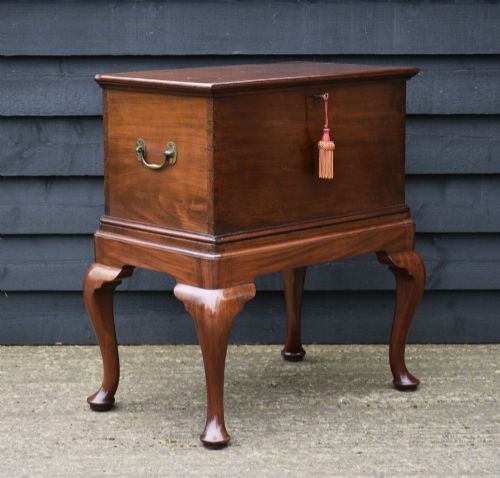
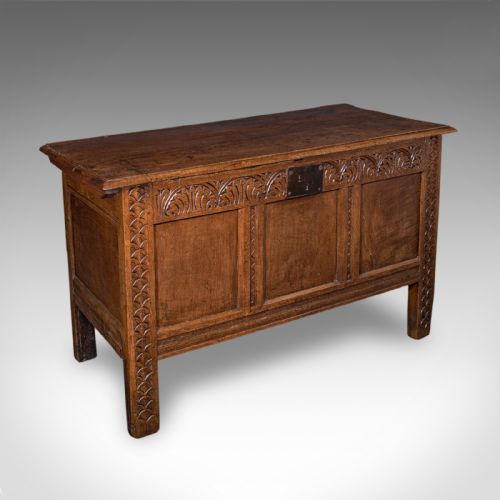
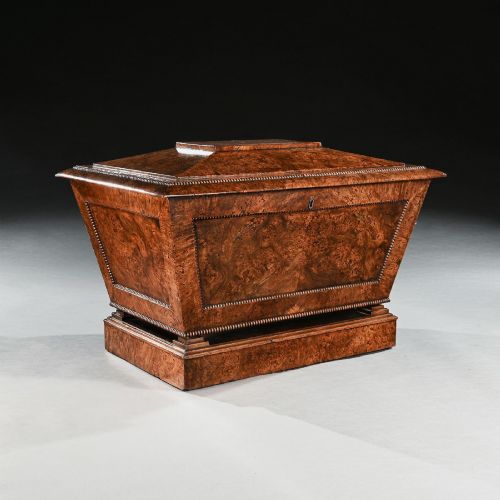
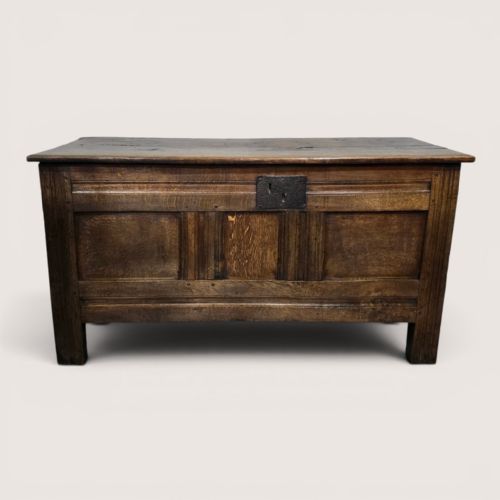
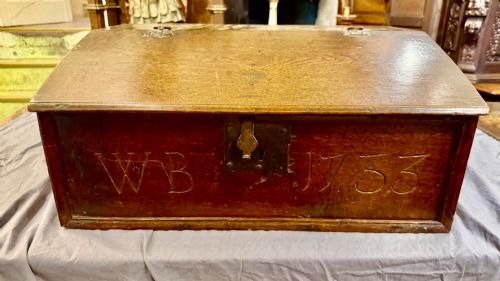
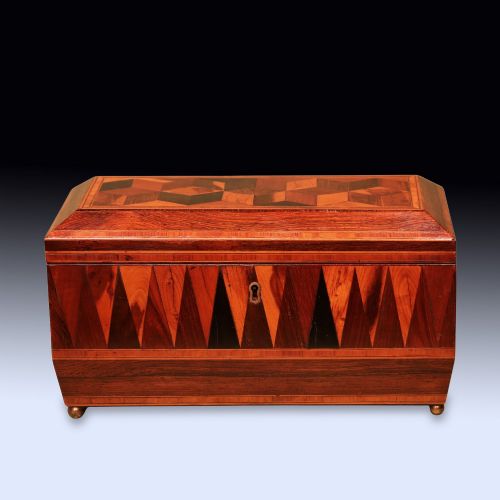
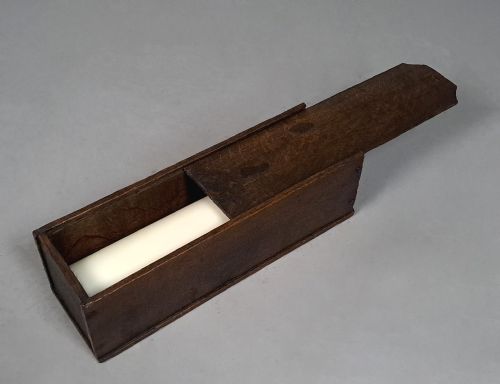
A georgian period wooden box encompasses a variety of functional containers made during the eighteenth and early nineteenth centuries. Buyers searching this phrase encounter everything from small oak Bible boxes and wall-hanging candle boxes to larger mahogany tea caddies and sarcophagus cellarettes.
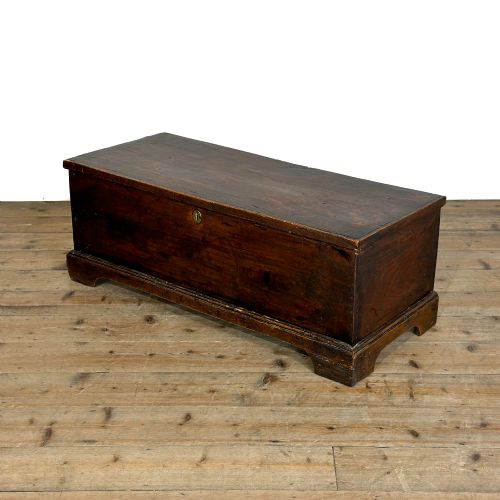
The objects stem predominantly from the Georgian, George III, and Regency periods, reflecting the domestic habits of past households. Oak and mahogany appear most frequently, shaped into coffers, mule chests, and tabletop caddies designed to secure valuables, dry goods, or personal papers.
Materials and Construction
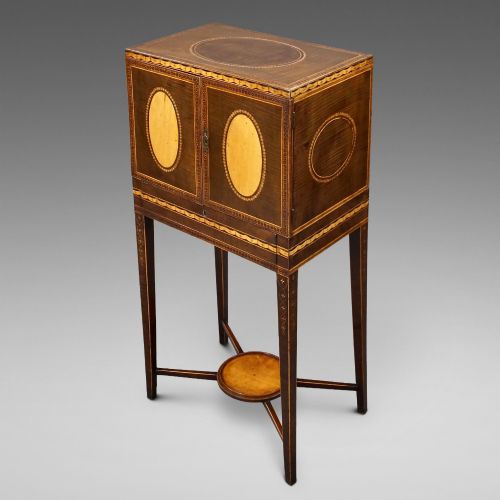
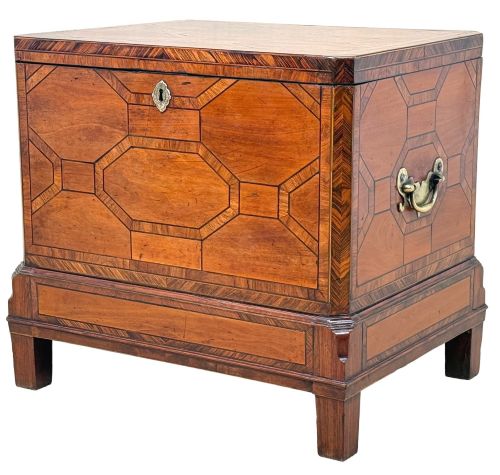
Cabinetmakers utilised native and imported timbers, pairing sturdy structural oak with decorative veneers like satinwood, walnut, harewood, and pollard oak. Surfaces often feature intricate inlay, parquetry, or carved detailing alongside visible joinery that demonstrates period carpentry methods.
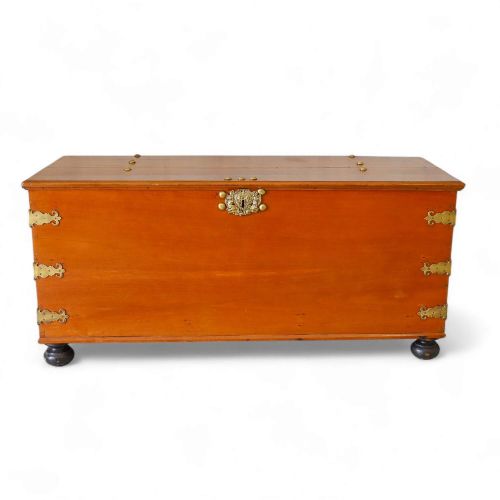
Hardware played an essential structural and decorative role, with original brass handles, escutcheons, iron hinges, and working locks securing the lids of chests and tea caddies alike.
Current listings feature eighteenth-century oak Bible boxes, Regency mahogany tea caddies, and substantial walnut coffers dating from seventeen hundred onwards.
Assessing Quality and Execution
Quality rests upon the choice of timber and the precision of the cabinet work, distinguishing simple utilitarian containers from high-status items. Finely figured flame mahogany, balanced proportions, and crisp carving elevate a piece well beyond basic domestic utility.
The survival of original surfaces, such as patinated polish, interior compartments, lead liners in cellarettes, and functioning locks with keys, preserves the integrity of the object for collectors.
The Georgian Period Wooden Box Glossary
- Coffer
- A large wooden chest traditionally used for storing valuables or household goods. These heavy pieces often feature boarded construction and hinged lids.
- Cellarette
- A specialised container designed to hold bottles of wine or spirits. Regency examples frequently take a sarcophagus shape with fitted interior partitions.
- Mule chest
- A storage chest fitted with one or more drawers at the base. This form bridges the evolution between the simple coffer and the modern chest of drawers.
- Parquetry
- Geometric patterns formed by small pieces of wood veneer fitted together on the surface. This technique decorated tea caddies and tabletop boxes.
- Escutcheon
- A protective brass or iron plate surrounding a keyhole. It prevents the surrounding wood from wearing away through repeated use of the key.
Georgian Period Wooden Box: Frequently Asked Questions
What were tea caddies used for?
Tea caddies served to store precious tea leaves securely under lock and key. Servants or homeowners kept them locked because tea was a high-status commodity in Georgian households.
Inside, these boxes often contained multiple compartments and crystal mixing bowls for preparing different blends.
How do I distinguish oak pieces from mahogany?
Oak displays a distinct, open grain with visible medullary rays, characteristic of seventeenth- and eighteenth-century vernacular furniture. Mahogany presents a denser, smoother reddish-brown surface that became popular for refined furnishings later in the period.
Examining the weight and grain structure clarifies the timber used by the maker.
Where should I place a wooden box in a modern home?
Smaller boxes like tea caddies or Bible boxes sit well on side tables, desks, or mantelpieces as decorative storage. Larger chests and coffers function effectively as coffee tables, window seats, or blanket storage at the foot of a bed.
Keeping them away from direct heat sources protects the antique wood and historic polish.
What is the difference between a coffer and a mule chest?
A coffer consists of a deep wooden box accessed entirely through a lid at the top. A mule chest introduces one or more drawers beneath the main chest compartment for easier access to contents.
Both forms utilise robust framing and historic hinges typical of early domestic storage.