
Georgian Period Storage Furniture
Georgian period storage furniture comprises timber chests and cupboards built to organise domestic spaces with enduring joinery.
Georgian Period Storage Furniture
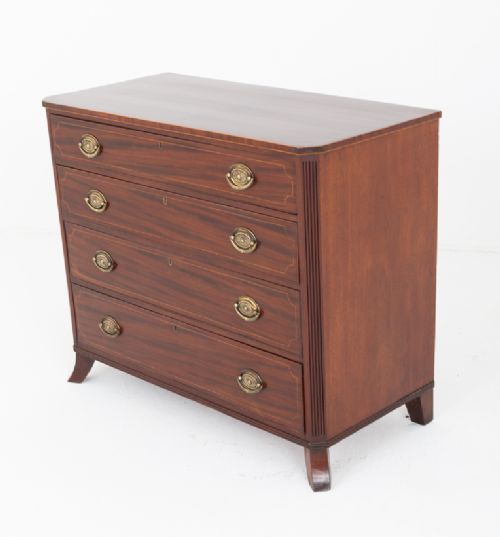
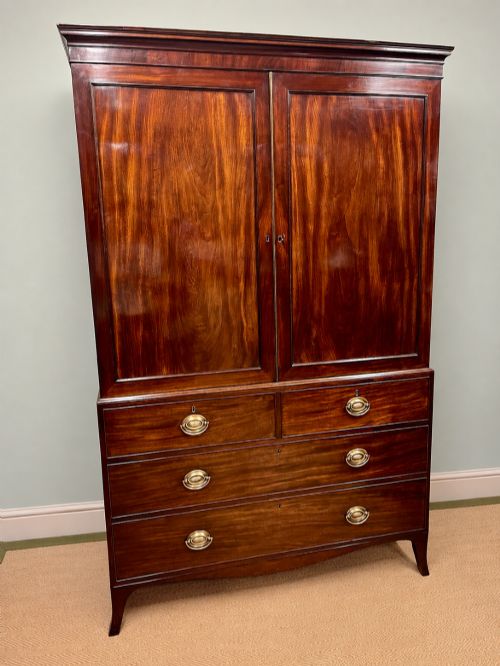
Georgian period storage furniture encompasses chests of drawers, linen presses, corner cupboards, and side cabinets designed for domestic utility. Pieces span the Georgian, Regency, George III, and George IV eras, alongside examples from the eighteenth and nineteenth centuries.
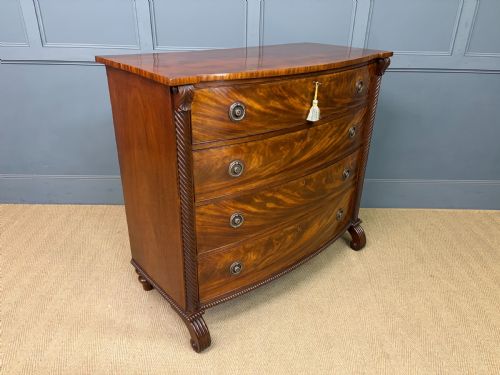
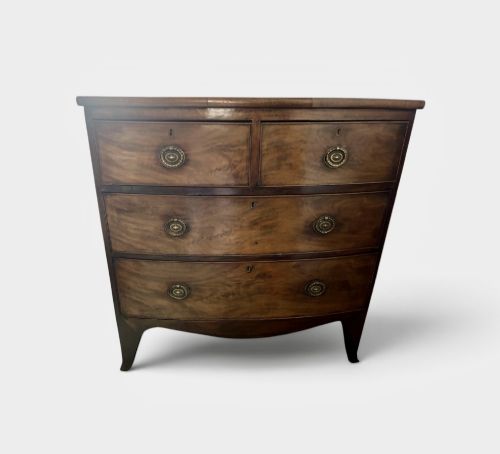
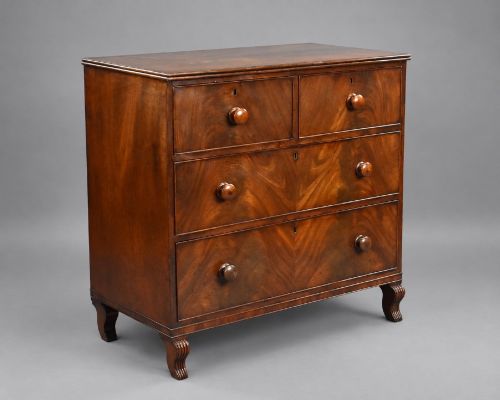
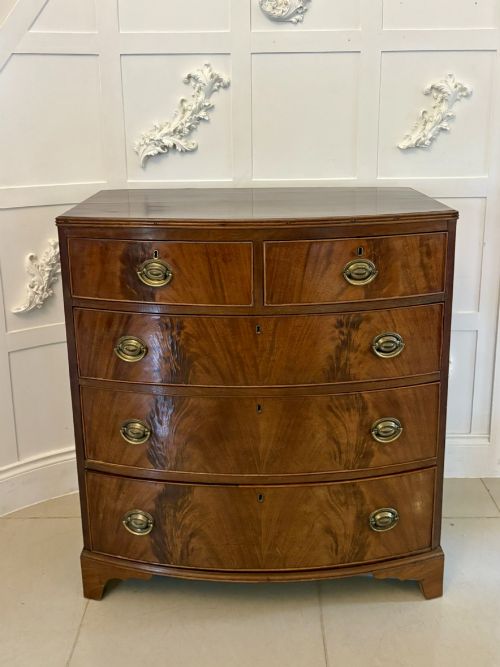
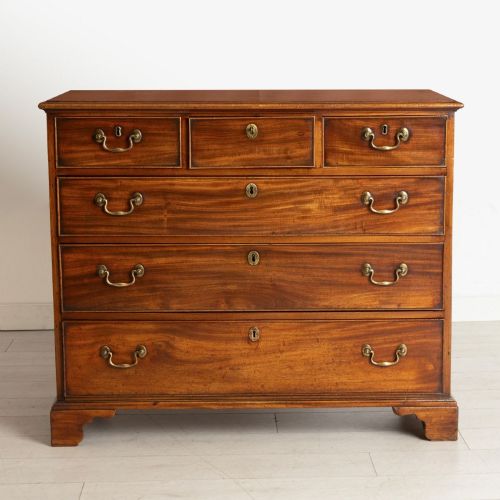
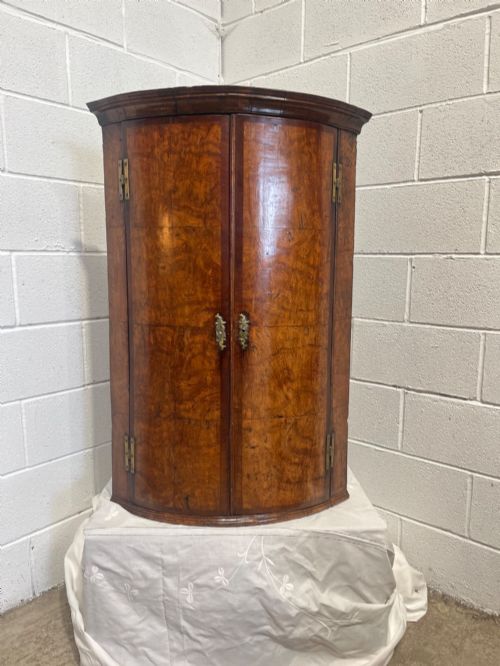
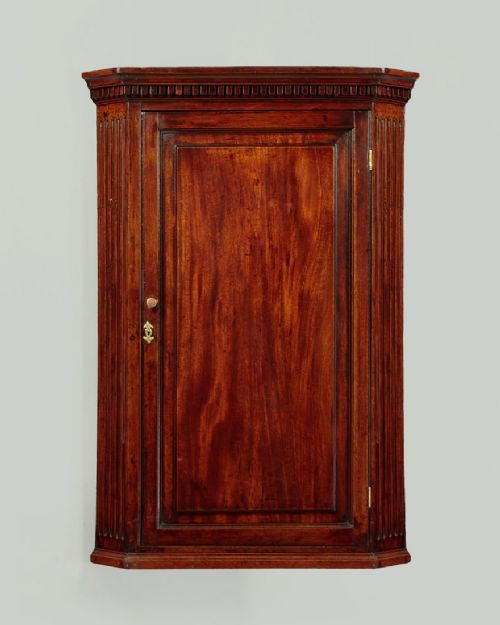
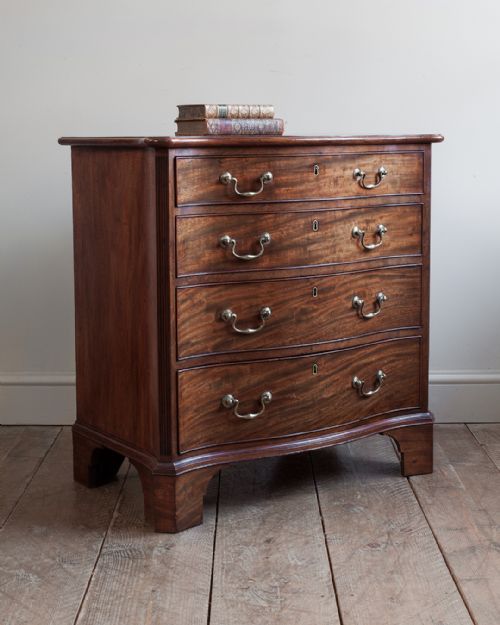
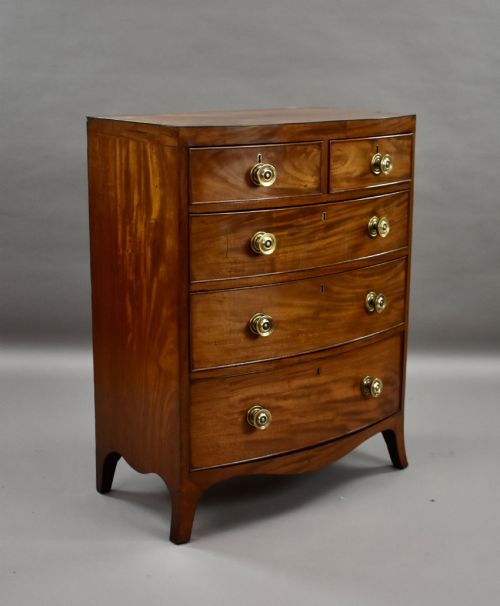
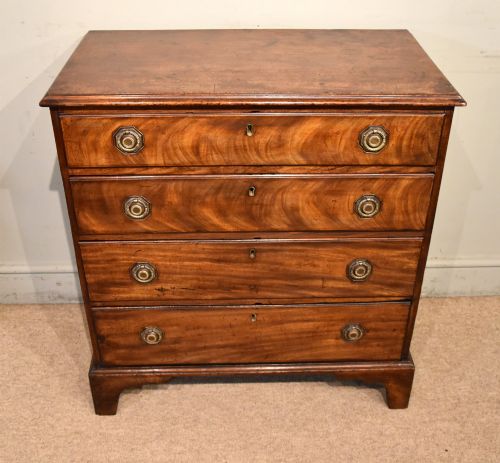
Chest of drawers forms dominate the available selection, frequently appearing in mahogany with bow fronts or bracket feet. Buyers also encounter corner cabinets, wine coolers, and pedestal cupboards constructed from oak, walnut, and figured veneers.
Materials and construction methods
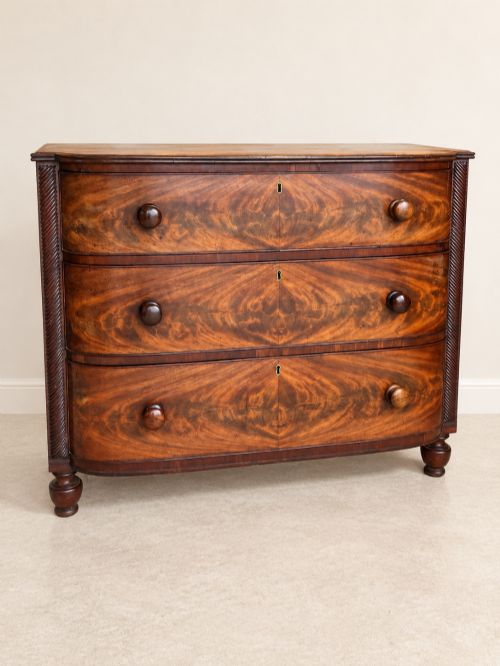
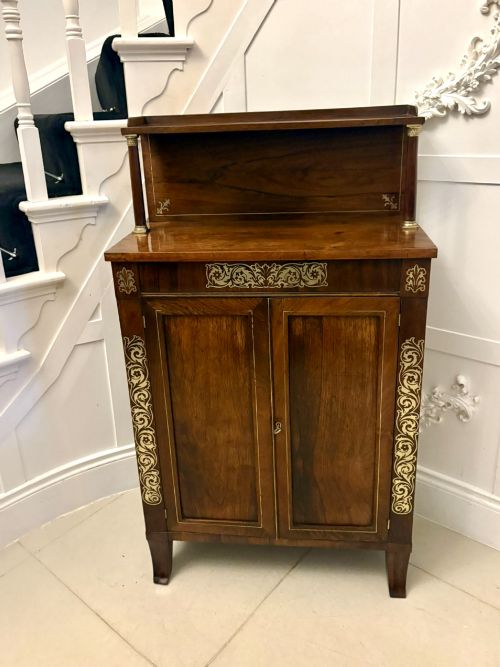
Cabinet makers utilised solid timber and veneers, primarily selecting mahogany, oak, and walnut for primary surfaces. Flame mahogany veneer, satinwood, and yew wood supplied decorative grain patterns on drawer fronts and cabinet doors.
Brass handles, escutcheons, and hinges provided functional hardware and structural accents. Joinery relied on traditional techniques to house drawers and support bracket feet or plinth bases.
Listings feature mahogany, oak, walnut, yew wood, and satinwood across various chest and cupboard configurations.
Distinctions in quality
Selection of timber grain dictates visual appeal, with figured mahogany and burr oak achieving greater prominence. The crispness of carved details and the depth of natural patina separate standard items from superior works.
Original hardware, working locks with keys, and intact bracket feet preserve historical integrity. The precision of drawer dovetailing and the alignment of bow front profiles indicate workshop competence.
The Georgian Period Storage Furniture Glossary
- Bow front
- A convex curved front profile popular on chests of drawers and cabinets during the Georgian and Regency periods. This curved shape softens the rigid angles of domestic interiors.
- Bracket foot
- A structural support foot shaped like a bracket, commonly found on eighteenth and nineteenth-century case furniture. It lifts the cabinet body cleanly off the floor.
- Cellarette
- A lockable container used for storing and cooling bottles of wine within dining rooms. Examples often utilise pollard oak or mahogany with fitted interior compartments.
- Linen press
- A tall cupboard featuring upper sliding trays or shelves for textiles above lower storage drawers. These dual-purpose pieces formed essential bedroom furniture.
- Patina
- The surface sheen and colour developed by timber over decades of handling and polishing. Good patina reflects age and continuous care.
Georgian Period Storage Furniture: Frequently Asked Questions
What is georgian period storage furniture?
Georgian period storage furniture refers to timber chests, cupboards, and cabinets manufactured during the eighteenth and early nineteenth centuries. These items served domestic storage needs for clothing, linens, and provisions.
Craftsmen built these pieces primarily in mahogany, oak, and walnut, often incorporating decorative veneers and brass hardware. The category encompasses distinct forms such as bow front chests, corner cupboards, and linen presses.
How do I identify a george iii chest of drawers?
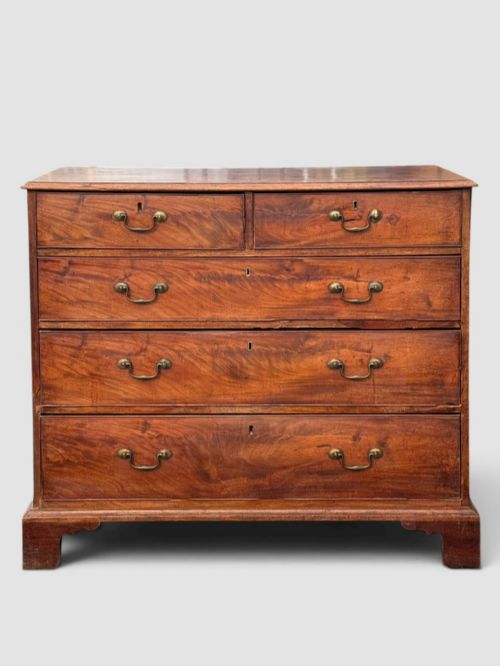
George III chests typically feature proportioned drawer configurations, such as two small drawers over three larger ones, supported by bracket feet. Timber selection often focuses on figured mahogany or oak.
Examination of the drawer linings and backboards reveals hand-cut dovetails and traditional joinery methods. Many retain original brass handles and working locks appropriate to the period.
Where were corner cupboards placed?
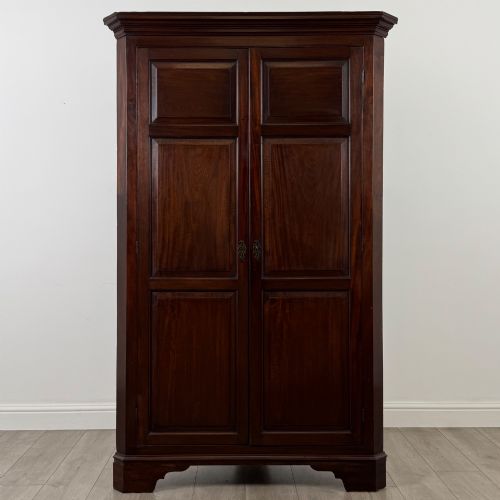
Corner cupboards were designed to fit directly into the unused right angles of domestic rooms. Floor-standing and hanging versions utilised available space efficiently.
These cabinets stored tableware, documents, or household goods, keeping items organised within parlours and dining spaces. Their triangular footprints maximised room layouts.
How do I care for antique mahogany furniture?
Antique mahogany requires stable indoor humidity and protection from direct sunlight to prevent timber warping and fading. Regular dusting with a soft cloth maintains the surface.
Occasional application of appropriate wax polish preserves the natural patina without building up heavy residues. Avoid placing timber pieces near direct heat sources.