


Georgian Period Seat Furniture
Georgian period seat furniture spans sturdy country settles to refined mahogany dining chairs, offering enduring timber construction and period character for any interior.
Georgian Period Seat Furniture
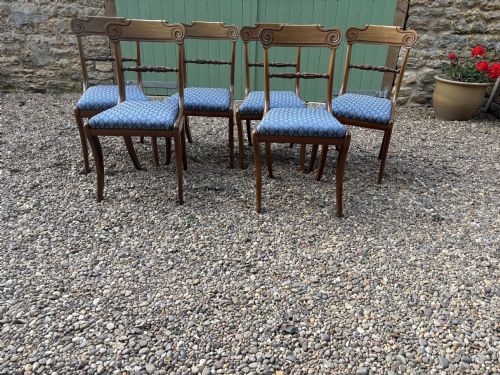
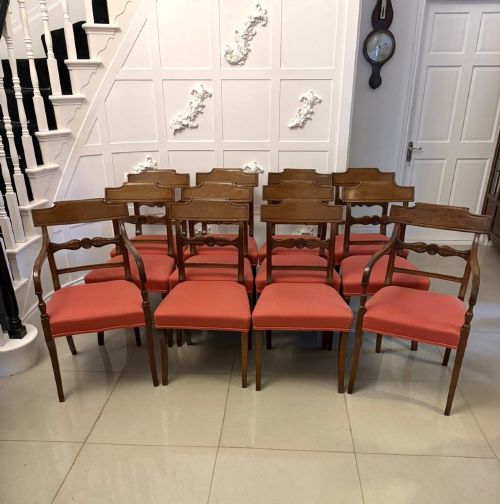
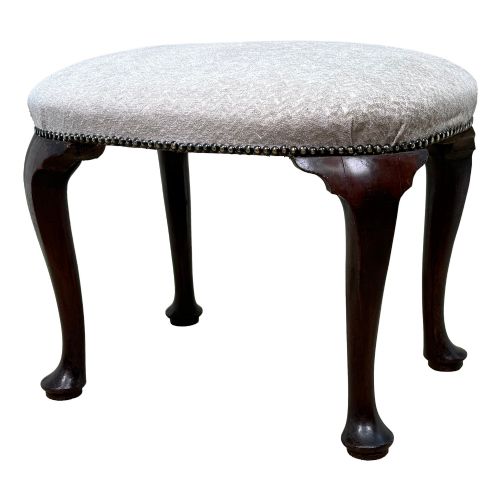
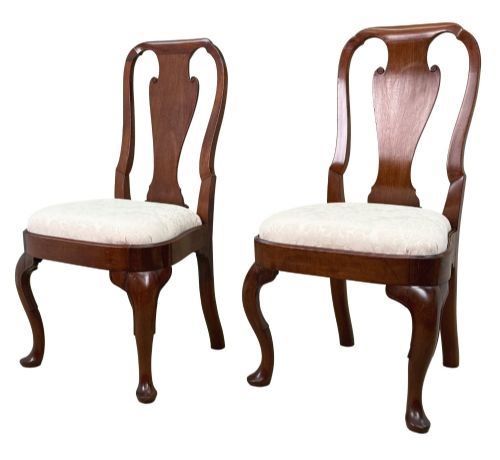
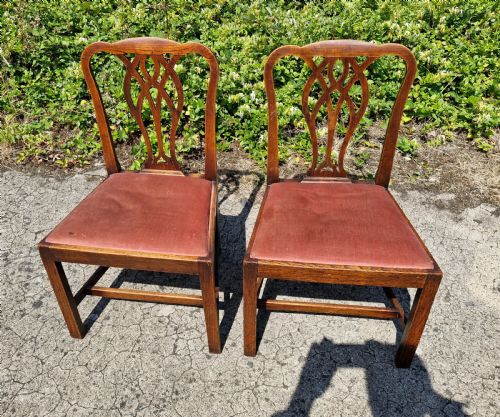
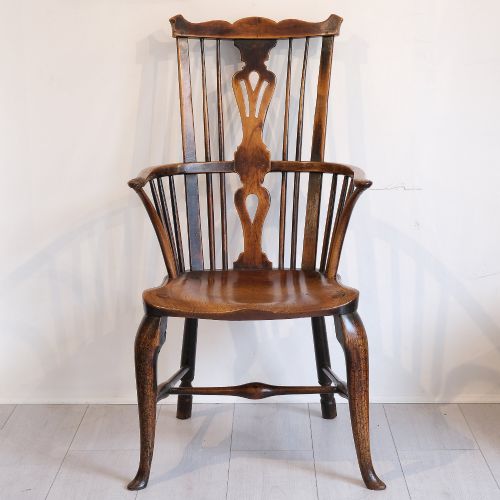
When you search for georgian period seat furniture, you encounter a diverse range of seating spanning dining chairs, armchairs, benches, settles and stools. The listings show pieces originating across the eighteenth and nineteenth centuries, taking in stylistic influences from Queen Anne through to the Regency era.
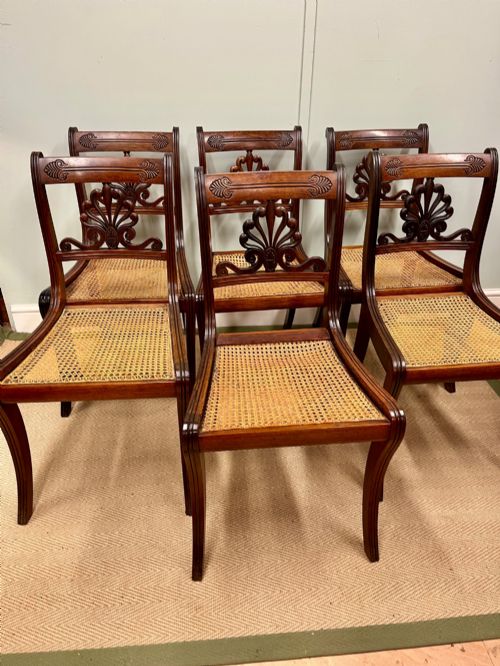
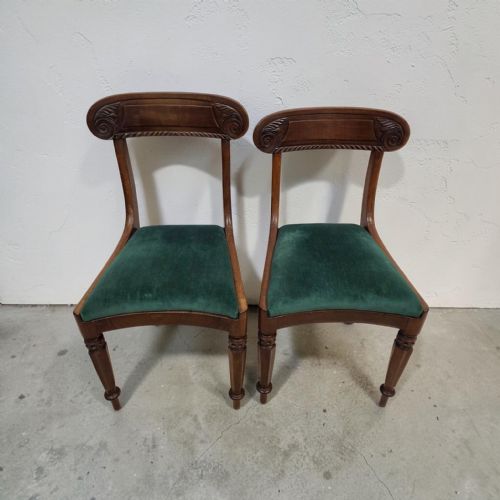
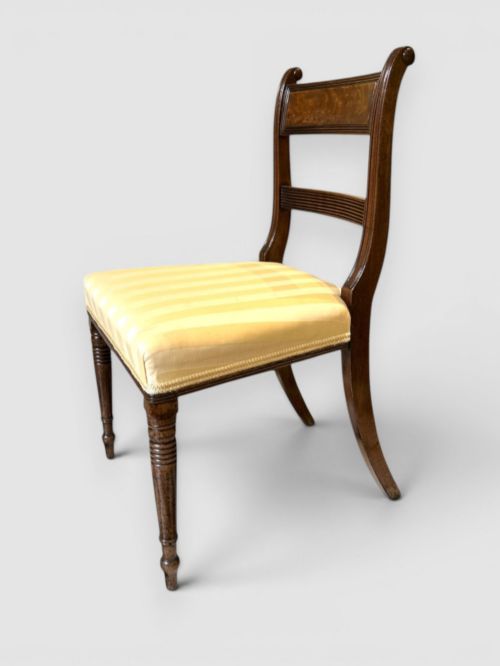
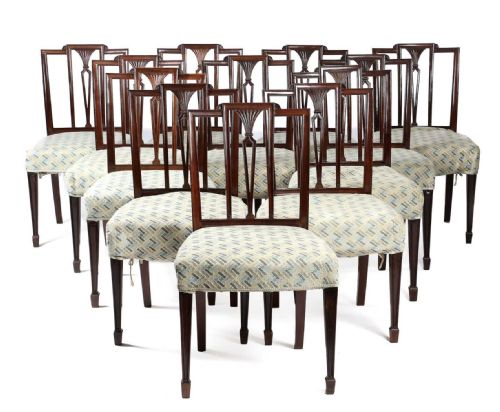
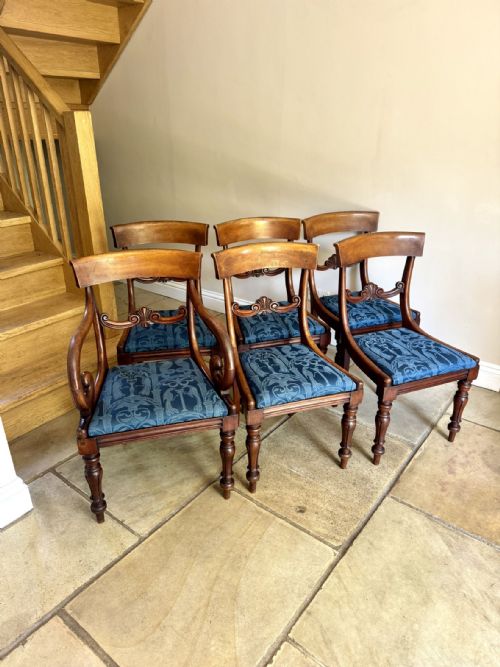
Dining chairs and side chairs form a significant part of the selection, often appearing in sets alongside individual armchairs and window seats. Country house examples in elm and oak sit alongside formal town pieces in mahogany and walnut.
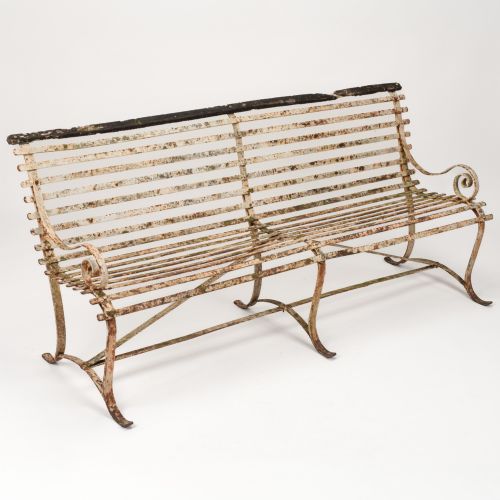
Specialist forms such as child chairs, high chairs and garden benches in wrought iron also appear within the selection. These pieces reflect the varied domestic and garden requirements of their original households.
Materials and Technique
Makers utilised timber such as mahogany, walnut, oak, elm and rosewood to construct the frames of these seats. Joinery techniques ensured structural rigidity in daily use, while secondary timbers were selected for hidden framing components.
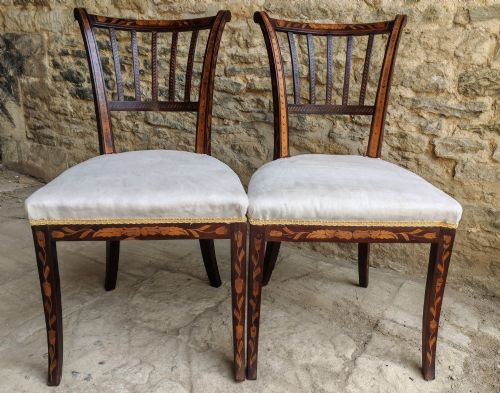
Surface treatments included polished finishes to reveal the grain of the wood, alongside painted decoration and marquetry inlay. Seats incorporated upholstery, cane work, leather and brass details depending on the formal requirements of the piece.
The inventory spans the eighteenth and nineteenth centuries, capturing stylistic shifts from Queen Anne and George III to the Regency period.
Distinction in Craft
The degree of carving and detail separates standard utility seating from high-status examples produced for formal reception rooms. Crispness in carved ornament and balance in proportions indicate the skill of the original workshop.
The integrity of the timber frame and the retention of original surface patination influence the character of each piece. Matching sets demonstrate greater consistency in design and timber selection across all individual chairs.
The Georgian Period Seat Furniture Glossary
- Settle
- A wooden bench with a high back, solid arms and often a box base for storage. They sat beside hearths in country houses to block drafts.
- Bergere
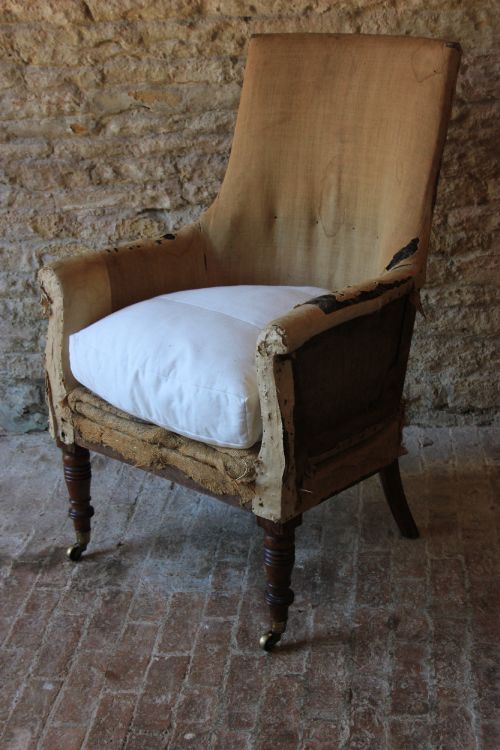
- An enclosed upholstered armchair with wooden framing exposed around the sides and back. Cane panels frequently formed the sides of these seats.
- Strapwork
- Flat ornamental scrollwork resembling intersecting bands of metal or leather. Wrought iron garden benches frequently utilised this technique for their backrests.
- Comb back
- A Windsor chair variation where the vertical spindles of the back extend upward to pierce a top rail resembling a comb.
- Carver
- An armchair designed to match a set of dining chairs, typically positioned at the head of a dining table.
Georgian Period Seat Furniture: Frequently Asked Questions
How do I identify a genuine period chair?
Examine the timber species, joinery construction and wear patterns visible on the underside and frame joints. Period pieces display traditional hand-cut joints and timber ageing consistent with eighteenth or nineteenth-century production.
Compare the proportions and carving style against established design books from the Georgian and Regency eras. Consistency in materials across the frame provides further indication of authenticity.
Were these chairs used daily?
Most pieces served practical functions in dining rooms, halls, libraries and gardens for generations before entering the antiques market. Their robust construction in dense timbers like mahogany and oak ensured they withstood heavy domestic routines.
Signs of historical use, including minor surface scuffs and wear on foot rails, demonstrate their authentic past. Maintenance over the centuries often included re-upholstering or tightening loose joinery.
Can I use these chairs around a modern table?
Georgian and Regency dining chairs integrate successfully with contemporary dining tables, provided seat heights and proportions align comfortably. Standard dining heights have shifted slightly over time, so checking clearance dimensions remains advisable.
Mixing antique single chairs with a modern table creates a layered interior aesthetic. Ensure structural stability is checked before daily seating use.
How should I care for antique timber seating?
Maintain stable indoor humidity levels and keep wooden seat furniture away from direct heat sources and strong sunlight. Sudden temperature fluctuations cause timber to expand and contract, risking splits in dry wood.
Apply microcrystalline wax periodically to nourish the surface polish and protect the timber grain. Avoid abrasive cleaning products that strip historical patina.