
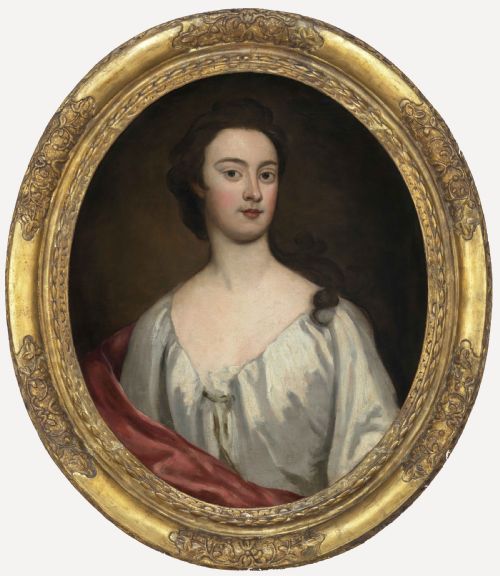
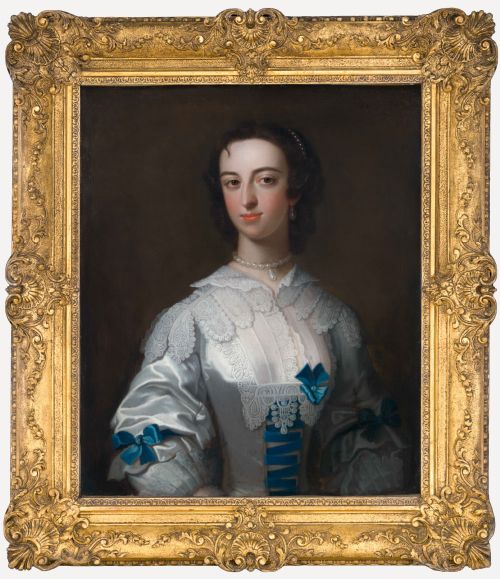
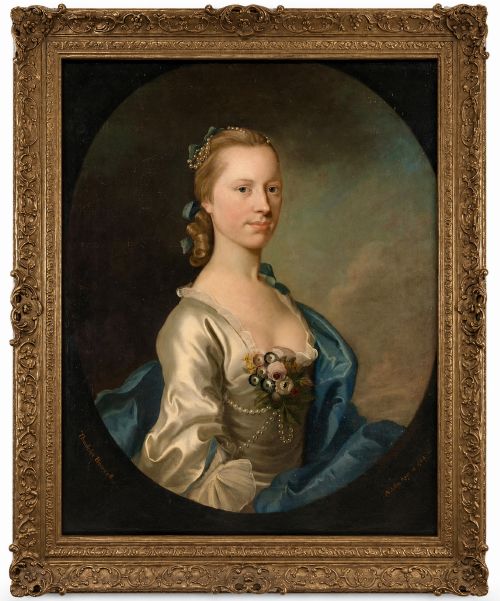

Georgian Period Oil Portrait
A georgian period oil portrait captures the presence of an earlier century through layered oil paint and canvas.
Georgian Period Oil Portrait
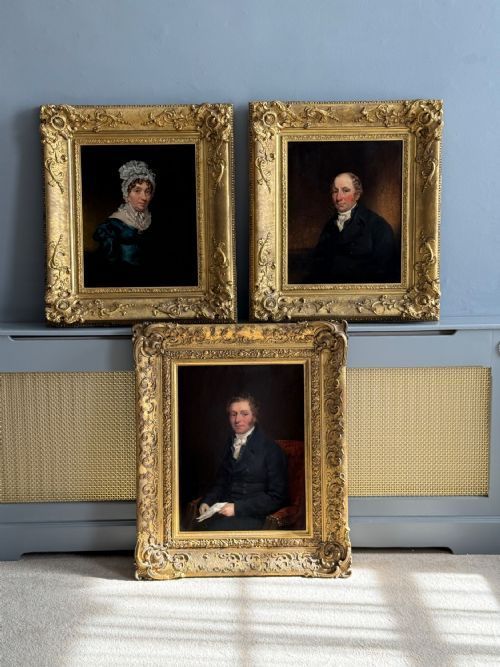
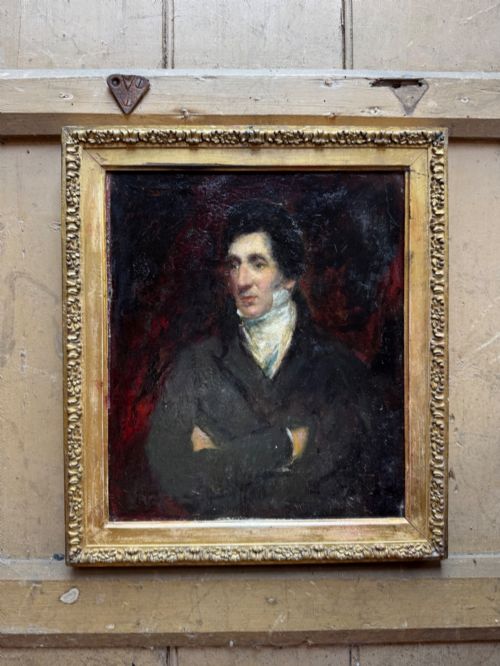
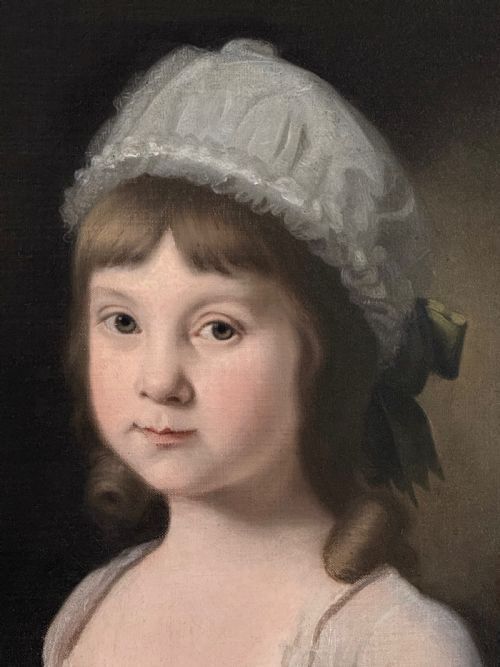
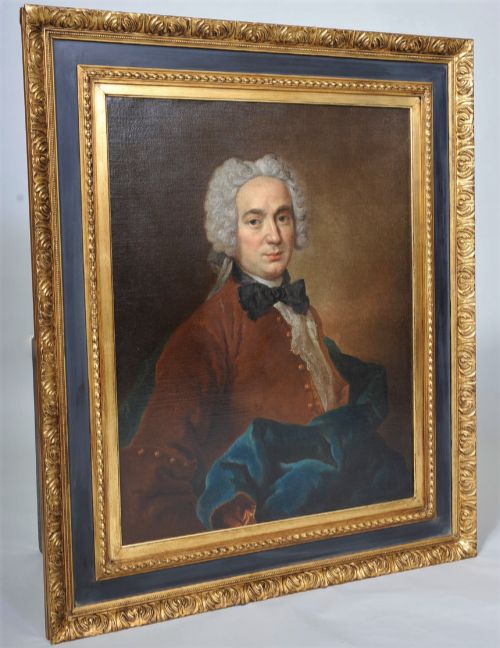
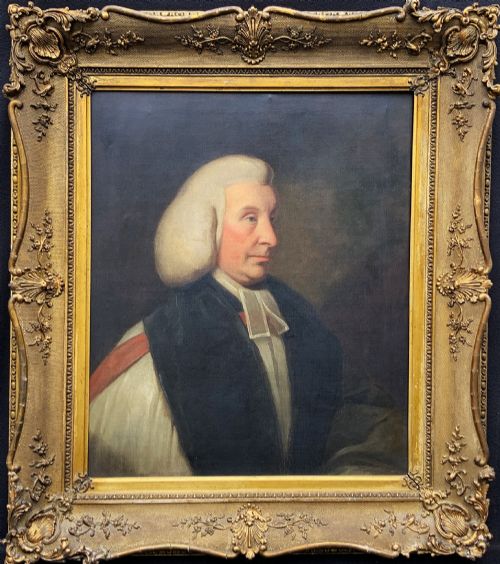
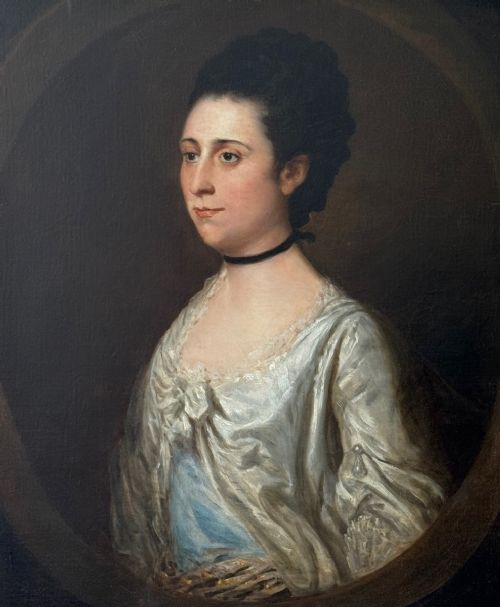
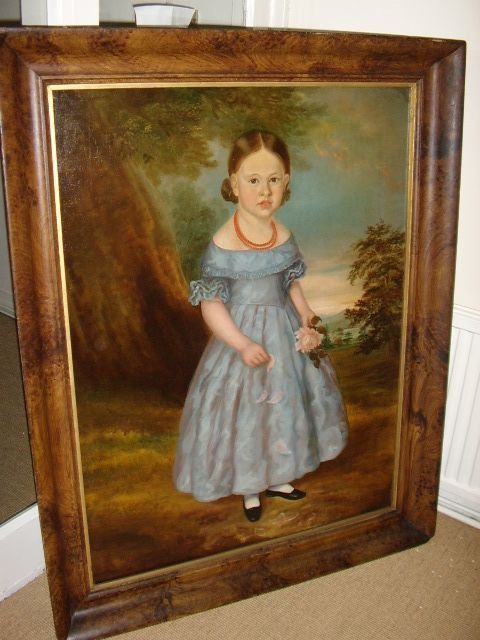
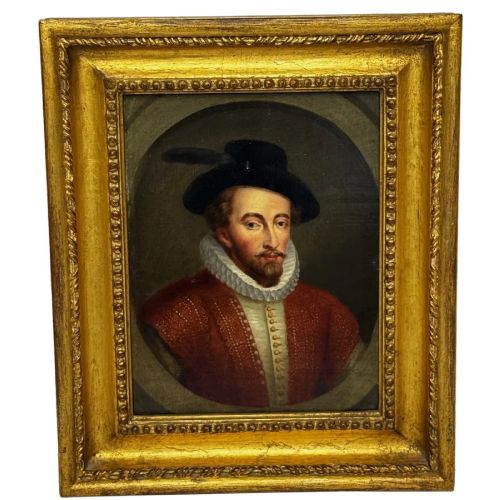
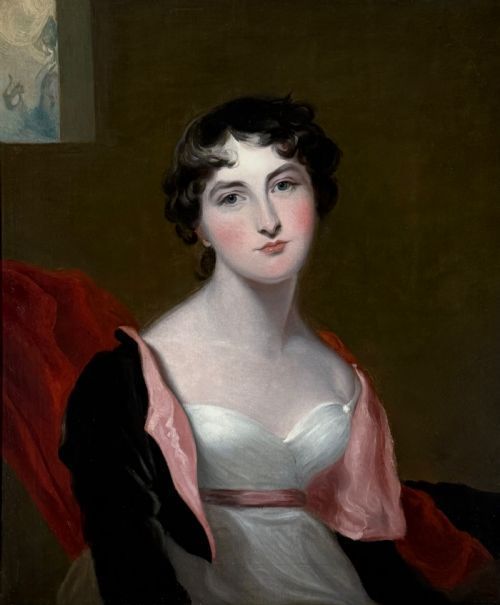
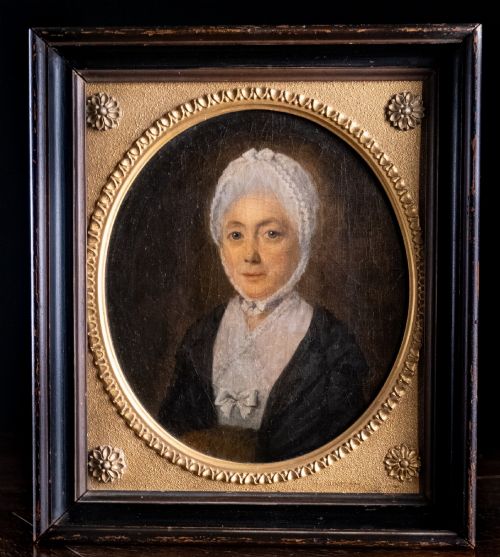
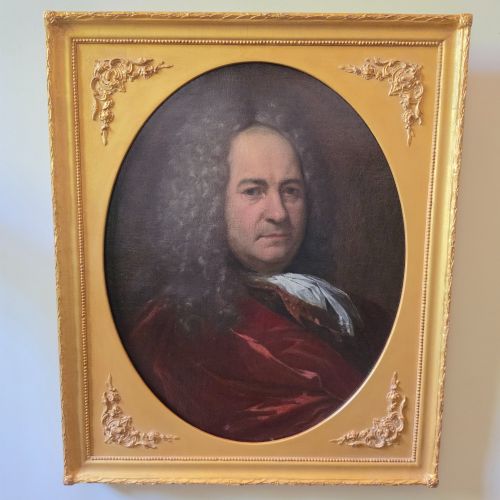
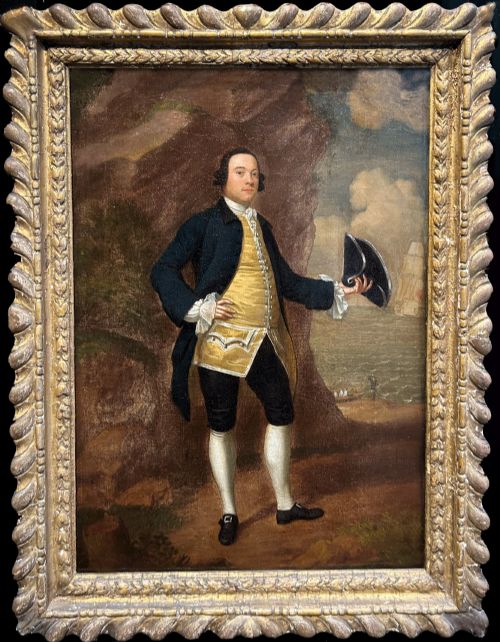
A georgian period oil portrait records the likeness of sitters from the eighteenth and early nineteenth centuries, painted primarily in oils on canvas or panel. These works range from formal depictions of aristocrats and medical doctors to intimate studies of children and family groups.
Buyers frequently encounter pieces originating from the eighteenth century, the Regency era, and the broader Georgian epoch. Subjects include named individuals, members of the English school, and anonymous sitters rendered in distinct regional styles.
The format spans individual bust-length canvases, pairs of portraits depicting gentlemen and ladies, and occasional works executed on copper or wood panel. Many survive within their original giltwood or gold leaf frames.
How they were made
Artists built these images using oil paint applied to stretched canvas, wood panel, or copper plates. Painters employed grounded layers to receive pigment, working up details in clothing, lace, and flesh tones with fine bristle brushes.
Many works were finished within structured workshops or circles associated with prominent painters, utilising traditional pigments bound in oil. Framing relied on carved wood finished with giltwood and gold leaf to complement the canvas.
Georgian Period Oil Portrait Retail Price Guide 2026
Typical asking prices for georgian period oil portrait among the pieces listed under this phrase on Sellingantiques today, from the lower quarter to the upper quarter. They describe what is for sale here now, not the wider market.
Listings feature works spanning the seventeenth, eighteenth, and nineteenth centuries, executed primarily in oil on canvas alongside examples on copper and panel.
What varies in quality
The success of a georgian period oil portrait depends upon the handling of facial expression, proportion, and the textures of silk, velvet, or lace. Superior examples reveal confident brushwork in the rendering of hands and eyes, whereas weaker pieces display stiffness in posture and flat background treatment.
Condition plays a significant part in assessment, including the stability of the original canvas, the presence of old relining, and the survival of matching period frames. Works associated directly with known portraitists or documented sitters carry distinct historical weight compared to anonymous provincial school paintings.
Joseph Clover RA·Joshua Reynolds PRA·Thomas Beach·Sir Thomas Lawrence PRA·Allan Ramsay·Jeremiah Davison·Henry Pickering·James Maubert·Joseph Highmore·John Hamilton Mortimer·George Morland
The Georgian Period Oil Portrait Glossary
- Oil on Canvas
- A painting medium where pigments suspended in drying oils are applied to a woven fabric support. This surface became the standard medium for British portraiture throughout the Georgian era.
- Giltwood
- Wood that has been coated with a thin layer of gold leaf or gilt powder. Frames executed in this material often define the period style associated with the artwork.
- English School
- A classification for artworks produced by artists working within Britain who shared stylistic traditions. These painters formed the backbone of portrait production during the eighteenth century.
- Regency
- The historical period spanning the early nineteenth century defined by specific shifts in fashion and portraiture. Works from this phase exhibit distinct costume details such as simpler waistlines and modified hairstyles.
- Panel
- A rigid support constructed from wood used by artists before canvas became universal. These surfaces provide a smooth ground for detailed early portrait painting.
Georgian Period Oil Portrait: Frequently Asked Questions
How do I identify a Georgian portrait?
Look closely at the sitter's costume, hair styling, and the construction of the canvas or panel. Clothing details such as lace collars, silk waistcoats, and powdered wigs offer clear chronological markers for the eighteenth and early nineteenth centuries.
Examination of the stretcher frames, nails, and canvas weave further assists in confirming the period of origin. Archival inscriptions or labels on the reverse often supply the names of the sitter or the artist's studio.
Were these painted from life?
Most formal portraits were painted from direct sittings in an artist's studio, though artists frequently utilised preparatory sketches. Portraitists often employed assistants to complete secondary elements like drapery and background scenery.
Posthumous portraits or copies commissioned after a sitter's death relied on existing miniatures, earlier paintings, or family descriptions. These commemorative works maintained the visual conventions of the period despite lacking a living subject.
How should I hang an oil portrait?
Position the portrait away from direct sunlight, high humidity, and rapid temperature fluctuations to protect the oil paint and canvas. Stable indoor conditions prevent the wood panel or canvas from warping and keep the paint layer from cracking.
Ensure the wall fixings match the weight of the heavy giltwood frames typically found on these pieces. Professional picture hooks secured into wall studs provide the necessary support for antique paintings.
What does circle of an artist mean?
This term indicates that a painting was produced by an anonymous hand working in close proximity to a master. These artists adopted the techniques, palette, and compositional style of a recognised painter without being the master himself.
Such works reflect the dominant aesthetic of major studios during the Georgian era. They offer collectors the stylistic qualities of prominent portraitists within works executed by contemporary peers.