
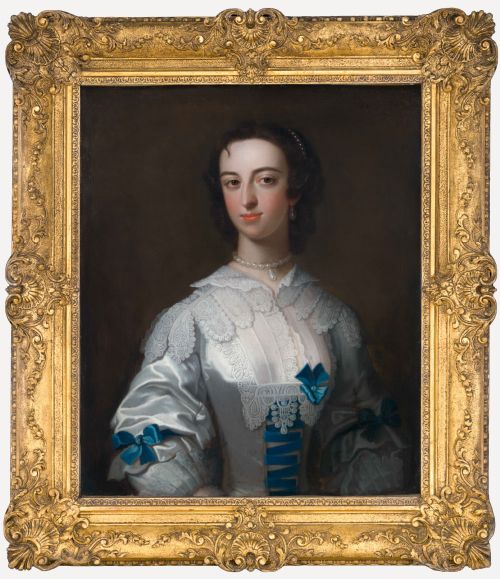
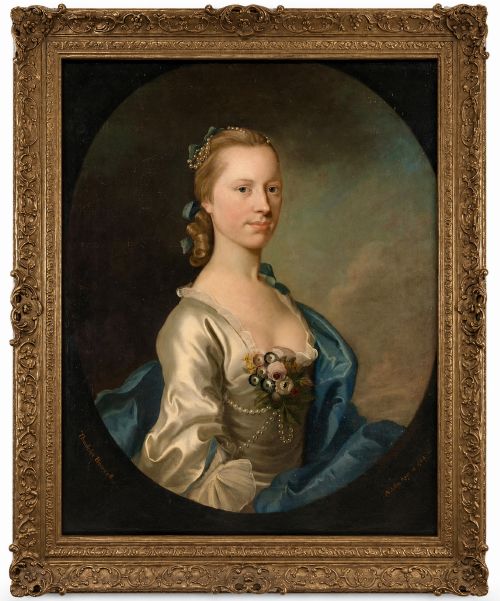


Georgian Period Canvas Portrait
When choosing a georgian period canvas portrait, you invite centuries of character and hand-rendered oil painting into your home.
Georgian Period Canvas Portrait
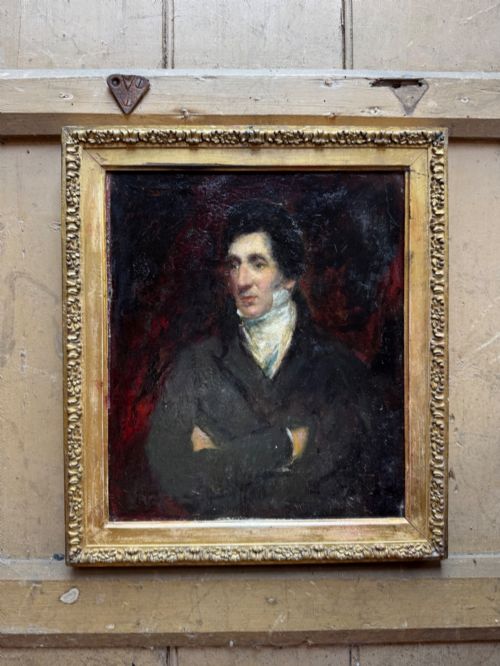
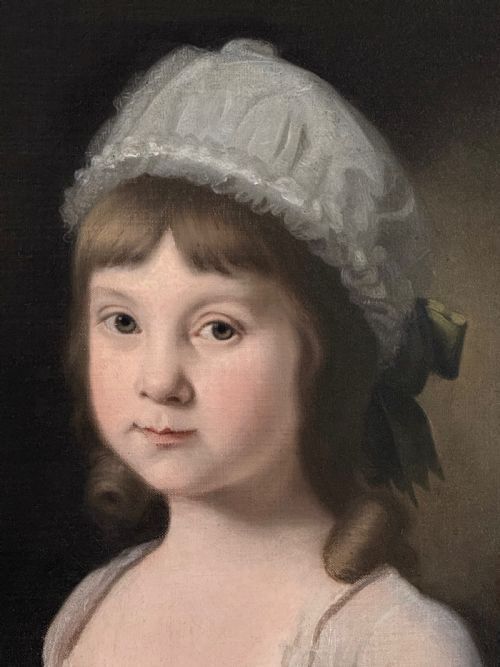
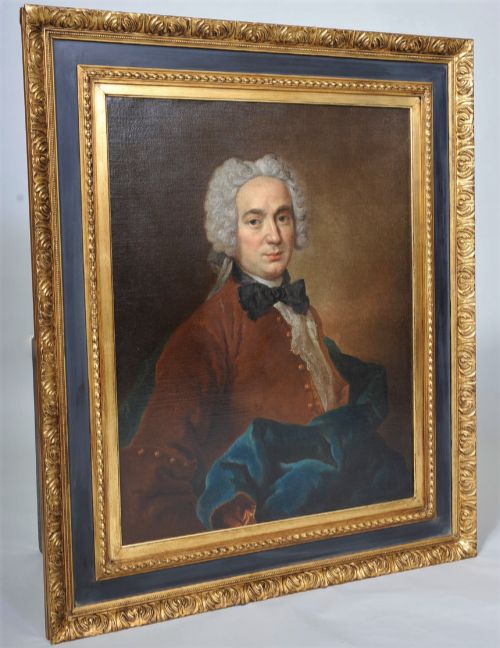
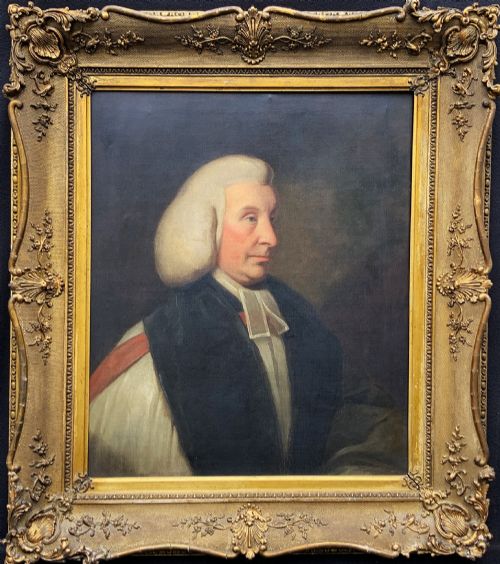
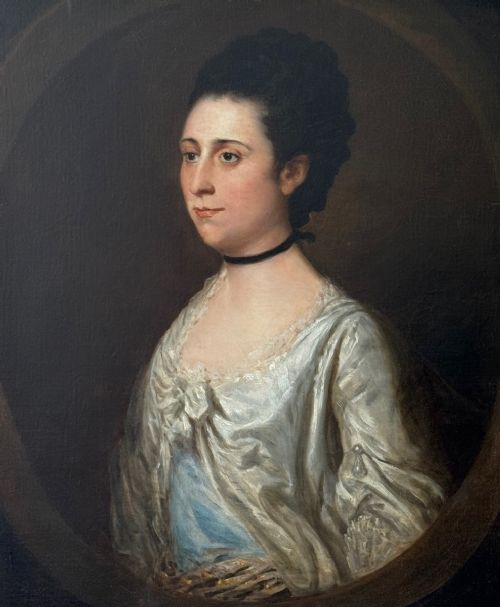
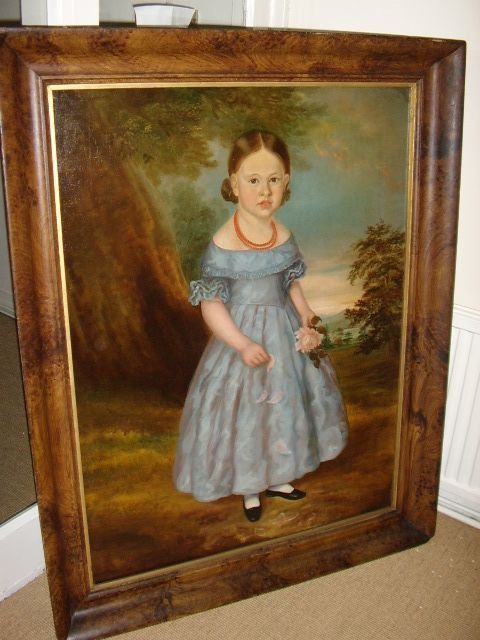
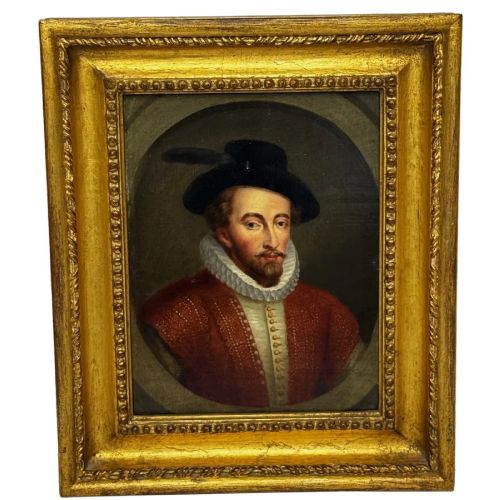
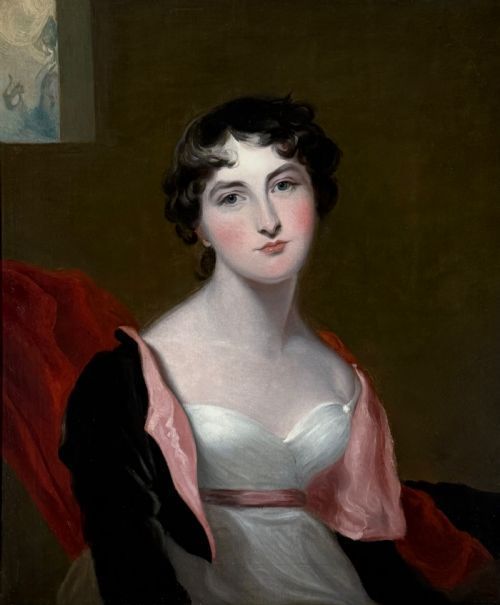
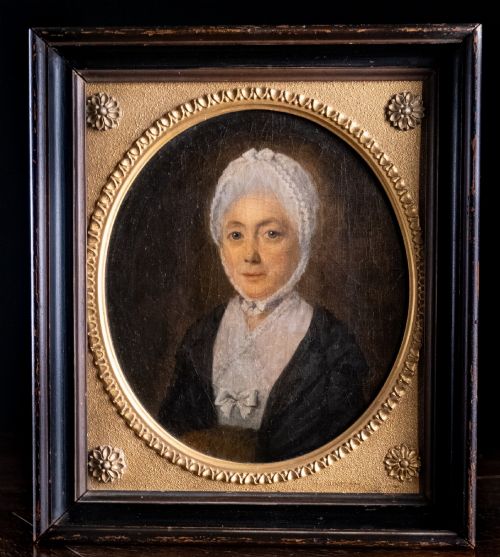
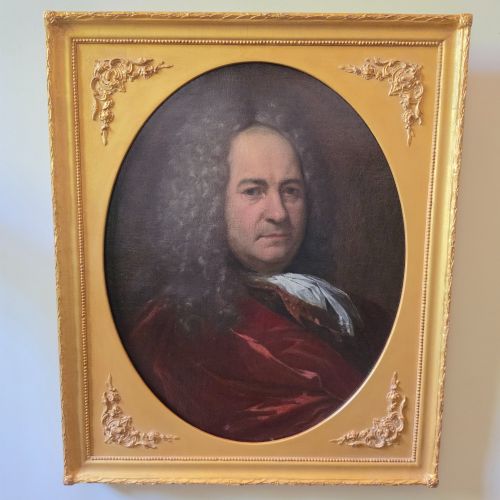
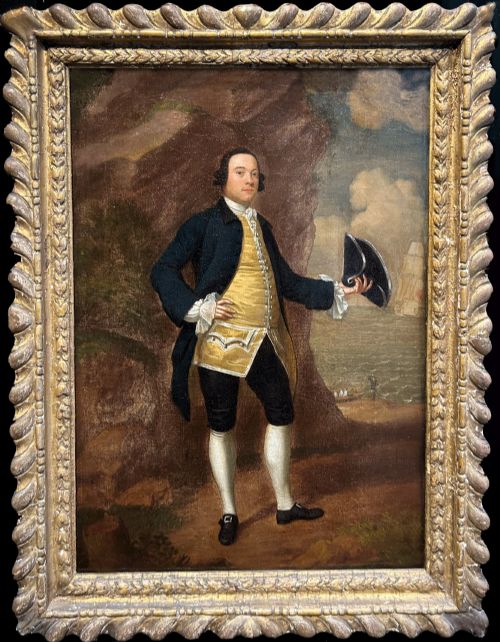
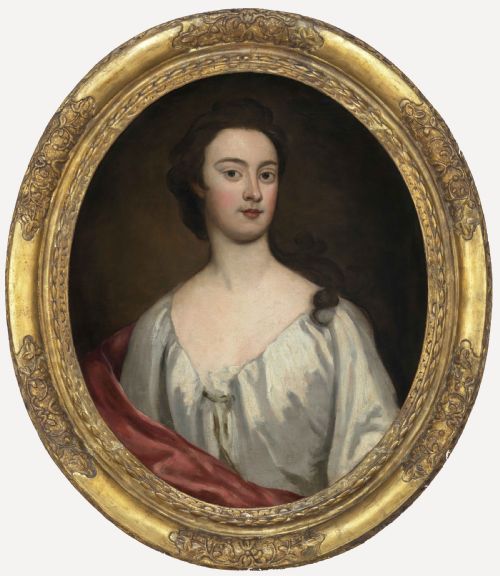
A georgian period canvas portrait captures the likeness of sitters ranging from aristocracy to children, medical doctors, and privateers. These works manifest primarily as oil paintings executed on woven textile supports during the eighteenth and early nineteenth centuries.
The selections span the 17th century through the 19th century, incorporating specific epochs such as the Regency and early Georgian intervals. Subjects appear either individually or as matched pairs within original wooden frames.
Represented works include pieces by recognised artists, circles of established masters, and examples from the English Naive Art tradition. Portraiture from this span documents personal identity through contemporary dress, facial expression, and associated objects like dogs or architectural backdrops.
Materials and construction
Makers built these objects using oil paint applied to stretched canvas, often supported by wooden stretcher frames. Pigments were manipulated to render fabrics like silk and velvet, alongside flesh tones and detailed costume elements.
Surrounding many canvases are period frames constructed from wood, frequently enhanced with giltwood, gold leaf, or carved details. These enclosures preserve the structural integrity of the textile while framing the painted composition.
One domestic interior scene captures a gentleman's shaving ritual being interrupted abruptly by his wife.
Assessing quality
Quality differentiates works by the anatomical precision of the hands and face, the depth achieved in textile rendering, and the confidence of the brushwork. Studio pieces and works by named painters display superior handling of light and shadow compared to anonymous provincial output.
The survival of original giltwood or wood frames contributes significantly to the integrity of an artwork. Degree of attribution, whether an artist is named directly or linked through a studio or circle, alters the standing of the piece.
Joshua Reynolds·Thomas Beach·Thomas Lawrence·Allan Ramsay·Francis Hayman·Jeremiah Davison·Henry Pickering·James Maubert·Joseph Highmore·John Hamilton Mortimer·Pierre Gobert·Rolinda Sharples
The Georgian Period Canvas Portrait Glossary
- Canvas
- A heavy woven fabric used as a support for oil paintings. It is stretched tightly across a wooden frame before painting.
- Giltwood
- Wood that has been treated with a thin layer of gold leaf or gold paint. This finish frequently decorates period picture frames.
- Regency
- An architectural and design period spanning the early 19th century in Britain. Portraits from this era display distinct contemporary clothing and hairstyle conventions.
- Circle of
- A term used in attribution to indicate an artist who worked closely in the style of a master. It denotes proximity to a known hand without direct signature.
- Naive Art
- Artwork created by an artist without formal academic training. These pieces exhibit a flat perspective and charming disregard for strict proportions.
Georgian Period Canvas Portrait: Frequently Asked Questions
What is a georgian period canvas portrait?
These works are oil paintings on textile supports depicting individuals from the eighteenth and early nineteenth centuries. They record historical sitters through traditional European portraiture techniques.
Subjects include nobility, professionals, and children, often captured alongside domestic animals or within architectural interiors.
How were these portraits displayed?
Original owners hung these paintings in domestic rooms, manor houses, and libraries within matching wooden frames. The frames were designed to complement interior decor and protect the canvas edges.
Pairs of portraits of gentlemen and ladies were frequently displayed together to document family lineage and matrimonial alliances.
How do I care for an oil on canvas painting?
Protect the canvas from direct sunlight and extreme fluctuations in humidity and temperature. Dust the surface and the accompanying giltwood frame gently with a dry, soft cloth.
Avoid using water or chemical cleaners on the paint or the gold leaf to preserve the historic materials.
How can I tell if a portrait is 18th century?
Dating relies on the sitter's clothing, hairstyles, and accessories, which followed strict fashion trends during the Georgian and Regency eras. Attribution labels on the reverse and framing styles also provide chronological clues.
Artists' signatures, inscriptions, and recorded provenance further verify the production period of the canvas.