
Georgian Pedestal Stand
A georgian pedestal stand brings elevated form to your interior, serving as a compact surface for lamps, plants, and candles.
Georgian Pedestal Stand
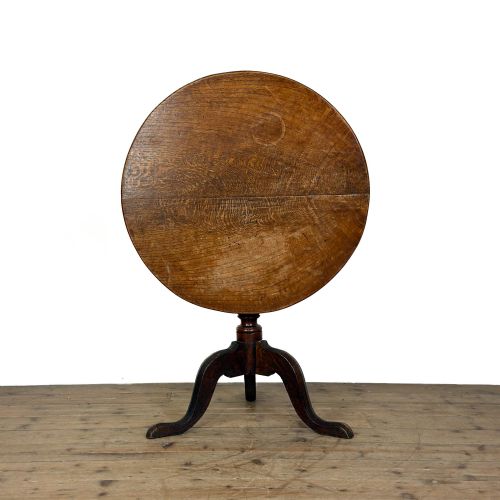
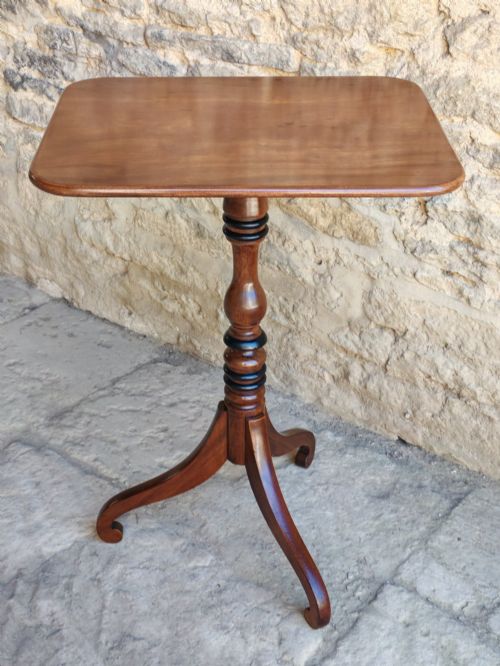
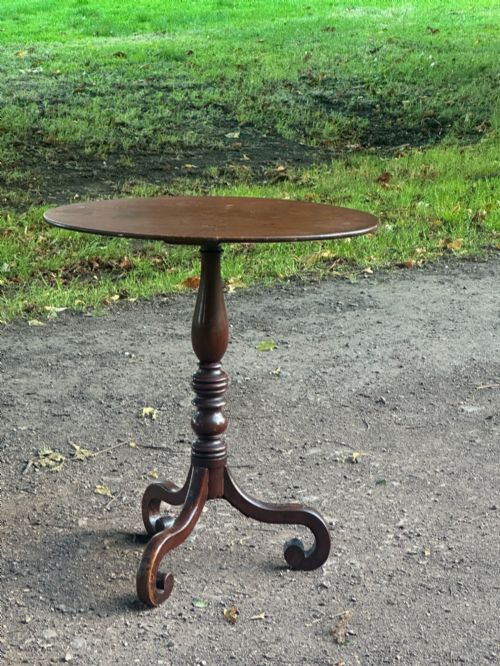
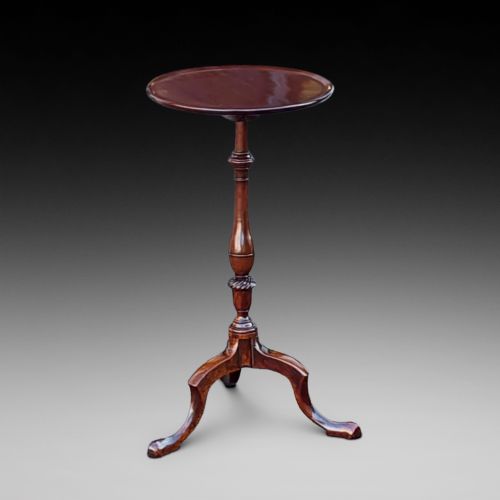
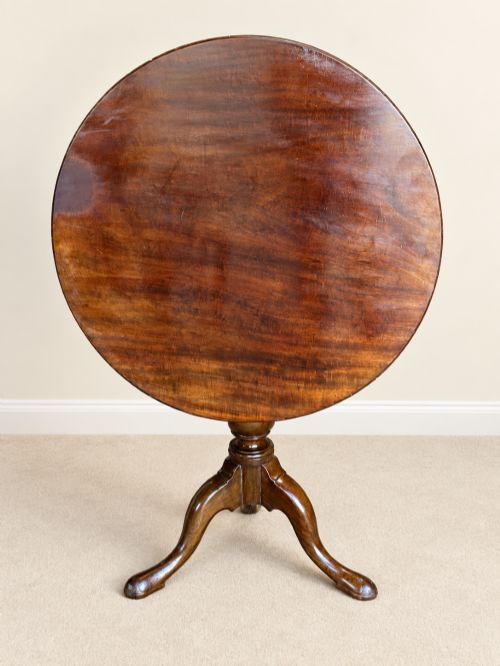
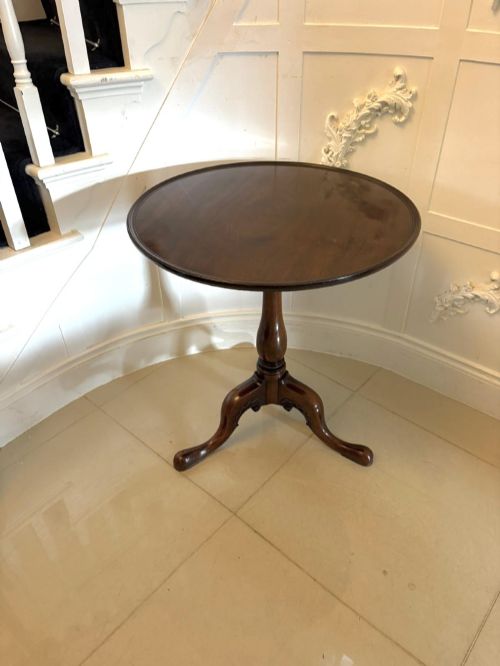
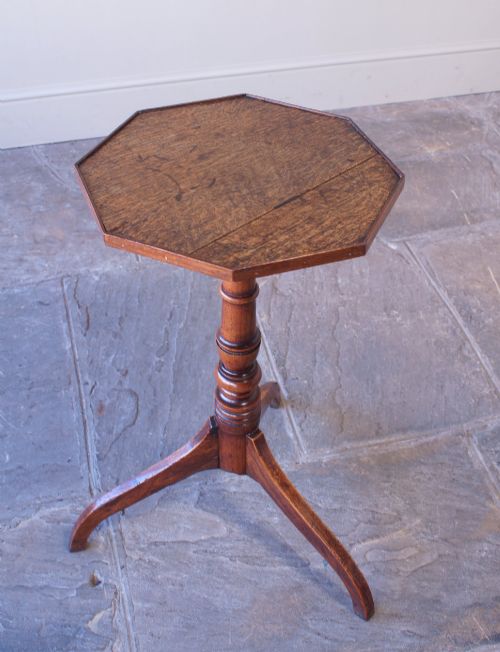
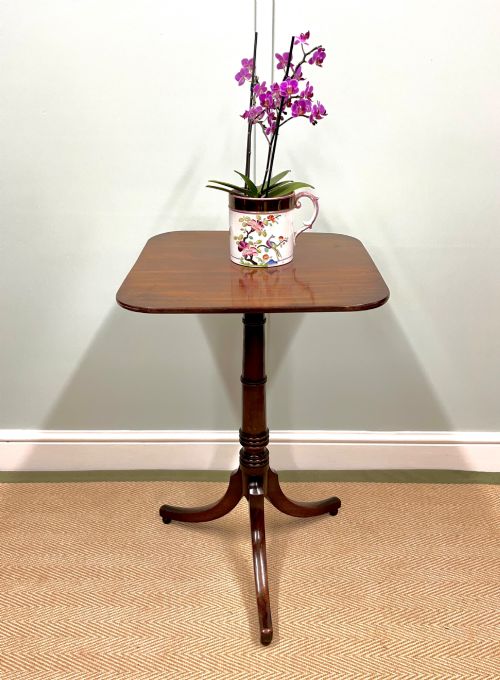
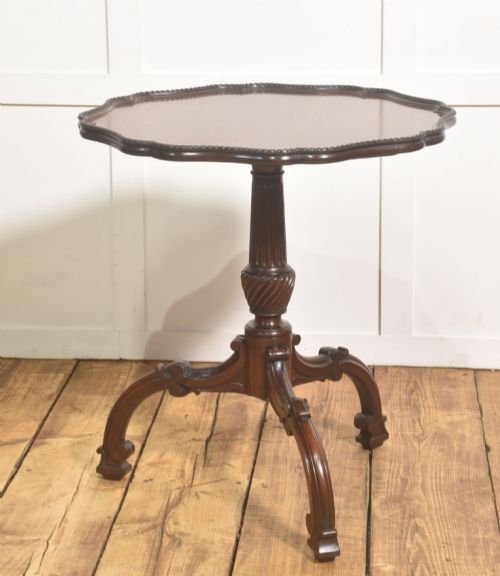
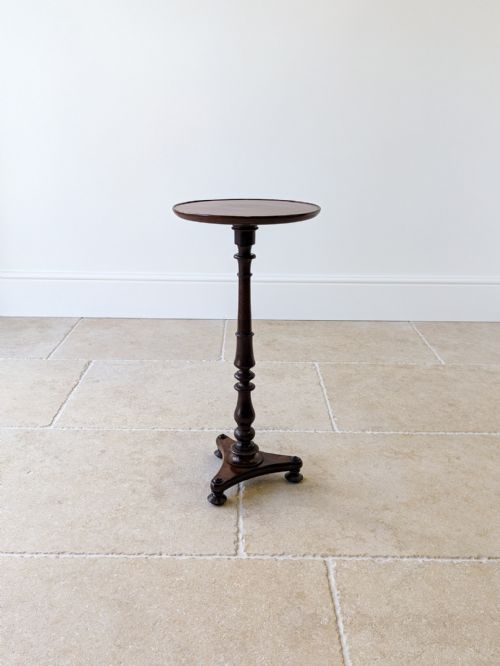
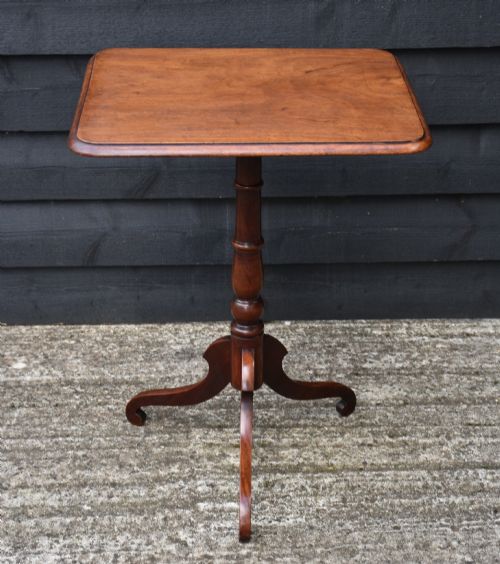
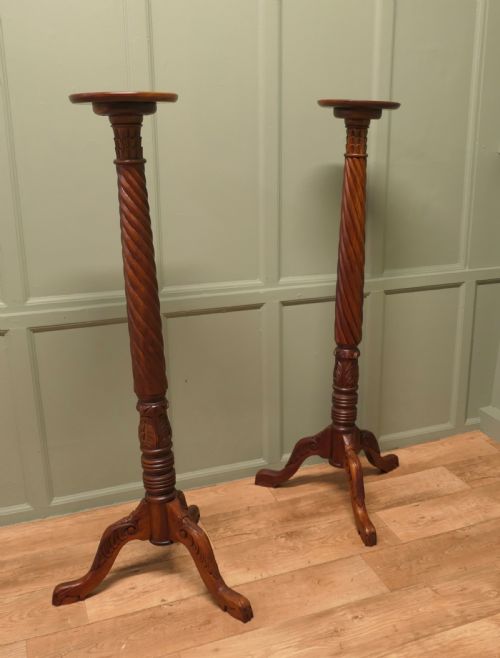
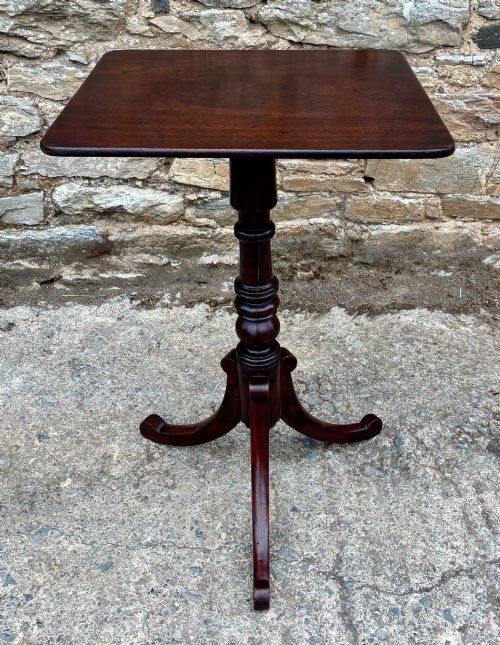
When you search for a georgian pedestal stand, you encounter a selection of compact occasional pieces including wine tables, torchères, and tripod tables. These items were designed to occupy minimal floor space while providing a stable platform for lighting or decorative objects.
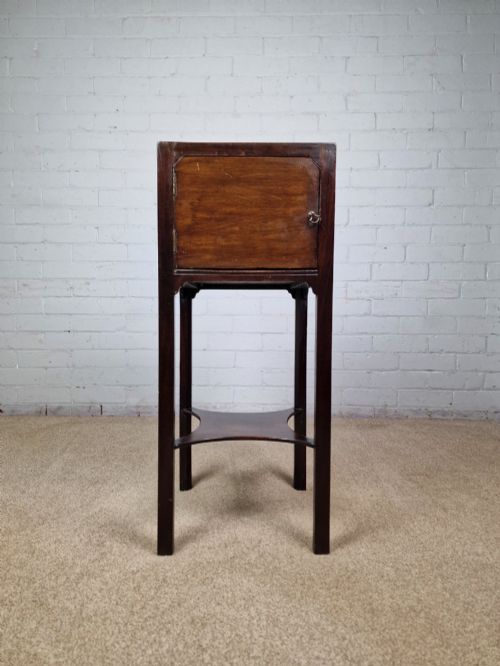
The versions most frequently met on this page date from the eighteenth and nineteenth centuries, alongside later revivals. They appear in forms such as tilt-top tables, plant stands, and bedside cabinets.
Timbers such as mahogany, oak, and walnut dominate the selection, often finished with tripod base supports or pedestal columns. Their utility has remained constant, moving easily from sitting rooms to hallways.
Materials and Construction
Cabinet makers relied heavily on solid hardwoods and choice veneers, utilising mahogany, oak, walnut, and cherry wood for their strength and grain patterns. Wood inlay and boxwood details frequently accent the tops and legs of finer examples.
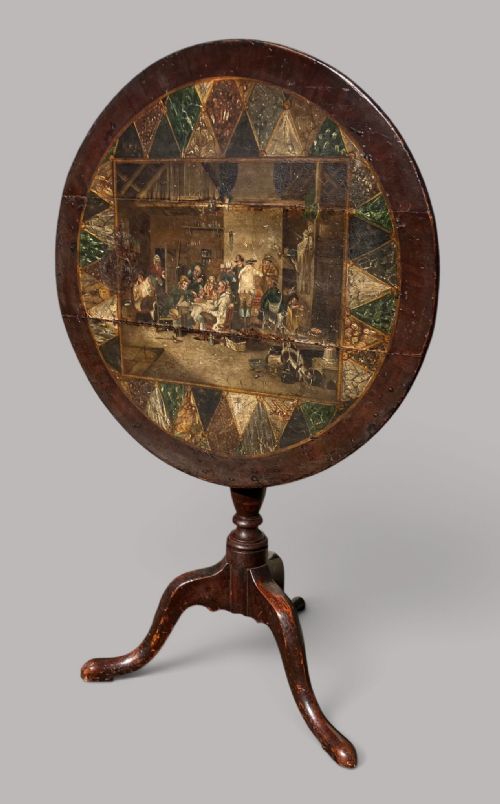
Construction techniques commonly include the tilt-top mechanism, which allowed tables to be stored flat against a wall when not in use. Pedestal bases typically feature three-legged tripod configurations joined to a central shaft.
The listings feature occasional tables, wine tables, and torchères spanning the Georgian era, the nineteenth century, and Edwardian revivals.
Distinctions in Quality
The standard of a pedestal stand is determined by the selection of timber and the crispness of its turned or carved details. Finer pieces display carefully matched veneers and subtle inlay work rather than plain surfaces.
Structural integrity of the central column and tripod legs dictates durability. Well-executed joints and balanced proportions separate utilitarian workshop items from master cabinet maker productions.
Gillow
The Georgian Pedestal Stand Glossary
- Tripod table
- A small occasional table supported by a central pillar resting on three legs. This design became standard during the eighteenth century for stability on uneven floors.
- Tilt-top
- A table mechanism featuring a catch that allows the top to rotate into a vertical position. This saved valuable floor space in smaller period rooms.
- Torchère
- A tall ornamental stand designed to hold a candle or lamp. They frequently feature slender shafts and decorative tripod bases.
- Teapoy
- A small box or chest mounted on a pedestal, originally used for storing and serving tea. They often incorporate internal compartments for canisters.
- Snap top
- An alternative term for a tilt-top table where the top locks securely into a horizontal position. It relies on a spring-loaded or sliding wooden catch.
Georgian Pedestal Stand: Frequently Asked Questions
What is a georgian pedestal stand used for?
These pieces function primarily as movable surfaces for holding lamps, small decorative objects, or drinks. Their compact footprints allow them to fit into corners and beside seating.
Historically, specific forms like wine tables and torchères served distinct domestic duties in sitting rooms and parlours. Today, they adapt easily to modern interiors as accent tables.
How do I identify a genuine period piece?
Examination of the timber, joinery, and wear patterns helps indicate age. Period items often display hand-cut joints and timber shrinkage appropriate to their centuries of existence.
Revival pieces from later centuries frequently mimic these forms but employ different construction methods and machine tooling. Comparing secondary woods underneath provides further clues to origin.
What woods are common on these stands?
Mahogany is the predominant timber found across these listings, valued for its rich colour and durability. Walnut, oak, and cherry appear regularly alongside decorative burr veneers.
Inlay work utilising boxwood adds contrast and linear detail to the tops and legs of select pieces. Each material dictates the visual weight and tone of the stand.
How do I care for antique wood surfaces?
Maintenance requires gentle cleaning with a soft cloth and occasional application of traditional beeswax to nourish the timber. Direct sunlight and excessive heat should be avoided to prevent veneer cracking.
Proper placement away from radiators preserves the structural stability of the central column and leg joints. Simple upkeep maintains the natural lustre of the polished wood.