




Georgian Pedestal Glass
Georgian pedestal glass brings together towering mid-century sweetmeats and weighty Irish bowls, forged in lead glass to catch the candlelight.
Georgian Pedestal Glass
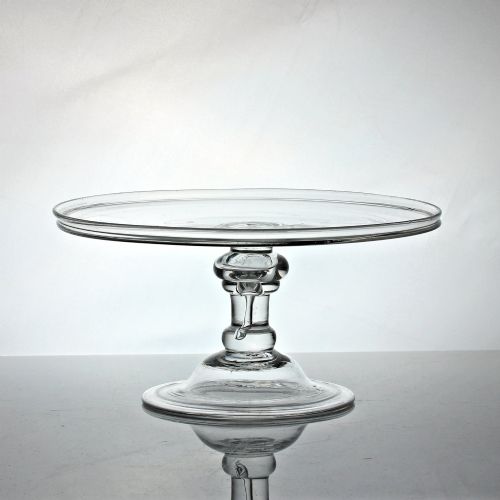
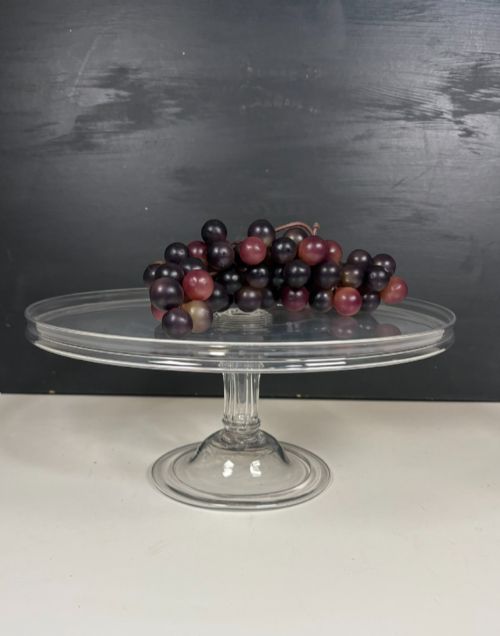
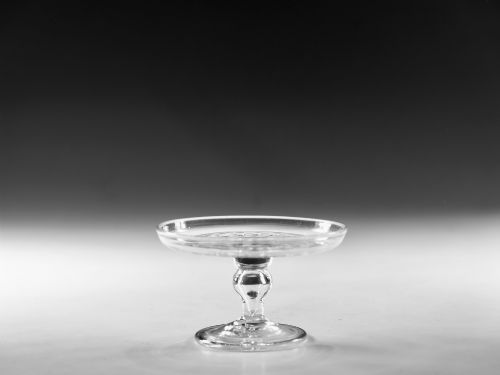
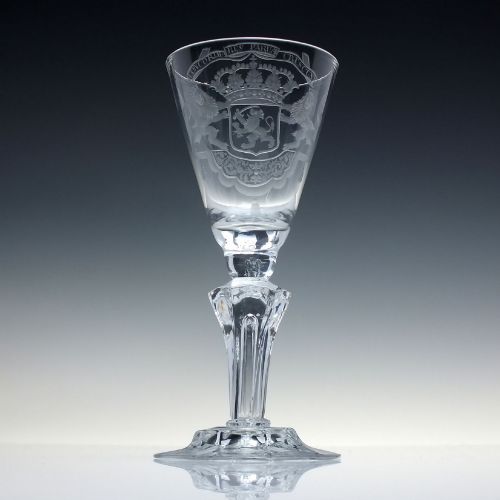
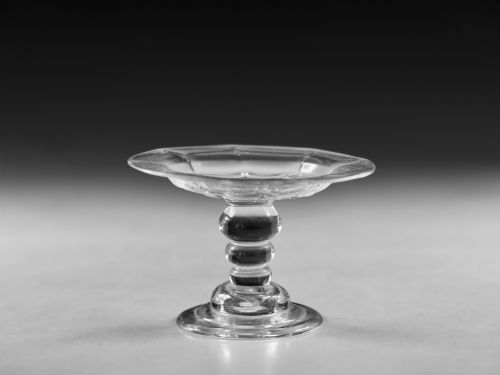
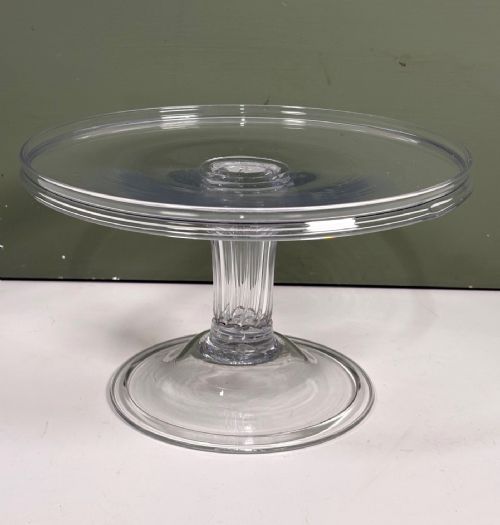
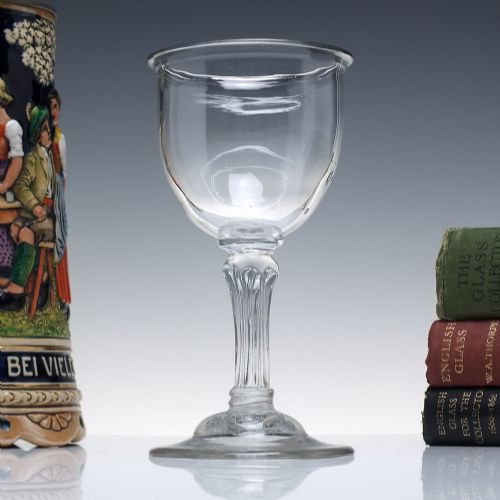
When you search for georgian pedestal glass, you are looking at footed vessels raised on stems, spanning wine goblets, tazzas, patch stands, and sweetmeat glasses. These pieces originate primarily from the eighteenth and early nineteenth centuries, carrying the distinct heavy handle of lead glass.
The forms serve distinct dining and display purposes, from ceremonial armorial wine goblets to small sweetmeat dishes designed to hold confiture or nuts. Each object relies on its elevated foot to command attention on the table.
Materials and construction methods
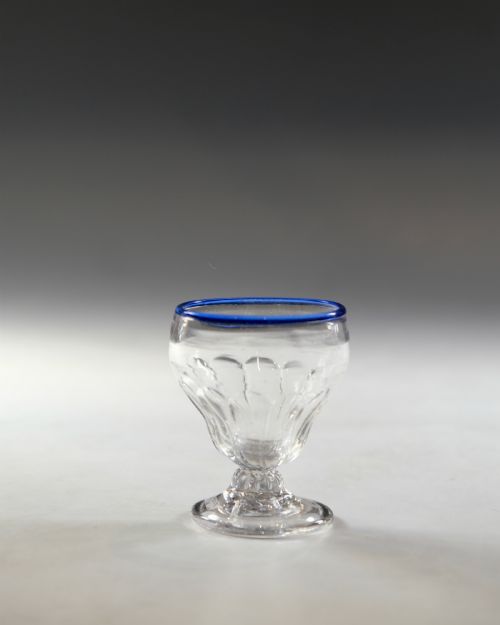
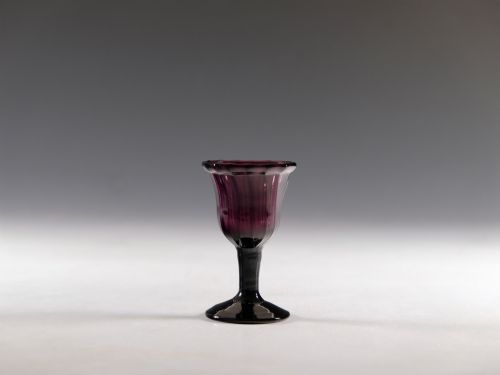
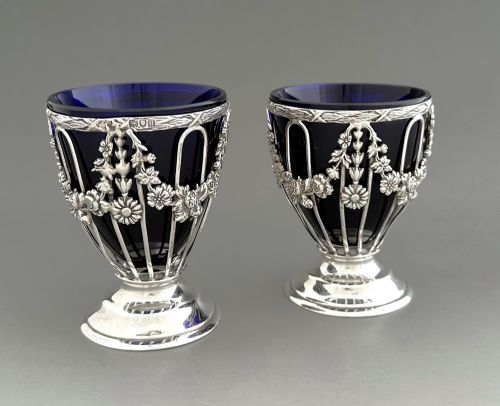
The dominant material across these pieces is heavy lead glass and clear lead crystal, chosen for its refractive brilliance and dense weight. Makers also utilised specialist glass types, including cobalt glass, amethyst glass, and blue wrythened variants.
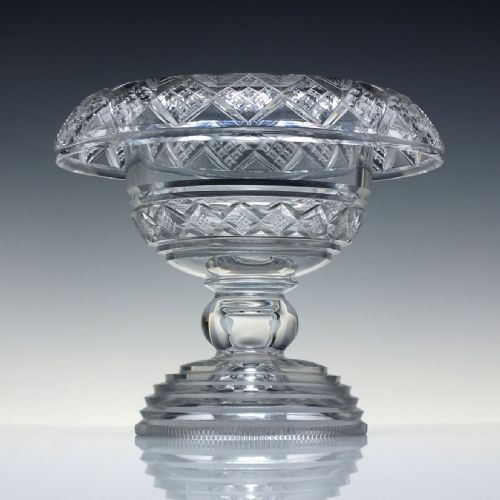
Forming these vessels involved intricate techniques such as rib-moulding, honeycomb moulding, and diamond cutting to shoulders and stems. Many early examples incorporate functional details like folded feet and basal bubbles within the stem.
Listings feature lead glass, cobalt glass, and clear crystal shaped into tazzas, egg cups, and patch stands across the eighteenth and nineteenth centuries.
Distinctions in quality and execution
The distinction between standard domestic vessels and exceptional pieces lies in the crispness of the moulding and the depth of the wheel-cut facets. Sharpness in honeycomb patterns or gadrooned edges denotes superior craftsmanship from the workshop.
Proportion and metal clarity further divide the range. Weighty lead crystal with minimal internal striations and balanced pedestal proportions separate high-status ceremonial items from everyday tableware.
The Georgian Pedestal Glass Glossary
- Tazza
- A shallow saucer or bowl raised on a central pedestal foot, used for serving fruit or sweetmeats at the table.
- Patch stand
- A small pedestal dish historically used to hold cosmetic beauty patches, frequently dating to the early eighteenth century.
- Sweetmeat glass
- A small, stemmed vessel with a wide bowl designed for dry confections, nuts, or preserves.
- Wrythen
- A decorative spiral twist moulded into the body of the glass during production.
- Baluster stem
- A thick, heavy glass stem shaped with swelling nodes, characteristic of early eighteenth-century English manufacture.
Georgian Pedestal Glass: Frequently Asked Questions
What is a pedestal glass?
A pedestal glass is a drinking vessel, bowl, or small stand raised on an elevated stem and foot. These pieces were produced primarily in lead glass during the eighteenth and nineteenth centuries for formal dining.
The form lifts the contents above the table surface, allowing light to pass through the clear or coloured metal. Common examples include wine goblets, tazzas, and sweetmeat glasses.
How do I identify an 18th-century piece?
Eighteenth-century pieces typically display heavier lead metal, folded feet, and thick baluster or multi-nied stems. Tool marks and pontil scars on the underside are common indicators of period hand-manufacturing.
Stylistic cues such as rib-moulding, honeycomb patterns, and facet-cut shoulders help anchor pieces to specific decades between 1700 and 1800.
How were these glasses used?
These vessels functioned primarily during formal dessert courses and evening entertainments. Sweetmeat glasses and tazzas held rich confections, nuts, and preserved fruits, while pedestal wine goblets served drinks at ceremonial banquets.
Smaller items like patch stands served personal vanity uses in domestic bedchambers, holding adhesive silk patches worn by fashionable society.