

Georgian Painted Canvas
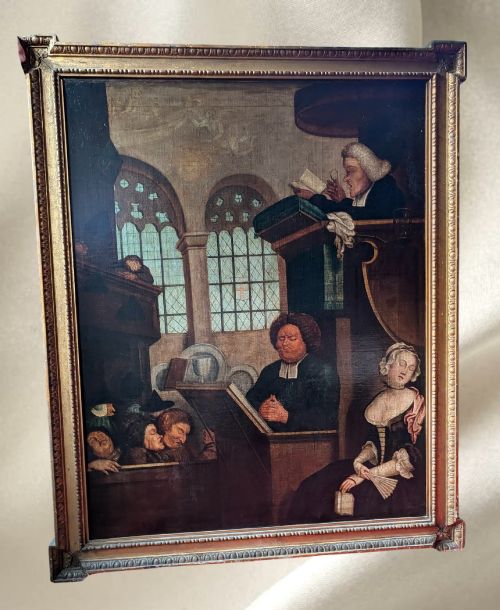
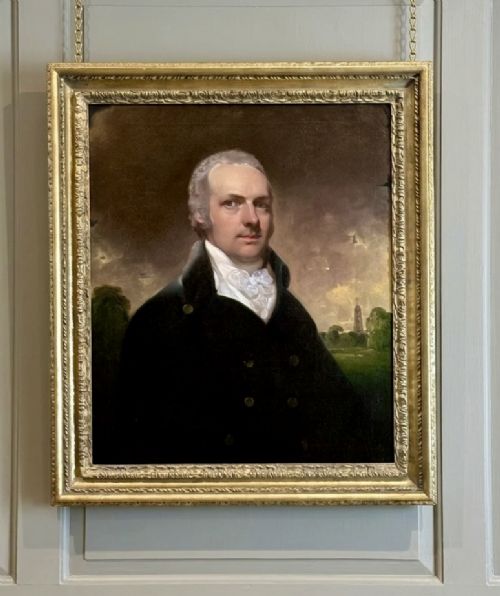
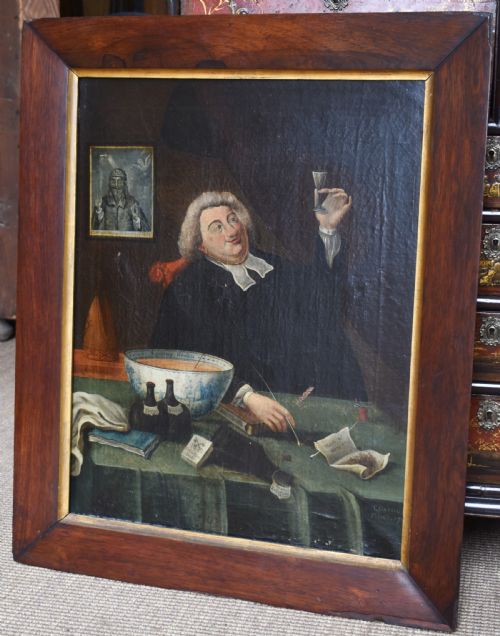
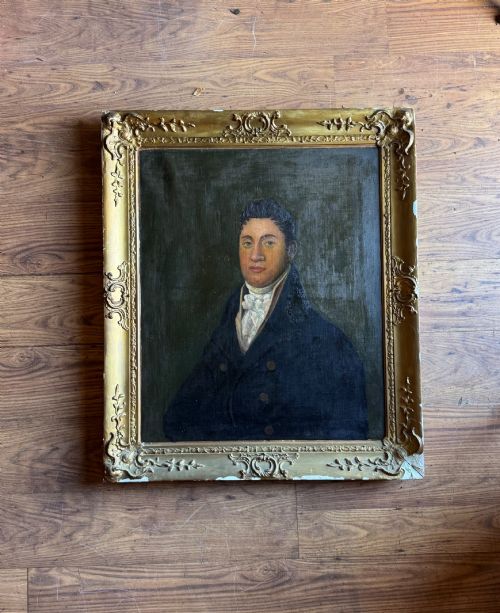
When a collector hunts for a georgian painted canvas, they seek a historical oil painting on stretched fabric from the eighteenth or early nineteenth century.
Georgian Painted Canvas
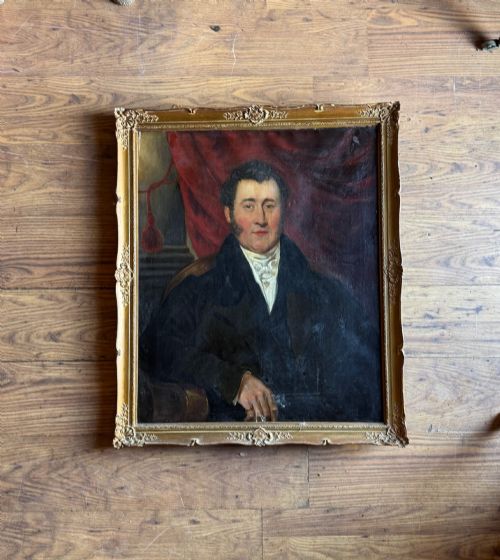
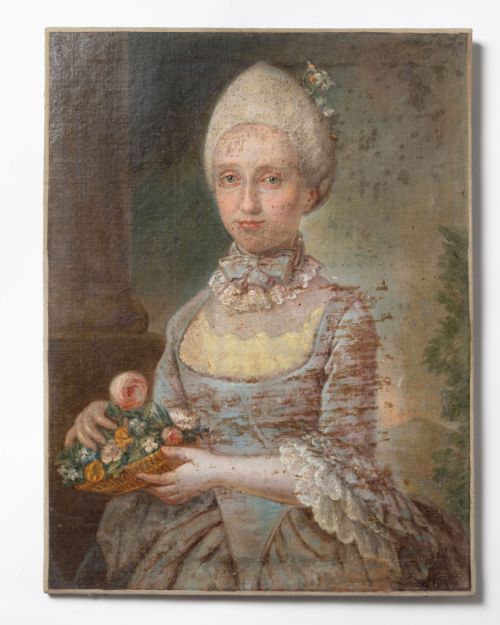
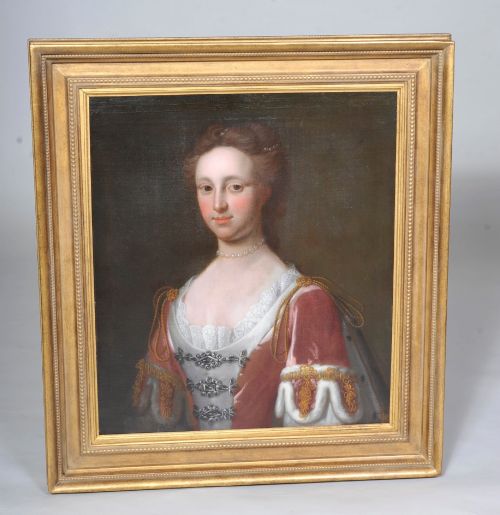
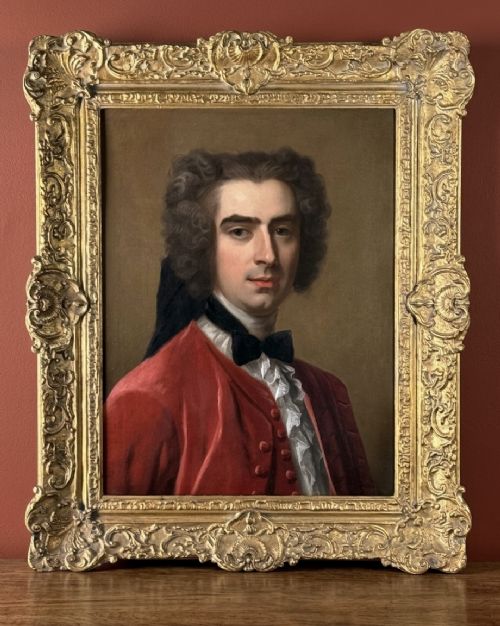
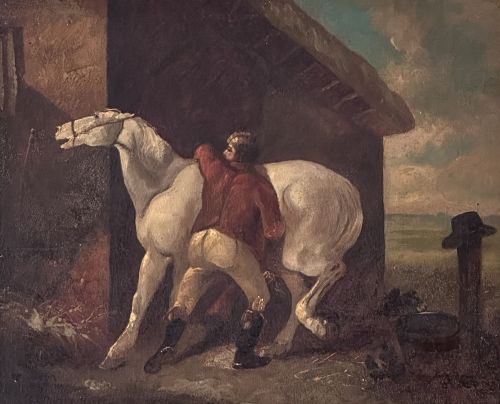
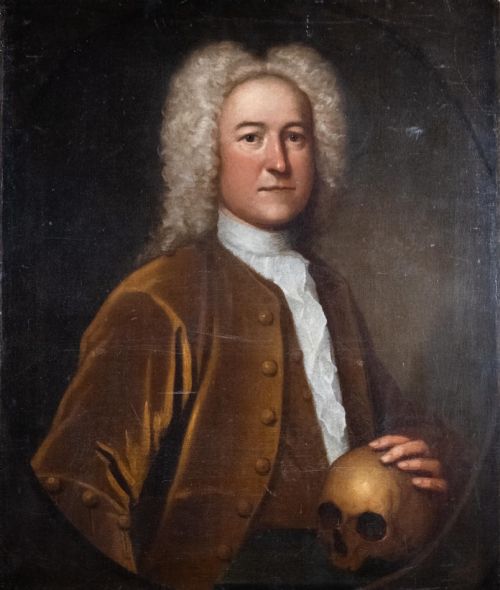
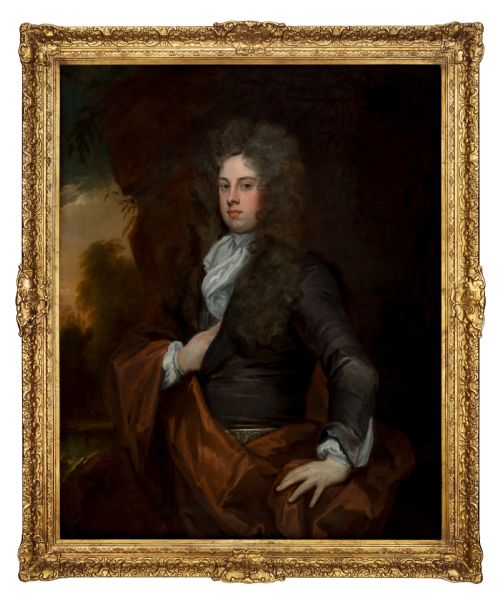
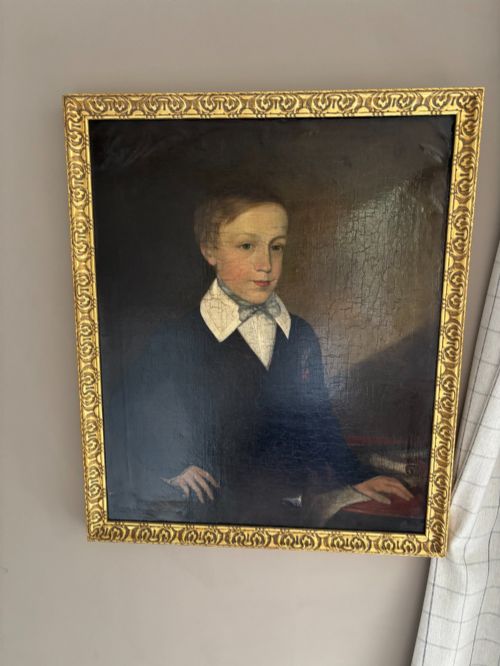
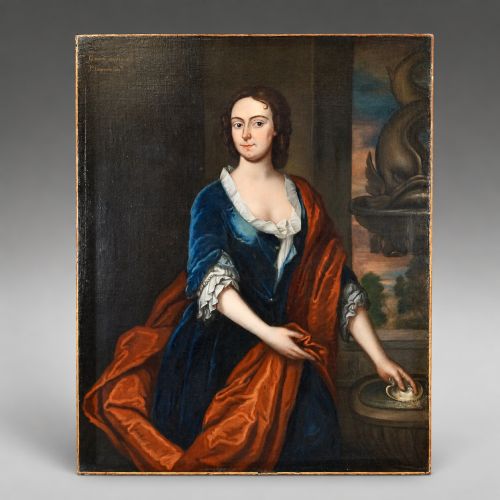
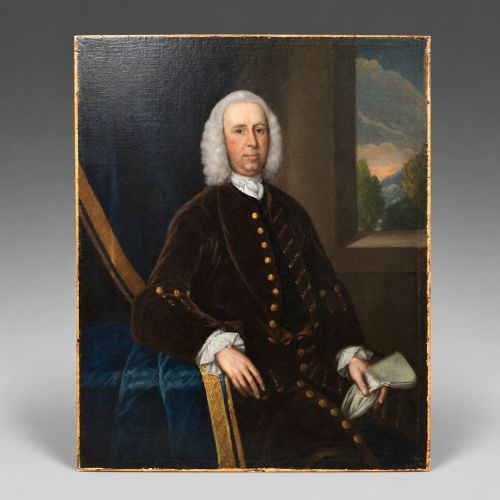
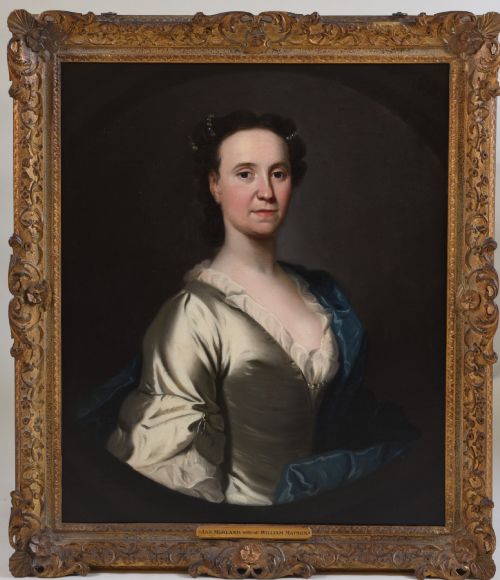
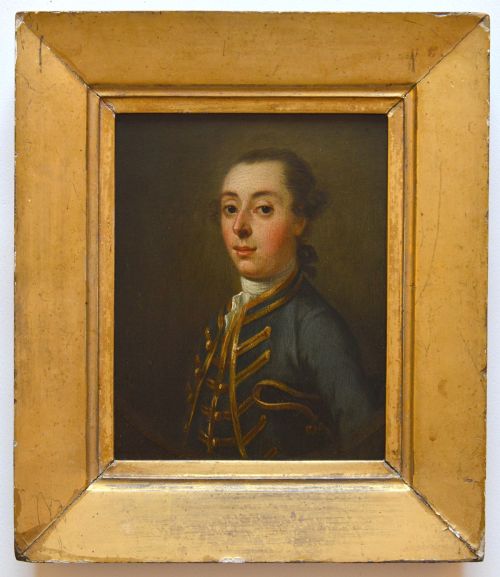
Pieces searched under georgian painted canvas typically comprise fine oil paintings on stretched canvas from the eighteenth century, the Regency era, and the wider Georgian period. Most examples encountered here take the form of portrait paintings depicting gentlemen, ladies, and children, alongside occasional sporting scenes and landscapes.
The subjects range from formally posed sitters in period attire to grand tour views and British sporting works. Works originate from British, French, and continental schools, capturing sitters with varying social standing from the seventeenth century through to the Regency period.
How They Were Made
Makers built these works using oil paint applied to a woven canvas stretched over a wooden frame, frequently housed within giltwood or gold leaf frames. Artists utilised oil pigments to render fine details in fabric, flesh tones, and background landscapes.
The physical structure relies on plain-woven canvas prepared with a ground layer before the artist applied layers of oil paint. Frames constructed from wood carry gilt decoration or gold leaf finishes that complement the paintings.
Georgian Painted Canvas Retail Price Guide 2026
Typical asking prices for georgian painted canvas among the pieces listed under this phrase on Sellingantiques today, from the lower quarter to the upper quarter. They describe what is for sale here now, not the wider market.
Several sitters recorded on this page share space with skulls, chess sets, and orange trees.
What Varies In Quality
Quality depends on the precision of the brushwork and the psychological depth captured in the sitter's expression, separating workshop output from the hand of a master. Anatomy, hand placement, and the rendering of drapery distinguish accomplished portraiture from simpler regional pieces.
The preservation of the pigment layer and the originality of the canvas stretch factor influence the standing of a work. Surviving surfaces untouched by heavy restoration retain the clarity intended by the artist.
Jean-Baptiste Van Loo·Francis Lindo·Charles Jervas·Michael Dahl·Thomas Murray·Jacob Philipp Hackert·Margaret Sarah Carpenter·Robert Byng·Trajan Hughes·Thomas Lawrence·Thomas Beach·Allan Ramsay·Edmund Bristow·Benjamin Barker of Bath·Jeremiah Davison·Henry Pickering·Joshua Reynolds·George Willison·John Opie·Lemuel Francis Abbott
The Georgian Painted Canvas Glossary
- Canvas
- A heavy woven fabric used as a support for oil paintings. It is stretched tightly over a wooden frame before painting begins.
- Oil paint
- A slow-drying medium made by combining pigments with drying oils such as linseed. This material allows for subtle blending and rich colour depth.
- Giltwood
- Wood carved and coated with gold leaf or a gold-coloured metallic finish. It forms the decorative border surrounding many period paintings.
- Portraiture
- The representation of a particular person, capturing likeness, status, and personality through painted media. This genre dominates the surviving works of the period.
- Regency
- A historical period spanning the early nineteenth century defined by specific neoclassical architectural and artistic traits. Pieces from this era often show lighter colour palettes and looser brushwork.
Georgian Painted Canvas: Frequently Asked Questions
How should I clean a georgian painted canvas?
Surface dust may be removed gently with a soft, dry brush, avoiding any moisture or chemical cleaners.
Professional conservators should handle deeper cleaning or varnish removal to prevent damage to the underlying oil paint.
How do I identify the period of a georgian painted canvas?
Examine the clothing, hairstyle, and framing style of the sitter, which typically reflect the fashion of the decade when painted.
Stretcher construction methods and canvas types also offer clues to the age of the physical object.
Where were these paintings displayed originally?
Wealthy patrons hung these works in the panelled reception rooms and long galleries of country houses and town residences.
They served to display family lineage, social status, and cultural sophistication to visitors.
Why do some canvases show craquelure?
Fine cracking develops naturally as oil paint ages, hardens, and responds to changes in temperature and humidity over centuries.
This network of small lines is a normal characteristic of aged oil paintings rather than an immediate structural fault.