




Georgian Overmantle
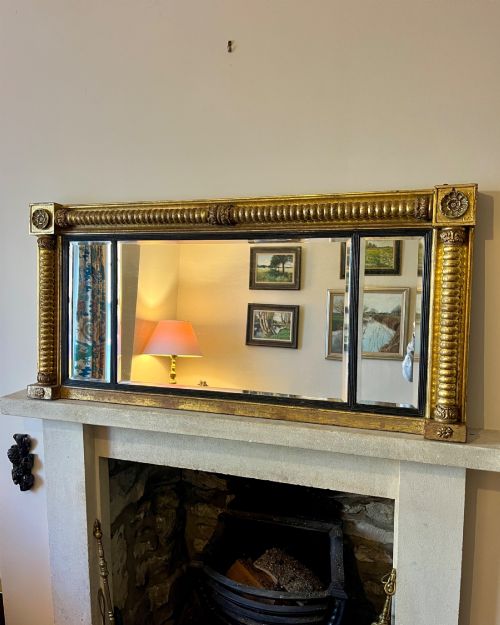
A georgian overmantle anchors a fireplace with significant scale and reflective light.
Georgian Overmantle
A georgian overmantle sits above a fireplace mantel, functioning primarily as a large wall mirror designed to reflect light across a room. These pieces span the eighteenth and nineteenth centuries, incorporating styles from Georgian and Regency eras through to later Victorian revivals.
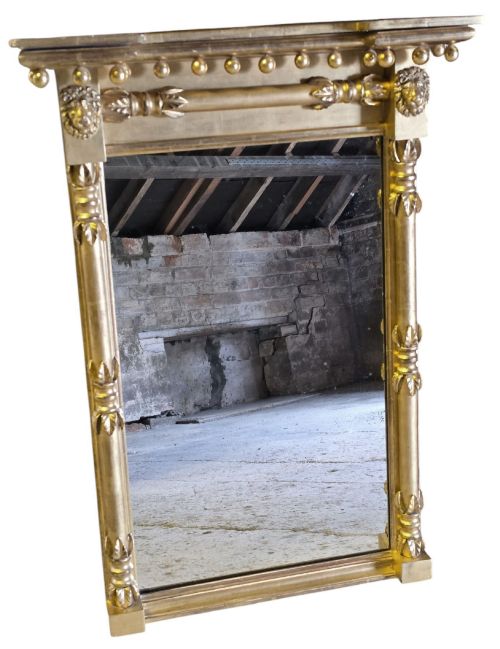
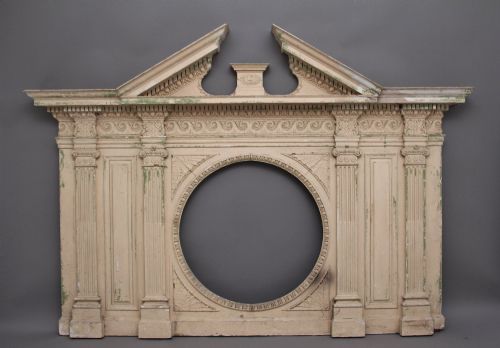
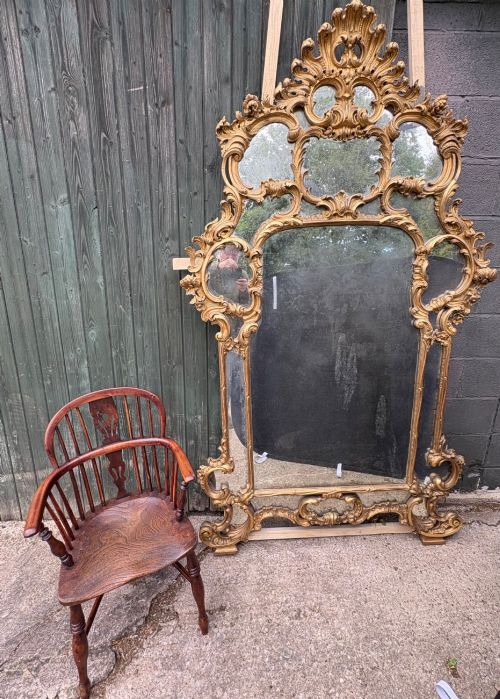
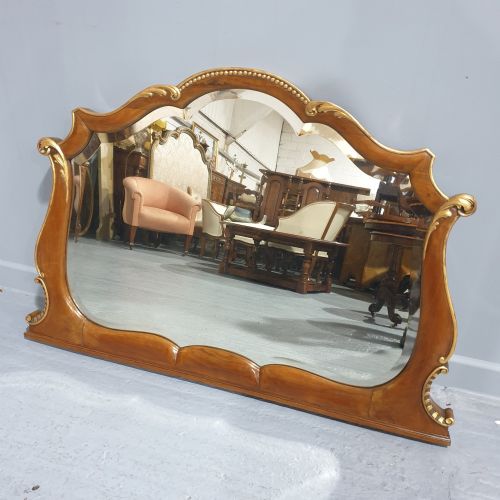
The format ranges from rectangular pier mirrors to triptych arrangements and large oval frames. Materials include giltwood, carved wood, gesso, painted pine, and mahogany veneer, often displaying neoclassical or rococo influences.
How They Were Made
Makers constructed the foundational frames using timber such as pine, mahogany, or walnut, sometimes applying carved wooden ornamentation or moulded gesso relief. Gilding was achieved through the application of gold leaf onto the prepared surfaces.
Mirrors incorporated mirror glass and occasionally silvered surfaces, with some surviving examples displaying lightly foxed plates that reveal their age. Frames were finished with paint, parcel gilt, or polished wood veneers.
Georgian Overmantle Retail Price Guide 2026
Typical asking prices for georgian overmantle among the pieces listed under this phrase on Sellingantiques today, from the lower quarter to the upper quarter. They describe what is for sale here now, not the wider market.
Listings include pieces from the eighteenth century, the Regency era, and nineteenth-century revivals, utilising materials like giltwood, painted pine, and mahogany.
What Varies in Quality
Quality reveals itself in the crispness of the carved wood details and the depth of the gesso mouldings applied to the frame. Superior examples display balanced proportions, refined neoclassical motifs, and skilled gilding work rather than heavier, less detailed execution.
The integrity of the frame construction and the original character of the mirror plate, whether clear or naturally aged with foxing, distinguish finer pieces. Materials range from simple painted pine to exhibition-quality carved giltwood.
The Georgian Overmantle Glossary
- Giltwood
- Wood that has been coated with gold leaf or a gold-coloured finish. This material defines many formal overmantle mirrors from the Georgian and Regency periods.
- Gesso
- A plaster-like mixture applied to wooden frames and carved or moulded into decorative relief details. It provides the smooth base required for traditional gilding.
- Foxed glass
- Mirror glass showing spots and discoloration caused by the degradation of the silvering behind the plate over time. This process occurs naturally as the mirror ages.
- Triptych
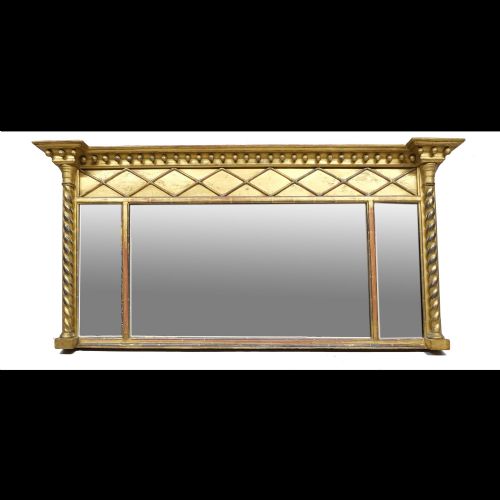
- A mirror divided into three distinct panels, often seen in Regency overmantle designs. The tripartite division helps manage the width required above a fireplace.
- Pier mirror
- A tall mirror specifically designed to hang on the wall space between windows. These forms frequently overlap with overmantle mirrors in nineteenth-century design.
Georgian Overmantle: Frequently Asked Questions
Where should an overmantle mirror hang?
These mirrors hang directly above a fireplace mantelpiece, where they were traditionally positioned to bounce candlelight and daylight around the room. The proportions of the mirror typically correspond to the width of the fireplace below it.
Securing the piece requires proper fixings into solid wall construction due to the substantial weight of the timber and glass. Placing the mirror at this height also creates a focal point within the room's primary elevation.
How do I identify a Regency overmantle?
Regency overmantles often feature neoclassical motifs, column frames, or triptych glass divisions that reflect early nineteenth-century design tastes. The use of giltwood and precise carved details is typical of this period.
Construction methods and timber choices, such as mahogany or pine beneath the gilt, help distinguish these pieces from later Victorian revivals. Examining the backboards and fixings provides further clues to the manufacturing date.
What is foxed glass on a mirror?
Foxed glass refers to the speckled, aged appearance where the reflective silver backing has oxidised over long periods. This chemical change creates soft dark spots across the mirror plate.
Collectors often value foxed glass as an indicator of authenticity and age. It distinguishes original historic mirror plates from modern replacements.
Can overmantles be hung without a fireplace?
These mirrors function effectively as large wall hanging pieces in entrance halls, lounges, and dining rooms without a fireplace present. Their original purpose was to occupy the wall space above a mantel, but the scale suits other prominent expanses of wall.
Wall mounting requires heavy-duty brackets attached securely to studs or masonry. The substantial weight of giltwood and gesso frames demands robust structural support.