





Georgian Overmantle Mirror
A georgian overmantle mirror brings architectural depth and reflected light above a fireplace, anchoring a room with period proportion.
Georgian Overmantle Mirror
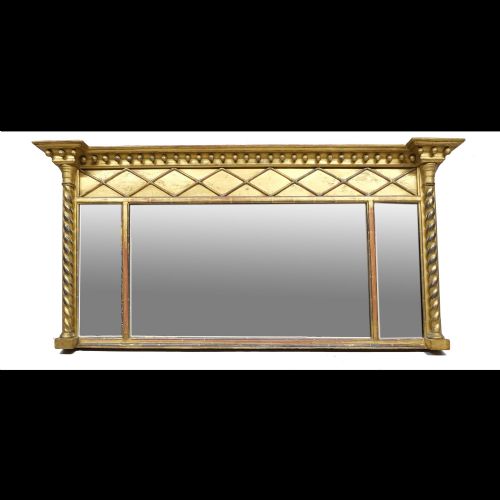
A georgian overmantle mirror sits above a mantelpiece, designed to fill the broad wall space between the shelf and the cornice. These pieces anchor the hearth in period interiors, offering both functional reflection and substantial decorative presence.
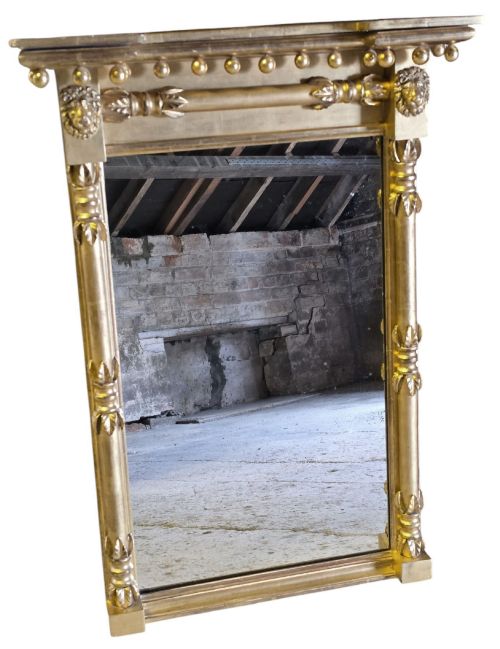
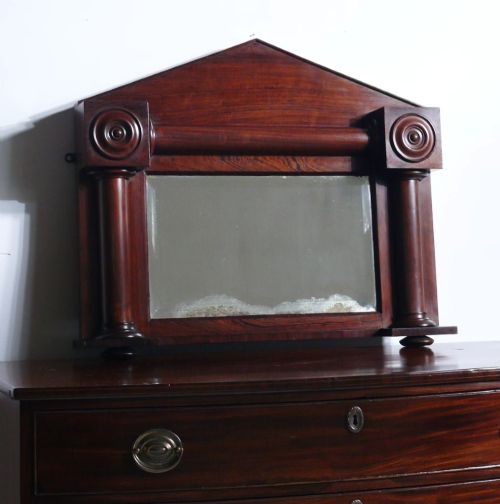
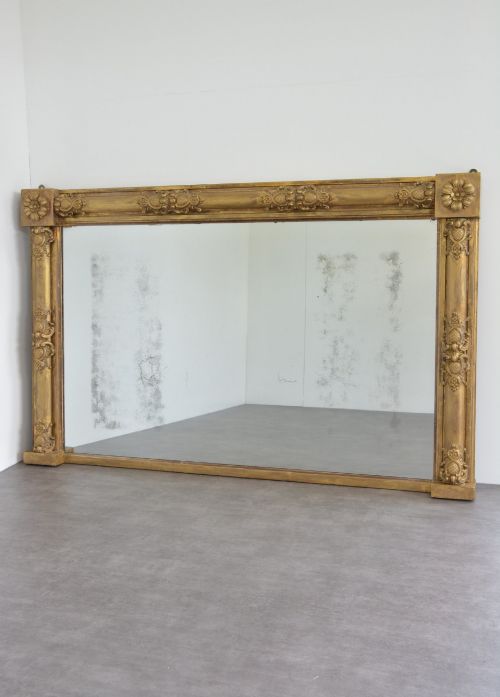
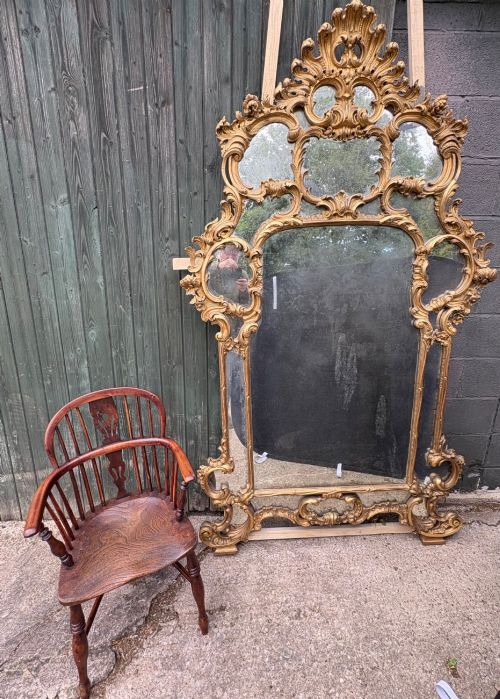
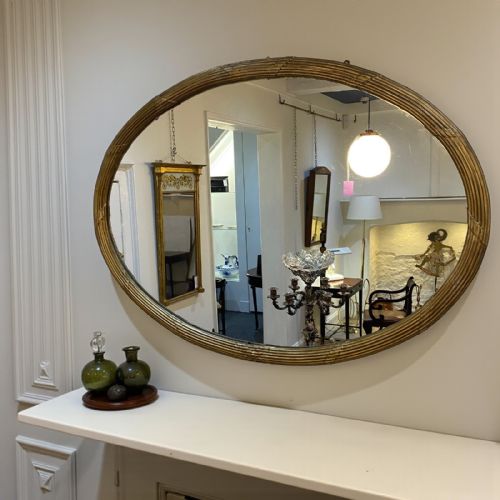
The selections span genuine eighteenth-century origins through the nineteenth century, encompassing Regency, William IV, and revival expressions. Common forms range from rectilinear giltwood frames to triptych formats, oval shapes, and column-framed compositions.
Surviving examples display varied finishes from bright gold leaf and gesso to painted pine, mahogany, rosewood, and walnut. Buyers encounter both restrained neoclassical designs and more elaborate carved wood interpretations.
How They Were Made
Carpenters constructed the primary carcasses from foundational softwoods like pine, or hardwoods such as mahogany and walnut. These wooden frames provided the structural rigidity necessary to support heavy glass plates above domestic hearths.
Makers applied layers of gesso over carved wood details, allowing artisans to achieve crisp ornamentation before applying gold leaf, silver, or paint finishes. Surface decoration often combined gilding with parcel gilt accents or contrasting painted areas.
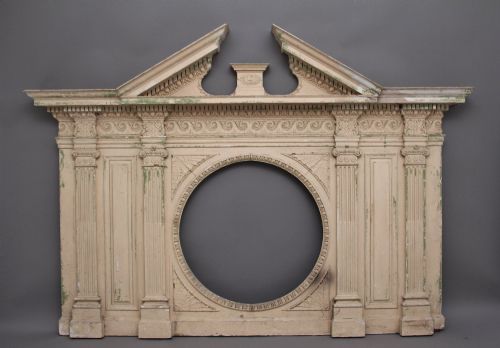
Original mirror glass plates exhibit specific tactile qualities, sometimes showing light foxing or subtle imperfections resulting from period manufacturing methods. Frames frequently incorporate distinct architectural mouldings, such as classical columns or shaped tops.
Georgian Overmantle Mirror Retail Price Guide 2026
Typical asking prices for georgian overmantle mirror among the pieces listed under this phrase on Sellingantiques today, from the lower quarter to the upper quarter. They describe what is for sale here now, not the wider market.
Listings combine eighteenth-century origins with nineteenth-century Regency, Victorian, and revival periods, utilising materials such as giltwood, gesso, mahogany, pine, and painted finishes.
What Varies in Quality
The refinement of the carving distinguishes standard production from exceptional work, separating mechanical ornament from deeply undercut, hand-modelled gesso and wood. Crisp detail in floral motifs, beaded runs, and neoclassical friezes indicates skilled workshop execution.
Proportion and scale dictate the visual success of the piece, particularly how well the frame relates to standard mantelpiece widths. Heavier gilding techniques and the preservation of original mirror plates enhance the integrity and historic weight of an example.
The Georgian Overmantle Mirror Glossary
- Giltwood
- Wood carved and coated with gold leaf over a prepared gesso ground. This finish catches candlelight and natural daylight effectively in formal reception rooms.
- Gesso
- A plaster-like mixture applied to wood frames and carved into relief ornament before gilding. It allows for sharp architectural details.
- Foxing
- The natural age spots and silver degradation occurring on older mirror glass over decades. Collectors view light foxing as evidence of authenticity.
- Triptych
- A mirror divided into three distinct vertical panels within a single frame. This format distributes reflection evenly across wider mantelpieces.
- Overmantle
- A large mirror specifically proportioned to hang on the wall directly above a fireplace mantel. It visually balances the hearth below.
Georgian Overmantle Mirror: Frequently Asked Questions
How do I hang a heavy overmantle mirror safely?
These mirrors carry significant weight from timber frames and thick glass plates, requiring secure attachment directly into structural wall studs or masonry. Professional mirror fixings distributed across multiple points ensure the piece remains stable above a warm fireplace.
Hardware must match the specific weight and dimensions of the frame rather than relying on standard picture hooks. Wall fixings should engage firmly to support both the vertical load and the forward pull of the frame.
How do I distinguish a Regency frame from an eighteenth century original?
Eighteenth century pieces often display heavier architectural moulding, bolder carving, and distinct neoclassical or rococo motifs. Regency examples tend to incorporate crisper gilding, ebonised details, or classical column supports reflecting early nineteenth century taste.
Timber construction methods and the composition of the underlying gesso also shift between periods. Examining the backboards and joining techniques helps clarify the exact era of production.
Can these mirrors be placed in dining rooms instead of over a fireplace?
These pieces function effectively on any large wall surface where reflected light and period proportion are desired. Placing one above a sideboard or console table creates a focal point similar to its traditional mantel placement.
Wall mounting requires the same structural support regardless of whether a fireplace sits underneath. The surrounding room proportions dictate the ideal hanging height for optimal visual balance.
What is the best way to clean antique mirror glass?
A soft microfiber cloth slightly dampened with distilled water preserves both the glass and any surrounding gilt surfaces. Harsh commercial chemical cleaners can damage fragile original silvering and vulnerable nineteenth century gesso finishes.
Moisture must be kept away from the edges of the glass where the backing meets the frame. Gentle dusting prevents grime accumulation without risking abrasion to the aged reflective surface.