


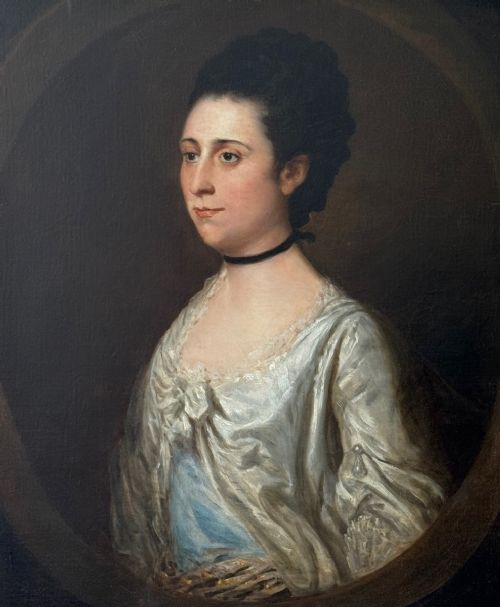
Georgian Oval Art
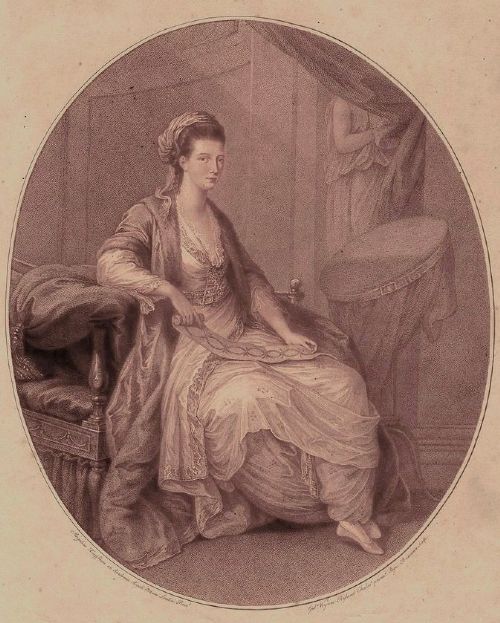
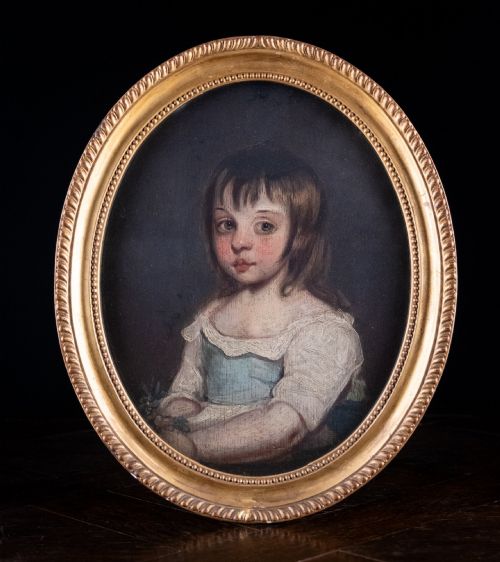
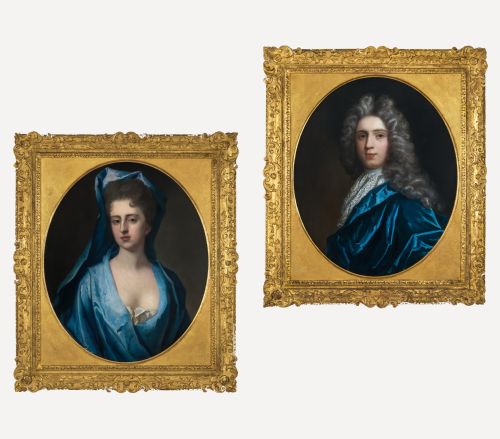
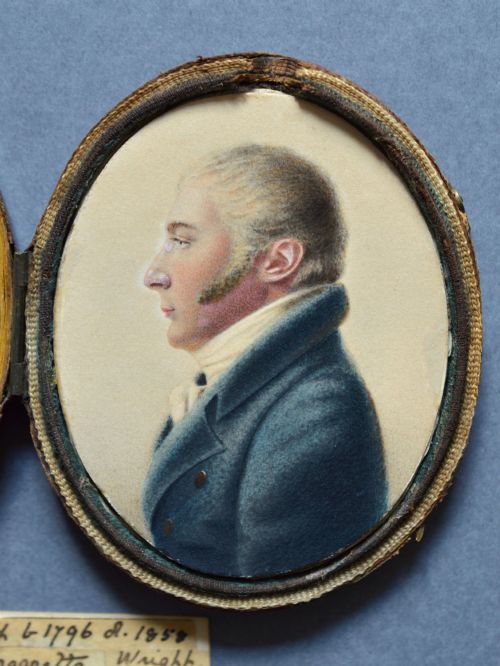
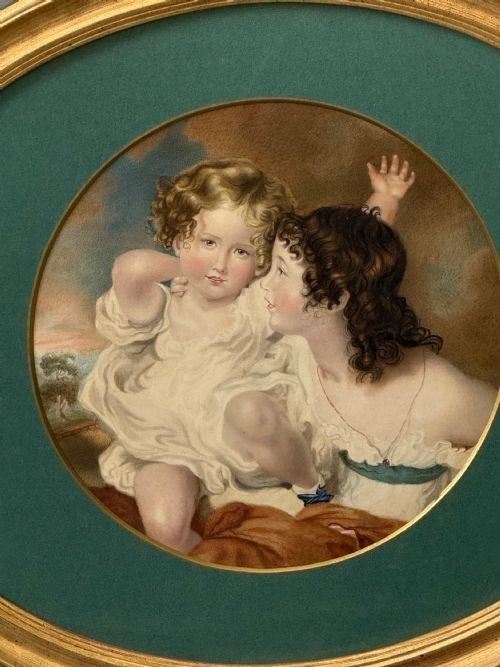
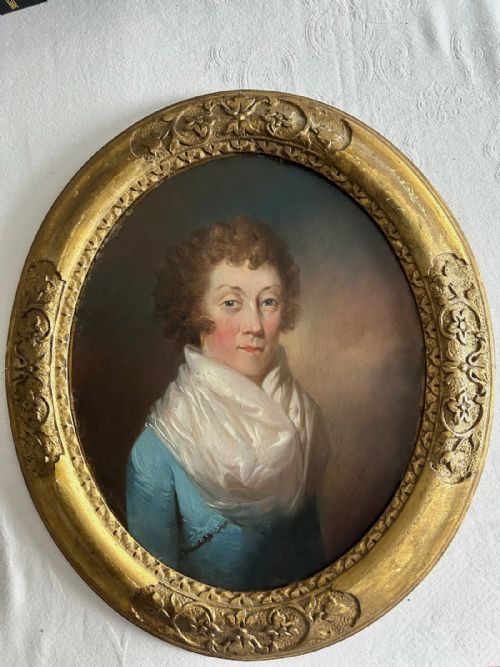
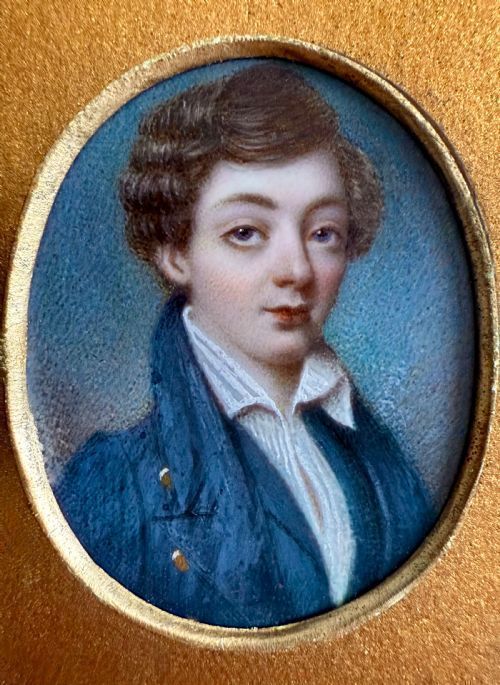
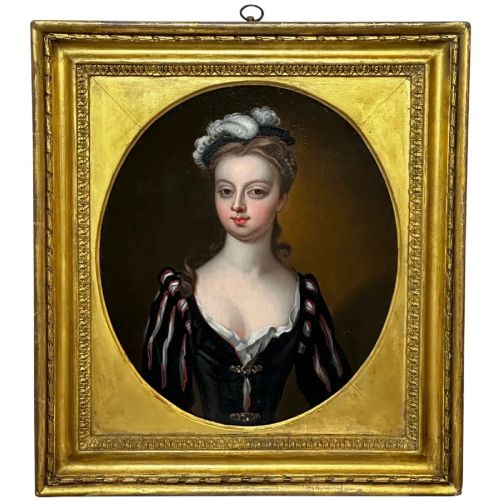
Georgian oval art comprises portraits, miniatures, and engravings framed within the geometric contours characteristic of eighteenth-century and Regency taste.
Georgian Oval Art
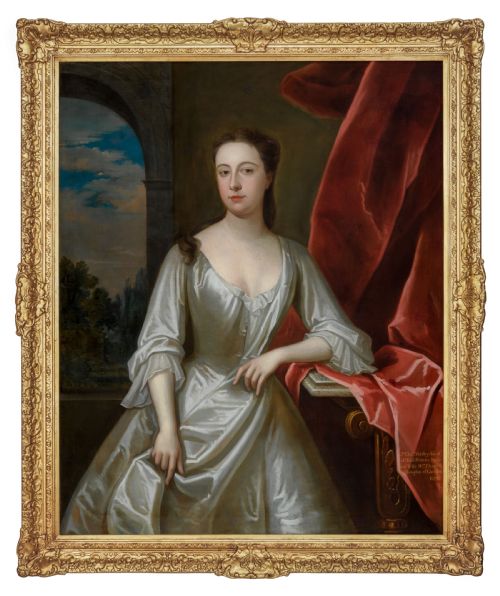
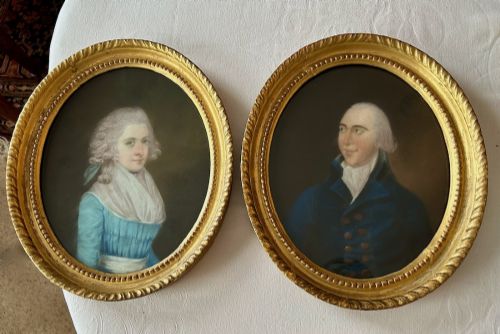
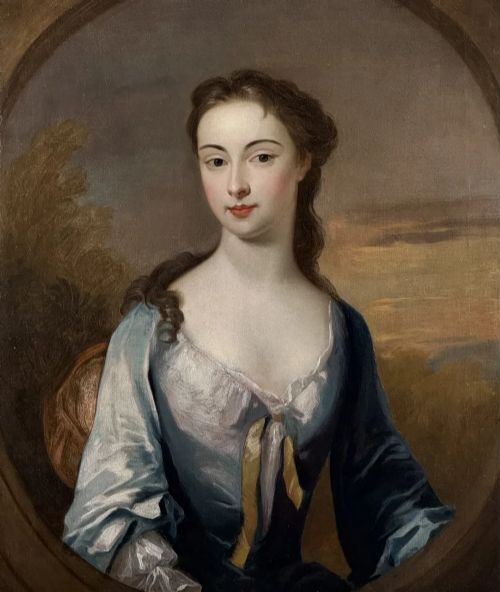
When you search for georgian oval art, you encounter portrait miniatures, oil paintings, watercolours, and silhouettes housed in frames that reflect the aesthetic preferences of the eighteenth century and the Regency period.
The objects on this page span oil on canvas, pastel, enamel, and paper works, frequently depicting identifiable subjects from the period rendered in British Baroque, Neoclassical, and Georgian styles.
How they were made
Makers utilised oil on canvas, watercolour, pastel, and enamel applied to paper or panel, mounting the finished works in glass-fronted frames constructed from wood, giltwood, or brass.
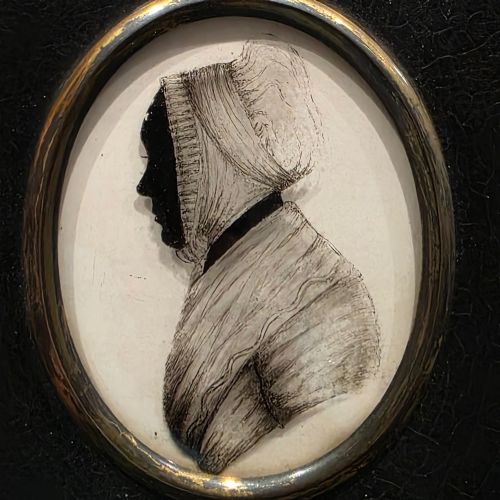
Silhouette artists employed reverse painting on glass or cut paper techniques, while engravers produced mezzotints, stipple engravings, and line engravings on paper.
Listings feature works from the seventeenth, eighteenth, and nineteenth centuries, executed in oil, watercolour, and engraved print formats.
What varies in quality
The standard of execution in portraiture depends on the precision of the facial rendering, the handling of drapery, and the subtlety of light across the subject.
Framing materials and original presentation, such as giltwood surrounds or tortoiseshell housings with solid silver cartouches, distinguish exceptional pieces from standard examples.
Sir Godfrey Kneller·James Sharples·Henry Bone·Charles Jervas·Michael Dahl·Thomas Murray·Thomas John Horsley·John Vanderbank·Thomas Beach·Richard Cosway·John Russell·Jacob Philipp Hackert·John C D Engleheart·Richard Houston·Antoine Pesne·Jacobus Houbraken
The Georgian Oval Art Glossary
- Silhouette
- A solid profile portrait, typically cut from black paper or reverse painted on glass, popular during the Georgian and Regency periods.
- Mezzotint
- A printmaking process of the engraving family that achieves tonal gradation through roughening the metal plate with a rocker.
- Portrait miniature
- A small-scale painted likeness, frequently executed in watercolour on ivory or enamel on copper, often housed in a pendant or framed format.
- Stipple engraving
- A method of creating prints by dotting the surface of a plate to produce varied densities and soft tonal effects.
- Giltwood
- Wood carved and prepared with a thin layer of gold leaf applied over a gesso base, common in period framing.
Georgian Oval Art: Frequently Asked Questions
What is georgian oval art?
It encompasses portrait miniatures, oil paintings, engravings, and silhouettes created during the Georgian and Regency eras, defined by their curved rectangular format.
These pieces capture notable individuals, family members, and allegorical subjects through various media including watercolour, oil on canvas, and enamel.
How were portrait miniatures used?
Miniatures functioned as intimate tokens of affection, often worn as pendants, carried in pockets, or displayed upon interior walls within households.
Their portable nature allowed families to keep likenesses of absent relatives close during travel or separation.
How do I identify a Regency piece?
Regency items generally reflect Neoclassical stylistic influences, featuring simpler linear designs in portraiture and framing compared to earlier Baroque examples.
Dates associated with these works typically centre around the early nineteenth century, reflecting the Regency of George, Prince of Wales.
Are these works painted on canvas?
While larger portraits utilise oil on canvas, smaller pieces such as miniatures employ paper, vellum, enamel, or glass as their primary support.
The materials vary according to the specific medium chosen by the artist for the portrait or print.