
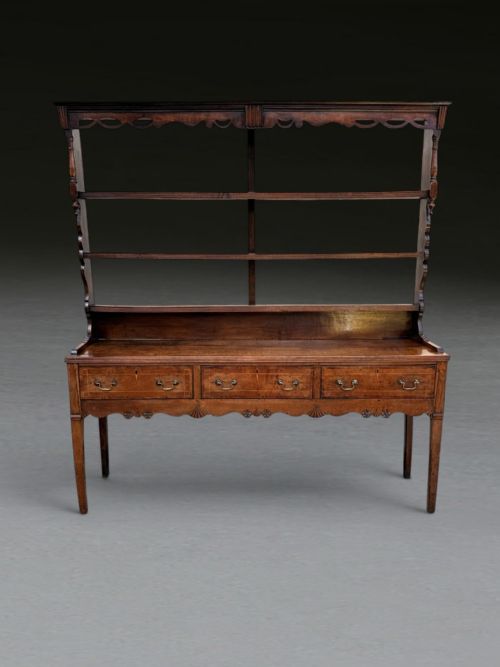
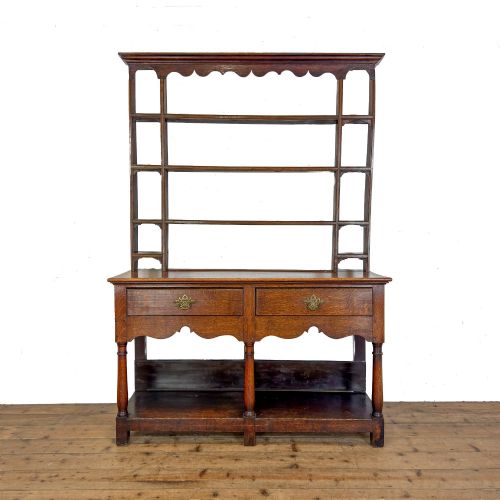
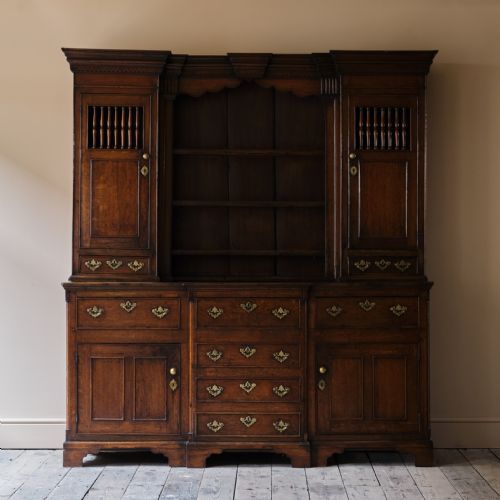
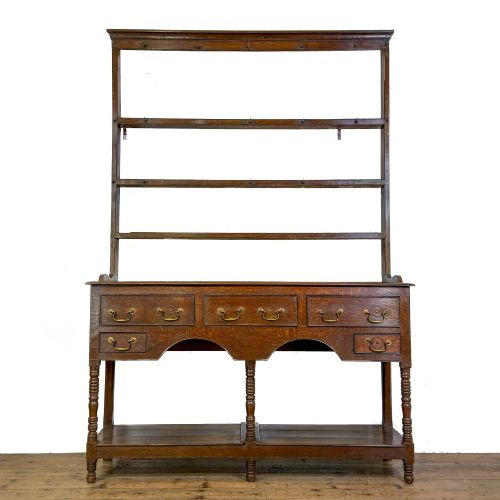
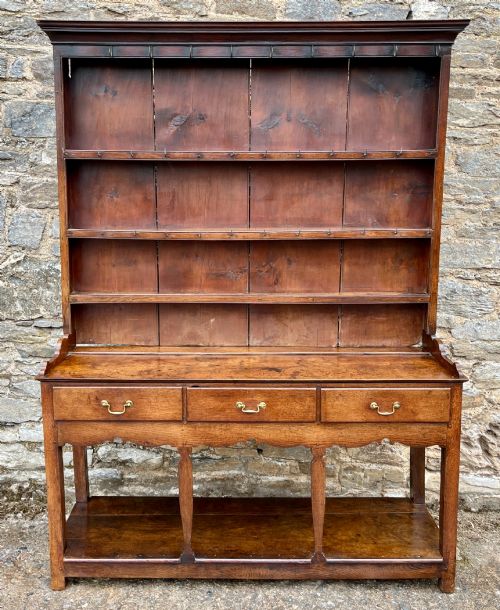
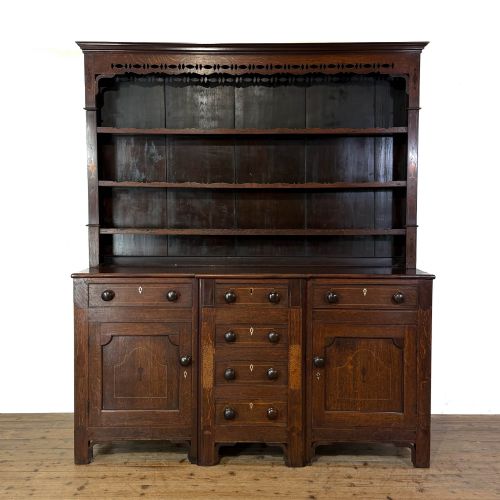

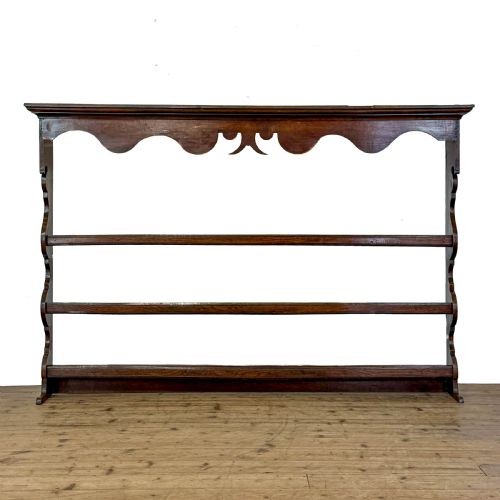


Georgian Open Rack Dresser
A georgian open rack dresser brings the honest warmth of country craftsmanship straight into a modern kitchen.
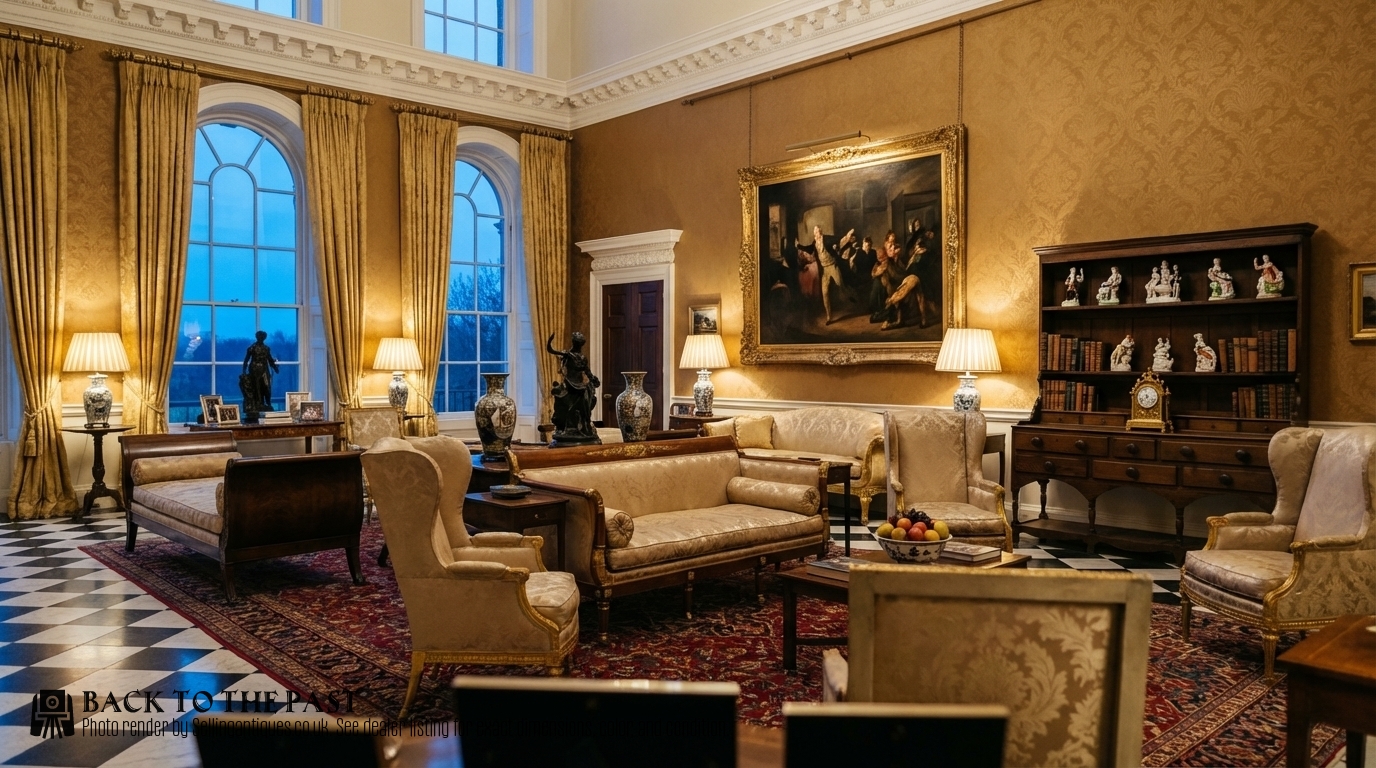
Georgian Open Rack Dresser
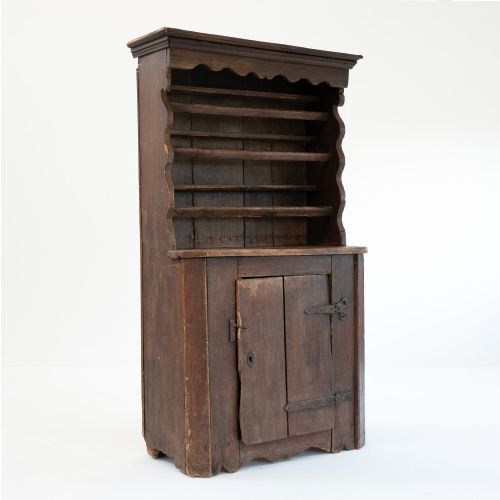
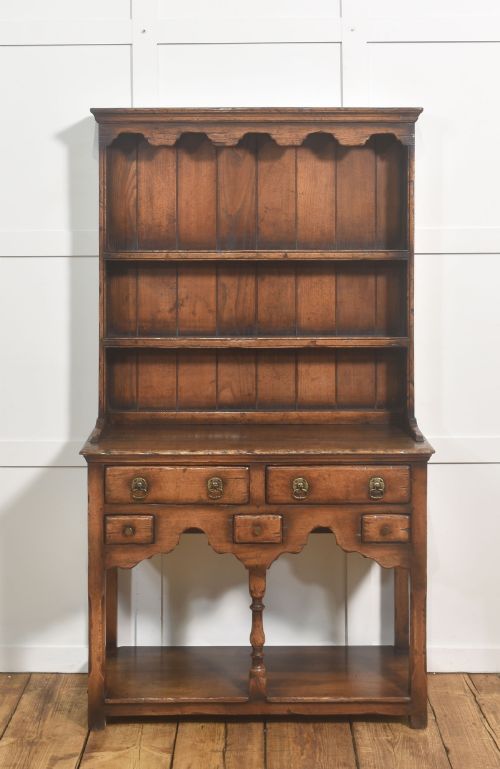
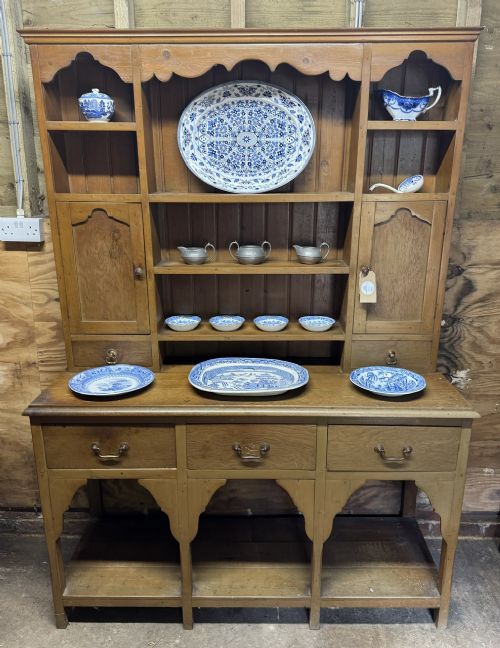
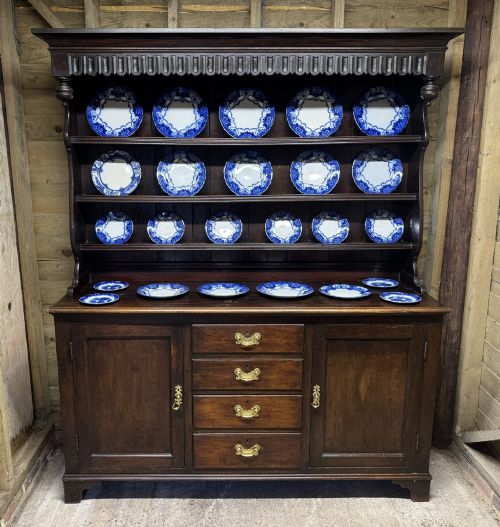
A georgian open rack dresser combines a lower base fitted with drawers and cupboards with an upper tiered shelf structure designed to display ceramics. These pieces originate predominantly from regional workshops in Wales, Ireland, and various English counties during the eighteenth and nineteenth centuries.
The versions most commonly found here feature sturdy native timber construction with open upper plate racks for everyday tableware. Regional variations span from simple potboard bases to breakfront arrangements and specialised compartments such as bread and cheese cupboards.
Makers built these heavy items for utility in farmhouse kitchens rather than formal reception rooms. Over generations, they transitioned from utilitarian workhorses to decorative centerpieces for dining spaces and hallways.
How they were made
Local joiners relied heavily on native hardwoods, primarily oak and elm, supplemented by pine for internal shelving and backing boards. Artisans also utilised mahogany and burr walnut in later or higher-status examples.
Construction techniques combined pegged mortise and tenon joints with hand-cut dovetails for drawer boxes to ensure structural rigidity. Surfaces often received painted finishes or left exposed to develop rich patinas through daily use and waxing.
Some hardworking eighteenth-century dressers still carry the faint aromatic trace of old farmhouse cheddar.
What varies in quality
Proportion and scale dictate much of the desirability, with smaller proportions and narrower depths commanding particular attention from collectors. The integrity of the upper rack in relation to the base determines whether the piece retains its original pairing.
Surface character defines the upper tier of quality, particularly where original paint finishes or untouched timber surfaces display deep historical patination. Finer examples show thoughtful regional detailing in cornice mouldings, drawer arrangements, and potboard supports.
The Georgian Open Rack Dresser Glossary
- Potboard
- A low open shelf positioned near the floor between the lower legs of a dresser, originally intended for storing heavy pots and pans. This feature often distinguishes earlier vernacular furniture.
- Breakfront
- A cabinetry format where the central section projects forward from the flanking flanking wings. This architectural arrangement adds visual depth to larger provincial dressers.
- Plate rack
- An upper superstructure featuring horizontal shelves and retaining laths or vertical grooves to hold ceramic plates upright for display and drying. Many surviving examples show evidence of long utility in domestic settings.
- Patina
- The deep, lustrous surface sheen developed over decades or centuries through handling, polishing, and natural oxidation of timber. Untouched patinas are highly valued by traditional furniture collectors.
- Vernacular
- Furniture made by local regional cabinetmakers following traditional local patterns rather than metropolitan academic designs. These pieces emphasise practical utility and native materials.
Georgian Open Rack Dresser: Frequently Asked Questions
Are the plate racks original?
Many upper plate racks survive alongside their original lower bases, though centuries of domestic use meant components were occasionally separated. Close inspection of timber species, construction methods, and mounting points helps determine if the rack and base belong together.
Matching patination between the upper shelves and lower cupboards also indicates a long-standing pairing.
How do I care for antique oak?
Antique oak benefits from regular applications of traditional beeswax rather than modern liquid polishes, which can build up harmful silicone residues. Maintaining stable room humidity prevents the native timber from splitting or warping.
Keeping the furniture away from direct heat sources and strong sunlight preserves the rich colour and historical surface finish.
Where were these dressers made?
Provincial joiners and country workshops across Wales, Ireland, and English regions such as the West Country constructed these functional items. Distinctive regional traits often point to specific areas like Snowdonia or Llanrwst.
Local timber availability heavily influenced whether a maker chose native oak, elm, or pine for the primary carcass.