


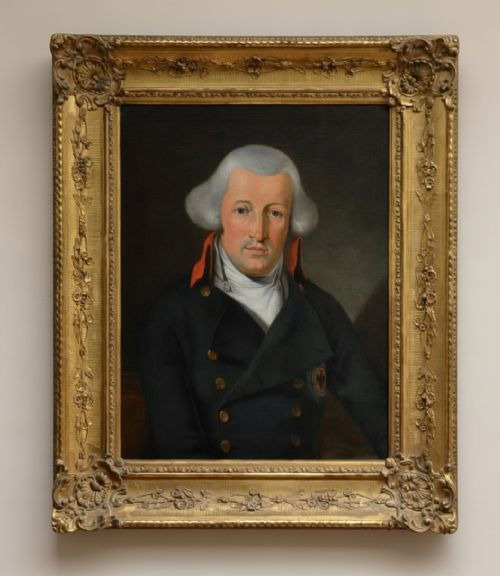


Georgian Officer Wall Art
Georgian officer wall art captures military figures in oil on canvas, watercolour, and engraving, bringing historic character into a room.
Georgian Officer Wall Art
When you search for georgian officer wall art, you encounter oil paintings, watercolours, portrait miniatures, and prints depicting military and naval figures. These pieces range from 18th-century depictions of captains and infantry officers to Regency representations of naval commanders and volunteers.
The most common items on this page are oil paintings on canvas, alongside smaller portrait miniatures and engravings. Subjects span British regiments, Scottish units, and continental European officers from the 18th century, the Regency period, and the 19th century.
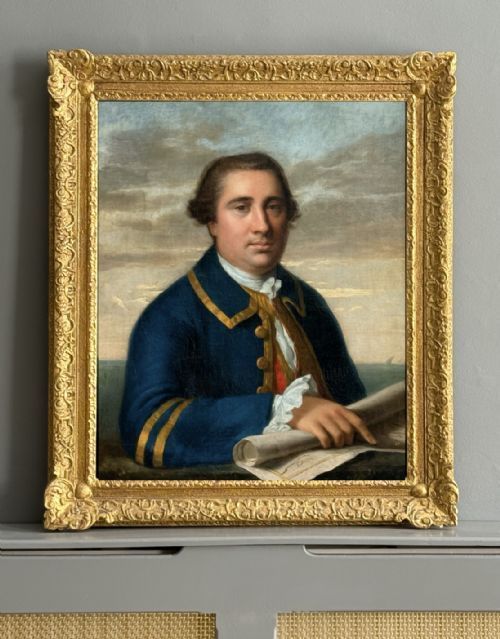
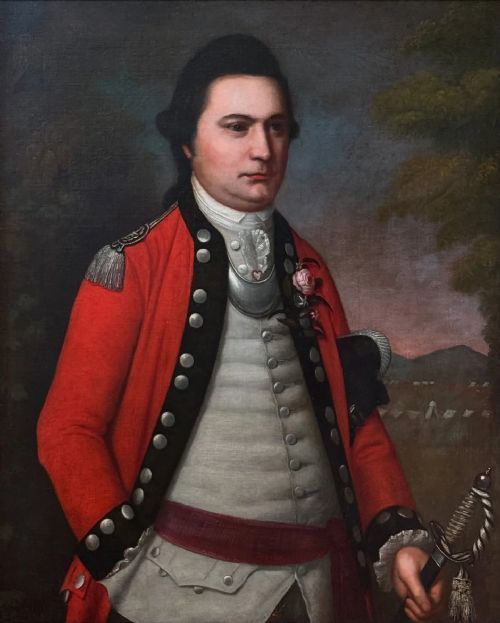
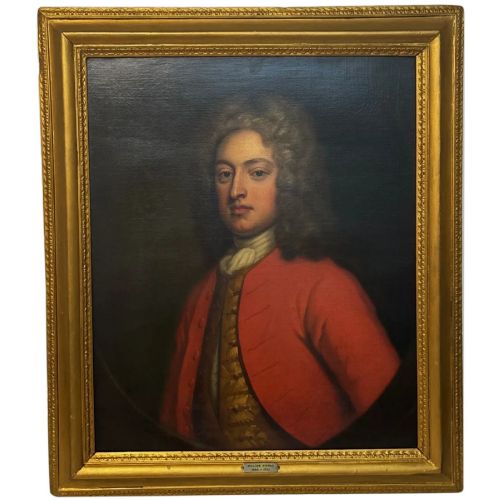
Portraits depict named individuals such as Captain John Campbell and Admiral Edmund Lyons, as well as anonymous sitters in naval jackets and military uniforms. Styles vary from traditional portraiture to folk art and 17th-century revival pieces produced later.
Materials and methods
Artists painted these military subjects using oil on canvas, watercolour on paper, and ink for engravings. Frames utilise wood and giltwood to house the canvas or paper supports under glass where appropriate.
Techniques range from finely detailed oil portraiture by established painters to simpler watercolour sketches and printed engravings. Canvas and paper provide the foundation for pigments applied by hand.
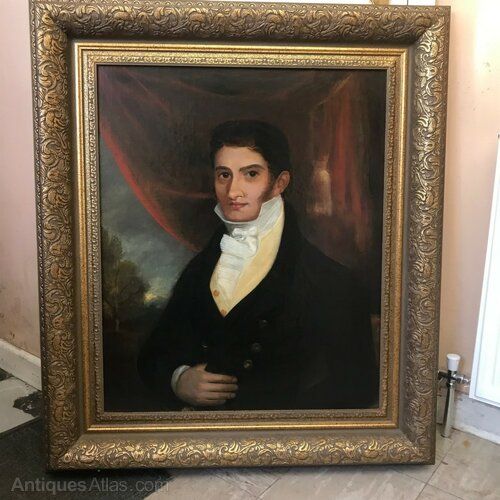
A primitive 20th-century canvas imagines an aristocratic gent with 17th-century flair who clearly missed his era.
Distinctions in quality
Quality depends on the precision of the brushwork, the handling of facial expression and uniform detail, and the skill of the artist. Works by named portrait painters show greater anatomical accuracy and depth than anonymous folk art or primitive interpretations.
The condition of the canvas, paper, and original pigment preservation affects the integrity of the piece. Superior examples retain their original surface texture and framing materials without heavy overpainting.
Stickland Lowry·George Frederick Clarke·Henry Hoppner Meyer·George Duncan Beechey·Henry Wyatt
The Georgian Officer Wall Art Glossary
- Oil on canvas
- Pigments bound in a drying oil applied to a stretched fabric support. This was the standard medium for substantial military portraits.
- Portrait miniature
- A small-scale painting executed with fine detail on materials such as paper or vellum. These intimate works often captured facial likenesses for personal keepsakes.
- Engraving
- An image printed from an incised metal plate. This technique allowed multiple impressions of a commander's portrait to be circulated.
- Regency
- The period from 1811 to 1820, characterised by distinct military uniform styles and portraiture traditions. Pieces from this era reflect Napoleonic-era service.
- Giltwood
- Wood carved and coated with gold leaf or a gold-coloured finish. It is commonly found on the ornate frames enclosing these portraits.
Georgian Officer Wall Art: Frequently Asked Questions
What periods do these pieces span?
The selections cover the 18th century, the Regency era, and the 19th century, with dates ranging from the early 1700s through to Victorian interpretations and later 20th-century folk art styles.
Individual pieces connect to specific military campaigns, volunteer corps, and naval engagements from these historical windows.
Are the subjects usually identified?
Many portraits name specific historical figures, including captains, admirals, lieutenant generals, and colonels with documented military service. Other works depict anonymous officers in naval jackets or infantry uniforms without a recorded sitter's name.
Inscriptional evidence on the canvas or frame often aids in identifying the rank and regiment of the subject.
How were these portraits displayed originally?
Officers and their families hung these painted and engraved likenesses in private residences, military messes, and institutional rooms to record service achievements. Large oil paintings commanded prominent positions in reception rooms, while miniatures travelled closely with the owner.
Today, they function as wall art within domestic interiors, retaining their original decorative and historical presence.
What mediums are used in these works?
Artisans worked primarily in oil on canvas, watercolour on paper, and engraved print formats. Frames constructed from wood and giltwood provide structural housing for the artworks.
Glass frequently protects fragile watercolours, miniatures, and paper engravings from environmental damage.
How do I distinguish a painting's era?
Uniform styles, wig designs, and facial hair offer immediate visual clues to the decade in which the portrait was painted. Napoleonic naval jackets differ visibly from earlier 18th-century military dress.
Canvas preparation, stretcher construction, and framing materials further assist in confirming the period of the piece.