




Georgian Oak Wall Rack
A georgian oak wall rack brings honest country character and practical display space to any kitchen wall.

Georgian Oak Wall Rack
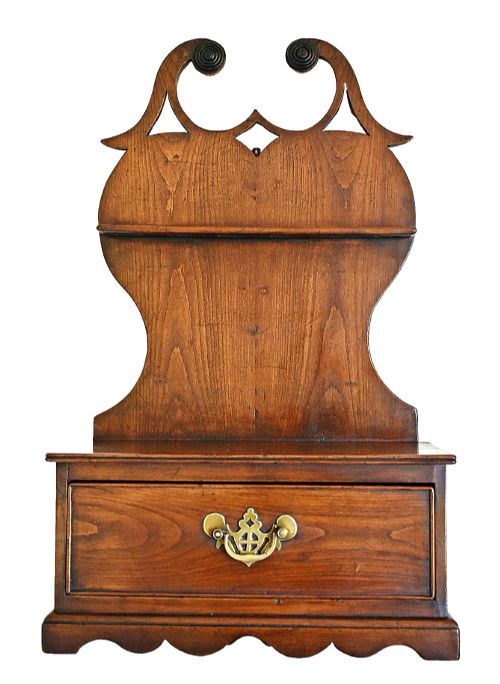
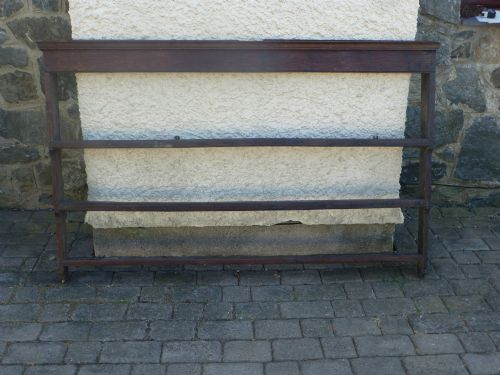
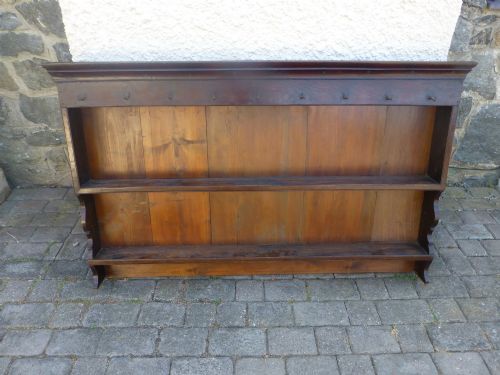
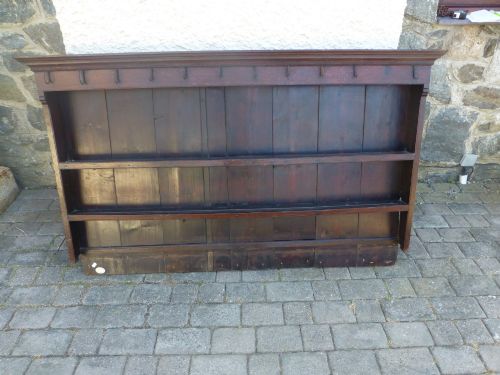
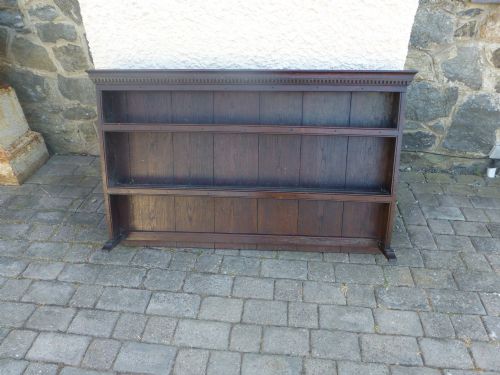
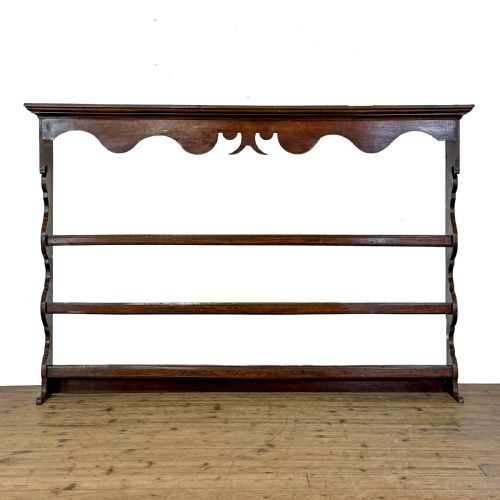
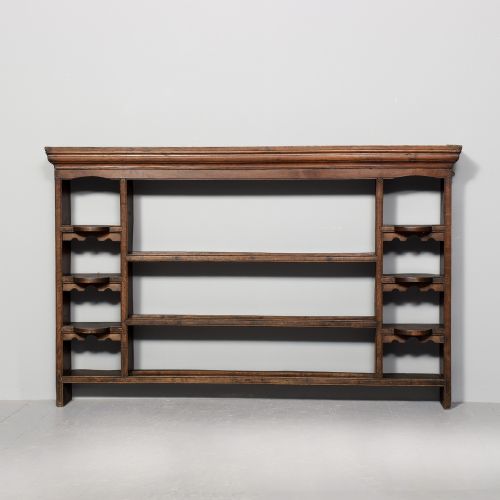
A georgian oak wall rack serves as a practical timber shelving unit designed to display plates, spoons, and kitchen wares directly upon a wall. These pieces originate predominantly from the eighteenth century, spanning the Georgian and George III periods.
The inventory on this page contains various forms including plate racks, spoon racks, hanging shelves, and dresser racks. English country and Welsh country traditions heavily influence these utilitarian household furnishings.
How they were made
Cabinetmakers utilised solid oak boards for the primary structure of these wall racks, frequently selecting pine for secondary elements like backboards. Wrought iron, brass, and pewter appear as secondary materials in fixings, hanging hardware, or accompanying spoons.
Georgian Oak Wall Rack Retail Price Guide 2026
Typical asking prices for georgian oak wall rack among the pieces listed under this phrase on Sellingantiques today, from the lower quarter to the upper quarter. They describe what is for sale here now, not the wider market.
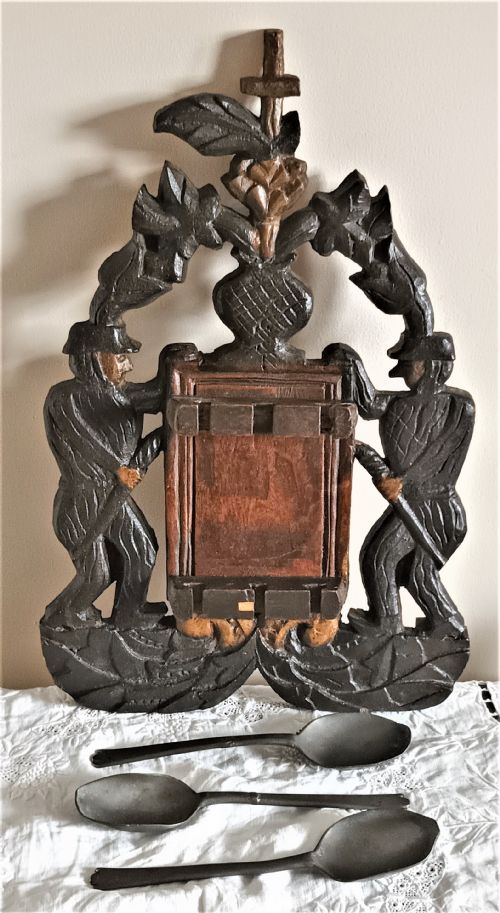
Several survival racks still retain their original miniature spoons, preserved together after centuries of domestic service.
What varies in quality
The distinction between standard utility items and finer examples rests upon timber selection, regional elaboration, and structural integrity. Pieces featuring decorative elements such as inlaid patterns or Corinthian columns demonstrate greater ambition by the maker.
Proportion and scale also separate simpler country wall racks from more substantial architectural plate racks. The integration of original hanging mechanisms and accompanying period pewter elements enhances the historical integrity of surviving pieces.
The Georgian Oak Wall Rack Glossary
- Delft rack
- A wall-mounted wooden shelving unit specifically designed for displaying ceramic plates and platters upright. These racks often include grooves or retaining bars to keep dishes secure.
- Spoon rack
- A compact wall hanging designed with specialised notches or vertical slots to display table spoons neatly. Examples from the eighteenth century frequently accompany matching pewter trefid spoons.
- Trefid spoon
- An early form of dining spoon featuring a flat, three-lobed terminal handle popular during the late seventeenth and eighteenth centuries. These appear alongside period spoon racks in specific listings.
- Corinthian column
- An ornate classical architectural pillar featuring acanthus leaf motifs at the capital, occasionally incorporated into the sides of higher-status country furniture. Their presence elevates a standard utilitarian rack into a decorative statement.
- Hanging wall shelves
- An open storage unit fixed directly to domestic walls for everyday utility rather than floor placement. They provide accessible display space for kitchen ceramics and small household objects.
Georgian Oak Wall Rack: Frequently Asked Questions
How do I hang a heavy oak wall rack?
These solid timber units require secure fixing directly into masonry or robust wall studs using appropriate steel screws and brackets.
Given the combined weight of the oak frame and displayed ceramics, professional installation ensures the wall safely supports the load.
What were wall racks originally used for?
Households utilised these wooden fixtures in kitchens and dining spaces to store and air dry pewter plates, delftware, and everyday spoons.
Positioned on walls, they kept essential tableware clean, visible, and easily accessible during meal preparation.
How do I date an eighteenth century wall rack?
Dating relies on examining the construction marks, timber shrinkage, nail types, and regional stylistic traits typical of the seventeen-fifties through the seventeen-nineties.
Hand-cut joints and surface patination accumulated through decades of domestic use provide clear physical evidence of their Georgian origin.
Can I put modern plates on a antique rack?
Most antique plate racks accommodate standard ceramic dinnerware, provided the depth of the display groove matches the thickness of the plate rim.
Buyers should measure the shelf depth and retaining rail clearance before displaying heavy modern stoneware.
How do I clean and maintain antique oak?
Maintenance requires gentle dusting with a dry lint-free cloth and occasional application of traditional beeswax to nourish the dry timber surface.
Water and modern chemical polishes must be avoided to protect the historic wax finish and natural patina of the oak.