
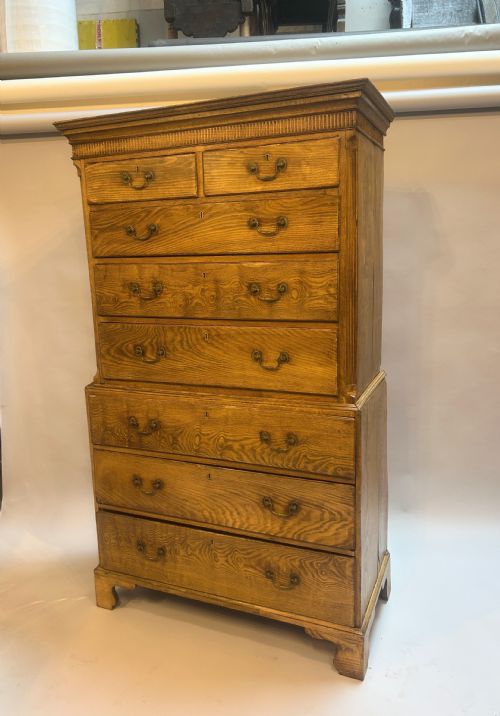
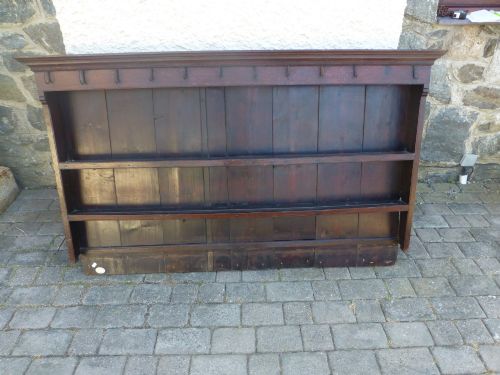
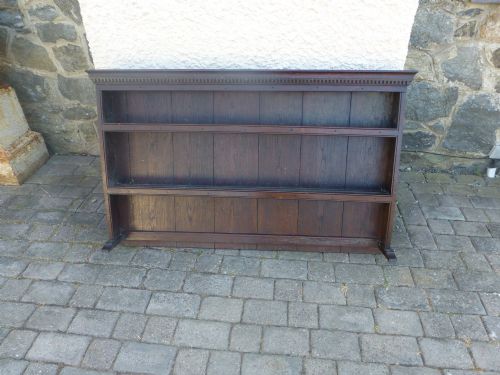
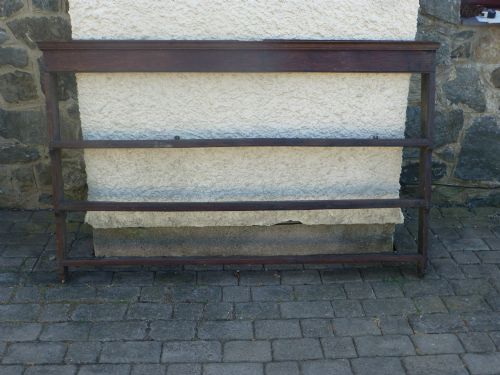
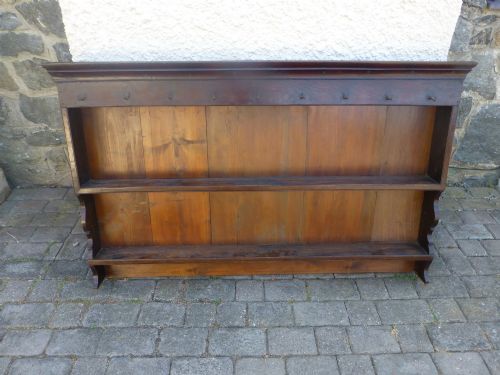
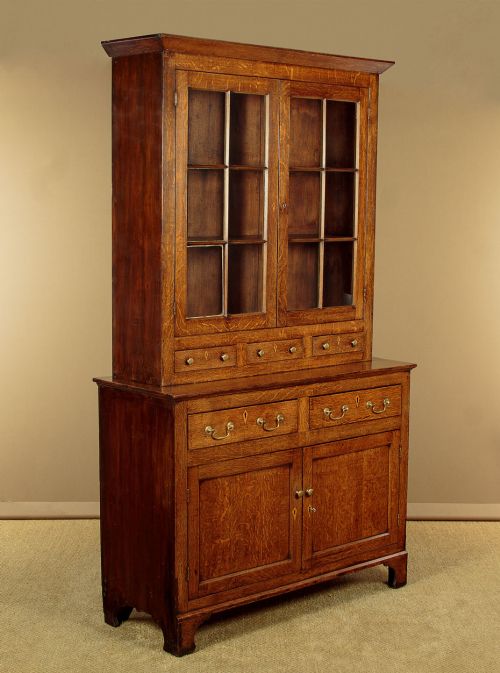
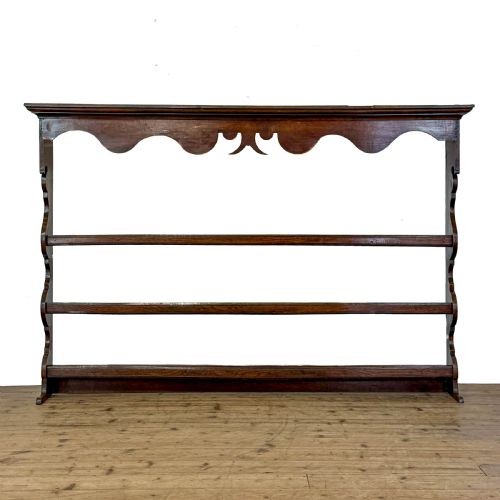
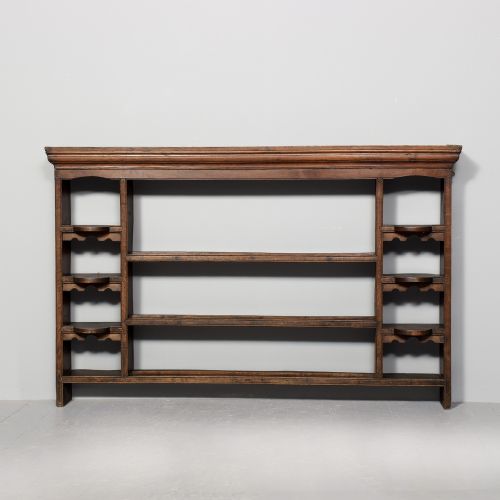


Georgian Oak Dresser Top
A georgian oak dresser top provides period storage and display, bringing traditional character and practical shelving directly to the dining room or kitchen wall.
Georgian Oak Dresser Top
When you search for a georgian oak dresser top, you encounter wall-mounted plate racks, open display shelves, and upper sections designed to sit atop base cabinets or chests.
These pieces originate principally from the eighteenth and early nineteenth centuries, reflecting English country and Welsh vernacular styles.
Materials and construction
Construction relies heavily on solid oak boards joined with traditional methods, often incorporating secondary timbers like elm.
Hardware typically includes brass and iron fixings, alongside glass panels on pieces that feature enclosed display cabinets.
Several examples include tiny spice drawers tucked beneath plate tiers, ready to hide secret pinches of cinnamon.
Assessing quality and proportion
Quality rests on the depth of the timber's grain, the preservation of original surfaces, and the subtlety of architectural moulding.
Superior examples maintain balanced proportions across their tiers, while lesser pieces show heavy alterations or mismatched timber replacement over generations of domestic use.
The Georgian Oak Dresser Top Glossary
- Plate rack
- An open wall-mounted shelving unit featuring grooved plate rails designed to hold ceramic plates upright. This form serves as the primary upper display section for traditional country furniture.
- Delft rack
- A regional variation of the plate rack specifically utilised for displaying tin-glazed earthenware and porcelain. These shelves often incorporate shaped friezes and plate-retainer bars.
- Cwpwrdd Gwydr
- A Welsh term for a glazed cupboard or cabinet. This form combines enclosed upper display space with traditional regional cabinetry.
- Tallboy
- A tall chest of drawers consisting of multiple stacked sections. Some configurations incorporate a display element or upper cabinet.
- Spice shelf
- A small compartmented wall rack featuring miniature drawers or tiny cubbies. These compact units organise culinary ingredients and small valuables.
Georgian Oak Dresser Top: Frequently Asked Questions
How do I hang a heavy oak rack?
Wall-mounted plate racks require secure fixing directly into masonry or structural timber studs using heavy-duty brackets.
Because these oak structures carry significant weight when loaded with ceramics, professional installation ensures the piece remains safely supported.
Were these tops made separately from bases?
Many dresser tops were constructed as independent wall racks or designed to be lifted off their base cabinets.
Makers frequently built upper and lower sections separately to ease transport through narrow farmhouse doors.
How do I clean old oak timber?
Maintenance involves dusting with a dry, soft cloth and occasionally feeding the dry timber with a traditional beeswax.
Avoid modern liquid polishes and household cleaners, which strip the historic patina accumulated over centuries.
Can I display heavy dinnerware safely?
Original plate racks feature integrated plate grooves and wooden retaining bars designed to secure china safely.
Users should verify the depth of the shelf rail and the stability of the antique timber before loading heavy ceramic collections.