



Georgian Oak Carver Chairs
Georgian oak carver chairs combine robust vernacular construction with generous seating proportions, making them a practical and handsome addition to a traditional dining table.
Georgian Oak Carver Chairs
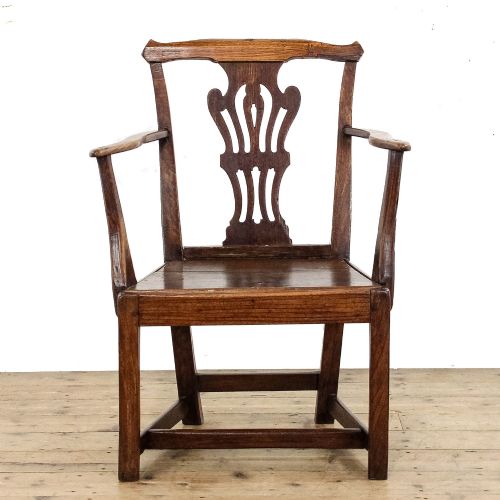
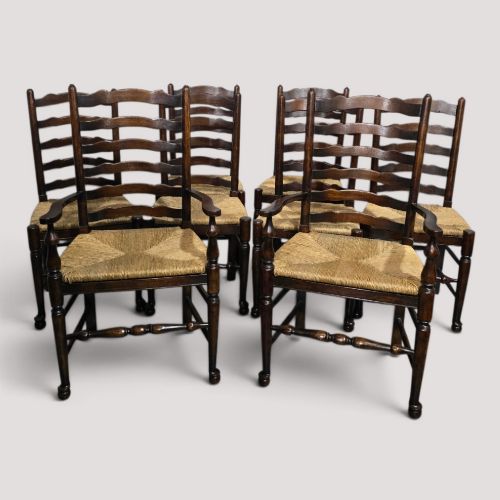
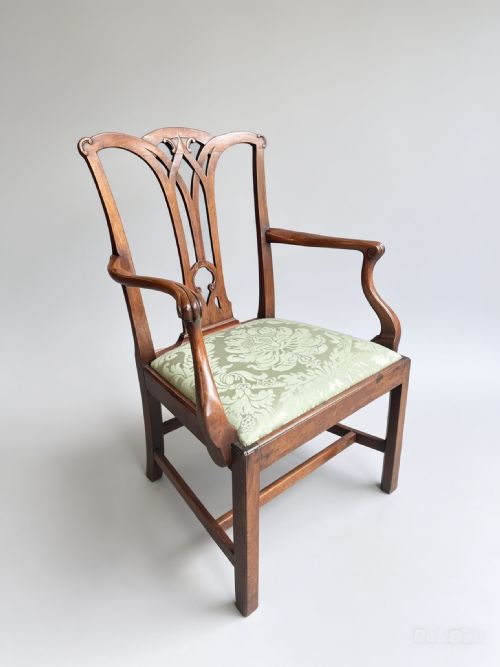
When you search for georgian oak carver chairs, you encounter sturdy armchairs rooted in 18th-century and early 19th-century country craftsmanship. These seating pieces typically serve as the ends of a dining set, offering open arms and supportive high backs for daily use.
Materials extend beyond oak to include native timbers such as elm, ash, and beech, often paired with rush or fabric seats. These armchairs display the straightforward utility and honest construction characteristic of English country vernacular design.
How they were made
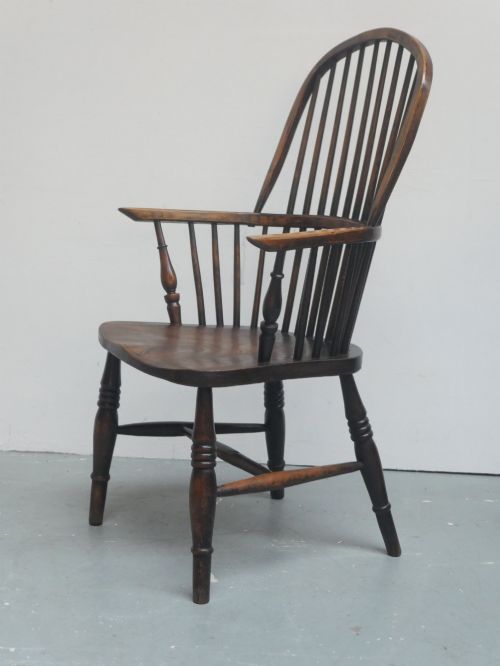
Country joiners and urban cabinet makers built these chairs using solid native timbers, selecting oak for framing alongside flexible woods like elm and ash for seats and spindles. Turnery lathes shaped uprights and legs, while traditional mortise and tenon joints held the structural frames together firmly.
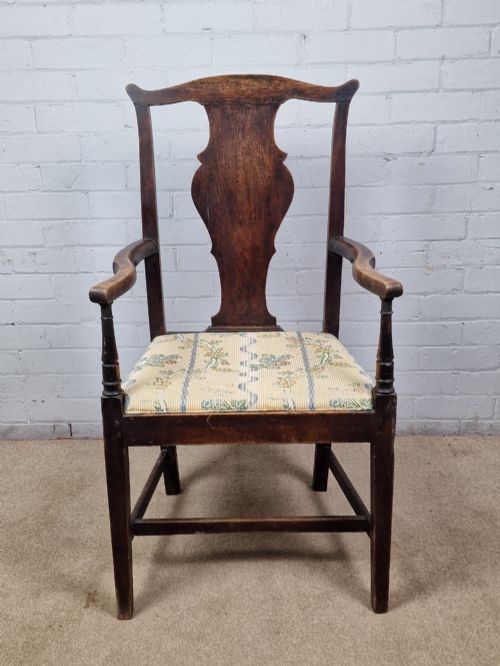
Seats often consist of carved solid elm or woven rush, providing durable foundations that withstood decades of domestic use. Surface finishes vary from untreated timber and historic paint to polished oak, depending on whether the chairs belonged to a farmhouse kitchen or a country house dining room.
Several armchairs retain traces of historic paint and crewel work seat embroidery, recording generations of country house life.
What varies in quality
Quality in these rural armchairs rests upon the integrity of the original timber and the cleverness of the regional design. Chairs retaining their original unthinned legs, tight joints, and genuine surface patination command greater respect than those compromised by extensive timber replacement or aggressive cleaning.
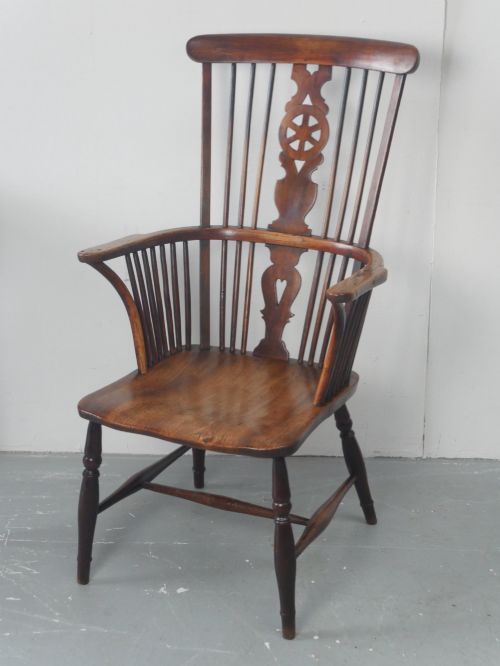
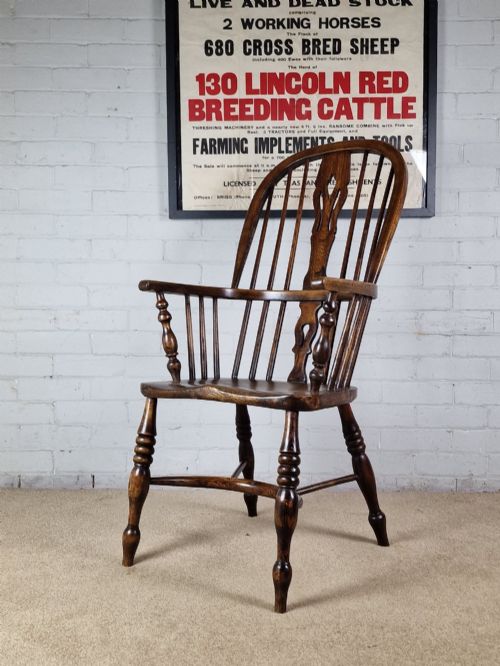
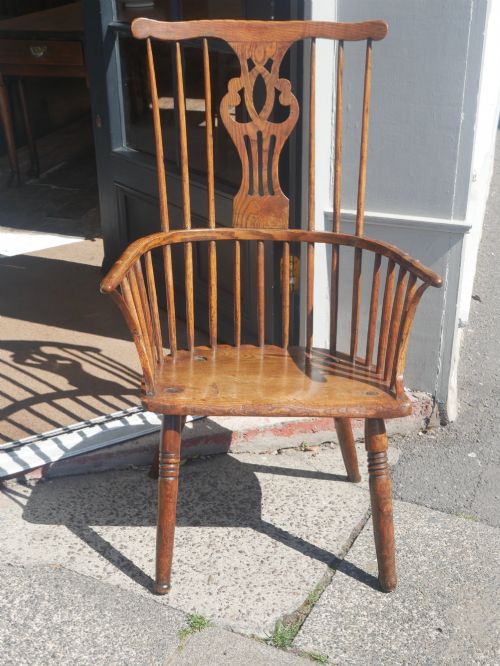
The balance of proportions also separates standard utility seating from finer regional examples. A well-balanced comb-back or wheel-back chair exhibits harmonious splat placement, comfortable arm clearance, and confident carving that marks the hand of a skilled local craftsman.
Waring
The Georgian Oak Carver Chairs Glossary
- Carver chair
- An armchair, typically placed at the head of a dining table, designed with arms to accommodate the clothes of the principal guest. These seating pieces match or complement sets of smaller single chairs.
- Windsor chair
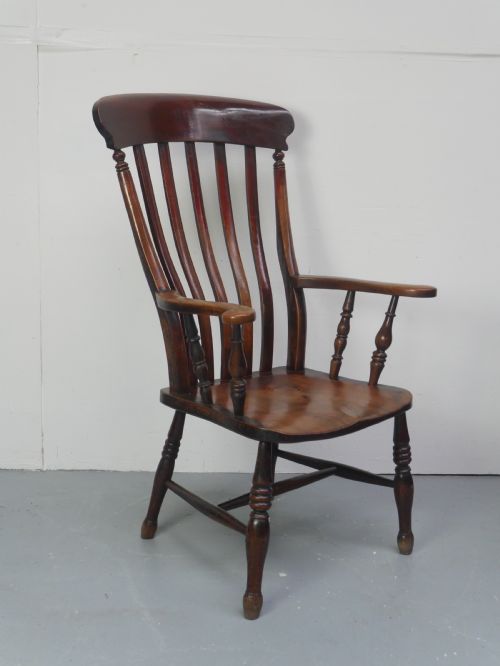
- A chair built with a solid wooden seat into which the legs, back spindles, and bow are separately dowelled and inserted. Regional variations include comb-back, wheel-back, and spindle-back forms.
- Ladder back
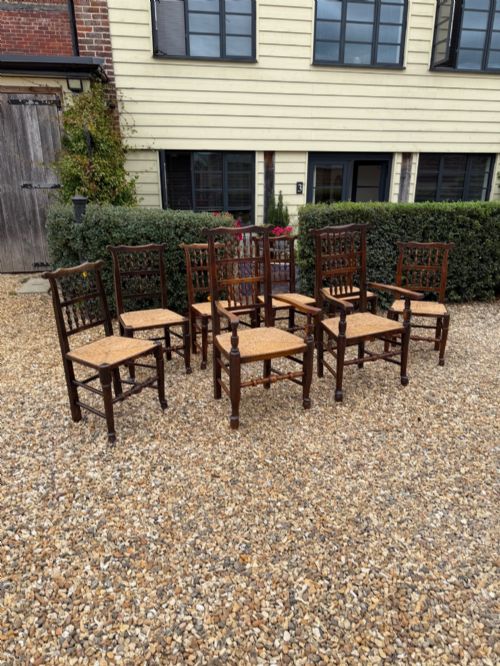
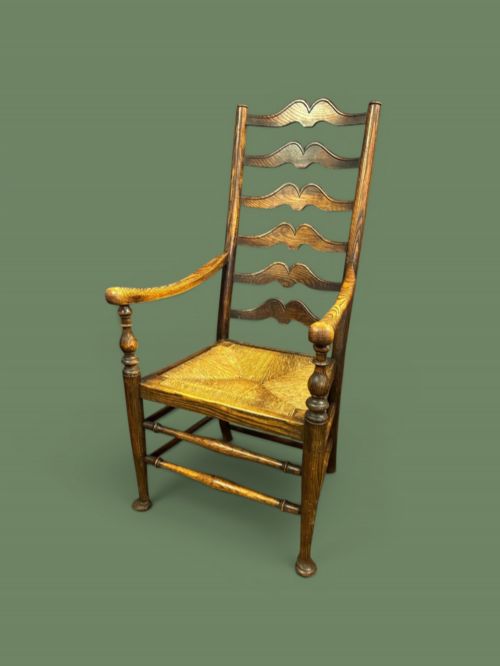
- A chair back constructed with multiple horizontal arched slats placed between two upright posts. This traditional form appears frequently in Lancashire and Cheshire vernacular seating.
- Rush seat
- A seating surface woven from dried marsh rushes twisted into cords around a wooden frame. This technique creates a resilient and flexible platform for country chairs.
- Vernacular furniture
- Objects made by local craftsmen following regional traditions rather than formal London pattern books. These pieces prioritize practical utility and local materials over high-style ornamentation.
Georgian Oak Carver Chairs: Frequently Asked Questions
What is a carver chair?
A carver chair is an armchair traditionally placed at the head and foot of a dining table. These seating pieces provide open arms and robust support.
Historically, they accompanied matching sets of single dining chairs for the head of the household or important guests.
How do I date a country armchair?
Dating relies on examining construction techniques, timber wear, and regional design traits. Joinery methods and tool marks often indicate whether a piece dates to the 18th century or later.
Hardware, such as early handmade screws or nails, also helps narrow down the period of manufacture.
Are these chairs comfortable for daily use?
Most country armchairs offer generous proportions and supportive high backs designed for long sitting periods. Solid wood or woven rush seats provide firm support.
Adding a loose squab cushion can further increase comfort during modern dining use.
What woods were used in these chairs?
Joiners utilised sturdy native timbers suited to regional availability and structural needs. Oak served as the primary framing wood for strength.
Elm, ash, and beech frequently appear in seats, spindles, and turned legs due to their bending qualities.