

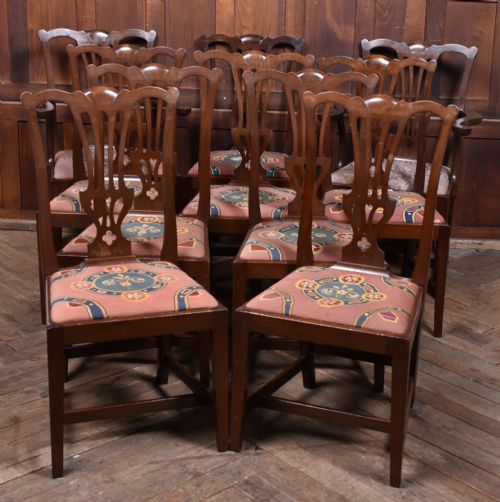


Antique Vernacular Dining Chairs
Antique vernacular dining chairs bring honest character to a room, combining regional shapes with local timbers like elm, ash and oak.
Antique Vernacular Dining Chairs
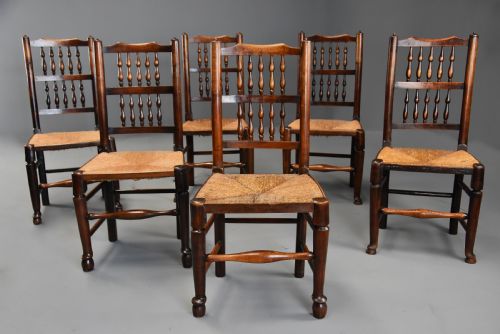
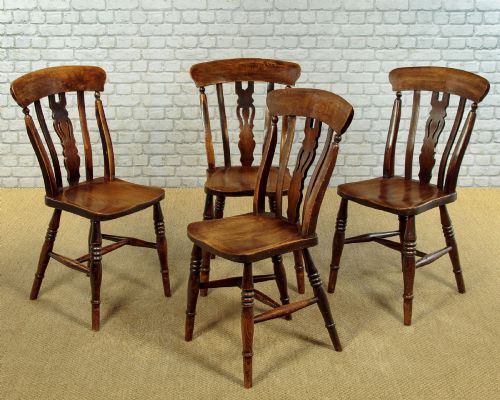
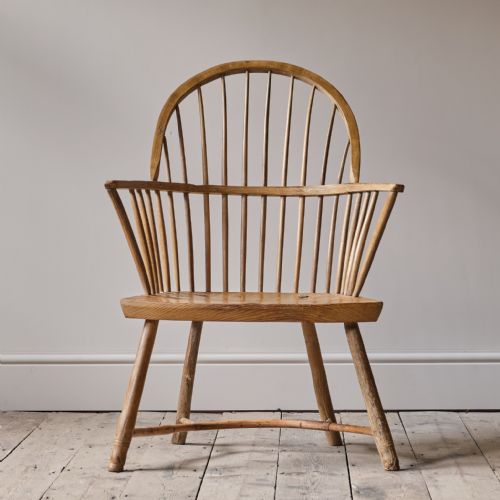
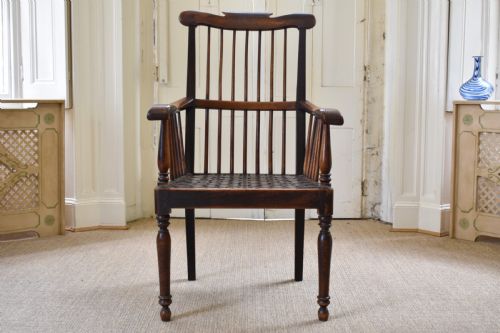
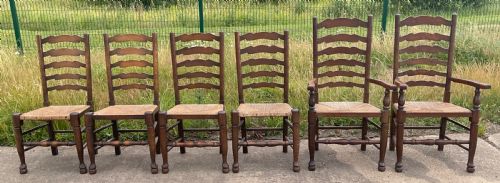
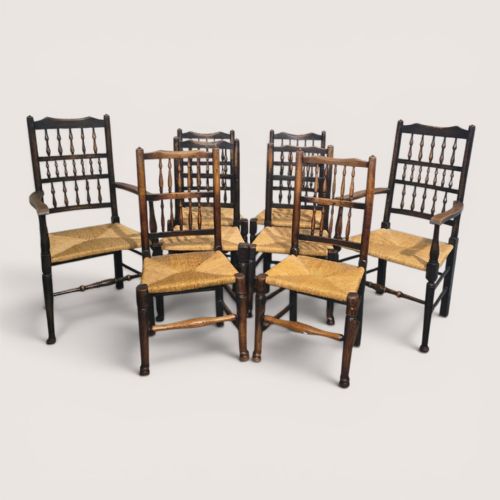
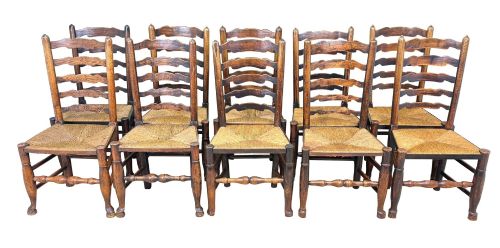
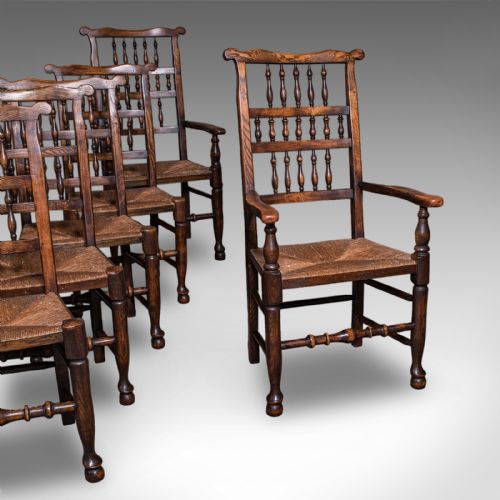
When you search for antique vernacular dining chairs, you encounter unpretentious seating shaped by local traditions rather than courtly London fashions. These pieces encompass sturdy farmhouse side chairs, spindlebacks, ladderbacks and Windsor armchairs intended for daily domestic use.
The examples available here date primarily from the eighteenth and nineteenth centuries, taking forms developed in English, Welsh, Scottish and Irish counties. They range from single rush-seated rush chairs to harlequin sets gathered over generations for the kitchen table.
Regional variations define this category, showing specific turning patterns and construction methods tied to particular workshops and rural districts. A buyer finds everything from simple low-back Windsor chairs to substantial sets of elm-seated dining chairs.
Materials and construction
Makers utilised timber combinations dictated by local woodland resources, frequently pairing tough ash or beech for spindles and legs with resilient elm for solid, saddled seats. Oak also appears in joined regional seating, while rush and plaited straw provide traditional seating surfaces.
Construction relies on time-tested greenwood working methods and steam-bending techniques that allow backs and hoops to curve organically. Component parts are typically turned on foot-powered lathes and fitted together using wedged tenons and mortise joints.
Listings feature regional seating constructed from elm, ash, beech and oak across eighteenth and nineteenth-century periods.
Judging quality and integrity
Quality rests in the survival of original surfaces and the depth of timber patina earned through centuries of use and polishing. Chairs that retain their original turned components and unclipped legs stand above those rebuilt with mismatched replacement parts.
Structural honesty separates exceptional regional seating from lesser examples, particularly where the joinery remains tight without excessive modern intervention. The subtle sculpting of a solid elm seat, known as a penny or saddle seat, reveals the hand of a skilled country carpenter.
Wheelers of Arncroach·Fred Walker Rockley
The Antique Vernacular Dining Chairs Glossary
- Windsor chair
- A chair built with a solid wooden seat into which the legs and back spindles are inserted directly. These robust country seats often feature curved armbows and central splats.
- Ladderback
- A chair back constructed from horizontal arched slats stacked between two upright posts. This traditional form frequently accommodates rush seating.
- Rush seat
- A seating surface woven from dried marsh rushes twisted into cords. Such seats provide a resilient, slightly springy platform for dining.
- Spindle back
- A chair back composed of numerous thin, turned vertical wooden rods. These slender members distribute weight evenly while keeping the frame lightweight.
- Harlequin set
- A collection of dining chairs that share a general style, period or material but vary slightly in individual details. Such groupings formed organically in country houses over time.
Antique Vernacular Dining Chairs: Frequently Asked Questions
How do I care for antique wood seats?
Maintain your chairs by applying natural beeswax occasionally to nourish dry timber and preserve the historic surface finish. Keep them away from direct heat sources and sudden temperature shifts to prevent wood splitting.
Dust regularly with a soft dry cloth rather than using modern silicone polishes that build up residue over time. Gentle handling ensures the original patina remains undisturbed for decades to come.
Can I mix different country chairs together?
Creating a harlequin dining arrangement using mismatched regional chairs reflects a historically authentic country house aesthetic. Matching chairs by timber, such as elm and ash, creates visual harmony across varied wheelback and ladderback forms.
Similar seat heights and overall proportions matter more than identical turning details when gathering a set for the dining table. This approach allows you to combine single finds into a practical and characterful seating group.
What timber was used for country chairs?
Country chairmakers selected native hardwoods suited to specific structural demands within each piece. Elm served as the primary choice for carved solid seats because its interlocking grain resists splitting under pressure.
Ash, beech and oak provided the strength needed for turned legs, stretchers and delicate back spindles. Occasionally, rarer woods like laburnum appear in regional armchairs for decorative contrast.
Are rush seats strong enough for daily dining?
Traditional rush seating woven from dried marsh grass offers surprising durability and flexibility for everyday use. When kept dry and treated with care, a tight rush cord seat supports daily dining comfortably for many years.
Avoid placing rush-seated chairs in damp environments, which cause the natural fibres to weaken and rot. Professional re-sewing can restore damaged rush panels while preserving the antique wooden frame.