



Georgian Miniature
A georgian miniature condenses the portraiture and cabinetmaking of an entire era into something you can hold in your palm.
Georgian Miniature
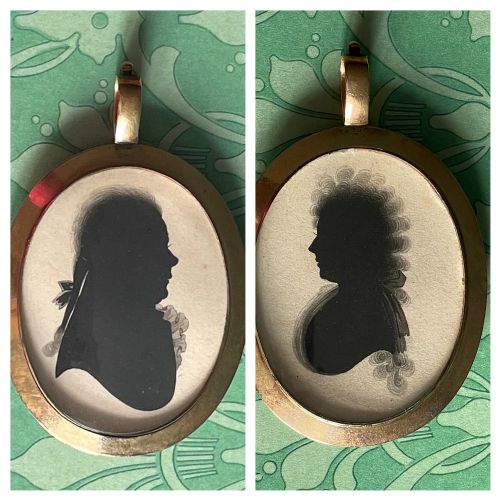
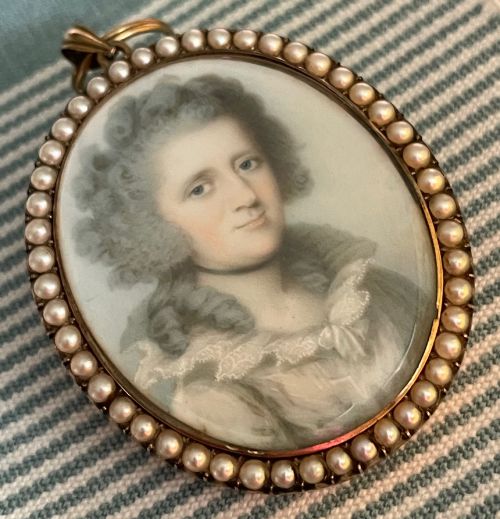
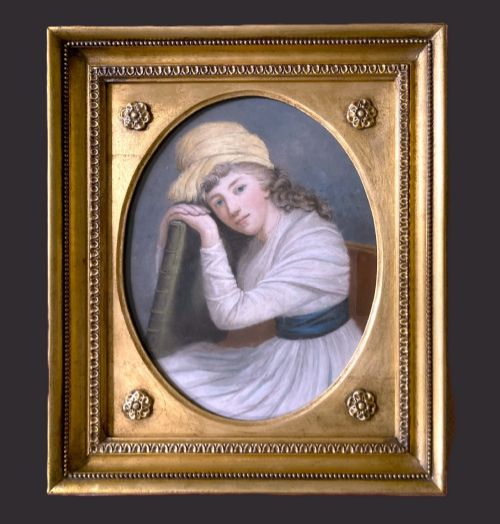
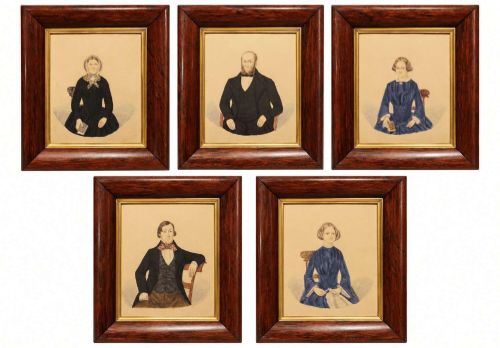
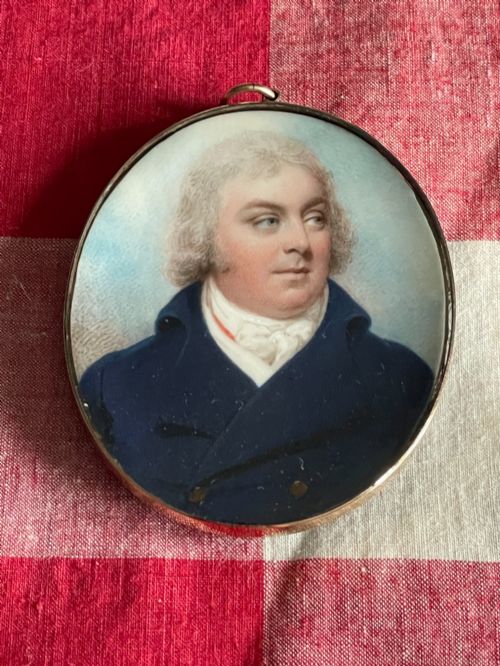
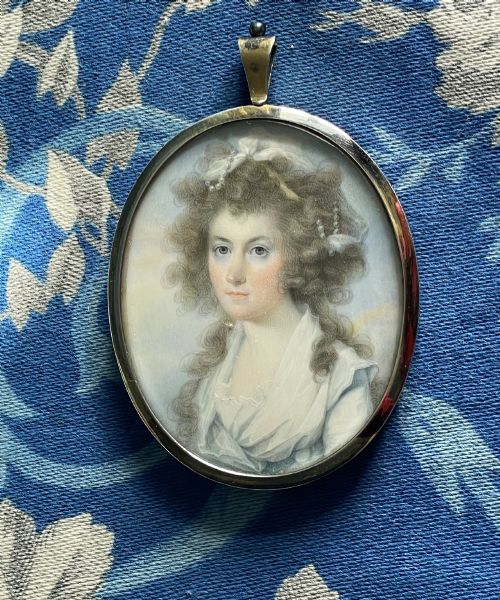
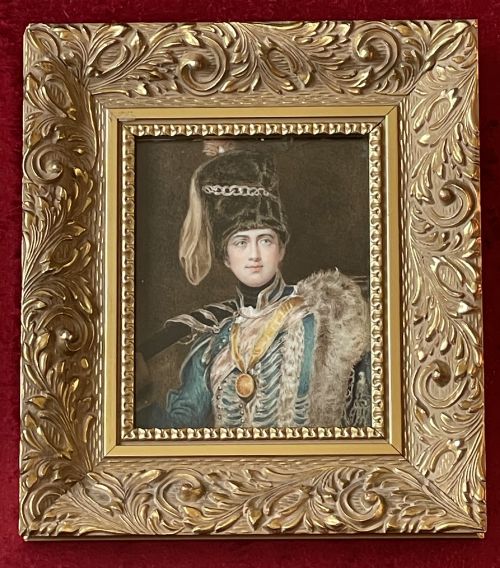
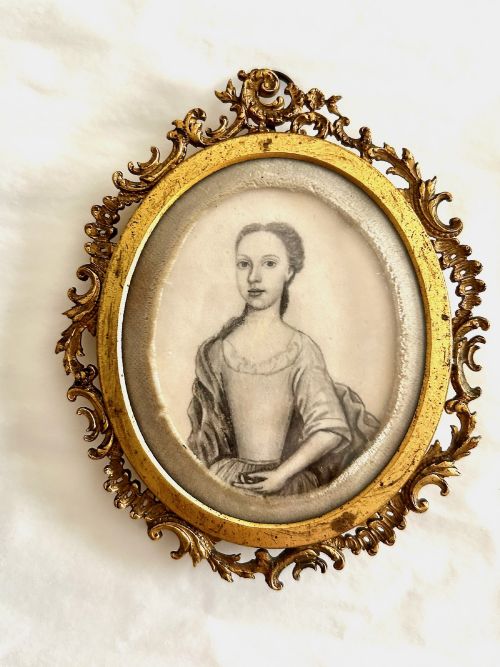
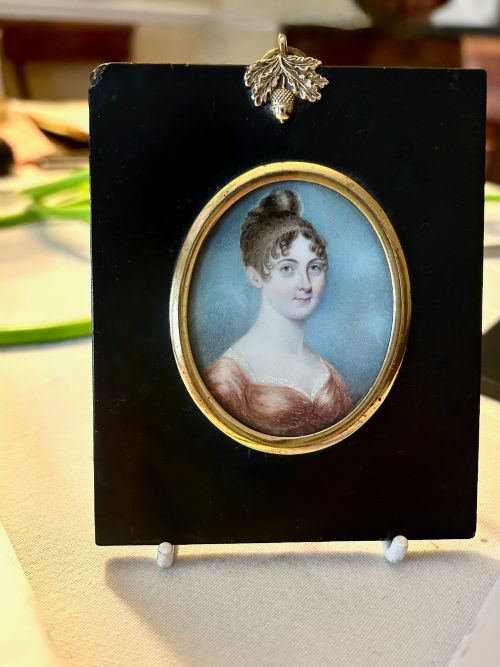
When you search for a georgian miniature, you encounter two distinct worlds: delicate portraiture and diminutive furniture. The portraits arrive as watercolours on paper or ivory, ink silhouettes, and reverse paintings on glass, capturing gentlemen, officers, and ladies in oval frames.
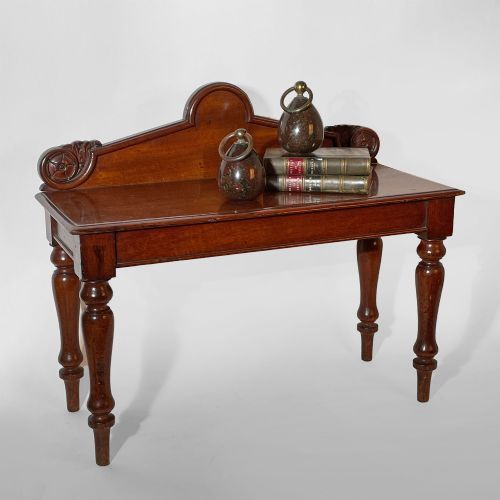
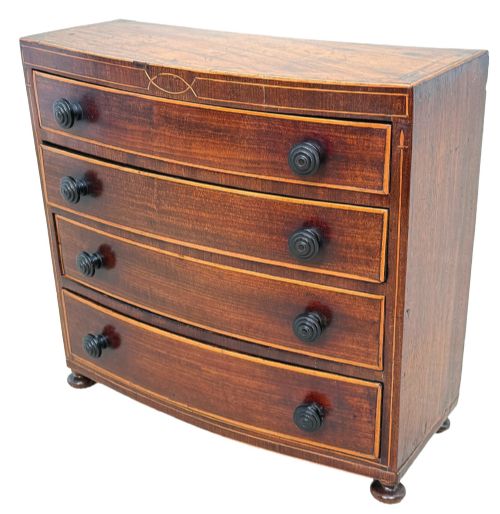
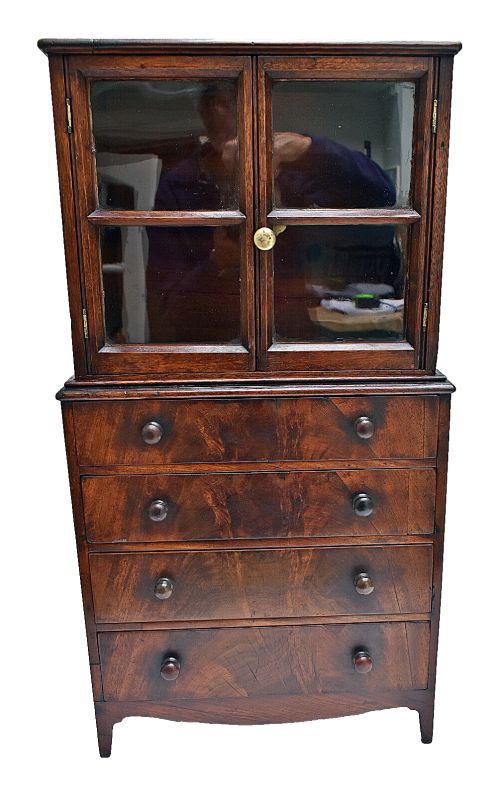
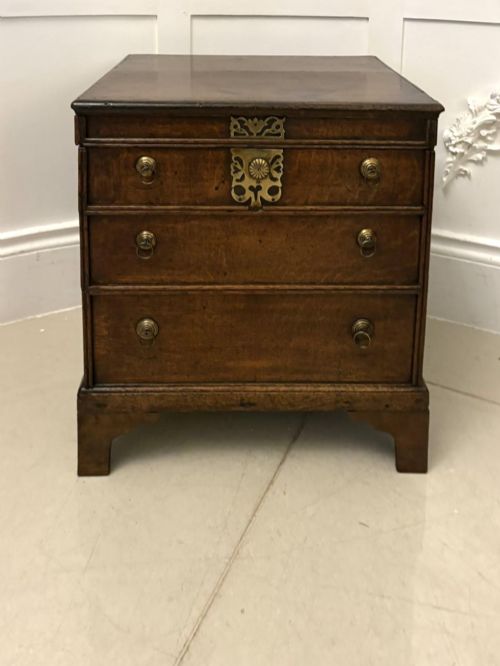
Alongside the portraits sit small-scale chests of drawers, table cabinets, tripod tables, and child chairs. These pieces span the eighteenth century into the regency and early nineteenth century, drawing on mahogany, oak, and brass.
The portrait miniatures display sitters from distinct schools of painting, while the small furniture items reflect the domestic cabinetry of larger rooms scaled down for apprentices or tabletop use.
Materials and Techniques
Makers utilised mahogany and oak for the miniature chests and tables, constructing dovetailed drawers and turning small supports with the same joinery principles applied to full-sized furniture. Brass hardware provided hinges, escutcheons, and barrel details.
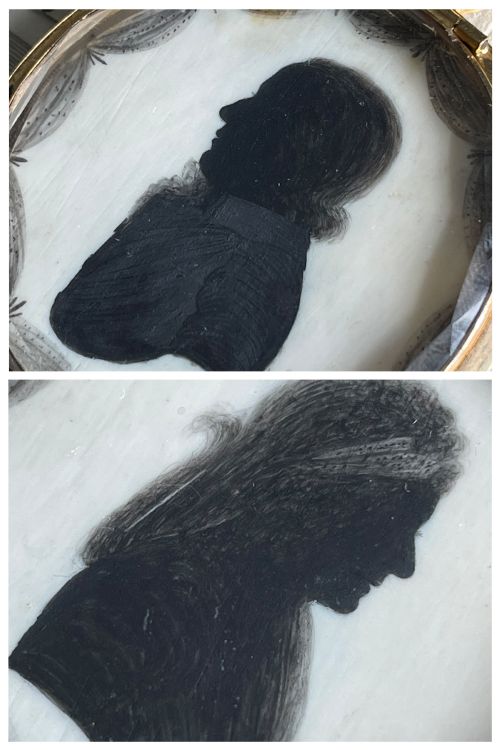
The portraits required a steady hand with watercolour, ink, and enamel on surfaces such as paper, ivory, and glass. Silhouettes involved precise hand-cutting of paper, sometimes enhanced with watercolour washes or gold leaf detailing.
Georgian Miniature Retail Price Guide 2026
Typical asking prices for georgian miniature among the pieces listed under this phrase on Sellingantiques today, from the lower quarter to the upper quarter. They describe what is for sale here now, not the wider market.
Listings feature paper, ivory, brass, and mahogany across the eighteenth and nineteenth centuries.
Judging Quality
Quality rests in the precision of the hand and the fidelity of the proportions. In a portrait miniature, the clarity of the facial expression and the finesse of the brushwork separate casual work from the hand of a skilled artist.
In miniature furniture, the distinction lies in the restraint of the joinery and the choice of timber. Pieces that maintain correct architectural proportions and neat dovetails at a small scale stand apart from coarser interpretations.
Anna Tonelli·John Reilly·Frederick Buck·William James Hubard·Thomas John Horsley·Horace Hone·Charles Shirreff·Taylor And Perry
The Georgian Miniature Glossary
- Silhouette
- A profile portrait cut from paper or painted in solid dark pigment, often highlighted with gold leaf. These profiles gained popularity in the late eighteenth and early nineteenth centuries.
- Reverse painted on glass
- A technique where the artist paints directly onto the reverse side of a glass panel so the image is viewed correctly through the front. This method protects the pigment from dust and fading.
- Apprentice piece
- A small-scale item of furniture made by a trainee craftsman to demonstrate mastery of joinery before entering a guild. These objects mirror full-size furniture in every structural detail.
- Taperstick
- A diminutive candlestick designed to hold a taper for melting sealing wax on letters. Silver examples often fold for travel.
Georgian Miniature: Frequently Asked Questions
What is a portrait miniature painted on?
Artists painted these small portraits on thin sheets of ivory, prepared paper, and sometimes enamel surfaces. Glass also served as a support for reverse-painted pieces.
Watercolour and ink were the primary mediums used to achieve fine detail on these restricted surfaces.
Were miniature chests of drawers used by children?
Most miniature chests and small tables were not intended as children's toys. Cabinetmakers and apprentices created them as trade samples or demonstrations of fine woodworking.
Some served as tabletop storage for small valuables, trinkets, or sewing accessories.
How do you date a silhouette portrait?
Costume, hair styling, and framing materials offer the most reliable clues for dating. Regency silhouettes often feature distinctive shoulder cuts and gold highlights.
Makers' stamps or handwritten inscriptions on the reverse also help establish a firm period.
Can miniature books be read?
Printed volumes in small formats contain legible text set in remarkably tiny typefaces. Publishers produced these tiny books for travellers and collectors.
They feature full bindings in leather or paper boards, mirroring standard editions of poetry, plays, and essays.