


Georgian Miniature Portrait Painting
A georgian miniature portrait painting captures intimacy on a small scale, offering a personal window into past lives that collectors prize for detail.
Georgian Miniature Portrait Painting
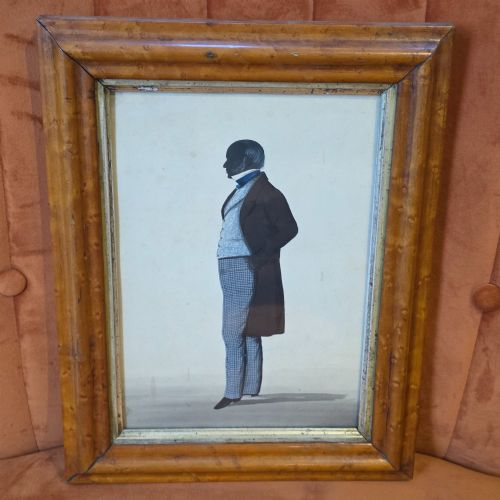
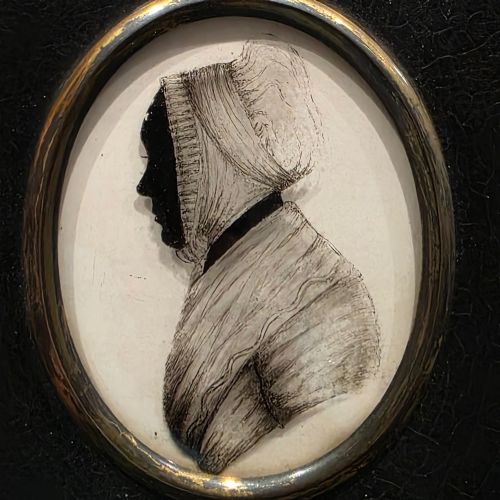
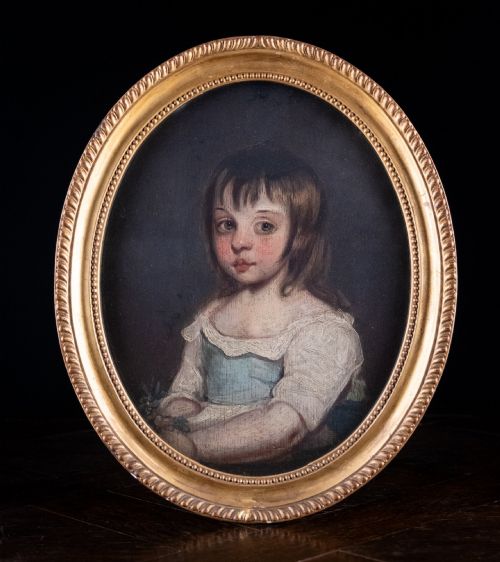
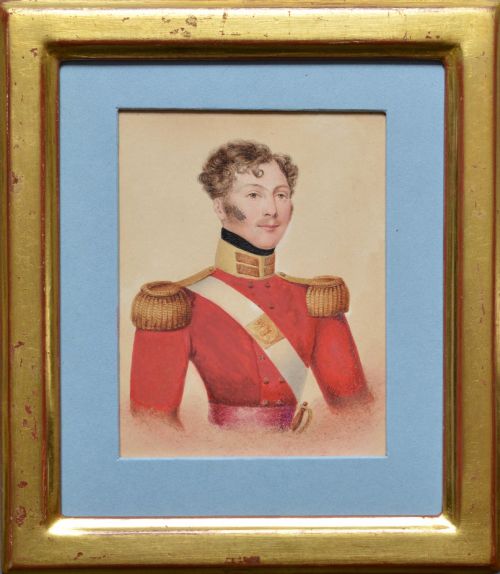
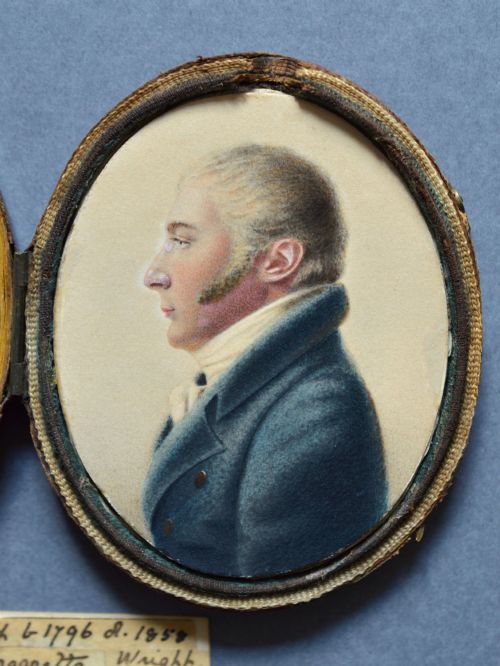
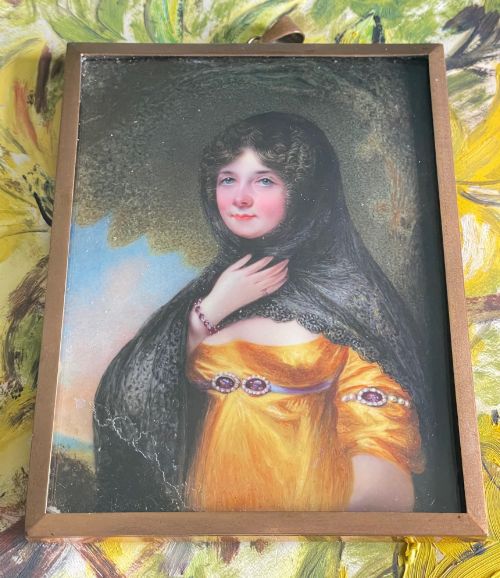
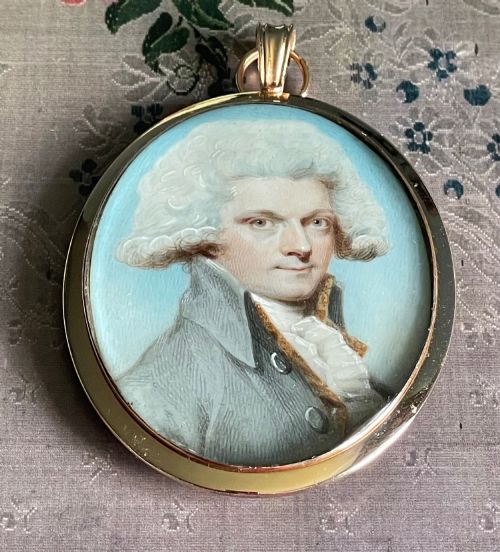
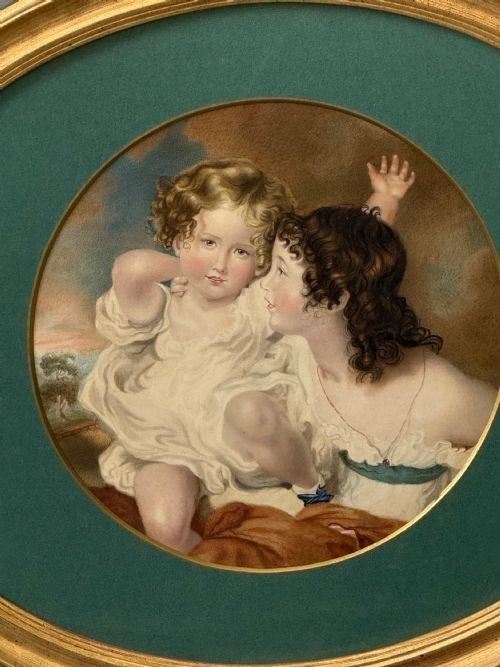
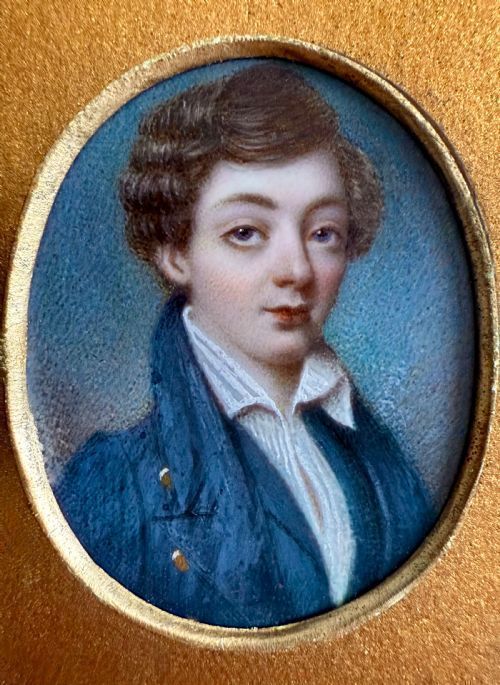
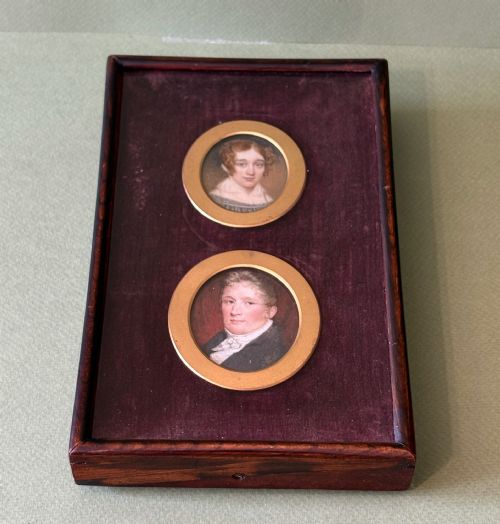
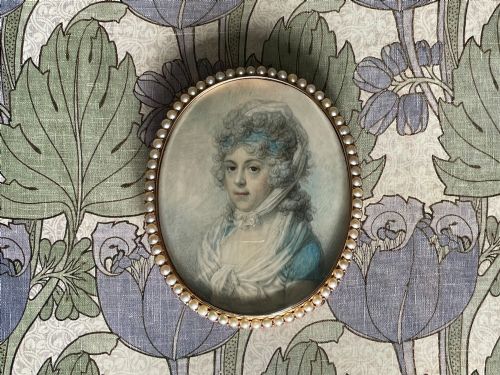
When you search for a georgian miniature portrait painting, you encounter small-scale artworks that record the likenesses of officers, gentlefolk and children from the eighteenth and nineteenth centuries. These pieces appear in oval or rectangular formats, often framed in wood, gilt metal or ebonised surrounds designed for domestic display or personal wear as lockets and rings.
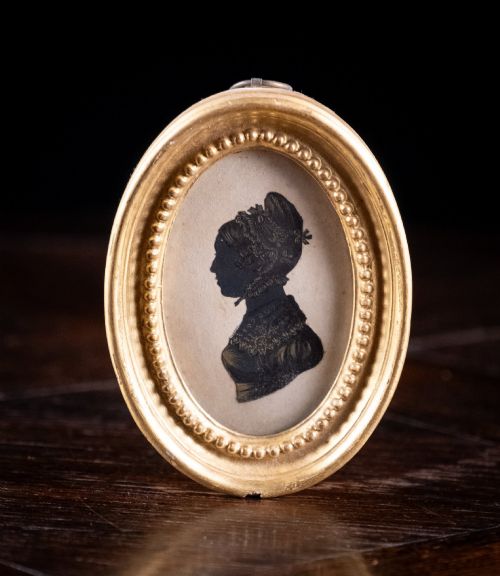
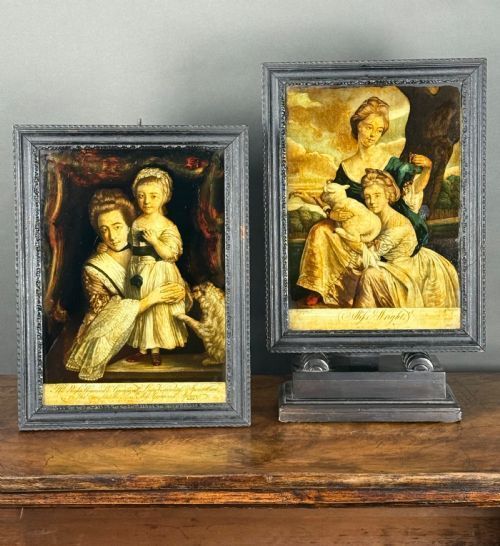
The selections span from the 1700s through the Regency era and into the later nineteenth century, representing British and European schools. You meet watercolours, enamels, reverse glass paintings and silhouettes that capture sitters with remarkable precision despite the diminutive size of the canvas or paper.
Works on this page include distinct styles such as French Rococo and Georgian Neoclassical alongside pieces linked to specific military regiments and family groups. Collectors find both finished painted works and delicate pencil or gouache drawings reflecting the portraiture tastes of past centuries.
Materials and Technique
Makers applied watercolour, gouache and enamel onto paper, card, porcelain plaques or directly behind glass using fine brushes and meticulous strokes. Enamel works involved fusing powdered glass pigments to metal supports under high heat to achieve lasting colour and gloss.
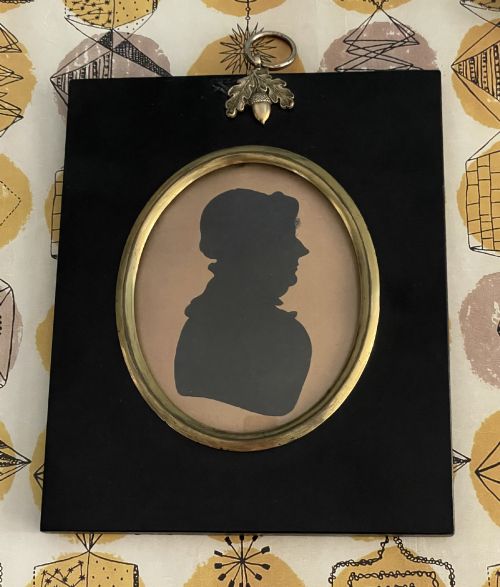
Mounting required durable housings of gold, brass, gilt metal and wood, frequently backed by glass to protect the fragile pigments from dust and moisture. Silhouette artists utilised hand-cut paper, reverse painting techniques and precious metal highlights to define profile likenesses.
Artists housed these delicate paintings within ebonised wooden frames, wearable jewellery pieces or small leather cases lined with silk. The combination of precious metals, protective glass and water-based pigments dictated a careful construction process intended to preserve the likeness over generations.
Several miniatures preserve the fierce glares of forgotten military officers who likely sat very still while holding back a sneeze.
Execution and Detail
The distinction between ordinary and superior pieces rests upon the precision of the facial expression, the handling of drapery and the confidence of the brushwork. Skilled hands rendered light in the eyes and subtle tones in the skin, whereas lesser works relied on formulaic outlines and flat colour fields.
The quality of the surrounding frame or mount also indicates the original status of the piece, with heavy gold, seed pearl settings and detailed reverse glass work marking out more ambitious commissions. Preservation of the original paint surface without modern overpainting maintains the integrity and historical value of the miniature.
James Sharples·Henry Bone·Horace Hone·Charles Shirreff·Richard Cosway·John Miers·John C D Engleheart·Frederick Buck·Charles Hayter·Christian Friedrich Zincke
The Georgian Miniature Portrait Painting Glossary
- Enamel
- A glassy substance fused to a metal base through kiln firing. This technique provided vibrant, permanent colour that resisted fading over centuries.
- Silhouette
- A solid dark profile portrait cut from paper or painted onto card, glass or plaster. Many examples from this period recorded sitters quickly and accurately.
- Verre eglomise
- A cold decoration technique where design elements were applied to the reverse side of glass using gold or silver leaf. This method created a reflective, shimmering backdrop for silhouettes and portraits.
- Locket
- A small hinged metal case worn as jewellery to hold a portrait miniature close to the body. These items often contained woven hair behind the painting as a sentimental love token.
- Gouache
- An opaque water-based paint mixed with a binding agent and white pigment. It allowed artists to build highlights and solid areas of colour on paper and card supports.
Georgian Miniature Portrait Painting: Frequently Asked Questions
How were portrait miniatures worn?
Owners wore these small portraits as pendants, brooches and rings set in gold or brass. They served as personal tokens of affection or remembrance kept close to the wearer.
Jewellery pieces frequently incorporated braided human hair behind a glass panel on the reverse side. This doubled their function as both a likeness of a loved one and a sentimental keepsake.
How do I care for a miniature painting?
Keep these delicate artworks away from direct sunlight to prevent the watercolour pigments and paper from fading. Stable indoor humidity levels protect the wood, metal and glass components.
Avoid opening sealed frames, as exposure to modern air can damage fragile historic watercolours and enamels. Display them on interior walls or store them flat in lined boxes.
How do I date an antique miniature?
Examine the costume, hair style and framing materials to narrow down the decade of production. Regency clothing differs visibly from the powdered wigs and waistcoats of the mid-eighteenth century.
Signatures, inscriptions on the reverse and contemporary labels provide further clues. Frame styles, such as oval ebonised wood with brass hangers, often correspond to specific manufacturing periods.