





Georgian Miniature Pendant
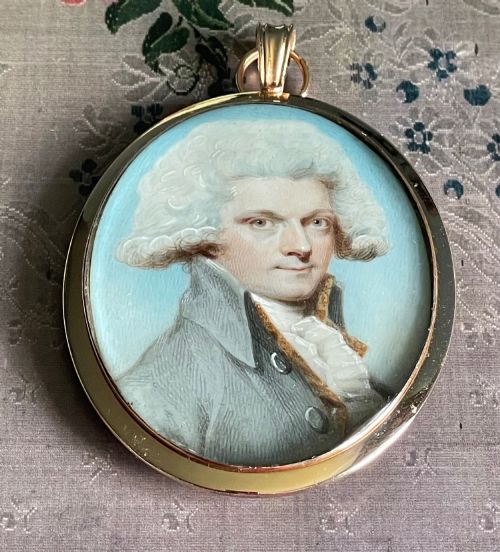
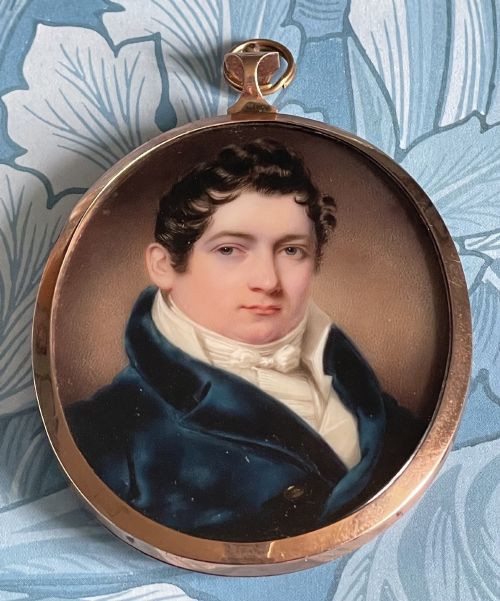
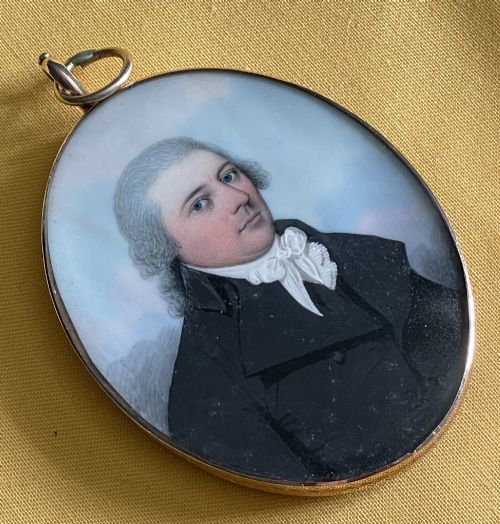
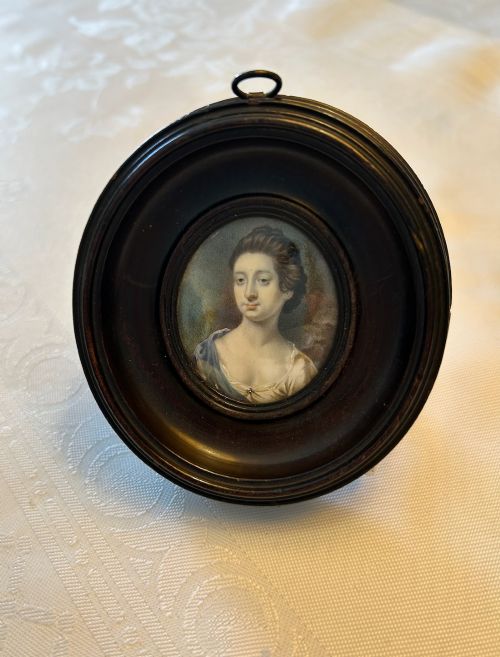
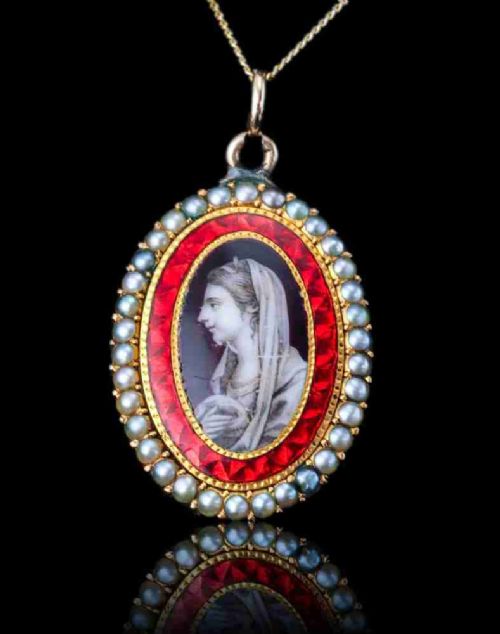
A georgian miniature pendant carries a small painted likeness close to the heart, framed in gold or gilt metal.
Georgian Miniature Pendant
When searching for a georgian miniature pendant, a buyer encounters intimate works of art created during the eighteenth and early nineteenth centuries. These pieces function as both jewellery and personal portraits, often designed to be worn on a necklace or carried as a locket.
Distinctions in Quality
Quality rests primarily on the skill of the brushwork and the anatomical precision of the portrait itself. Master artists capture subtle expressions and lifelike skin tones, whereas lesser works display rigid lines and flat colouring.
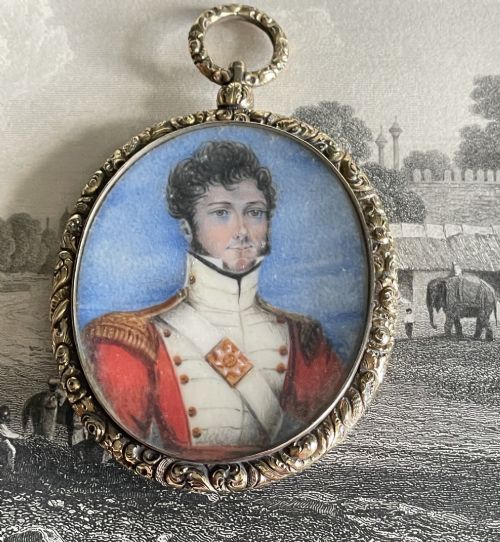
The housing contributes significantly to the overall merit of the piece. Substantial gold frames with neat bezels and secure suspension loops outlast simpler gilt metal mountings that show wear and loss of finish over time.
Several portraits capture stern naval officers who likely spent months staring at rough seas with the exact same expression.
Henry Bone ARA·Charles Shirreff·John Miers·John C D Engleheart·Frederick Buck·Charles Hayter·Christian Friedrich Zincke·William Naish·George Engleheart·James Ferguson·William Grimaldi·John Inigo Wright·Samuel Cotes·AE Chalon·John Barry
The Georgian Miniature Pendant Glossary
- Miniature portrait
- A small, highly detailed painting, usually depicting a specific person on a reduced scale. These works require magnifying lenses to execute properly.
- Enamel
- A glassy substance fused to a metal substrate through firing. This technique provides a permanent, luminous surface for portraiture.
- Vellum
- A fine parchment prepared from calfskin and used as a stable painting surface. It accepts delicate watercolours without absorbing them too quickly.
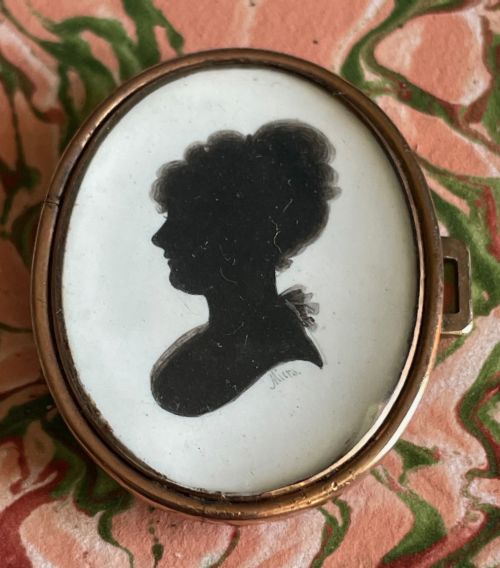
- Silhouette
- A solid black profile portrait cut from paper or painted on glass or card. These pieces offer a stark contrast to polychrome painted miniatures.
- Agate
- A crystalline quartz variety used as a backing panel for miniature paintings. Its natural banding adds depth and texture behind the subject.
Georgian Miniature Pendant: Frequently Asked Questions
What is a georgian miniature pendant?
A georgian miniature pendant is a small, hand-painted portrait encased in a precious metal frame designed to be worn around the neck. They served as tokens of affection, remembrance, or status during the eighteenth century.
These objects combine fine art with personal jewellery. The subjects range from anonymous gentlemen to named military officers and family members.
How were these pendants worn?
Owners typically suspended them from silk ribbons, chains, or threads around the neck. Some designs allowed the wearer to tuck the portrait inside clothing for privacy.
Others functioned as reversible lockets or brooch combinations. This versatility permitted the owner to display the painting or keep it concealed against the body.
What materials are used?
The portraits are painted using watercolour, enamel, or pigment on supports like ivory, glass, vellum, or agate. Each medium presents distinct preservation requirements.
Frames are commonly constructed from gold, silver, or gilt metal. Glass covers the delicate paint surface to prevent dusting or moisture damage.
How do I date a pendant?
Dating relies on costume styles, hair styling, and the framing technique employed. Georgian dress and wig fashions shift noticeably between the seventeen-fifties and the Regency era. Nail marks, frame construction, and maker signatures or inscriptions on the reverse provide further chronological anchors.
Are these pieces fragile?
They require careful handling due to the delicate nature of ivory, vellum, and watercolour pigments. Exposure to direct sunlight causes fading in organic paints.
The glass covers and metal mounts protect the fragile interiors from physical impacts. Proper storage in stable humidity conditions preserves the integrity of the paint layers.