

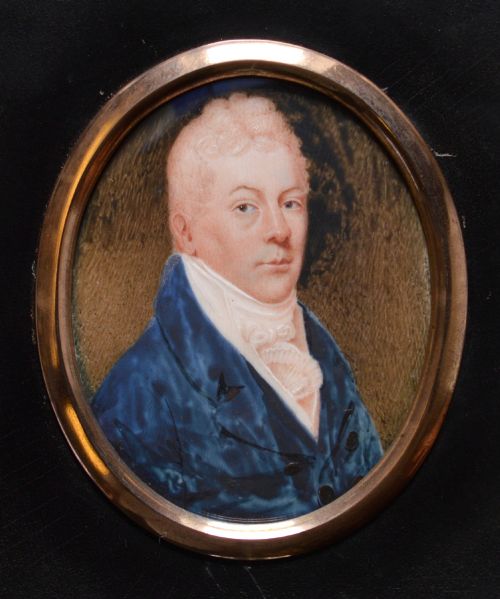
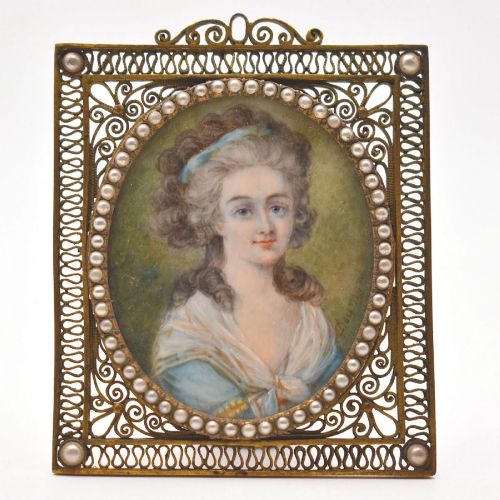


Georgian Ivory Miniature Painting
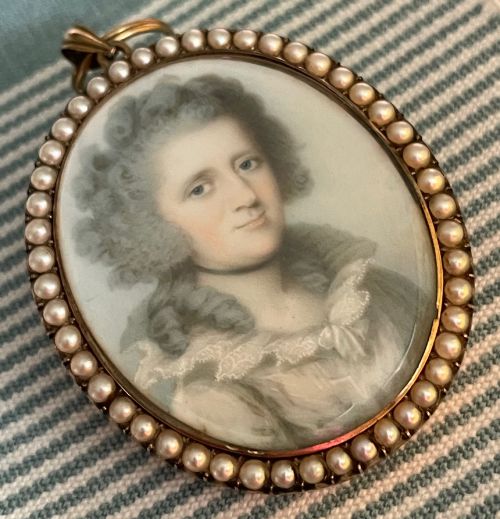
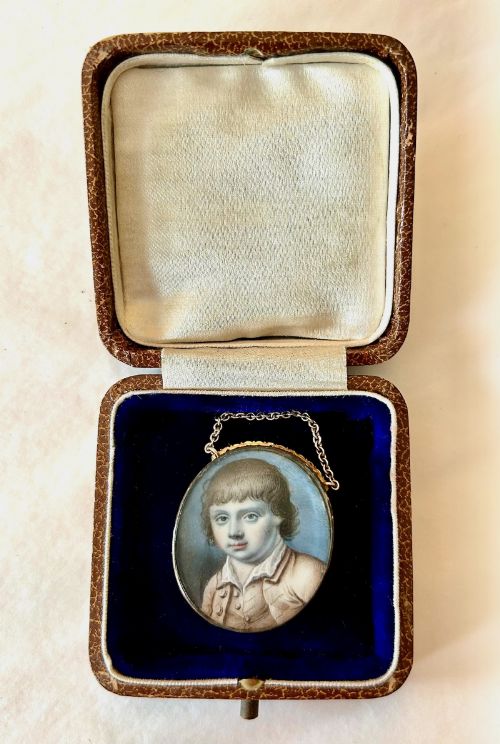
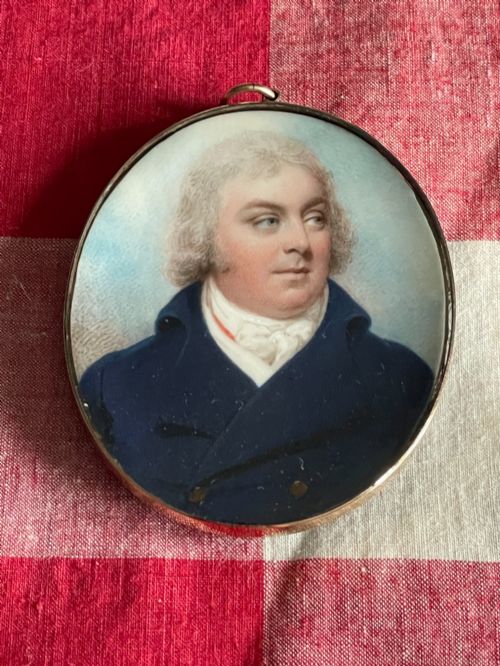
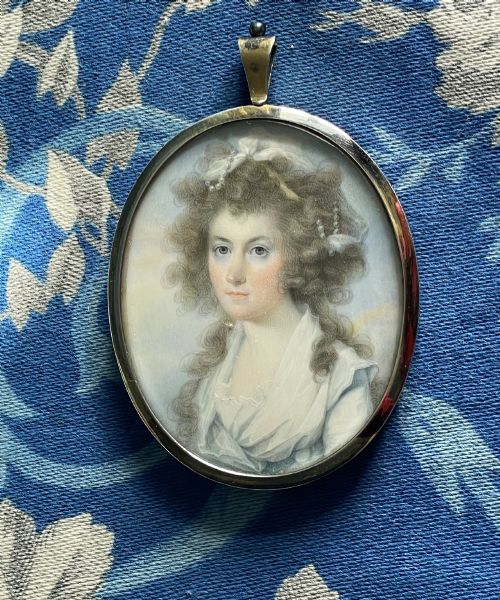
These georgian ivory miniature painting examples are intimate hand-painted likenesses framed in gold, gilt metal or ebonised wood.
Georgian Ivory Miniature Painting
A georgian ivory miniature painting captures the likeness of a gentleman, lady or officer in fine detail on a delicate slice of ivory. These portraits date primarily from the eighteenth century and the Regency era, reflecting the personal tastes of past sitters.
The objects appear as small framed works designed to be held in the hand or worn as tokens of affection. Most examples on this page portray single subjects, ranging from young girls in white dresses to military officers.
Makers recorded in these listings include established artists such as George Engleheart, Charles Hayter and Nicolas Freese. Their works preserve the distinct dress, hair styling and expressions characteristic of Georgian society.
Materials and construction
Artists painted these works using watercolour pigments applied directly onto thin sheets of ivory. The natural translucency of the ivory surface imparts a luminous skin tone to the painted subjects.
Makers housed the finished paintings within protective enclosures featuring glass fronts. Frames incorporate materials such as gold, gilt metal, brass and ebonised wood, occasionally embellished with seed pearls.
Georgian Ivory Miniature Painting Retail Price Guide 2026
Typical asking prices for georgian ivory miniature painting among the pieces listed under this phrase on Sellingantiques today, from the lower quarter to the upper quarter. They describe what is for sale here now, not the wider market.
Several sitters peer out wearing coral beads, wide blue sashes and intricate ringlets.
Distinguishing quality
The composition of the surrounding frame also influences the character of the piece, from simple ebonised wood cases to elaborate gilt metal mountings set with pearls.
Charles Hayter·Nicolas Freese·Frederick Buck·George Engleheart·Archibald Skirving·William Grimaldi·Henry Jacob Burch·Edward Pugh·Samuel Cotes·Jeremiah Steele
The Georgian Ivory Miniature Painting Glossary
- Ivory
- A smooth, dense organic material sliced thin to serve as the painting surface for portrait miniatures. Its translucent quality allows light to reflect through the watercolour layers.
- Ebonised wood
- Timber treated to imitate ebony, commonly used to create dark, contrasting frames for miniature portraits during the Georgian period.
- Gilt metal
- Base metal treated with a gold-coloured surface finish, frequently utilised for the bezels and frames enclosing these small paintings.
- Seed pearl
- A very small natural pearl, sometimes sewn or set into decorative frames surrounding eighteenth-century portrait miniatures.
Georgian Ivory Miniature Painting: Frequently Asked Questions
How were miniature paintings worn?
Owners frequently carried these small portraits in pockets or wore them attached to chains and ribbons close to the heart. They served as private tokens of remembrance between family members or romantic partners.
Some frames included glass compartments on the reverse side designed to hold woven locks of hair from the sitter.
Who painted these portraits?
Specialist artists trained in portraiture produced these works, often working from life during short sittings. Many miniaturists exhibited at the Royal Academy and secured patronage among the wealthy elite.
Signed pieces provide a direct link to recorded practitioners of the craft, while other surviving works remain anonymous.
Why use ivory instead of paper?
Watercolour on ivory creates a luminous depth that paper cannot replicate. Painters exploited the pale, glowing surface to render realistic flesh tones and delicate fabrics.
Thin sheets of ivory required a steady hand and specific pigments to adhere properly without flaking.
How should I display miniatures?
These delicate works require protection from direct sunlight to prevent the watercolour pigments from fading over time. Stable indoor humidity levels help preserve both the ivory substrate and the historic frame.
Wall mounting in shaded areas or placement in secure display cabinets ensures safe enjoyment.