

Georgian Mantelpiece
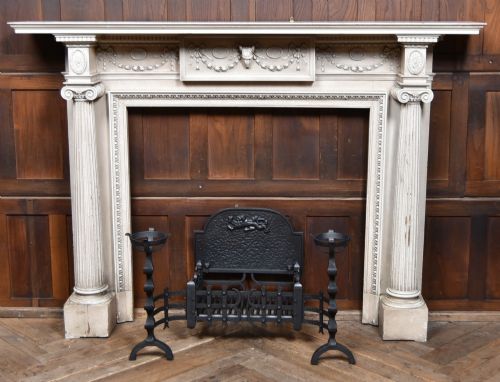
A georgian mantelpiece anchors a room with timber or stone moulded around the hearth.
Georgian Mantelpiece
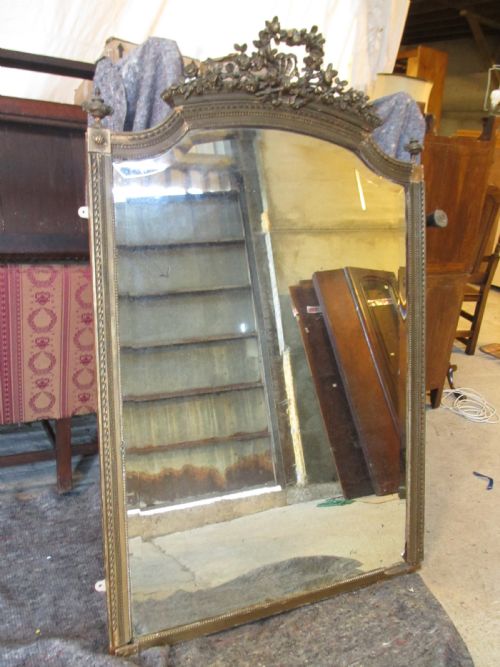
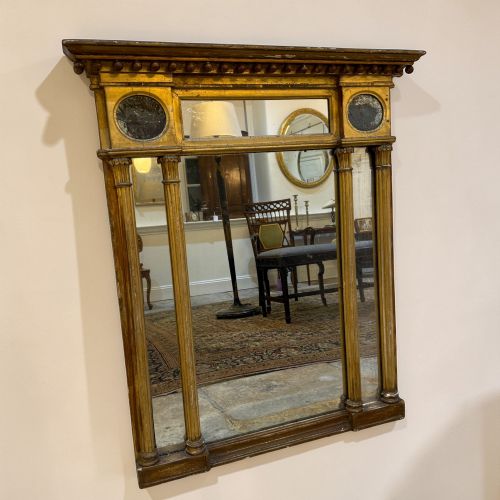
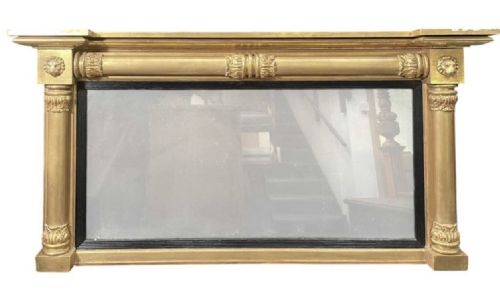
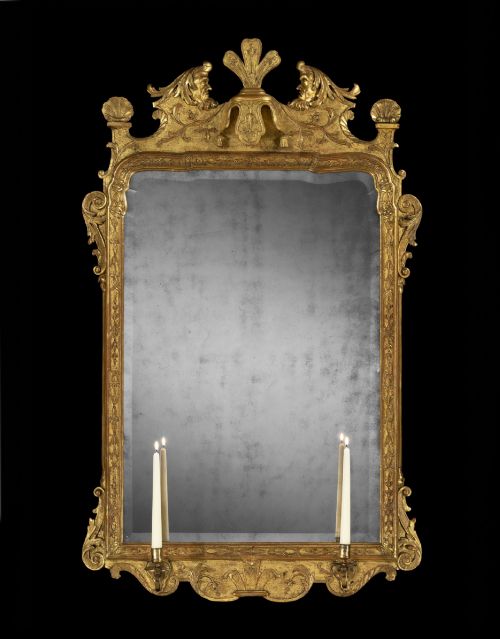
When you search for a georgian mantelpiece, you encounter architectural fireplace surrounds and large overmantel mirrors designed to sit above the hearth, spanning the eighteenth and nineteenth centuries.
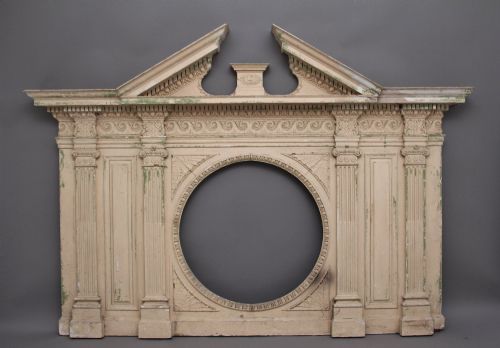
The selections here range from carved pine fire surrounds to giltwood and painted overmantels, originating from periods such as the Georgian and Regency eras.
Wooden surrounds in pine, alongside substantial gilt mirrors, represent the most frequent forms encountered on this page.
How They Were Made
Carpenters and joiners constructed the structural surrounds and mirror frames from pine and mahogany, often applying layers of gesso to build up intricate surface decoration.
Craftsmen then finished these wooden and gesso surfaces with paint, gilding, or polished wax to achieve the rich decorative schemes characteristic of the period.
Georgian Mantelpiece Retail Price Guide 2026
Typical asking prices for georgian mantelpiece among the pieces listed under this phrase on Sellingantiques today, from the lower quarter to the upper quarter. They describe what is for sale here now, not the wider market.
Listings feature pine, mahogany, and giltwood forms spanning the eighteenth and nineteenth centuries.
What Varies in Quality
The crispness of the carved gesso ornament and the depth of the original gilding dictate the visual success of a piece.
Proportion and the integrity of the timber framing distinguish superior architectural joinery from simpler utilitarian examples.
Baetens London·Thomas Hope·L. Vick of Stroud·Viner London·Grey of Edinburgh·Perigal of London·Arnold and Frodsham·Miles Mason·Flight Barr and Barr
The Georgian Mantelpiece Glossary
- Gesso
- A plaster mixture applied to wood surfaces as a base for carving and gilding. This material allows for sharp, detailed relief ornamentation on mirror frames and surrounds.
- Overmantel
- A large mirror or decorative panel designed to be hung directly above a fireplace mantel. These pieces frequently feature compartmentalised glass plates and gilded frames.
- Regency
- A British stylistic period spanning the early nineteenth century. Furniture and architectural elements from this time often incorporate classical motifs and clean lines.
- Pine
- A softwood commonly utilised for interior architectural joinery and fire surrounds. It accepts paint finishes and carved gesso decoration readily.
Georgian Mantelpiece: Frequently Asked Questions
How do I clean a painted pine surround?
Dust the surface regularly with a soft, dry cloth to prevent dirt accumulation.
Avoid using harsh chemical cleaners that might strip the historic paint layers.
Where were overmantel mirrors placed?
These mirrors were mounted centrally on the wall directly above the fireplace opening.
They served to reflect light from candles and windows into the living space.
What timber was used for fire surrounds?
Carpenters frequently utilised pine for surrounds that received paint or gesso decoration.
Mahogany appeared in denser, unpainted architectural elements.
How can I tell a Regency mirror from a Victorian one?
Regency pieces often display restrained classical motifs like rope twist borders and giltwood spherules.
Victorian interpretations tend toward heavier, more ornate carving and elaborate top crests.