


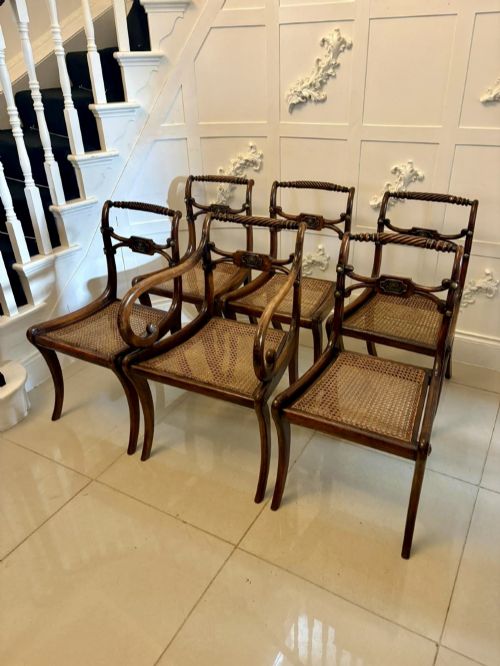
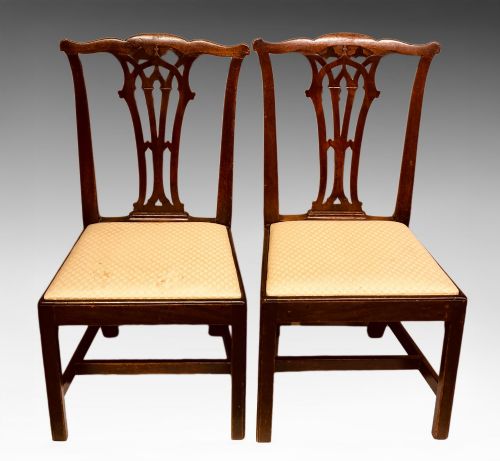
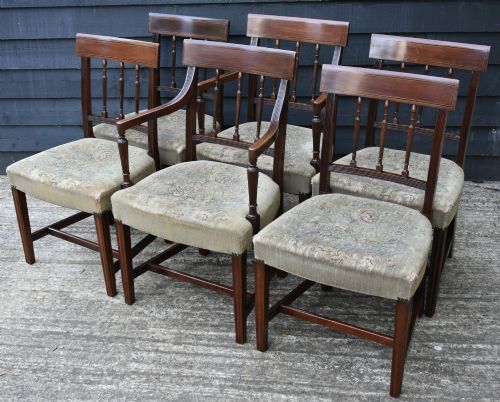
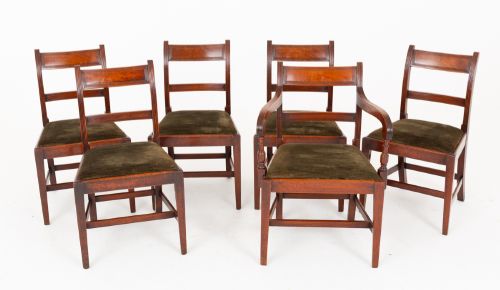
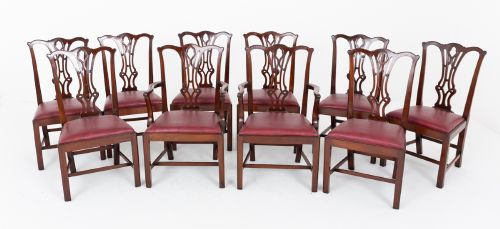
Georgian Mahogany Side Chair
A georgian mahogany side chair brings solid timber and centuries of dining history straight to the room.
What these chairs are
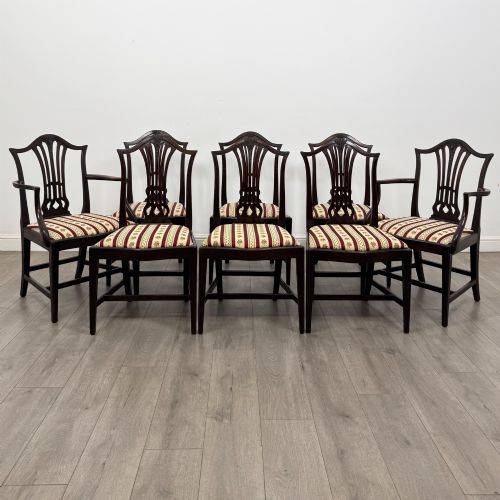
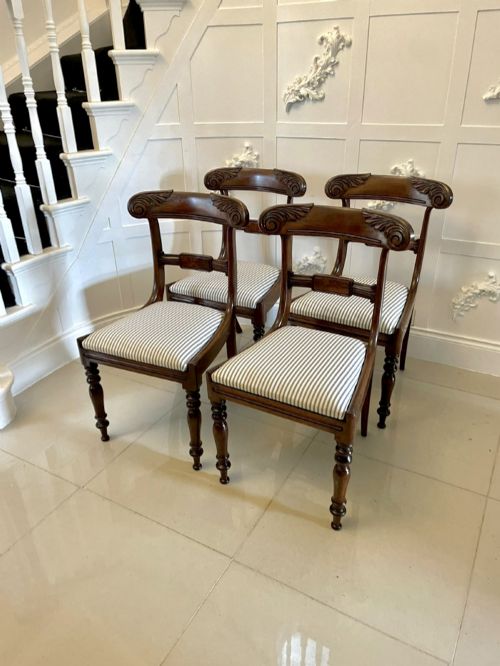
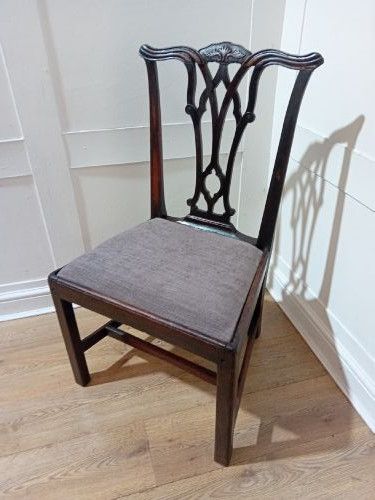
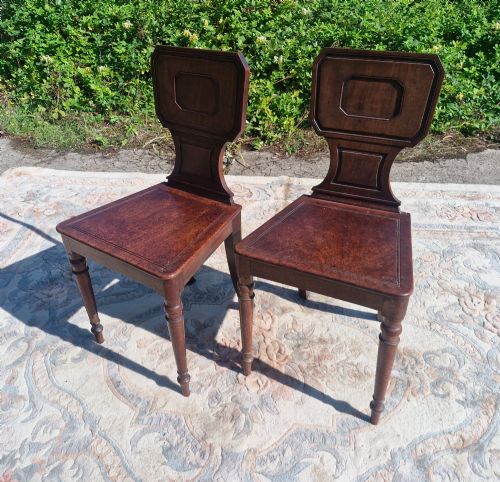
A georgian mahogany side chair is a staple form of seating originating across the eighteenth century and into the nineteenth century. These pieces function primarily as dining, hall, or desk chairs without arms.
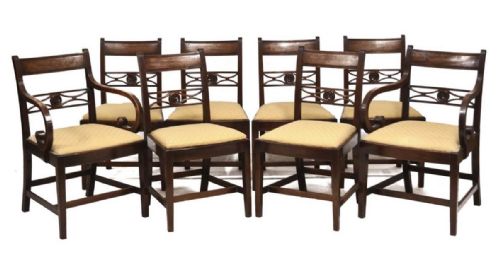
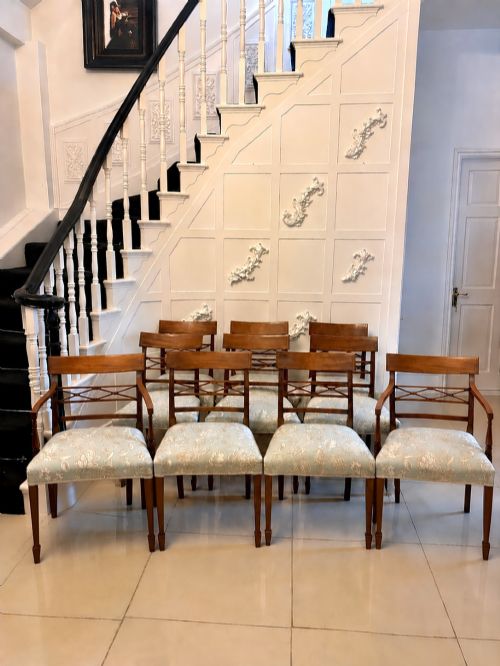
The selections span distinct stylistic phases including George I, George II, George III, and late Georgian periods. Chairs frequently appear singly or in matched pairs, alongside occasional larger dining sets.
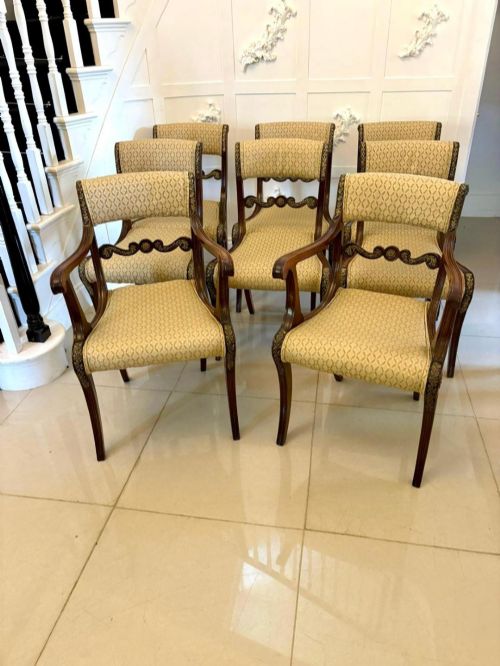
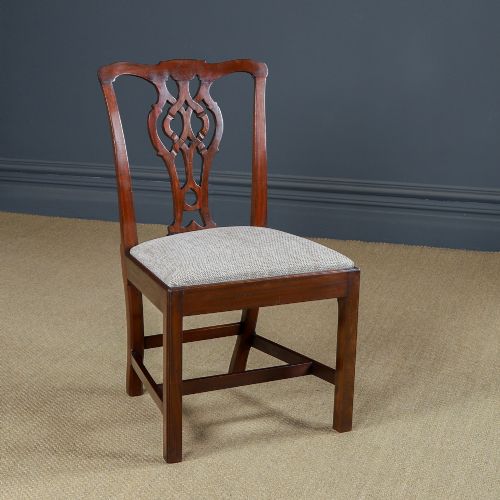
Makers designed these timber seats with diverse back configurations such as pierced splats, ladder backs, bar backs, and Gothic details. Upholstered options feature drop-in seats covered in fabric, silk, damask, or horsehair.
How they were made
Cabinetmakers worked primarily with solid mahogany, shaping structural frames and carving decorative elements into the dense timber. Joinery methods relied on traditional pegging and mortise and tenon construction to secure legs and rails.
Designers incorporated specialised upholstery textiles including silk, damask, and horsehair fabrics fastened over drop-in frames or padded seat bases. Carved ornamentation ranges from cabriole legs to detailed splat backs.
Retail Price Guide 2026
Typical UK retail prices for georgian mahogany side chair, calculated from the Sellingantiques database of over a million retail prices indexed since 2003. This retail price guide relies exclusively on Sellingantiques data; no external sources or auction records are used, so the figures do not describe the wider market.
Some past examples arrived with genuine horse racing provenance tucked neatly into their history.
What varies in quality
The refinement of the timber carving sets individual examples apart, particularly where craftsmen shaped cabriole legs or pierced splat backs with deep relief. Crisply executed details indicate superior workshop output compared to simpler, softer profiles.
Originality of components and structural integrity dictate the standing of surviving pieces. Retaining period upholstery materials or early surface patination enhances the historical character of the timber.
George Hepplewhite
The Georgian Mahogany Side Chair Glossary
- Mahogany
- A durable tropical hardwood imported for eighteenth century furniture. This dense timber accepted fine carving and developed a deep patina over time.
- Splat
- The vertical wooden strip down the centre of a chair back. Carved or pierced variations define distinct Georgian chair styles.
- Cabriole leg
- A furniture leg that curves outward at the knee and tapers inward toward the foot. This form appeared frequently on early eighteenth century seating.
- Drop-in seat
- A removable wooden frame padded and covered in fabric that drops into a recess in the chair rail. This construction allowed straightforward reupholstery.
Frequently Asked Questions
How do I identify a Georgian chair?
Look for characteristic timber selection, specifically dense mahogany, paired with period specific back designs like pierced splats or bar backs. Proportions typically reflect eighteenth or early nineteenth century seating standards.
Examine the construction joints and leg forms, such as cabriole legs on earlier examples or straight tapered legs on later designs, to place the piece within the broader Georgian timeline.
Can I use these chairs daily?
Solid mahogany construction provides sturdy structural integrity suited for regular placement around a dining or desk table. Care should be taken with antique frames and historical upholstery.
Periodic checks of the joinery and gentle cleaning of the timber surfaces ensure these chairs withstand functional use while preserving their age and character.
What is a drop-in seat?
A drop-in seat consists of a separate wooden frame that fits snugly into the rebated seat rails of the chair without permanent fixings. This design made reupholstery straightforward for past owners.
Upholstery materials on these loose frames historically included silk, damask, or horsehair stretched tightly over padding.
Are pairs more common than sets?
Surviving evidence shows these timber seats frequently appear as individual pieces or matched pairs rather than complete dining sets. Large sets from the eighteenth century remain scarce.
Pairs often served specific reception or bedroom functions where matching seating arrangements added symmetry to a room.