





Georgian Mahogany Organiser
These georgian mahogany organiser pieces are compact timber fittings built to keep papers, letters and small domestic objects in order.
Georgian Mahogany Organiser
When you search for a georgian mahogany organiser, you encounter a variety of desk furniture, stationery boxes, and miniature chests designed for efficient storage. These objects span periods from the eighteenth century through to the Edwardian era, reflecting changing domestic habits.
Originating largely from British workshops, these utilitarian items served the writing desk and the dining room alike. They range from formal Georgian desk accessories to nineteenth century banks of drawers and Edwardian stationary boxes.
How they were made
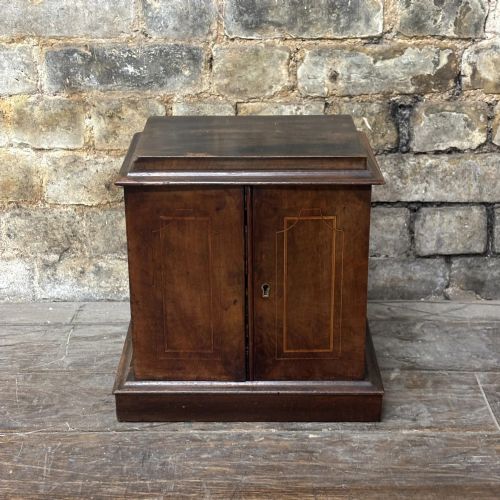
Makers relied primarily on mahogany for the main structure, often complemented by secondary timbers such as oak inside the drawers. Fine decorative details were introduced through boxwood and satinwood inlay.
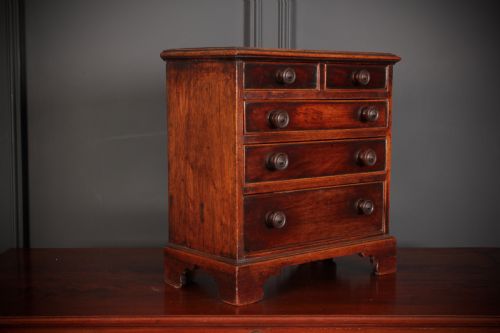
Metal hardware played an essential functional role, incorporating brass drop handles, hinges, and occasional wire components. Joinery techniques ensured these compact desks, letter holders, and miniature chests remained sturdy for daily desktop use.
Georgian Mahogany Organiser Retail Price Guide 2026
Typical asking prices for georgian mahogany organiser among the pieces listed under this phrase on Sellingantiques today, from the lower quarter to the upper quarter. They describe what is for sale here now, not the wider market.
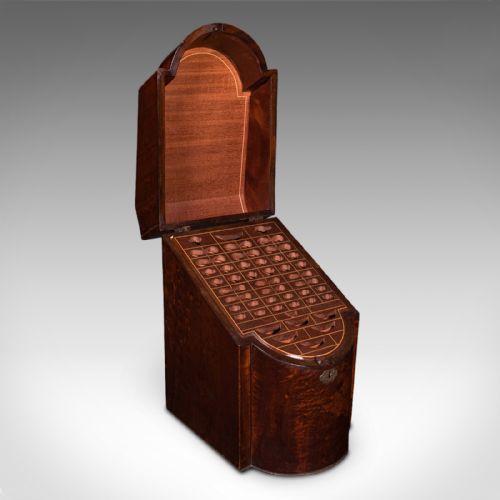
Among the stationary boxes and miniature drawers sits a dedicated boot and whip rack, proving that even riding gear once required fine mahogany housing.
What varies in quality
The distinction between standard utility items and superior examples lies in the crispness of the timber grain and the finesse of the joinery. Finer pieces display carefully chosen mahogany veneers and precise boxwood or satinwood inlay.
Hardware selection also dictates the grade of the piece, with substantial brass drop handles and well-fitted interior pigeon holes marking out superior workshops from basic commercial output.
The Georgian Mahogany Organiser Glossary
- Mahogany
- A durable tropical timber valued for its deep reddish-brown tone and stable grain. It forms the primary structure for the majority of these pieces.
- Stationery box
- A desktop container specifically proportioned to hold writing paper, envelopes, and letters upright. These often feature compartmentalised interiors.
- Apprentice piece
- A miniature furniture item created by a trainee to demonstrate mastery of joinery skills. These frequently mirror full-scale chests of drawers.
- Pigeon hole
- An open compartment within a desk organiser or cabinet used for sorting documents. They allow for quick filing of correspondence.
Georgian Mahogany Organiser: Frequently Asked Questions
What did people store in a georgian mahogany organiser?
These pieces held letters, writing paper, envelopes, and important household documents close at hand on a desk. Some variations served alternative domestic purposes, such as holding cutlery or keeping boots and whips organised.
Their compartmentalised interiors were specifically laid out to keep loose papers separated and accessible during periods when written correspondence was a daily necessity.
How do I date a georgian mahogany organiser?
Dating relies on observing the combination of timber, hardware, and construction style present in the piece. Eighteenth century examples tend to feature heavy solid mahogany and simpler structural forms, while nineteenth century versions often introduce more complex banks of drawers.
Later Edwardian iterations sometimes incorporate lighter decorative inlays like satinwood and refined brass drop handles that reflect changing aesthetic preferences of the period.
Where should I place a georgian mahogany organiser at home?
These compact pieces fit naturally on top of modern desks, sideboards, or bookcases where their storage compartments remain useful. Letter holders and stationery boxes perform well in a study or hallway for managing daily mail.
Miniature chests of drawers and desk troughs also sit comfortably on console tables as decorative containers for small personal items.
Are all these organisers from the Georgian period?
While the search term references the Georgian era, the actual items span multiple periods including the nineteenth century, Regency era, and Edwardian times. Makers continued to produce these traditional forms long after the Georgian reign concluded.
Each era brought subtle shifts in proportion and decorative inlay, distinguishing a George III book trough from a later Edwardian stationery cabinet.