
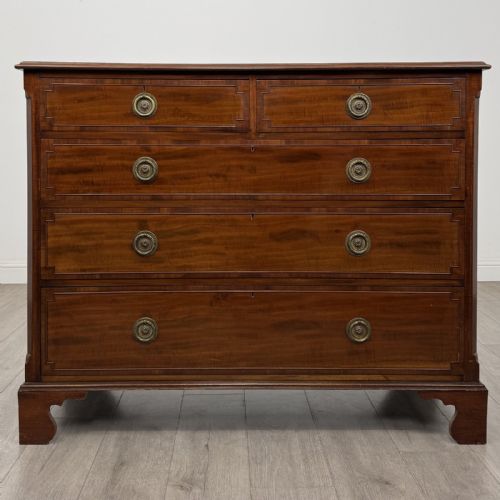
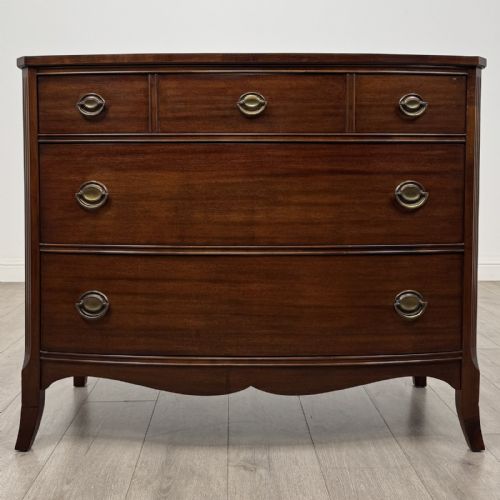
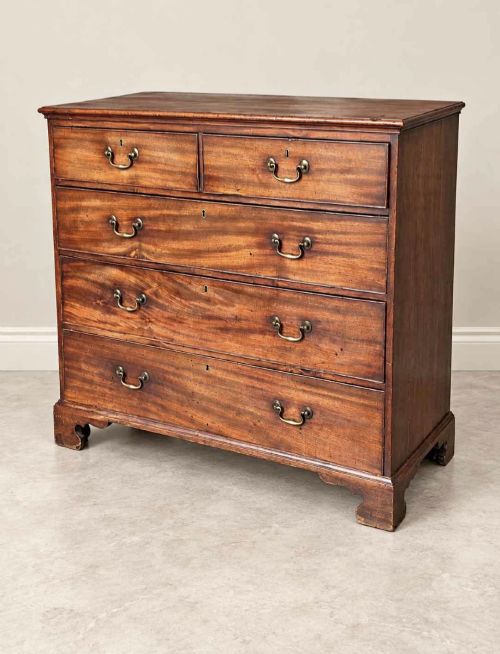
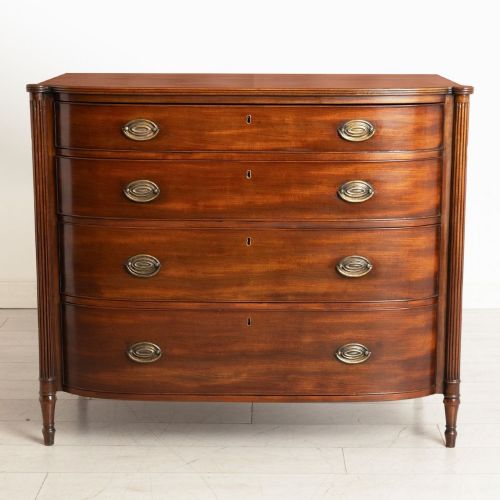
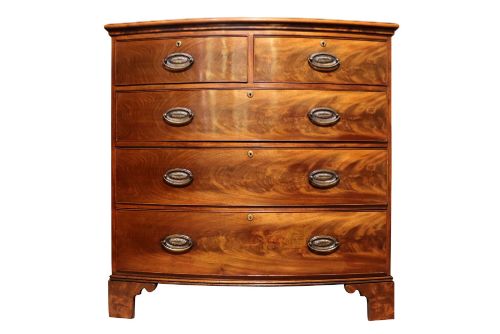
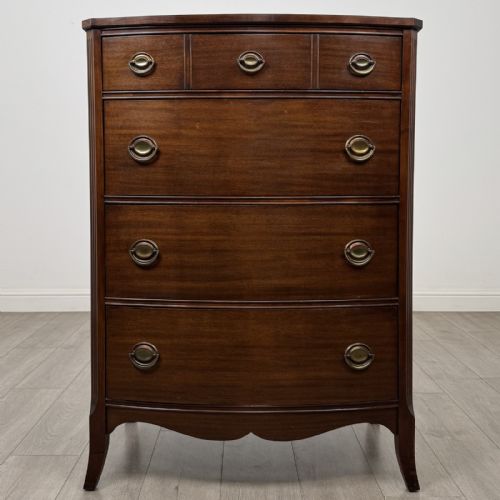
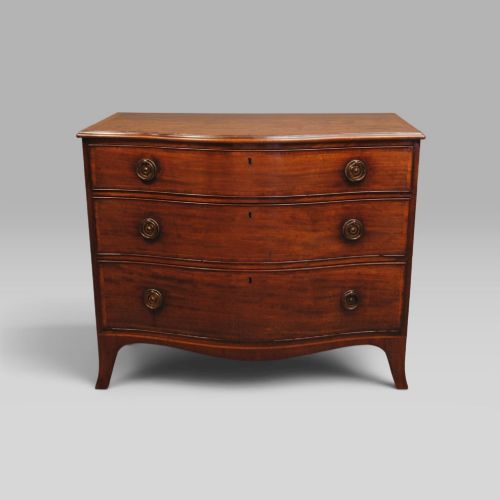
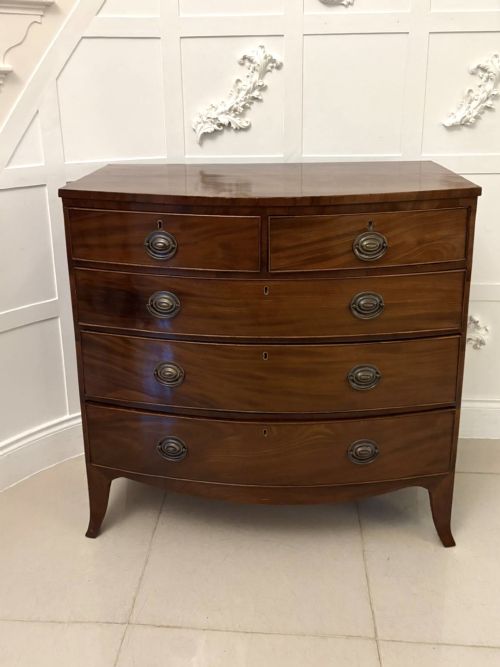
Georgian Mahogany Dresser Chest
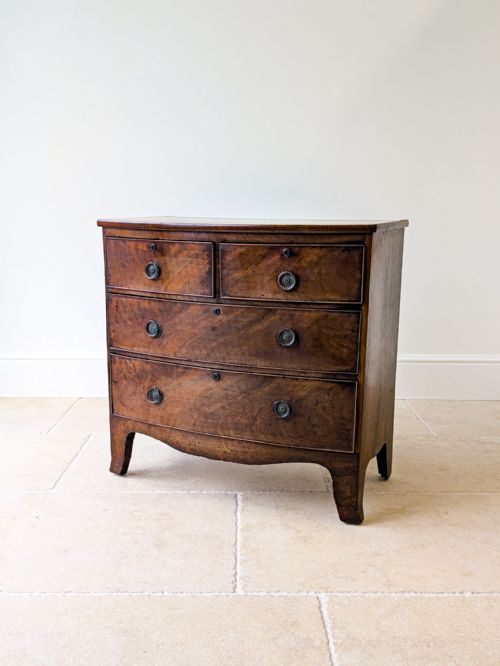
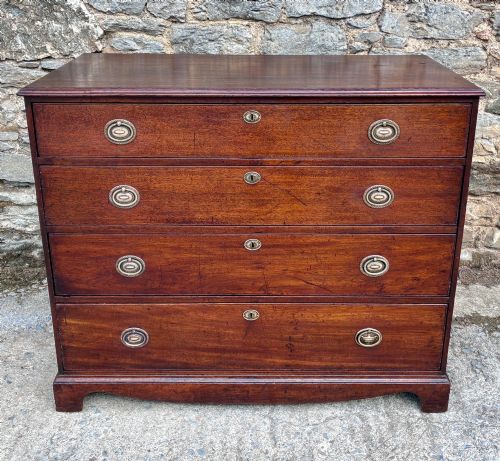
A georgian mahogany dresser chest offers solid timber storage built to last, combining generous proportions with refined period details for any traditional interior.
Georgian Mahogany Dresser Chest
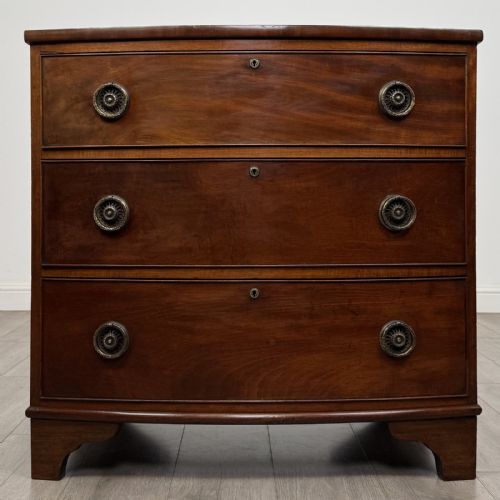
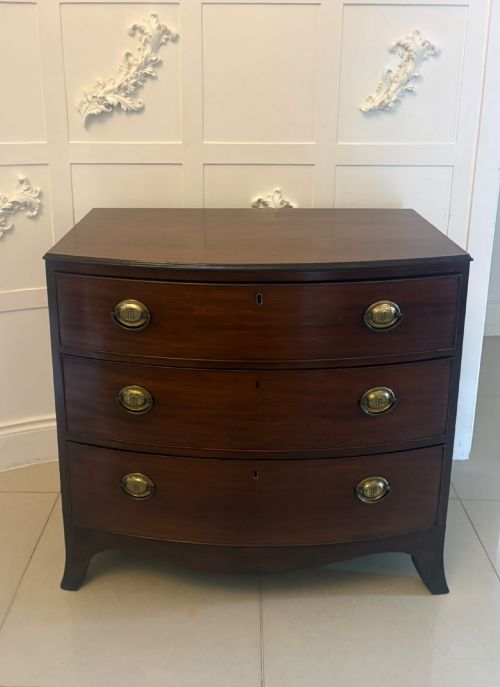
A georgian mahogany dresser chest brings together sturdy case construction and practical drawer storage, appearing across this selection in various regional and period interpretations. Buyers searching for a georgian mahogany dresser chest typically encounter pieces formed from solid timbers, often featuring distinct curved bow fronts or undulating serpentine shapes.
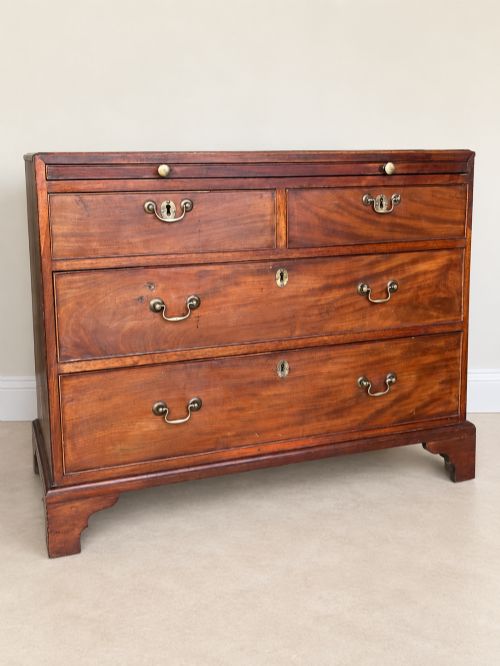
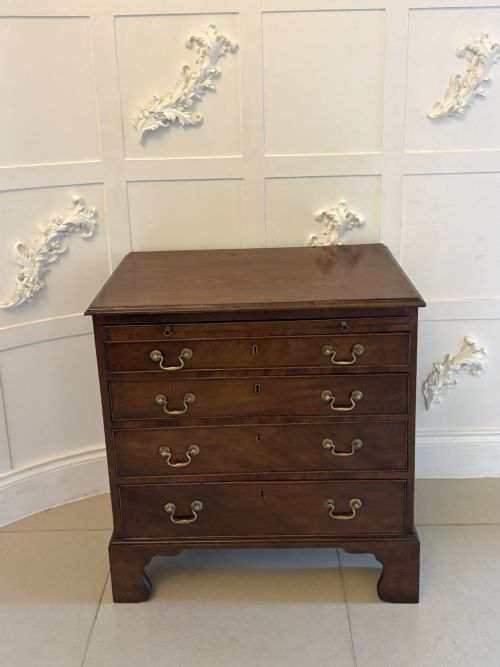
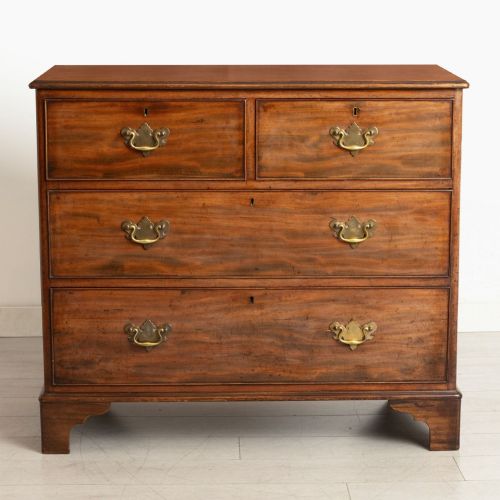
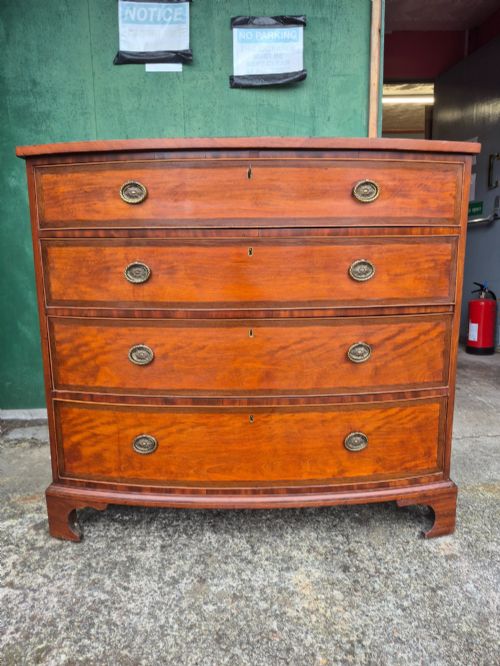
The objects seen here span periods from the eighteenth century through to later revival styles, maintaining traditional multi-drawer layouts. Most examples provide varying arrangements of short and long drawers, occasionally incorporating pull-out brushing slides or decorative crossbanding in satinwood.
Origins range from formal English workshops to Scottish and continental makers, reflecting diverse cabinet-making traditions. The forms primarily serve as bedroom or hallway storage, valued for their deep drawers and rich timber patination.
What Varies in Quality
Superior examples display careful timber selection, where flame mahogany veneers match symmetrically across multiple drawer fronts rather than appearing mismatched. The precision of the hand-cut dovetails and the integrity of the secondary oak framing determine the longevity and structural soundness of the chest.
Refined details distinguish better pieces, such as finely executed satinwood crossbanding, intact original brass handles, and smooth drawer action within their dividing rails. Lower tiers of quality often reveal replacement hardware, unsympathetic timber repairs, or plain wood lacking the rich figuring seen on masterworks.
Some chests hide narrow brushing slides that served as temporary folding tables for Georgian valets.
Whytock and Reid·J Moorcroft
The Georgian Mahogany Dresser Chest Glossary
- Bow Front
- A convex curved cabinet front that projects outward in a smooth arc. This shape became particularly popular during the Regency and late Georgian periods.
- Serpentine
- A front contour characterised by a convex centre flanked by concave curves, creating an undulating outline. It requires high skill in cabinet-making.
- Brushing Slide
- A pull-out shelf integrated above the top drawers, traditionally used for folding clothes or brushing garments. It sits flush within the carcase moulding.
- Crossbanding
- A decorative border of veneer laid perpendicular to the grain of the surrounding surface. It often utilises contrasting timbers like satinwood.
- Flame Mahogany
- A cut of mahogany timber displaying a distinctive feather-like flame pattern caused by intersecting wood grains. Makers reserved this veneer for principal display surfaces.
Georgian Mahogany Dresser Chest: Frequently Asked Questions
What is a brushing slide used for?
A brushing slide functions as a pull-out shelf positioned just beneath the top surface of the chest. Historically, individuals utilised this surface to fold garments or dust clothing.
Today, the slide adds functional tabletop space without permanently altering the footprint of the furniture piece.
Are these chests suitable for modern bedrooms?
These chests offer deep, practical drawer storage that suits contemporary bedroom layouts and clothing requirements. The dense timber construction handles daily use reliably.
Placing them in a modern room adds warmth through rich mahogany grain and traditional craftsmanship.
What distinguishes serpentine fronts from straight chests?
Serpentine fronts feature an undulating outline with a convex centre and concave outer curves. This complex shape demands advanced carpentry skills.
Straight chests maintain a flat rectangular facade, offering a simpler aesthetic that highlights the natural grain of the wood.