
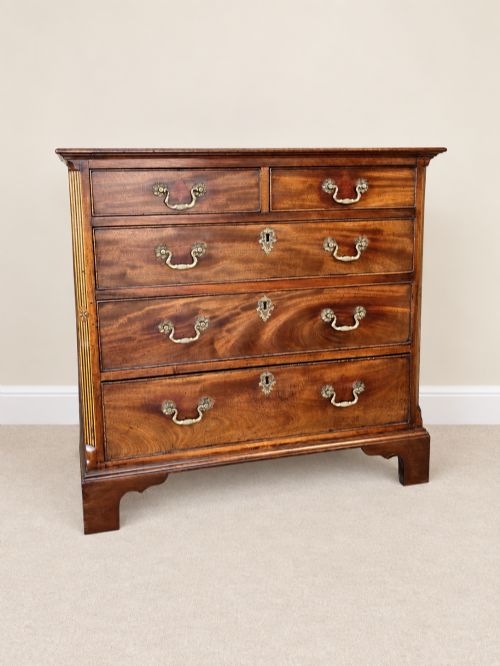
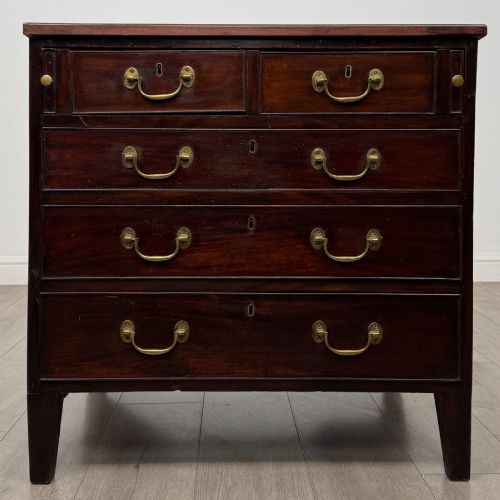
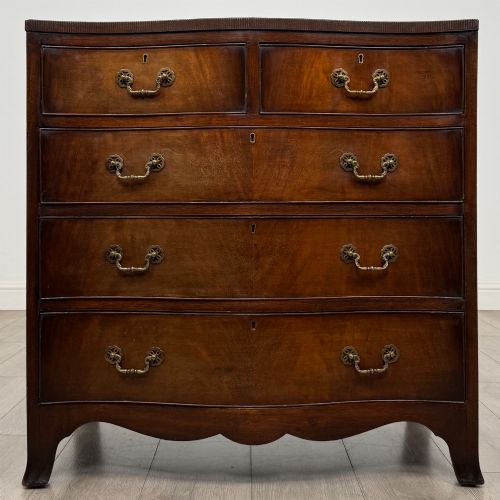
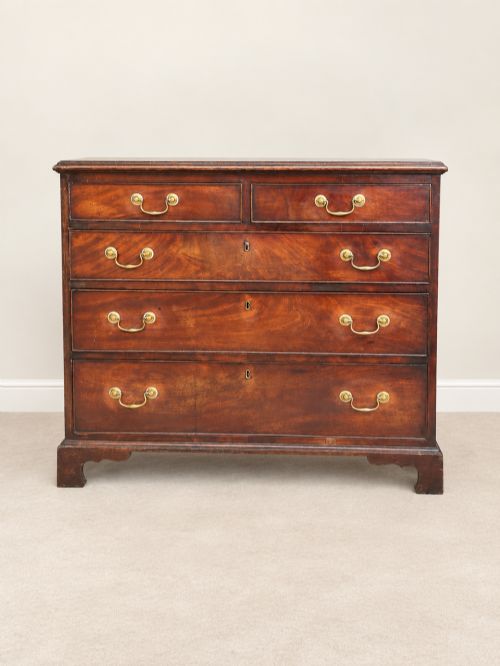

Georgian Mahogany Bureau Chest
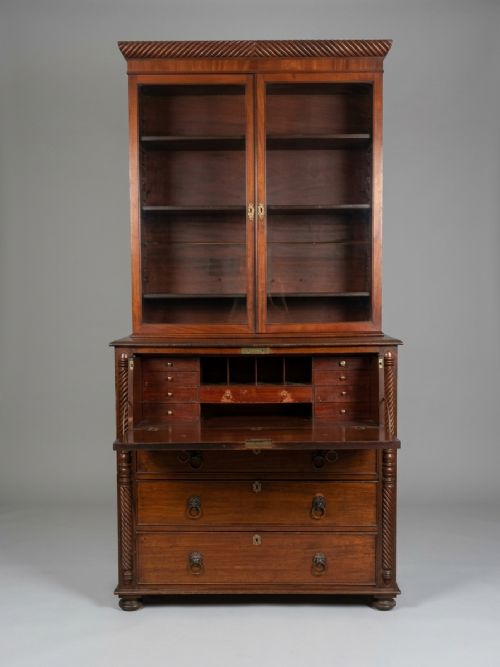
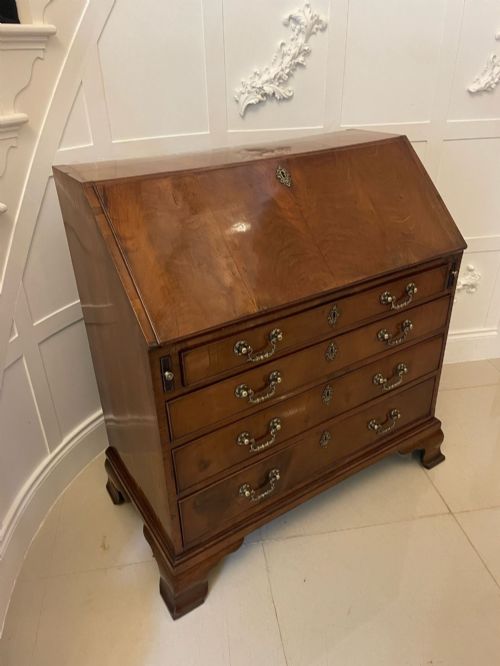
A georgian mahogany bureau chest brings together robust timber and a fitted writing compartment, offering a practical workspace disguised as a set of drawers.
Georgian Mahogany Bureau Chest
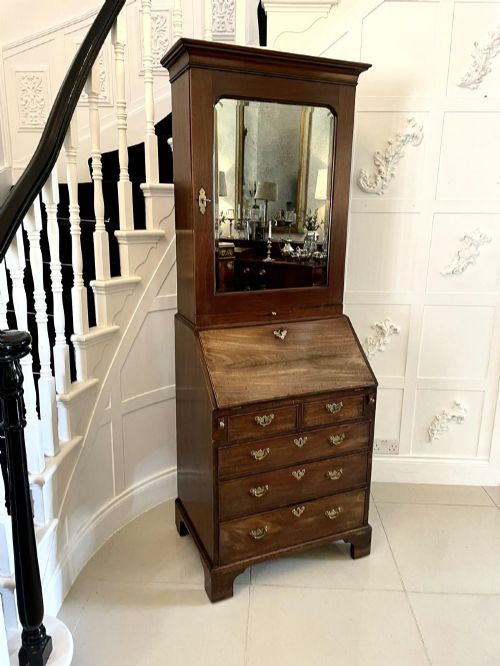
A georgian mahogany bureau chest typically combines a set of graduated drawers with a drop-front writing slope, concealing pigeonholes and small drawers within. Buyers encounter various interpretations spanning the eighteenth and nineteenth centuries, alongside later stylistic revivals.
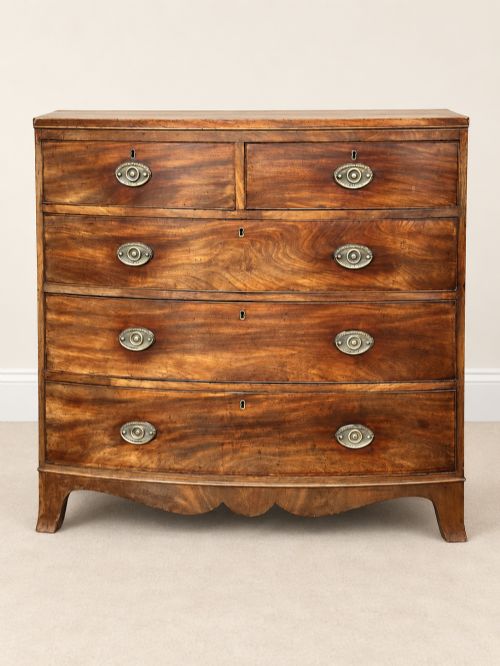
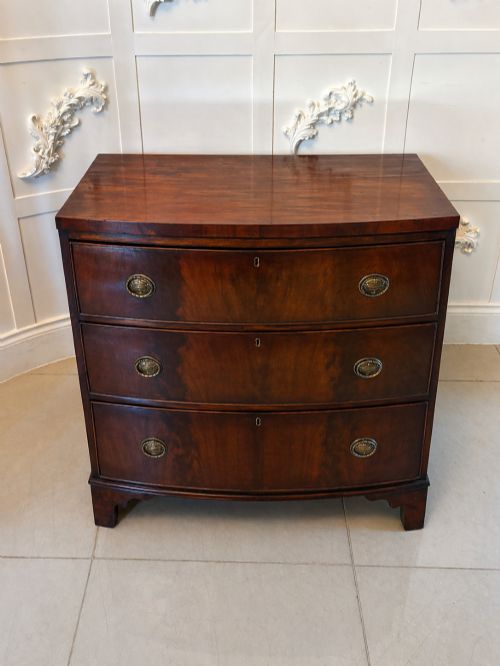
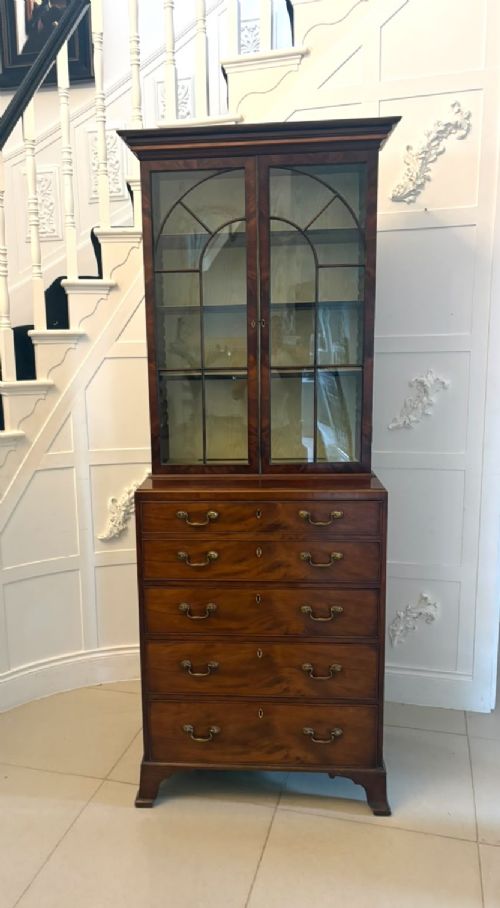
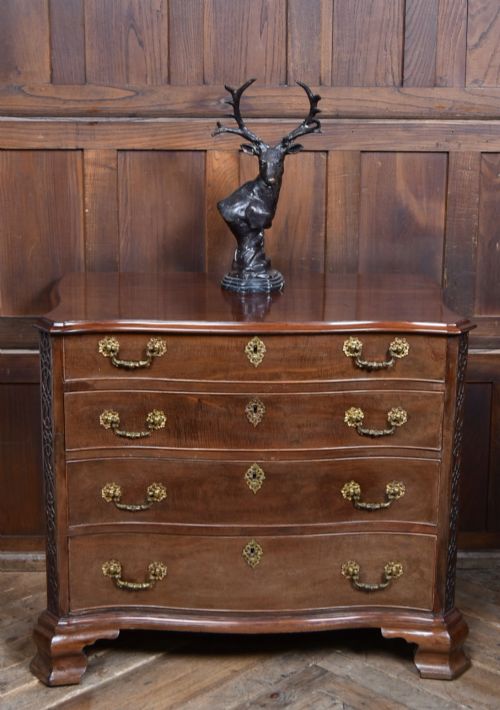
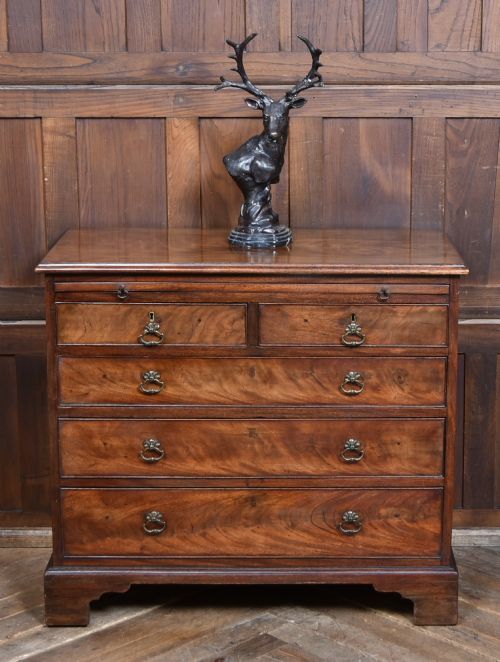
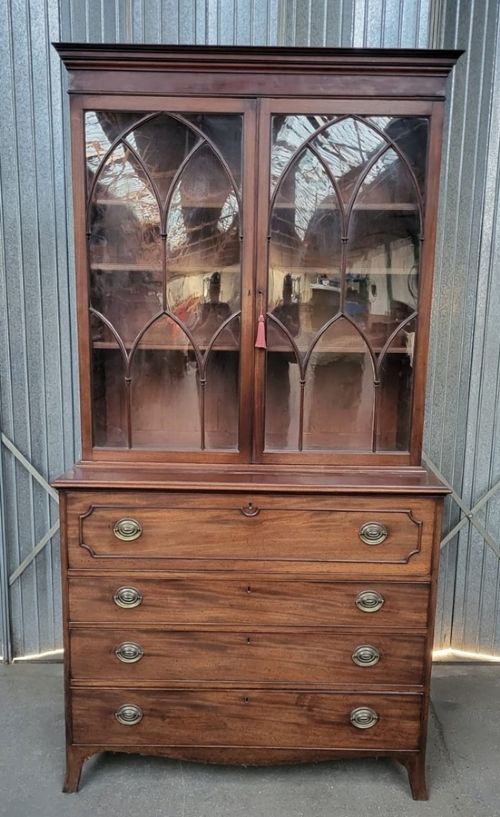
Surviving examples range from compact writing desks to grand secretaire bookcases topped with glazed doors. Variations include bow fronts, serpentine silhouettes and pieces fitted with additional brushing slides for daily correspondence.
Materials and construction
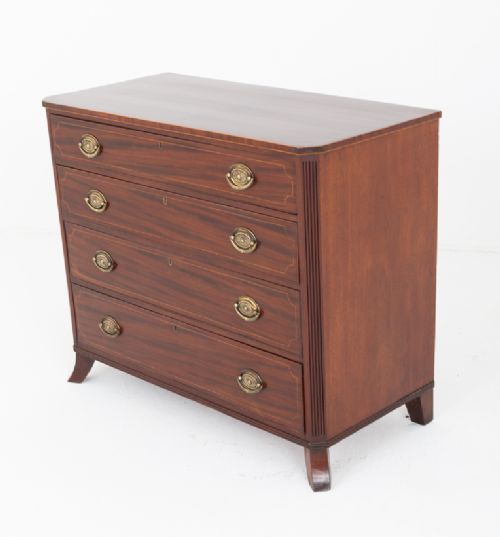
Cabinetmakers built these pieces using solid timber alongside flame mahogany veneer, often supported by secondary woods such as oak. Workshops utilised brass for handles and key escutcheons, complemented by delicate stringing in boxwood or bone.
Drawers frequently featured hand-cut joints and oak linings, while fitted interiors incorporated small pigeonholes, secret compartments and occasionally leather-lined writing surfaces.
Listings feature periods spanning the eighteenth and nineteenth centuries alongside later revivals, utilising mahogany, brass, oak and flame mahogany veneer.
Judging the work
Quality rests on the selection of timber figures, where symmetrical flame mahogany veneers and crisp brass hardware distinguish finer pieces from plainer iterations. The integration of the writing flap and the precision of the interior pigeonholes demonstrate the maker's hand.
Proportion and structural harmony separate workshops of distinction, evident in pieces retaining original handles, balanced serpentine drawer fronts and sound internal blocking.
Thomas Chippendale
The Georgian Mahogany Bureau Chest Glossary
- Bureau
- A desk featuring a sloping lid that opens to reveal fitted interior compartments. This form evolved to serve correspondence and record keeping in domestic settings.
- Secretaire bookcase
- A tall cabinet combining a writing drawer or fall-front desk with upper shelving enclosed by glazed doors. It united a library and a study within a single piece of furniture.
- Brushing slide
- A pull-out shelf positioned above the top drawers, designed for writing letters or brushing clothes. It offered a convenient surface without requiring the main desk to be opened.
- Serpentine front
- A convex-concave curving drawer front that ripples across the width of the chest. This shape demanded advanced woodworking skill to execute cleanly.
- Flame mahogany veneer
- Timber sliced from the fork of the tree where branches meet the trunk, producing a rippling flame pattern. Cabinetmakers applied this to drawer fronts for visual impact.
Georgian Mahogany Bureau Chest: Frequently Asked Questions
What is the difference between a bureau and a chest of drawers?
A bureau incorporates a hinged writing flap that drops down to reveal pigeonholes and small drawers, while a standard chest of drawers provides only storage.
Many pieces blend both forms by placing the writing compartment above standard drawers.
How were these bureau chests used originally?
They served as private writing desks where households managed correspondence, kept accounts and stored important papers.
The lower drawers provided everyday storage for clothing or household linens.
How do I identify a Georgian piece from a later revival?
Examination of internal timber, construction methods and secondary woods helps determine the period of origin.
Revival pieces often display machine-cut elements and differing secondary timbers compared to eighteenth-century examples.
Where should I place a bureau chest in a modern home?
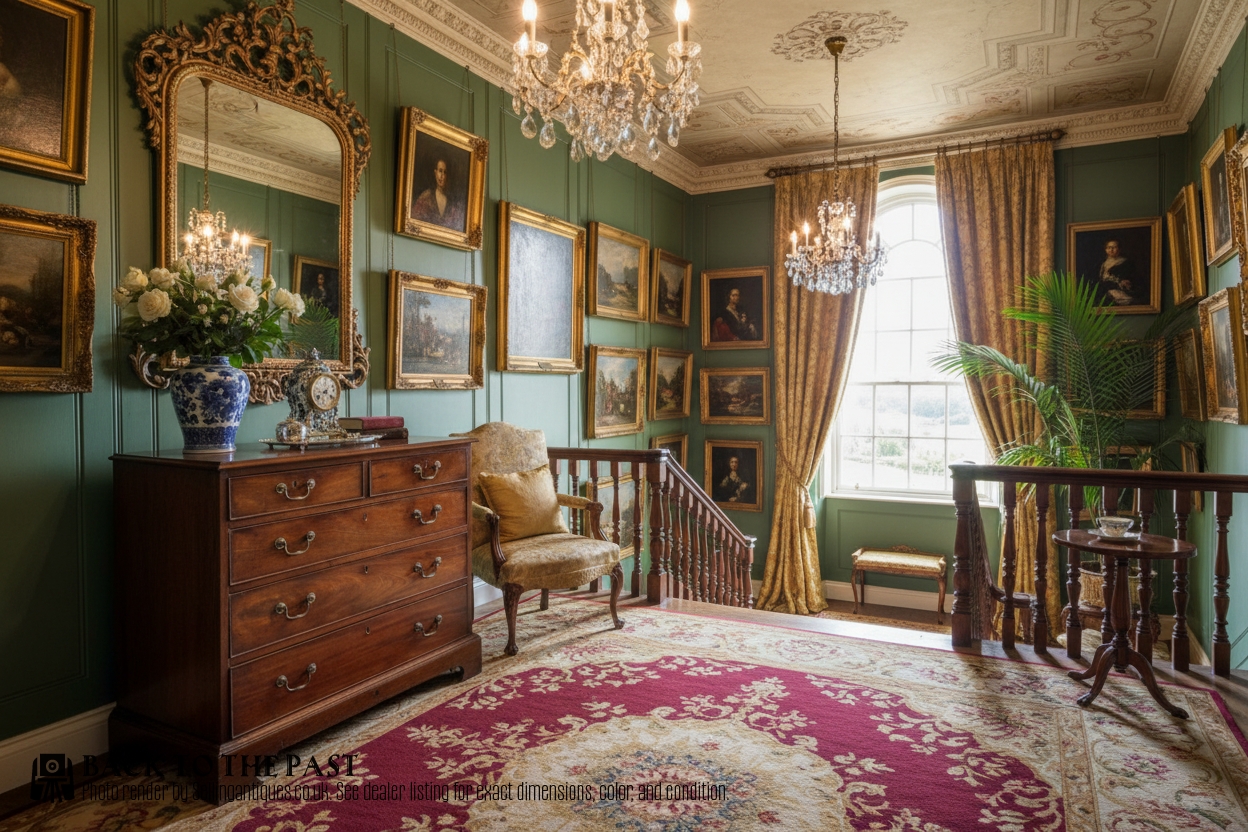
These pieces function well in studies, living rooms or hallways where surface space is useful.
The drop-front lid allows the furniture to serve as an occasional desk without dominating the room.