




Georgian Lead Glass Bottle
A georgian lead glass bottle brings genuine weight and bright refraction to the table, forged from heavy metal glass designed to hold fine spirits.
Georgian Lead Glass Bottle
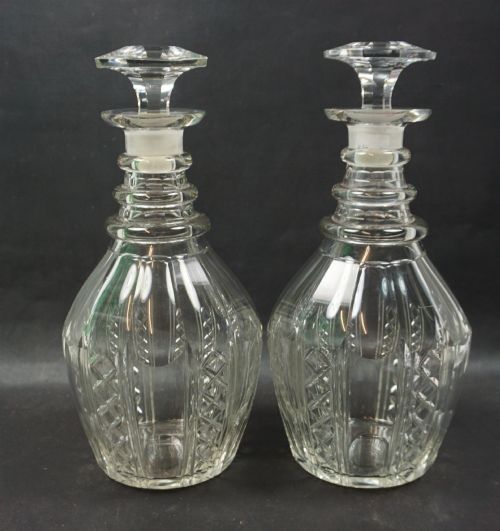
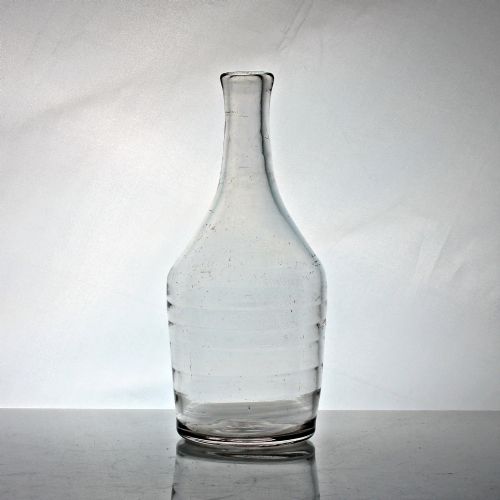
When you search for a georgian lead glass bottle, you are looking at heavy vessels fashioned for decanting and serving wine or spirits during the eighteenth and early nineteenth centuries. These pieces appear in forms such as shoulder carafes, sugarloaf beer decanters, and shaped serving bottles dating across the Georgian, Regency, and early Victorian periods.
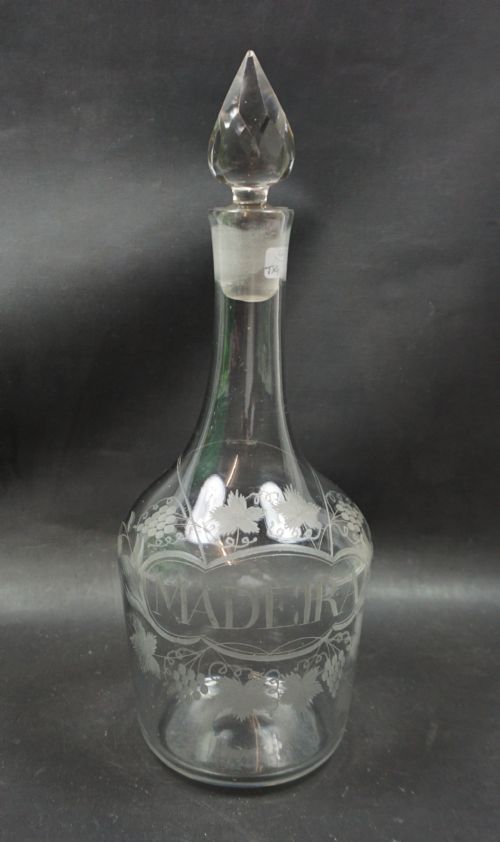
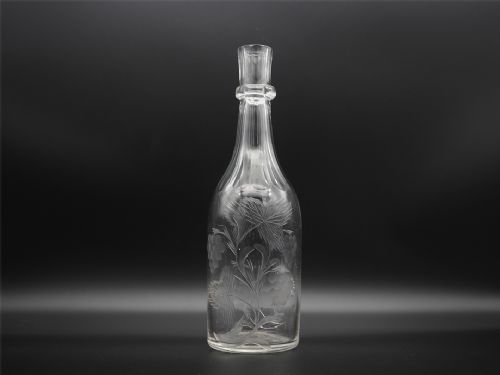
The versions you are most likely to meet on this page include clear lead crystal and cut glass decanters featuring characteristic neck rings or engraved labels. They span the eighteenth century up to the late Regency era around eighteen thirty, showing the evolution from simple utility to deeply cut decorative brilliance.
Materials and Craftsmanship
These vessels are fashioned from heavy lead glass, flint glass, and clear lead crystal, materials prized for their density and high refractive index. The substantial weight of the metal allowed glassmakers to blow thick blanks capable of supporting deep surface wheel-cutting without compromising structural integrity.
Makers shaped the hot metal into distinctive forms like the sugarloaf or shoulder decanter, applying applied or tool-formed neck rings for secure handling. Surface decoration was subsequently carved onto the cooled glass using abrasive wheels to create facets, flutes, and engraved labels.
Georgian Lead Glass Bottle Retail Price Guide 2026
Typical asking prices for georgian lead glass bottle among the pieces listed under this phrase on Sellingantiques today, from the lower quarter to the upper quarter. They describe what is for sale here now, not the wider market.
Listings span the eighteenth century to the nineteenth century, encompassing Georgian, Regency, and Victorian styles.
Markers of Distinction
The standard of a piece rests heavily on the crispness of the wheel-cut facets and the depth of the metal. Superior examples exhibit sharp, clean cutting that catches the light directly, whereas lesser items show softer, rounded edges from hasty finishing.
Proportion and metal clarity further divide the range, with better bottles possessing a clear, ringing tone and bright metal free from heavy clouding or excessive surface wear. The execution of functional details, such as evenly spaced neck rings and well-balanced shoulders, marks the work of more accomplished glasshouses.
The Georgian Lead Glass Bottle Glossary
- Lead glass
- Glass containing lead oxide, which increases density, refractive index, and workability for cutting. This formulation gives Georgian serving vessels their characteristic heavy feel and bright sparkle.
- Lynn rings
- Applied horizontal bands or ridges around the neck of a decanter, originally designed to provide a secure grip for pouring. They are frequently counted in groups of three or five.
- Sugarloaf decanter
- A heavy vessel shaped with a broad base tapering towards the top, resembling a traditional loaf of refined sugar. This form provides high stability on dining tables.
- Flint glass
- An early British term for high-quality clear glass made with calcined flints or pure silica sand. It forms the basis of the finest eighteenth-century tablewares.
- Cut glass
- Glass decorated by holding the vessel against rotating abrasive wheels to grind away material and create facets. This technique became increasingly intricate through the Regency period.
Georgian Lead Glass Bottle: Frequently Asked Questions
What are georgian lead glass bottles?
They are heavy glass vessels produced in Britain during the eighteenth and early nineteenth centuries for holding and serving wine or spirits at the table.
These pieces combine functional strength with decorative cutting and distinct forms such as carafes and sugarloaf decanters.
How were these bottles used?
They served to decant wine from casks or large storage containers into clear vessels suitable for presentation on the dining table.
The heavy lead glass construction protected the contents while the neck rings and stoppers allowed for easy pouring and sealing.
How do I identify a Regency period piece?
Regency examples often feature crisper, more extensive diamond or prism cutting and heavier neck rings compared to earlier eighteenth-century forms.
The silhouette shifted slightly during this era, moving toward straight sides and sharper geometric arrangements reflecting contemporary neoclassical tastes.
Can I use these bottles today?
Many collectors continue to use these sturdy vessels for serving wine and spirits, provided they are washed gently by hand to protect the historic glass.
Their substantial lead crystal construction makes them durable enough for modern use if handled with proper care against thermal shock.