



Georgian Lead Crystal Decanter
A georgian lead crystal decanter brings tactile weight and brilliant sparkle to a sideboard, offering a functional vessel from the eighteenth and nineteenth centuries.
Georgian Lead Crystal Decanter
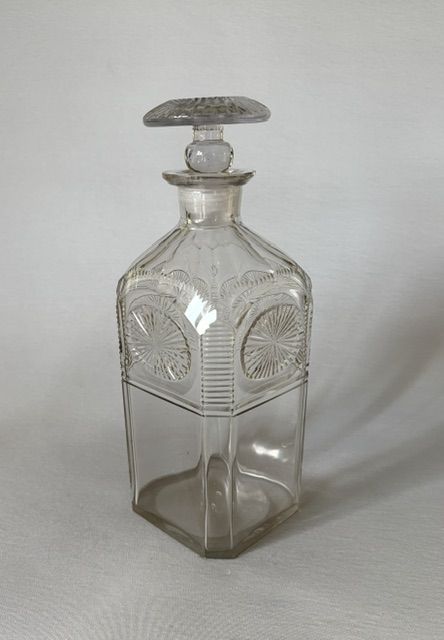
A georgian lead crystal decanter is a heavy, sparkling vessel designed for holding and serving wine or spirits on the dining table. When exploring this selection, buyers encounter pieces spanning the eighteenth century, the Regency era, and the wider Georgian period.
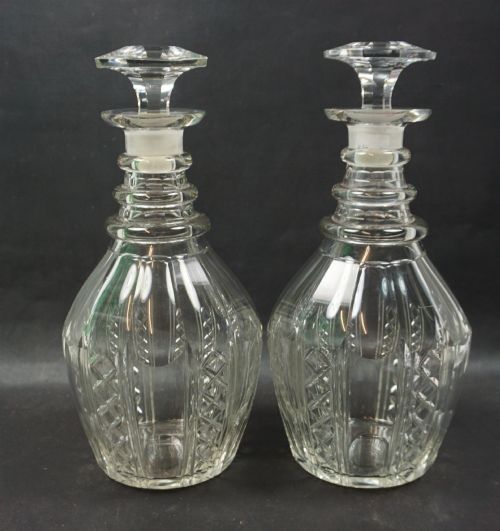
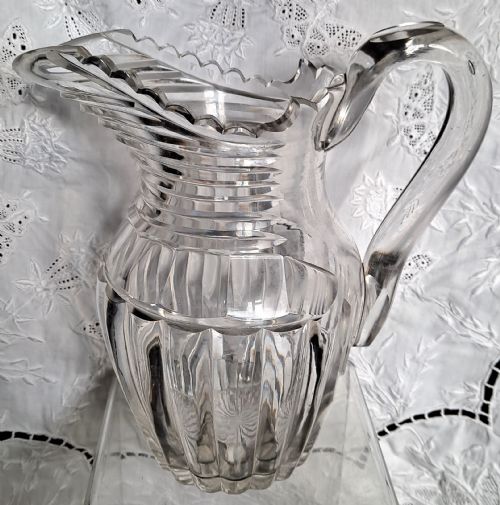
The assortment on this page most frequently presents cut glass decanters and carafes alongside related serving vessels such as water jugs and pitchers. Examples range from single bottles to matched pairs in distinctive profiles.
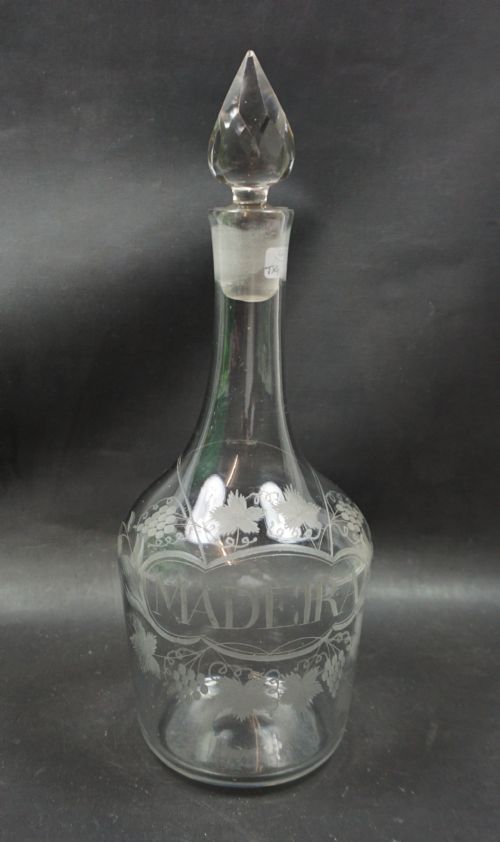
Common forms appearing among the listings include three-ring Prussian decanters, shoulder decanters engraved with beverage labels, and ship's decanters. These items reflect the domestic dining habits of English households across the 1750 to 1830 timeframe.
How they were made
These vessels are formed from lead glass and lead crystal, utilising high lead content to achieve both substantial physical weight and exceptional clarity. The material allows for deep, precise facet cutting that refracts candlelight and daylight alike.
Craftsmen shaped the molten metal by hand before applying decorative techniques such as pillar cutting, neck rings, and wheel engraving. Details like engraved liquor labels identify the intended contents, while structural rings reinforce the neck for pouring.
Georgian Lead Crystal Decanter Retail Price Guide 2026
Typical asking prices for georgian lead crystal decanter among the pieces listed under this phrase on Sellingantiques today, from the lower quarter to the upper quarter. They describe what is for sale here now, not the wider market.
Listings feature lead crystal and clear glass objects spanning the 18th century, the Georgian era, and the Regency period.
What varies in quality
The distinction between standard examples and superior specimens rests on the crispness of the wheel cutting and the depth of the metal. Heavier lead crystal provides a resonant ring and sharper facets that catch the light more brilliantly.
Proportion and matching also define the better items, particularly in pairs where neck rings and body dimensions must align precisely. The clarity of the clear glass and the precision of the engraved details further elevate the standing of an individual piece.
The Georgian Lead Crystal Decanter Glossary
- Prussian decanter
- A bottle form characterised by a tapering body and multiple neck rings. This shape became popular during the late eighteenth and early nineteenth centuries.
- Ship's decanter
- A wide-based vessel designed with a low centre of gravity to prevent tipping at sea. The broad base ensures stability on a rolling dining table.
- Lead crystal
- Glass containing a significant percentage of lead oxide. This composition increases the refractive index and weight compared to standard soda-lime glass.
- Neck ring
- An applied or heat-formed band around the narrow part of the neck. These rings provide a secure grip for the hand during pouring.
- Pillar cut
- A decorative vertical facet pattern resembling architectural columns. It creates strong linear reflections along the body of the vessel.
Georgian Lead Crystal Decanter: Frequently Asked Questions
How do I date a Georgian decanter?
Dating relies on observing the silhouette, neck construction, and cutting style of the vessel. Pieces from the mid-eighteenth century often feature engraved labels and gentler shoulder slopes, while Regency examples frequently incorporate heavy neck rings and pillar cutting.
The pontil mark on the base also provides clues regarding manufacturing methods and age. Comparing these physical characteristics against documented examples helps narrow down the period of production.
Can I still use these decanters for wine?
Many collectors continue to use these historical vessels for serving wine and spirits today. The robust lead crystal holds up well to careful handling and gentle washing.
Hand washing in warm, soapy water without harsh abrasives keeps the historic glass safe. Avoiding sudden temperature changes prevents thermal shock to the material.
What is the difference between a carafe and a decanter?
A decanter traditionally includes a fitted stopper to preserve the contents over longer periods. Carafes often lack a stopper and are intended for immediate service at the table.
In historical listings, the terms occasionally overlap depending on the specific bottle shape and whether a matching stopper survives. Both forms utilise lead crystal and clear glass materials across the Georgian period.
Why are some decanters wider at the bottom?
The wide-based profile, particularly seen in ship's decanters, provides essential stability during use. This design prevents the vessel from toppling over on unsteady surfaces.
Practical domestic utility dictated these functional shapes alongside aesthetic considerations. The heavy lead glass construction further anchors the wide base securely.