






Georgian Iron Chest
A georgian iron chest is a robust security piece built for travel or storage, prized for its forged straps and heavy locks.
Georgian Iron Chest
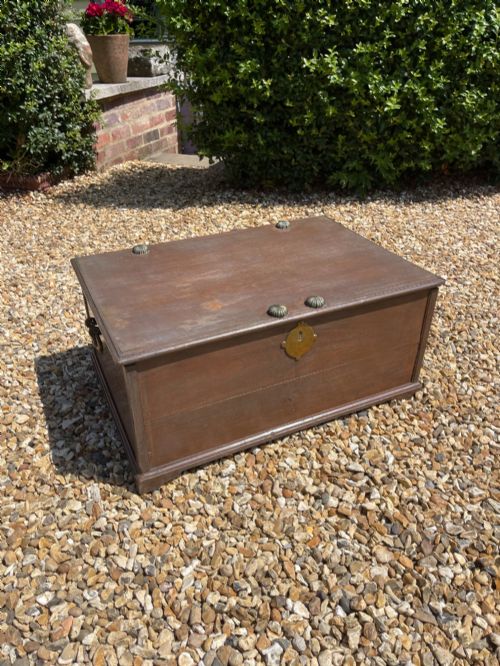
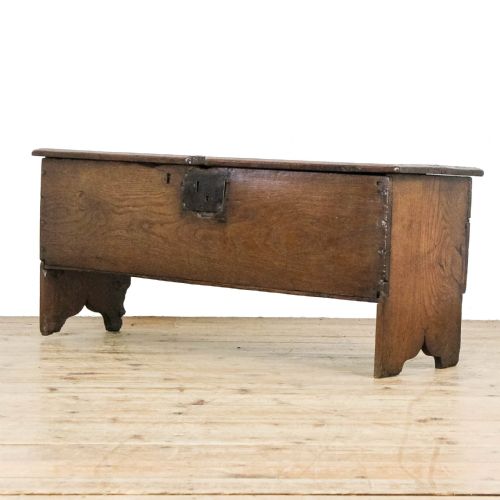
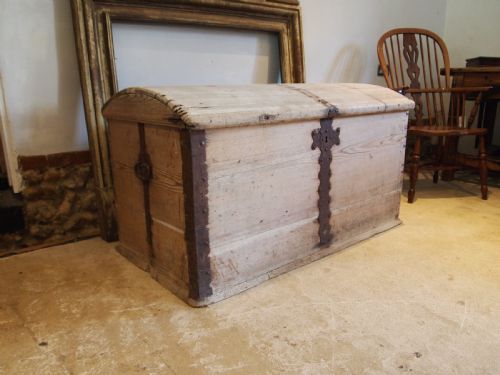
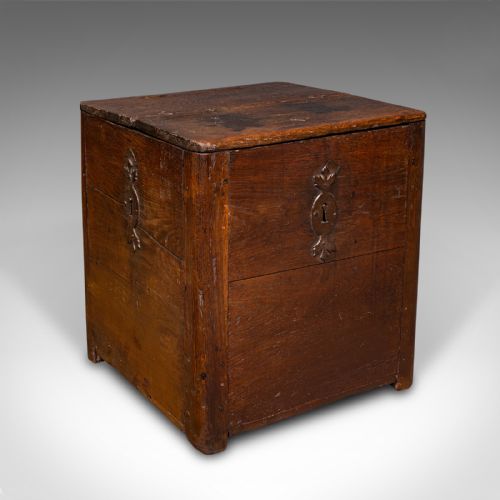
When you search for a georgian iron chest, you encounter heavily strapped storage pieces designed to protect valuables, documents, and military funds. These items take forms such as travelling trunks, strongboxes, silver chests, and marriage chests.
The versions most commonly met on this page span the Georgian and 18th century periods, often constructed from timbers like oak, elm, walnut, and teak. Many examples feature substantial iron bindings, brass details, and durable leather or hide coverings.
Origins vary from English workshops to Irish, Spanish, and Scandinavian country makers. These pieces served practical roles in households, mail carriages, and military campaigns before becoming desirable decorative storage today.
Construction and Materials
These pieces rely on solid timber foundations made from oak, elm, walnut, pine, or teak, joined to endure heavy use. Carpenters reinforced these wooden boxes with wrought iron straps, bands, and corner plates for structural integrity.
Security and decoration came from brass locks, drop handles, and studwork, alongside protective coverings of hide, leather, or textiles. Master craftsmen shaped these materials to create durable strongboxes and travel trunks capable of withstanding rough journeys.
Listings feature woods including oak, elm, walnut, teak, and pine, paired with iron, brass, and hide.
Assessing Quality
Quality in these pieces rests on the integrity of the ironwork and the thickness of the timber used for the carcass. The precision of the forged straps and the complexity of the internal locking mechanisms elevate a standard box into a superior security piece.
Condition and originality dictate value, particularly where makers' labels, original hinges, and period linings remain intact. Finely detailed brass mounts and well-preserved hide coverings also distinguish finer examples from utilitarian ones.
Seabrook of St Pauls
The Georgian Iron Chest Glossary
- Strongbox
- A secure container built from thick timber and heavily reinforced with iron for protecting valuables. These boxes typically feature complex locking mechanisms.
- Strapwork
- Decorative and structural bands of wrought iron laid across the exterior of a chest. This technique reinforces the wooden joints against heavy impacts.
- Marriage chest
- A celebratory storage trunk commissioned to hold household linens and dower goods. They often display dates, initials, or regional stylistic traits.
- Bible box
- A small, portable desk or storage container historically used for sacred texts. These compact pieces frequently feature sloping lids and fitted interiors.
- Coffer
- A heavy wooden storage chest often bound in metal for domestic security. They pre-date specialised furniture types and served multiple household functions.
Georgian Iron Chest: Frequently Asked Questions
What were iron chests used for?
These chests served primarily for the secure transport and storage of currency, legal documents, silver plate, and military paymaster funds. Their heavy timber and iron straps protected contents from theft and damage during travel.
Over time, many transitioned into domestic settings to hold household linens, blankets, and valuables safely within the home.
How do I date a Georgian chest?
Dating relies on examining construction methods, timber species, and the style of the ironwork and locks. Hand-forged wrought iron straps, dovetail joints, and original brass hardware offer reliable chronological clues.
Makers' labels, inscribed dates, or specific regional decorative motifs also help narrow down the period of manufacture.
Are these chests waterproof?
While many travelling trunks and strongboxes feature leather, hide, or metal bindings that shed moisture, they are not sealed against water. Their primary design focus was physical security and structural durability rather than absolute weatherproofing.
Historic glues and timber construction mean these pieces should be kept away from damp environments to preserve the wood and iron.
Where should I place one at home?
These substantial chests work well as coffee tables, end-of-bed storage units, or statement hallway furniture. Their flat lids and rugged surfaces offer practical display space while keeping clutter hidden inside.
Ensure they rest on stable flooring away from direct heat sources to protect the aged timber and ironwork.