


Industrial Metal Storage Box
An industrial metal storage box brings heavy-duty utility and robust character into a modern interior.
Industrial Metal Storage Box
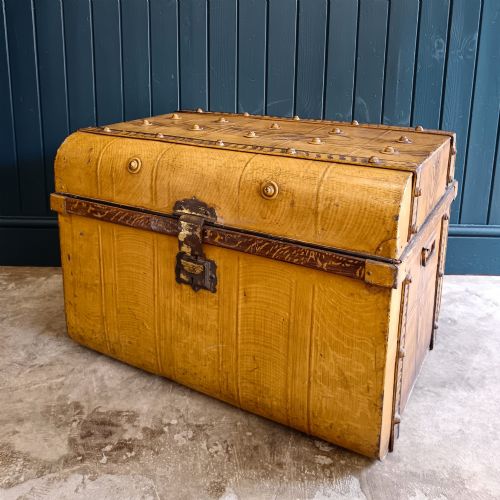
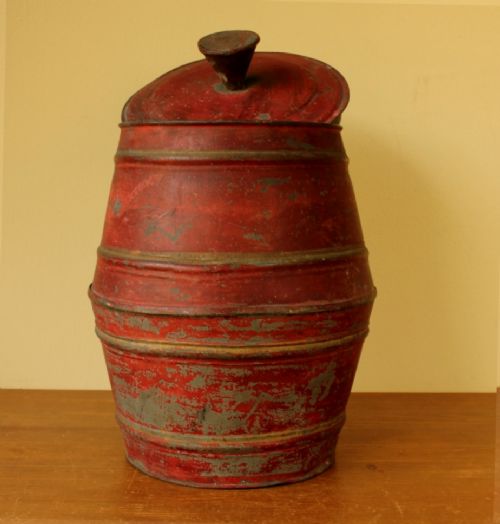
When you search for an industrial metal storage box, you encounter hard-wearing receptacles designed originally for travel, maritime voyages, commerce and domestic utility. These pieces include steamer trunks, deed boxes, strongboxes, storage bins and tobacco tins originating from the nineteenth century up to the nineteen-twenties. The items available span Victorian maritime examples, French Belgian shop storage and robust blacksmith-made coal wagons.
The most common forms on this page combine sheet metal, iron or steel with timber reinforcement or paint finishes. Buyers often find steel travelling trunks bearing shipping lines such as Cunard, alongside fall-front deed boxes and painted storage trunks. Their initial purpose was strictly practical, protecting documents, laundry, tobacco or personal belongings during transit and storage.
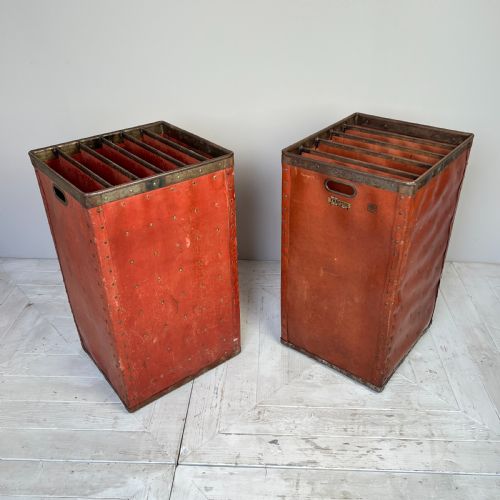
These boxes range from rustic country pine-and-metal chests to sophisticated industrial utilitarian cases from the early twentieth century. Continental laundry storage boxes and Victorian bedside deed boxes represent the more domestic end of this functional spectrum. Each piece carries the honest marks of heavy use, industrial fabrication and historical transport.
How they were made
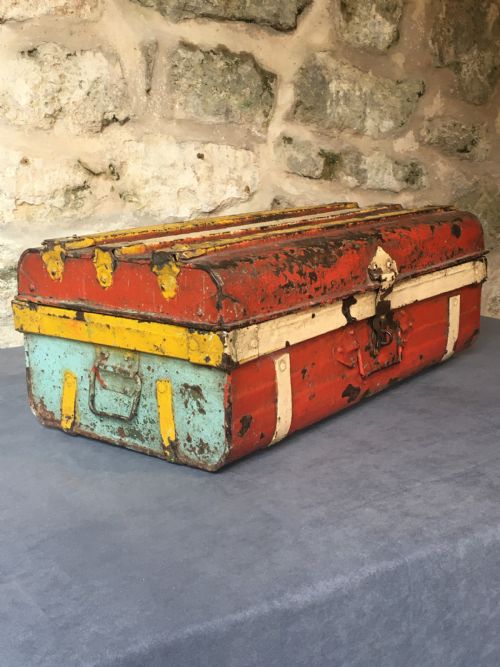
The construction of these items relies heavily on durable metals like iron, steel, brass and sheet metal, frequently combined with pine or other timbers. Blacksmiths and early manufacturers formed robust plates, riveting or binding them to wooden carcasses for structural integrity. Paint finishes, sometimes applied to imitate faux-wood or simply to protect the surface from rust, survive on several examples.
Hardware details such as brass fittings, iron straps and fall-front mechanisms demonstrate practical craftsmanship intended to withstand heavy handling. Trunks and strongboxes feature reinforced corners and secure latches designed for shipping and safe document storage. The fabrication methods reflect straightforward industrial utility rather than ornamental cabinet-making.
A blacksmith once hammered a small coal wagon so stoutly that it outlived the hearth it fed.
What varies in quality
Quality in these utilitarian items is determined by the integrity of the original construction and the survival of authentic maker details. Substantial ironwork, heavy-gauge steel and sound timber framing separate robust strongboxes from lighter domestic tins. The precision of the blacksmithing or the scale of the piece, such as large steamer trunks versus smaller deed boxes, also dictates distinction.
The degree to which original surfaces, painted finishes and shipping markings survive intact defines the desirability of a piece. Items retaining authentic company provenance, such as shipping line identifiers or specialised shop storage lettering, hold greater documentary interest. Conversely, heavily degraded structural elements or poorly executed later repairs diminish the historical value.
The Industrial Metal Storage Box Glossary
- Deed box
- A secure metal or metal-bound container used historically for storing legal documents, deeds and valuable papers. They often feature fall-front lids or robust locking mechanisms.
- Steamer trunk
- A large, durable travel chest designed to fit easily in the cabin or hold of a steamship. These trunks utilised metal bands and reinforced corners to endure maritime voyages.
- Strongbox
- A heavily fortified chest constructed from iron or steel to protect valuables from theft or fire. These boxes represent the most secure end of utilitarian metal storage.
- Fall front
- A hinged front panel on a box or case that drops down when unlocked to provide access to internal compartments or drawers. This mechanism is common in nineteenth-century deed boxes.
Industrial Metal Storage Box: Frequently Asked Questions
How do I date an antique metal storage box?
Dating relies on observing construction methods, materials, and any surviving labels or shipping stamps. Nineteenth-century examples frequently incorporate hand-forged ironwork, heavy timber frames, and hand-painted finishes.
Early twentieth-century pieces often display standardised steel plate construction and industrial utility styling. Maker marks and shipping line names also provide clear chronological anchors.
Are these boxes suitable for modern storage?
These robust containers adapt exceptionally well to contemporary interiors for hiding clutter, storing blankets, or serving as coffee tables. Their durable metal and wood construction easily handles everyday household use.
Buyers should inspect the interior cleanliness and check for residual rust or old paint flaking before storing delicate textiles. Simple cleaning preserves the historical surface while making them safe for modern homes.
How should I care for a painted metal trunk?
Maintenance requires gentle cleaning with a dry or slightly damp cloth to remove dust without damaging fragile historic paint surfaces. Avoid abrasive cleaners or harsh chemical solvents that strip original finishes.
Applying a microcrystalline wax can help protect exposed iron or steel from future oxidation. Keeping the trunk in a stable environment away from excessive moisture preserves the metal and wood.