





Domed Iron Coffer
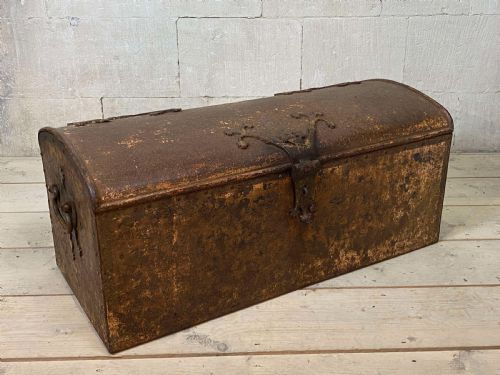
A domed iron coffer is a heavy security chest built for travel and safekeeping, combining structural metalwork with timber or leather.
Domed Iron Coffer
A domed iron coffer provides heavy-duty storage with a curved lid designed to shed water and increase interior capacity. Buyers searching for a domed iron coffer encounter robust containers built primarily during the eighteenth and nineteenth centuries.
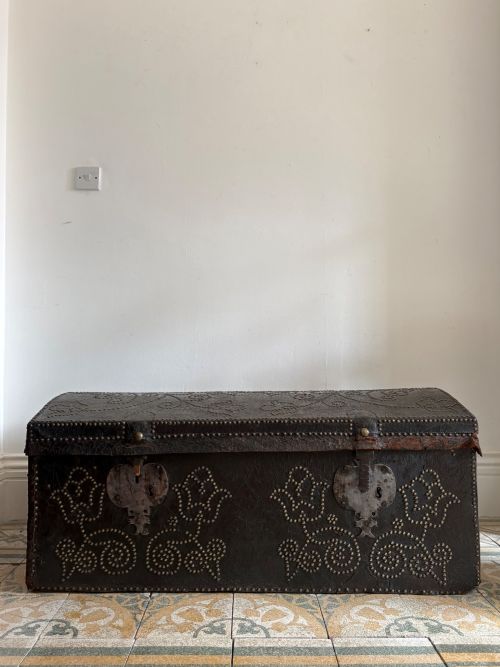
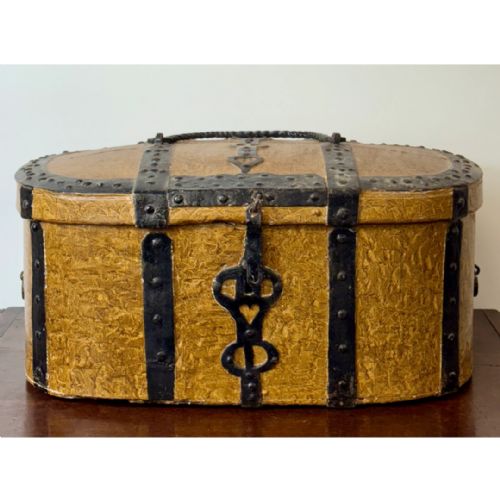
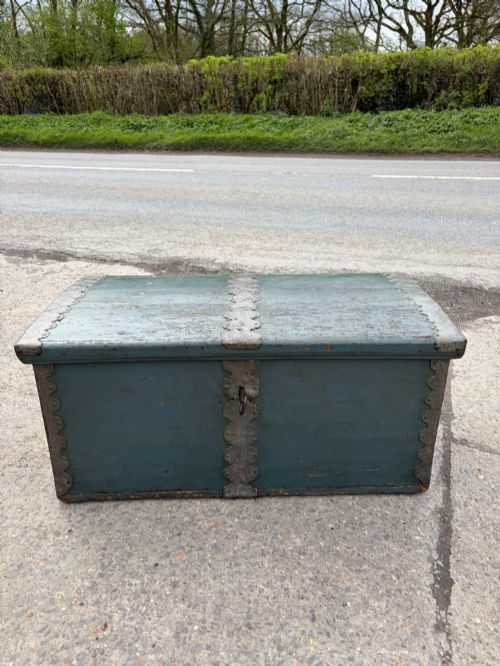
The versions most common on this page are pine or oak chests strengthened with iron straps, alongside pieces covered in leather or finished in original paint. Origins span Swedish folk art traditions, Dutch workshops, and Georgian cabinet-making.
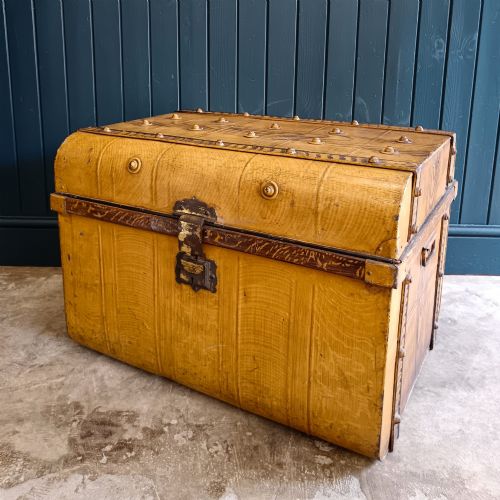
Forms range from small tabletop boxes to large marriage chests and travel trunks fitted with carry handles. These pieces functioned as strong boxes and secure receptacles for valuables before modern banking.
Materials and construction
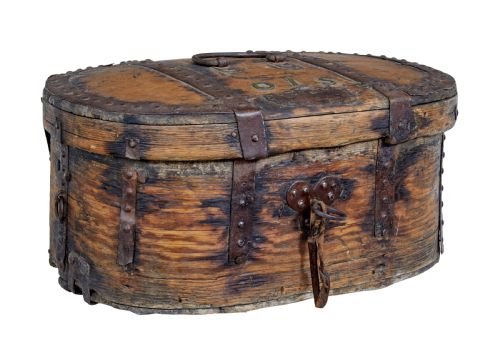
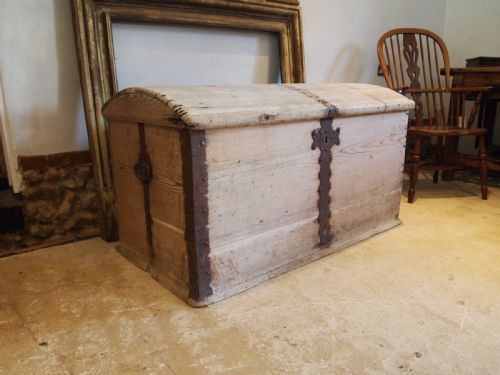
Construction relies on a core of pine, oak, or teak encased in sheet iron, wrought iron bands, or leather studded with brass or iron nails. Wood frames provide the structural rigidity, while metal strapping reinforces the corners and lid joints.
Surfaces are treated with protective paint, decorative hide, or left as bare iron-bound timber. Blacksmiths forged the straps, hinges, and carry handles by hand to secure the contents against theft and environmental damage.
Domed Iron Coffer Retail Price Guide 2026
Typical asking prices for domed iron coffer among the pieces listed under this phrase on Sellingantiques today, from the lower quarter to the upper quarter. They describe what is for sale here now, not the wider market.
Some nineteenth century Swedish marriage chests doubled as dowry transport and permanent household strong boxes.
Evaluating quality in a coffer
Quality rests in the integrity of the original hardware, the survival of early painted or leather surfaces, and the weight of the ironwork. Hand-forged straps and untouched patination distinguish finer examples from later reproductions.
The sophistication of the joinery and the presence of untouched locks or carry handles indicate higher craftsmanship. Pieces retaining their original Scandinavian folk art paint schemes or period upholstery command closer attention from collectors.
The Domed Iron Coffer Glossary
- Cofer
- A strong box or chest used for storing valuables, money, or documents. These sturdy containers often feature domed lids to shed moisture.
- Dome top
- A curved lid construction that maximises interior headroom and prevents objects from resting flat on top. This shape helps direct water away from the lid seams.
- Iron bound
- Timber construction reinforced with exterior metal straps and brackets. This technique adds structural strength to heavy storage chests.
- Marriage chest
- A celebratory storage box commissioned for a wedding, frequently personalised with dates or painted motifs. These pieces often feature folk art decoration.
- Strong box
- A secure receptacle built with thick timber and heavy metal reinforcement to protect contents against theft. They typically include robust locking mechanisms and carry handles.
Domed Iron Coffer: Frequently Asked Questions
What is a domed iron coffer?
A domed iron coffer is a heavy storage chest featuring a curved lid and metal reinforcement. They were built for securing valuables during transport or within the home.
These containers date predominantly from the eighteenth and nineteenth centuries. They combine timber frames with wrought iron bands, leather, or painted finishes.
How were these chests used?
These boxes served as strong boxes for money, documents, and precious items. The curved lid prevented water pooling and allowed extra storage space inside.
Travellers and households utilised them for secure transport and storage. Their robust construction protected contents from theft and rough handling.
Where do these pieces originate?
The pieces originate from various European and international regions, with a strong representation of Swedish folk art traditions. Dutch, Spanish, and British examples also appear.
Workshop styles range from rustic country furniture to baroque revival designs. Each region applied distinct decorative treatments such as painted motifs or studded leather.
How do I care for a painted coffer?
Preserve original painted surfaces by keeping the chest away from direct sunlight and excessive humidity. Dust gently with a dry cloth without applying modern cleaning chemicals.
Maintain stable indoor temperatures to prevent the timber from warping and the iron from corroding. Minimal intervention protects the historic patina.
How do I identify the age of a chest?
Examine the construction methods, including hand-forged ironwork, joinery styles, and types of nails or screws used. Older pieces often display irregular blacksmith marks and aged timber patination.
Stylistic cues such as baroque revival details, Georgian proportions, or folk art paint help assign pieces to the eighteenth or nineteenth century.