


Georgian Irish Sterling Silver
Georgian Irish sterling silver brings together heavyweight domestic plate, distinctive Dublin assays and crisp Rococo chasing from the eighteenth and early nineteenth centuries.
Georgian Irish Sterling Silver
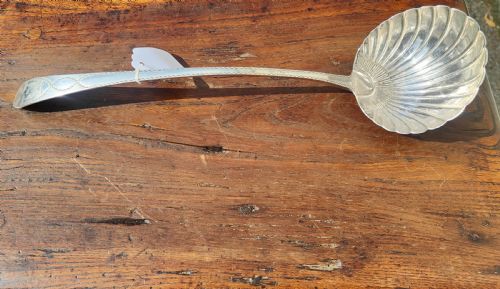
When you search for georgian irish sterling silver, you encounter items ranging from domestic tea services and hollowware to specialised serving flatware and snuff boxes. The primary output dates from the eighteenth and early nineteenth centuries, encompassing George II, George III and George IV reigns.
Dublin serves as the predominant origin, though provincial centres like Cork are represented by specific silversmith marks. Pieces span the Georgian era alongside later revivals and associated nineteenth-century items.
Materials and Construction
The objects rely on sterling silver and silver gilt, frequently paired with cobalt blue glass liners in vessels such as sugar bowls and mustard pots. Construction involves hammering, casting and piercing sheet silver to form hollowware and flatware.
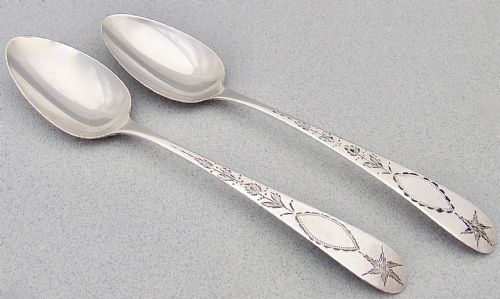
Surface decoration utilises chasing, engraving and applied crests, often displaying the distinctive high-relief floral and scroll motifs associated with Dublin silversmiths. Individual pieces incorporate wood handles or steel blade components where appropriate for flatware and serving utensils.
Listings demonstrate that Dublin assay marks and the Hibernia stamp serve as the primary indicators of Irish Georgian silver origin.
Craftsmanship and Survival
Quality rests upon the crispness of the chased decoration and the weight of the metal utilised in the body of the piece. Heavier gauge silver retains sharper detail in crests, Rococo cartouches and borders over centuries of handling.
Survival of original components, such as matching glass liners in bowls or intact hallmarks, separates standard examples from exceptional ones. Maker attribution through clear Dublin stamps and well-preserved maker marks further elevates an item's standing.
John Pittar·John Craig·Edward Power·Robert Breading·Michael Smith·William Bond·Thomas Sutton
The Georgian Irish Sterling Silver Glossary
- Potato ring
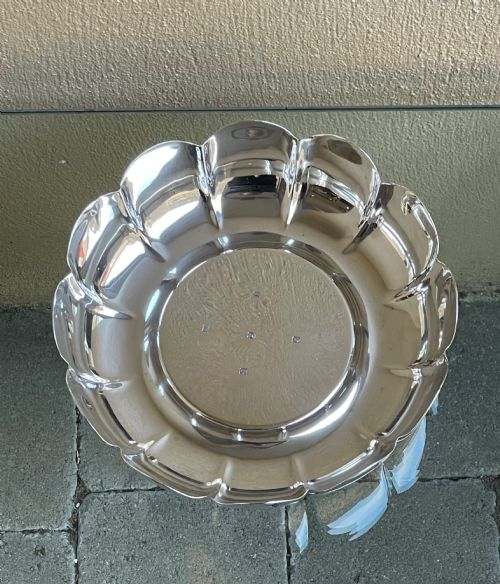
- A pierced, spool-shaped dish ring traditionally placed on the dining table to hold a hot potato bowl. These hollowware pieces often feature intricate chased openwork.
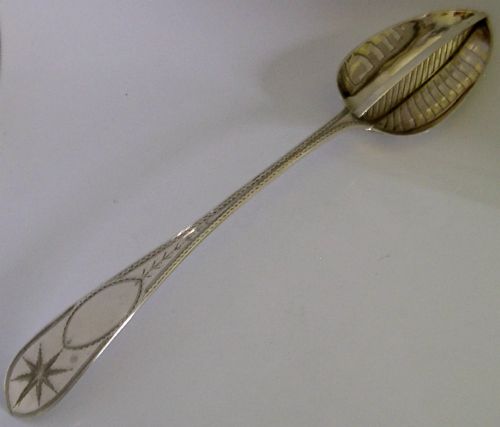
- Basting spoon
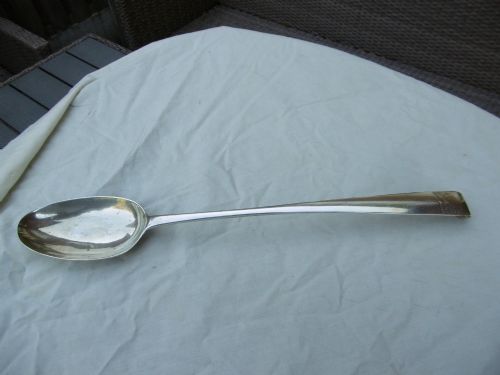
- A large flatware utensil used in food preparation for pouring pan juices over meat. They measure significantly longer than standard tablespoons.
- Caddy spoon
- A small scoop designed for measuring dry tea leaves from a caddy into a teapot. Dublin examples display diverse handle designs and shallow bowls.
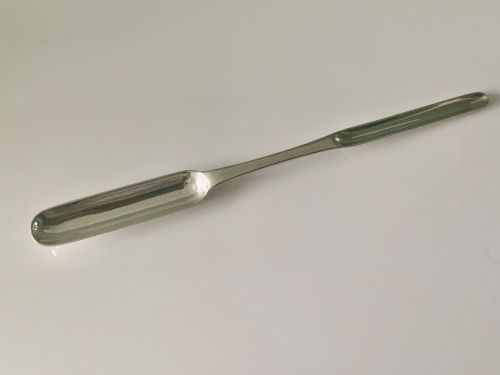
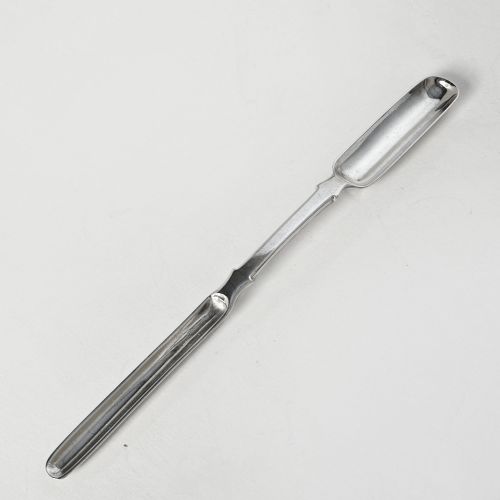
- Marrow scoop
- A narrow, double-ended utensil utilised for extracting bone marrow at the table. One end forms a small trough while the other provides a slender spoon.
- Hibernia mark
- The seated figure hallmark stamping Dublin silver to denote Irish provenance. It appears alongside the harp crowned and maker initials.
- Runcible spoon
- A nineteenth-century hybrid utensil featuring pronged edges or a cutting side. These items combine the functions of a fork and spoon.
Georgian Irish Sterling Silver: Frequently Asked Questions
How do I identify Irish silver?
Look for the Dublin assay office mark featuring the figure of Hibernia seated alongside the crowned harp. These stamps appear with a date letter and a silversmith's maker mark.
Provincial pieces from locations like Cork may bear distinct maker stamps without the standard Dublin cycle.
What is a potato ring used for?
A potato ring acts as an elevated stand placed on the dining table to protect surfaces from hot serving dishes. They originated in Ireland during the eighteenth century as openwork stands.
Today they function primarily as decorative centerpieces or display bowls.
How should I clean antique silver?
Use a soft microfiber cloth and a mild, non-abrasive silver polish formulated for antiques to maintain the surface. Avoid harsh chemical dips that strip the natural darkening in chased recesses.
Store pieces in tarnish-resistant cloth away from direct light and high humidity.