



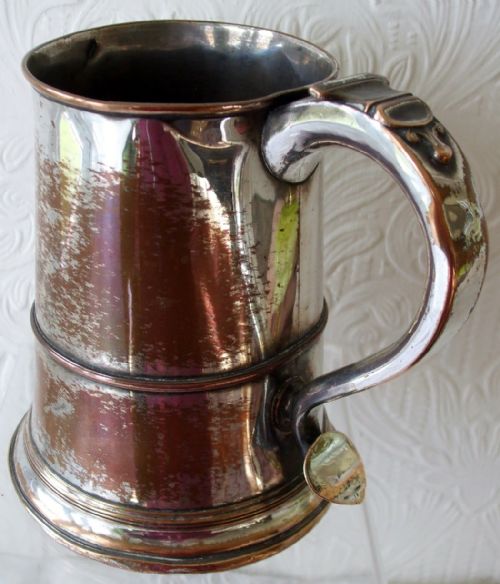
Georgian Hollowware
Georgian hollowware comprises functional vessels for tea, coffee, cream, and sauce, prized for domestic utility and traditional metalwork.
Georgian Hollowware
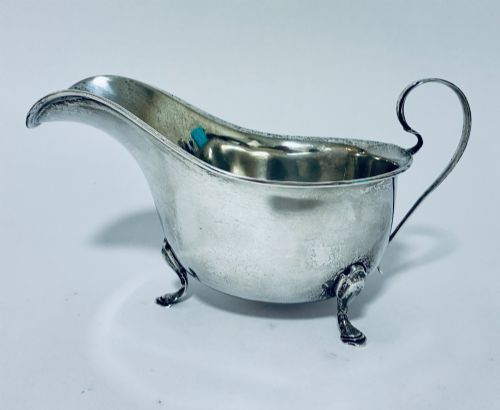
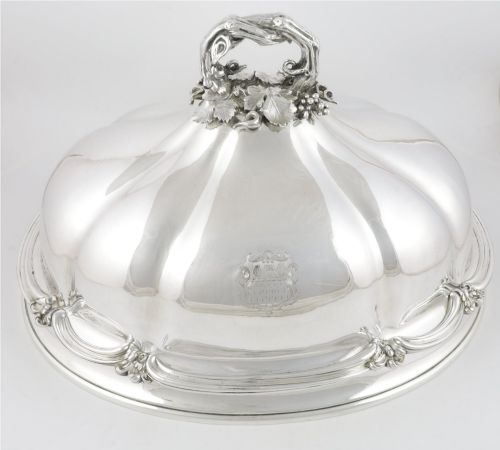
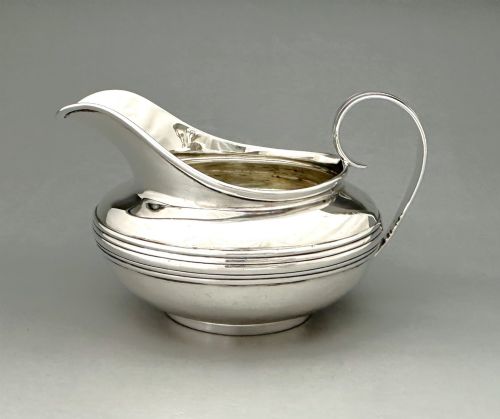
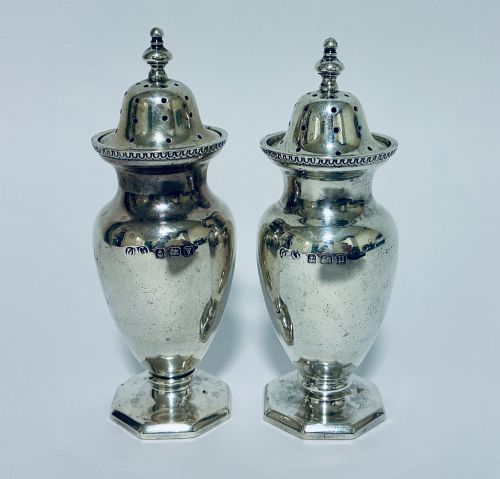
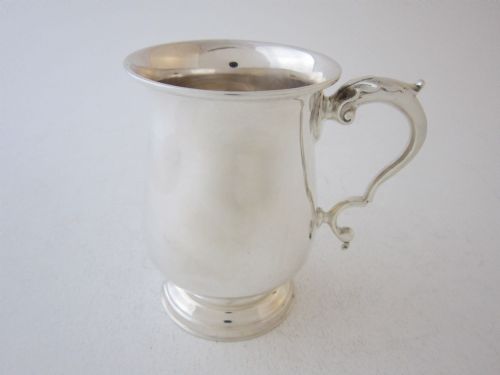
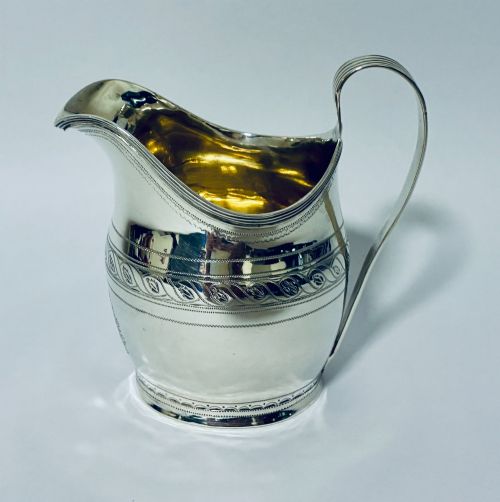
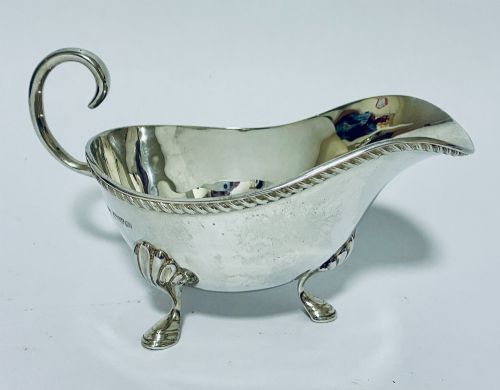
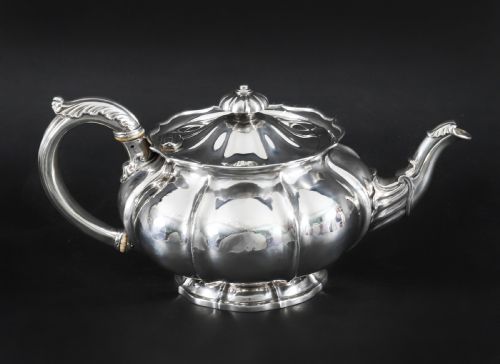
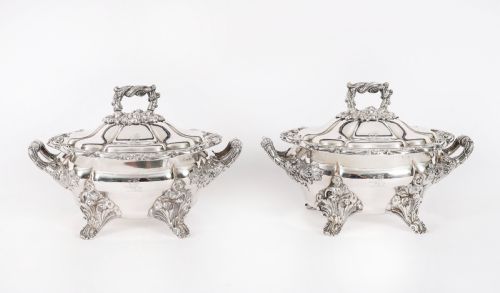
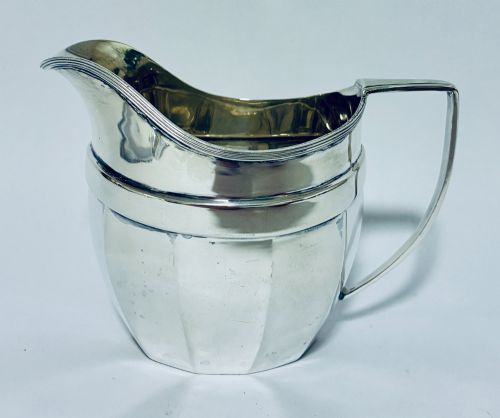
When buyers search for georgian hollowware, they encounter a range of tableware forms designed for serving liquids and sauces at the dining table. These pieces include teapots, coffee pots, cream jugs, tankards, sauce boats, and tureens.
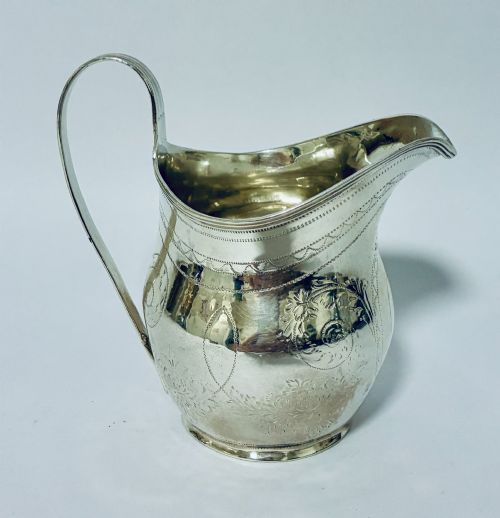
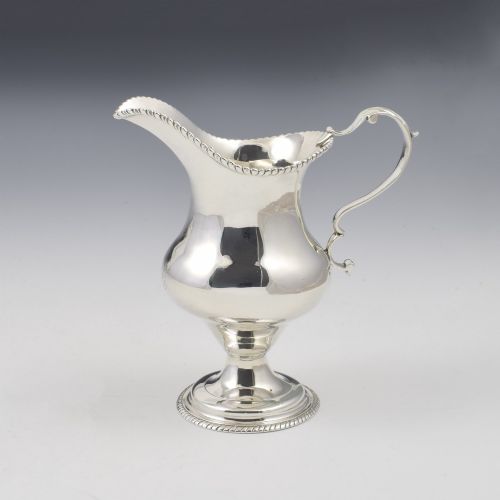
The most common examples on this page are cream jugs and teapots produced across the eighteenth and nineteenth centuries. These vessels reflect the social rituals of tea and dining that shaped domestic interiors during the period.
Originating primarily from English, Scottish, and Irish workshops, these items demonstrate regional variations in assay practices and silversmithing techniques. The selection spans authentic eighteenth-century items alongside later revival styles.
Materials and technique
Makers utilised sterling silver, old Sheffield plate, copper, and base metals combined with wooden handles or bone insulators. Silversmiths formed hollowware bodies through hammering, raising, and casting techniques before assembling individual components.
Plated items relied on fusing a thin sheet of silver to a thicker copper core, a method developed in Sheffield to offer durable tableware at a lower cost. Surface decoration involved hand chasing, engraving, and applied cast borders.
Miniature herb teapots allowed Georgian households to brew expensive leaves in precise, tiny portions.
What varies in quality
The distinction between tiers rests upon the weight of the metal and the crispness of the hand-chased ornamentation. Heavier gauge silver retains structural integrity and resists denting during daily use.
Maker marks and provincial hallmarks provide evidence of origin and workshop standard, influencing the historical interest of a piece. The quality of soldering at joints and the retention of original plating determine overall preservation.
Paul Storr·Roberts Cadman·Stalker and Mitchison·Robert Hennell I·William Grundy·Robert Pringle and Sons·Samuel Blatchford
The Georgian Hollowware Glossary
- Hollowware
- Tableware items such as pots, jugs, and tureens that are hollow in construction rather than flat like plates. This category excludes flatware and cutlery.
- Old Sheffield plate
- A composite material made by fusing silver to a copper ingot, created before electroplating was invented. It often shows subtle hints of copper beneath worn high points.
- Hallmark
- An official stamp applied by an assay office indicating metal purity, the maker, and the year of manufacture. British silver hallmarks provide reliable dating.
- Chasing
- A metalworking technique where the smith pushes metal from the front using hammers and punches to raise a decorative design in relief. It differs from engraving, which removes metal.
- Sauce boat
- An open vessel with a spout and handle used for serving gravies or sauces at the table. These vessels usually stand on small feet or an integrated base ring.
Georgian Hollowware: Frequently Asked Questions
What is georgian hollowware used for?
These vessels served functional roles in preparing and pouring beverages like tea and coffee, or holding cream, sauces, and mustard at the dining table. They formed part of the formal domestic service during the eighteenth and nineteenth centuries.
Today, collectors utilise them as decorative dining accessories or display them within cabinet collections to showcase period metalwork and design evolution.
How do I clean antique silver hollowware?
Maintenance requires gentle washing with warm water and mild soap, followed by drying with a soft cloth to prevent water spots. Avoid abrasive cloths or harsh chemical dips that strip the natural patina accumulated over centuries.
Silver polish should be applied sparingly and only when necessary, using a soft sponge to clear tarnish from engraved or chased recesses without damaging the metal surface.
How can I tell old Sheffield plate from solid silver?
Old Sheffield plate often reveals faint traces of a reddish copper hue along rims, high points, or wear areas where the outer silver layer has thinned over generations. Solid silver maintains a uniform colour throughout and bears official hallmarks indicating metal purity.
Plate items typically lack sterling hallmarks, featuring instead maker marks or dummy marks intended to mimic official stamps without guaranteeing solid metal content.
Are these pieces safe for daily use?
Many silver and plated vessels remain structurally sound for serving cold liquids or dry foods, provided they are handled with care and cleaned promptly after use. Acidic foods or prolonged contact with certain substances should be avoided to protect the interior surfaces.
Due to historical repairs, delicate handles, or fragile soldered joints, some fragile examples are better suited for display rather than active service.