

Georgian Hall Lamp
These georgian hall lamp selections bring enduring wood and glass form to a corridor, offering practical surface space and period character.
Georgian Hall Lamp
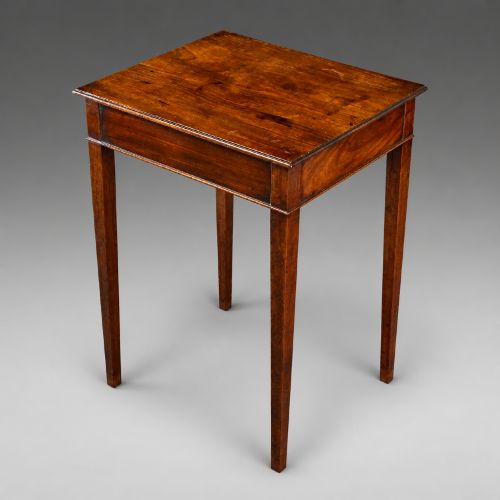
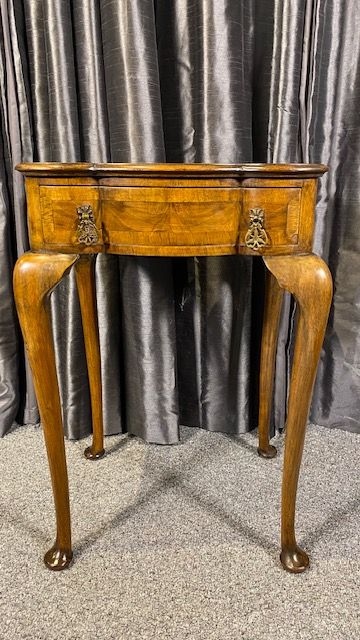
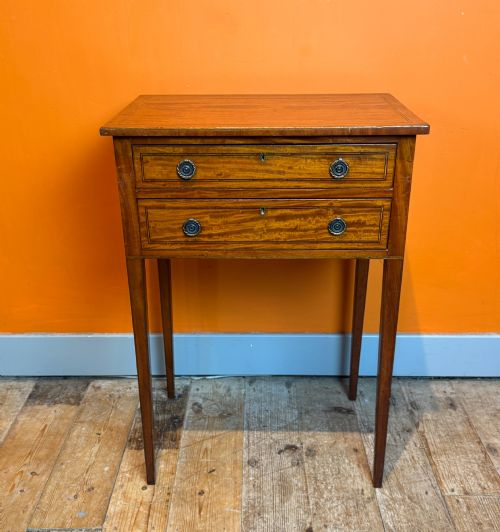
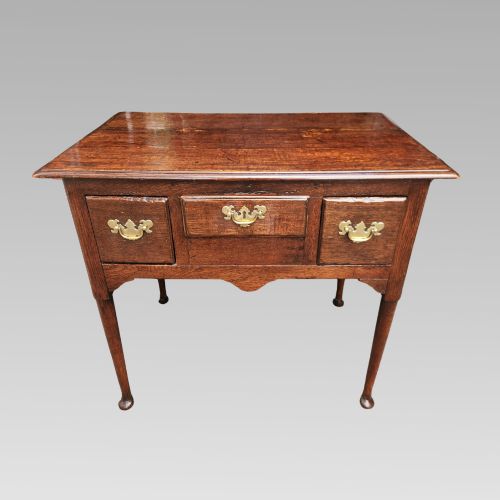
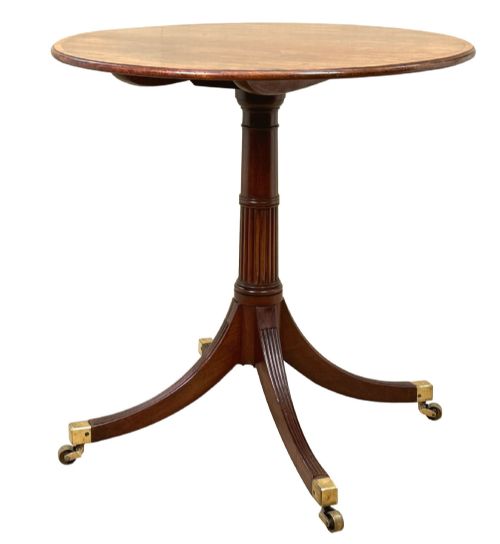
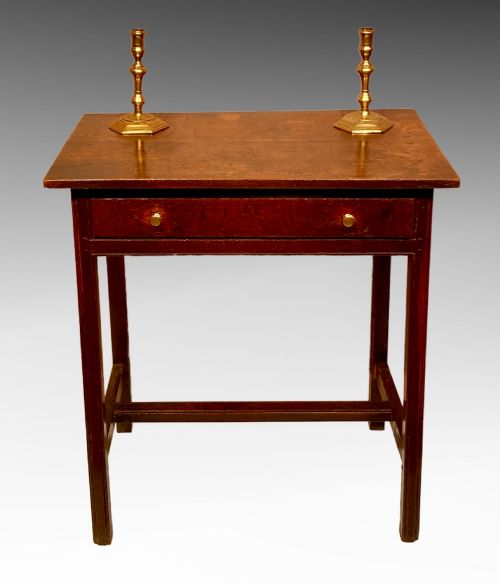
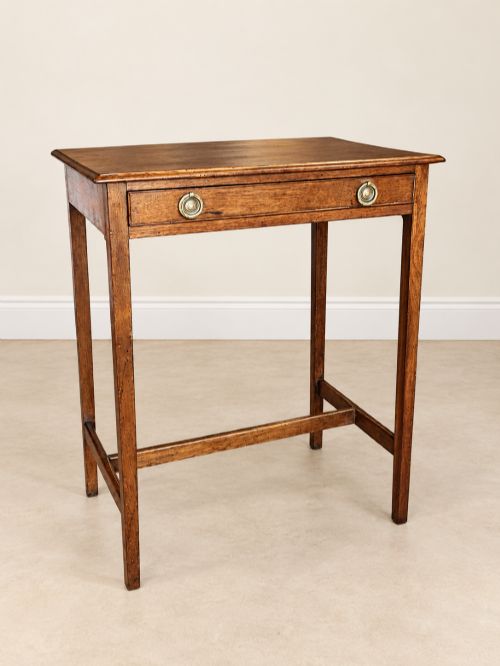
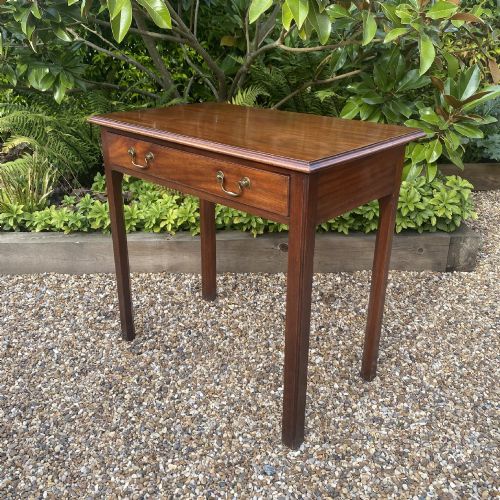
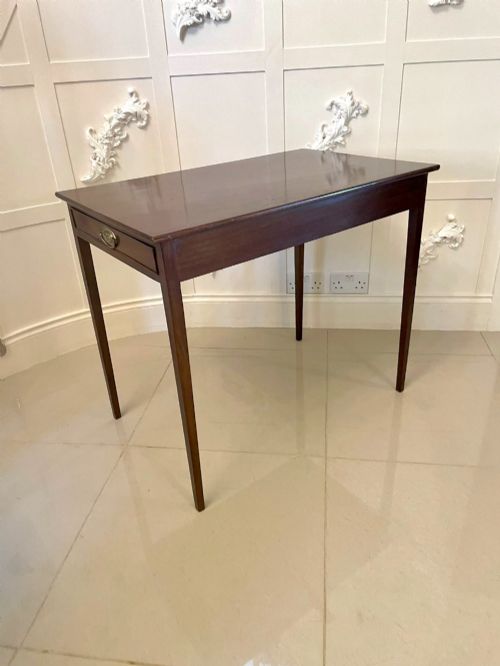
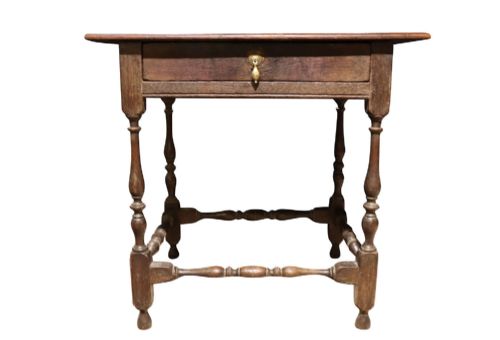
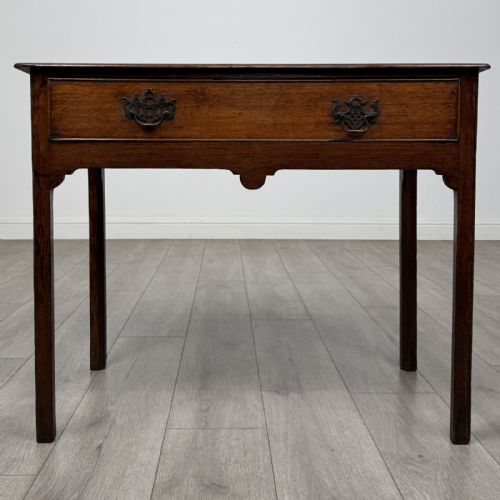
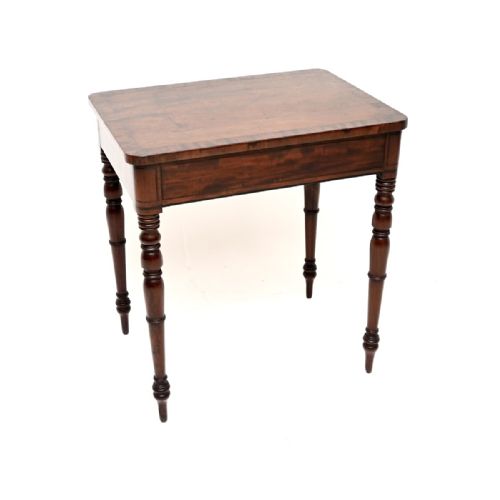
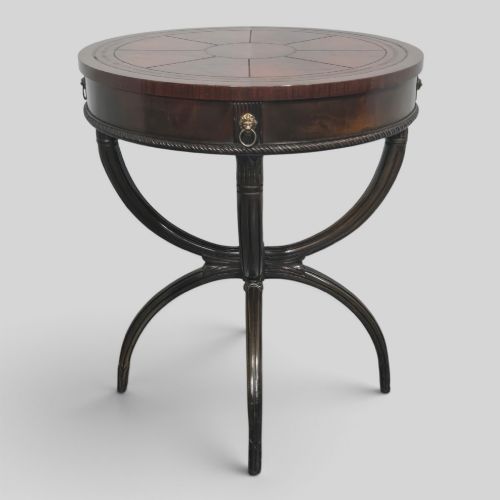
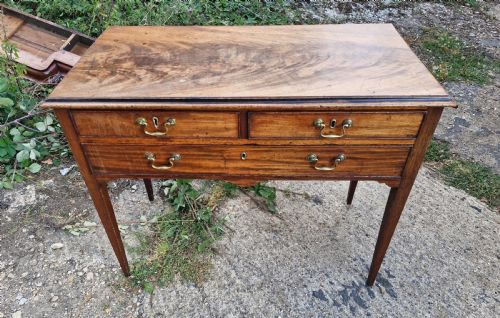
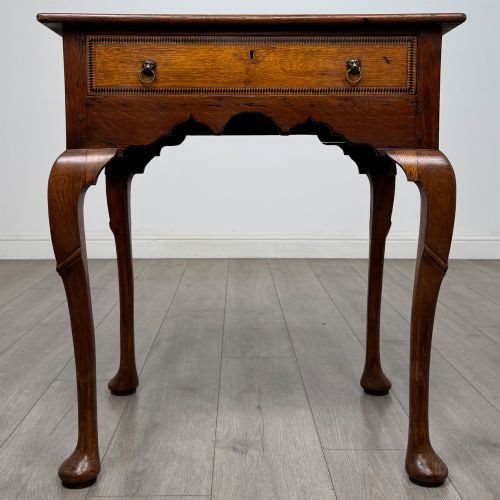
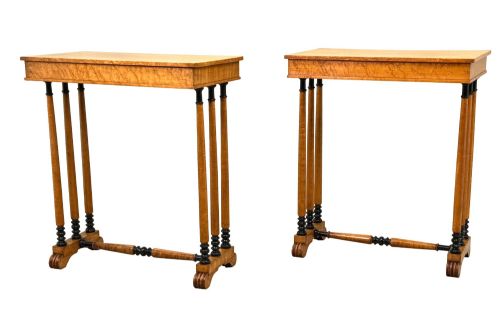
When you search for a georgian hall lamp, you encounter an assortment of side tables, lowboys, occasional tables, and ceiling lighting spanning the eighteenth and nineteenth centuries. The majority of pieces appearing under this category consist of timber side tables and lamp tables rather than hanging lanterns alone.
The material record leans heavily towards mahogany and oak, alongside pine, fruitwood, and occasional glass elements. Examples range from George II and George III country house pieces to Regency and Edwardian revivals.
Makers and regional origins include Welsh workshops and attributed makers like Gillows, reflecting both formal London design and robust provincial cabinet making.
Materials and construction methods
Cabinet makers utilised solid timbers such as mahogany, oak, and fruitwood, often selecting figured veneers like birdseye maple or burr walnut for top surfaces. Drawer construction frequently employed hand-cut dovetails, while painted pine and softwood served utility pieces.
Joinery techniques relied on traditional mortise and tenon frames to support the weight of drawers and tabletops. Surface treatments include original paint finishes, wax polish over polished hardwoods, and glass lantern housings.
Georgian Hall Lamp Retail Price Guide 2026
Typical asking prices for georgian hall lamp among the pieces listed under this phrase on Sellingantiques today, from the lower quarter to the upper quarter. They describe what is for sale here now, not the wider market.
Some sturdy oak tables survived generations of country house muddy boots and dropped keys.
Judging the quality of these pieces
Quality rests upon the selection of timber grain, the crispness of edge mouldings, and the integrity of structural proportions. Finer examples display carefully matched drawer linings and restrained, elegant hardware.
Provincial pieces vary from rustic country house utility items to finely proportioned London pieces with sophisticated serpentine or bowfront shapes.
Gillows
The Georgian Hall Lamp Glossary
- Lowboy
- A small side table or dressing table with one or more drawers, typically dating from the eighteenth century. They sit low on slender legs and function well in narrow entranceways.
- George III
- The period of British design spanning from 1760 to 1820, characterised by classical proportions and fine mahogany craftsmanship. Pieces from this era show strong neoclassical influence.
- Regency
- The stylistic period covering the early nineteenth century up to the reign of William IV, noted for classical revival motifs and darker woods. Proportions become bolder during this phase.
- Birdseye maple
- A decorative timber featuring small circular markings resembling bird eyes, prized for its distinctive figured surface. It appears on select occasional tables from the nineteenth century.
- Serpentine front
- A furniture front curved with a convex centre flanked by concave ends. This shaping requires expert joinery and marks finer cabinet work.
Georgian Hall Lamp: Frequently Asked Questions
What defines a georgian hall lamp?
A georgian hall lamp search typically yields eighteenth and nineteenth century side tables and lamp tables used in corridors, alongside occasional ceiling lighting.
These pieces provided a convenient surface for lighting and belongings near an entrance.
How do I spot an 18th century oak table?
Eighteenth century oak tables display deep patination, pegged joinery, and heavy timber construction characteristic of country workshops.
Drawer linings on these pieces often show hand-planed boards and early iron pulls.
Where were these tables placed originally?
Side tables and lowboys stood against entrance hall walls to hold candlesticks, lamps, and daily accessories.
Their narrow depths kept corridors clear while offering functional surface area.
What is the difference between George II and Regency furniture?
George II designs from the mid-eighteenth century feature robust proportions and carved walnut or oak.
Regency pieces from the early nineteenth century introduce classical Roman lines, lighter mahogany, and sometimes exotic veneers.