



Georgian Glass Urn
Georgian glass urn pieces are grand decorative mirrors and coolers designed to reflect light and grace formal rooms.
Georgian Glass Urn
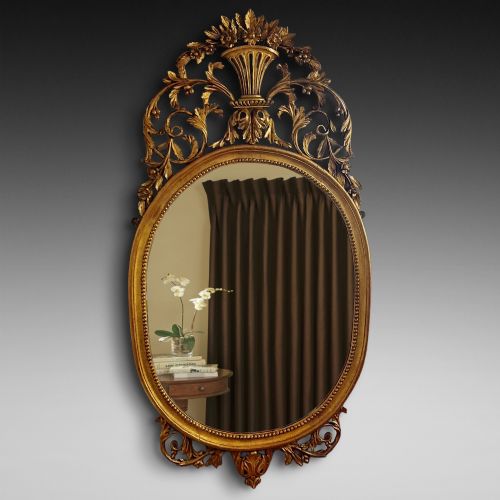
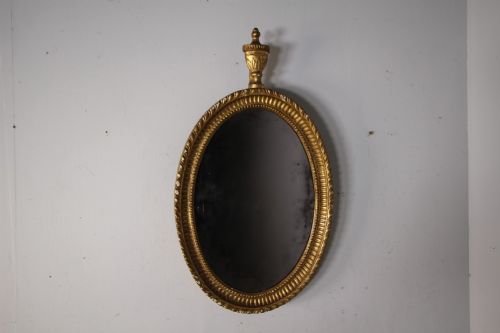
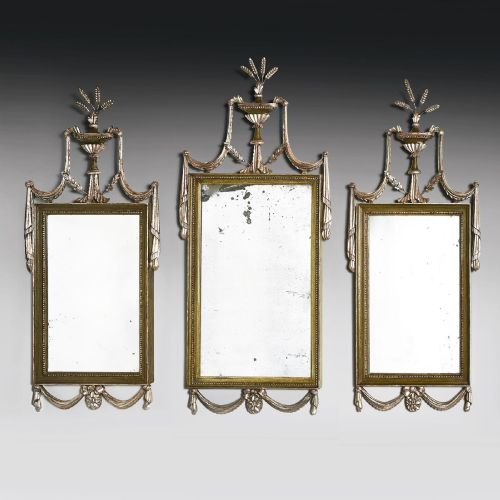
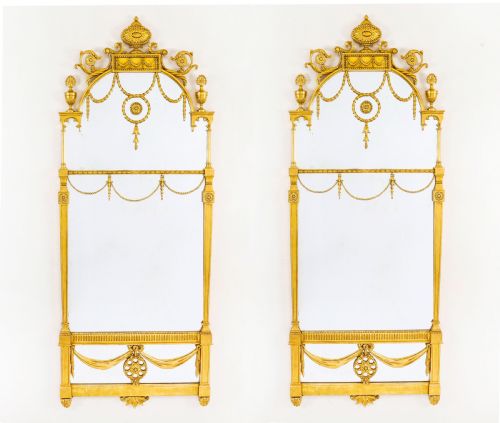
When searching for georgian glass urn, buyers encounter striking decorative objects primarily represented here by wall mirrors and wine coolers from the eighteenth and nineteenth centuries. These items embody classical proportions and reflective surfaces that define period interiors.
The prevailing forms on this page include oval wall mirrors, pier glasses, and Regency cut crystal wine coolers. These pieces reflect the neoclassical taste and Adam revival styles spanning the eighteenth century through to eighteen ninety.
Origins range from English workshops to Swedish Gustavian design traditions, utilising giltwood frames and mirrored glass. Buyers find distinct period craftsmanship rooted in Georgian and Regency aesthetics.
Materials and construction
Makers shaped these pieces using timber frames finished with giltwood, gesso, and gold or silver leaf, housing mirror glass or holding cut crystal. Carved wooden structures provide the robust armature for intricate neoclassical ornamentation.
Craftsmen applied gilding over gesso grounds to achieve brilliant reflective surfaces on frames, while glassblowers and cutters produced heavy lead crystal vessels for wine cooling. These combined techniques yield durable objects designed for elite domestic spaces.
Georgian Glass Urn Retail Price Guide 2026
Typical asking prices for georgian glass urn among the pieces listed under this phrase on Sellingantiques today, from the lower quarter to the upper quarter. They describe what is for sale here now, not the wider market.
Some mirrors travelled from grand Scottish country houses like Coilsfield House before finding their way onto the modern market.
Assessing quality and execution
Quality rests in the crispness of the carved detail on giltwood and gesso frames, where deeper undercutting and finer hand-applied leaf separate superior work from simpler production. The purity and depth of the glass or crystal also determine the overall refinement.
Proportion and scale dictate the visual success of each piece, with harmonious lines and balanced neoclassical ornament commanding greater presence. Original surfaces and untouched gilding retain higher integrity compared to later regilt examples.
Gillows Of Lancaster
The Georgian Glass Urn Glossary
- Giltwood
- Wood carved and coated with gold leaf, creating a bright metallic finish popular on eighteenth and nineteenth-century frames. This material requires gentle dusting to preserve the delicate leaf.
- Gesso
- A plaster-like mixture applied to wooden frames as a smooth base for subsequent gilding. It allows craftsmen to model sharp relief ornamentation.
- Pier glass
- A tall mirror specifically designed to hang on the wall space between windows. These pieces maximise natural light within formal rooms.
- Neoclassical
- A style drawing inspiration from classical antiquity, marked by symmetry, urn motifs, and restrained ornamentation. It dominates late eighteenth-century design.
- Regency
- A British design period spanning the early nineteenth century, known for bold classical lines and refined cut crystal.
Georgian Glass Urn: Frequently Asked Questions
What defines a georgian glass urn style?
These pieces draw upon neoclassical design principles, featuring symmetrical forms, carved giltwood frames, and reflective surfaces.
Craftsmen utilised classical motifs such as urns, swags, and ribbons to ornament wall mirrors and glass vessels.
Where should wall mirrors hang?
Pier glasses and wall mirrors suit spaces between windows or above mantelpieces to amplify daylight.
Their reflective panels brighten darker corners of period interiors.
How do I spot Adam revival pieces?
Adam revival works echo the eighteenth-century neoclassical style popularized by the Adam brothers, often produced during the late nineteenth century.
They exhibit refined carving, parcel gilt details, and disciplined classical symmetry.